"The Science Behind Emotional Intelligence and Learning
18 February 2026
Ever heard someone say, “You’re book smart, but not street smart”? Well, that little phrase hints at something deeper—something called emotional intelligence. And guess what? It plays a huge role in how we learn, retain information, and grow both mentally and emotionally.
If you’re a student, teacher, or lifelong learner, understanding the science behind emotional intelligence (EQ) and learning could be your secret weapon. Let’s break this down in a way that not only makes sense but sticks.
What is Emotional Intelligence, Anyway?
Alright, before diving into the science, let’s make sure we’re on the same page.Emotional Intelligence—or EQ—is your ability to recognize, understand, manage, and influence your own emotions and those of others.
Think of EQ as your brain's emotional compass. While IQ might tell you how well you can solve math problems, EQ tells you how well you handle a tough conversation or bounce back after failing a test.
The Core Components of Emotional Intelligence
Daniel Goleman, a psychologist (and absolute rockstar in this field), broke EQ down into five key components:1. Self-awareness: Knowing your emotions as they happen.
2. Self-regulation: Managing emotions so they don’t manage you.
3. Motivation: Using emotions to reach your goals.
4. Empathy: Understanding the emotions of others.
5. Social skills: Building healthy relationships and navigating social environments.
These aren’t just “soft skills,” by the way. They’re mega important in education—and we’ll get to why in just a second.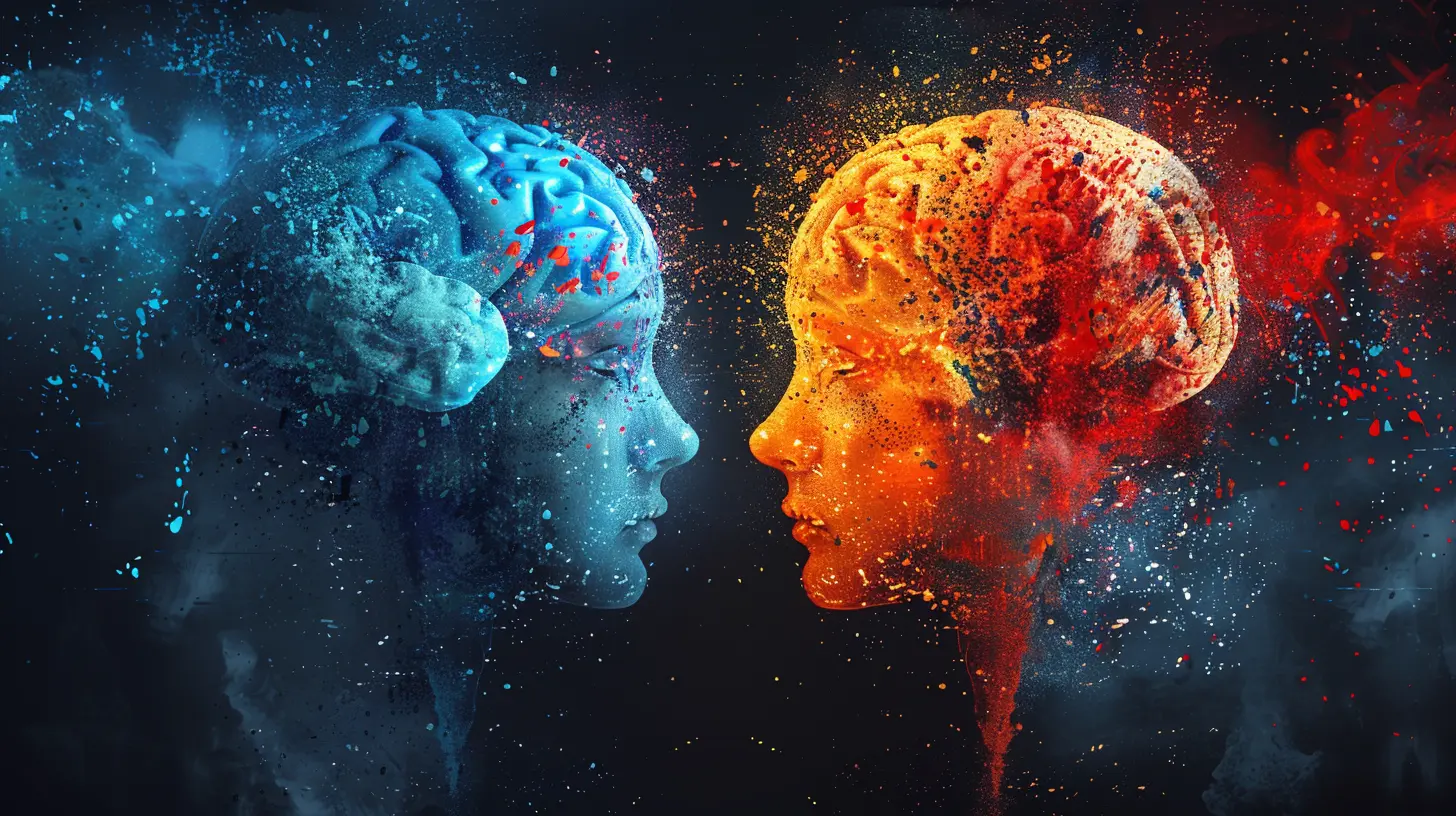
The Science: How Emotions Work in the Brain
Let’s get a little nerdy (but in a fun way).Our brain is like this massive control center, right? When it comes to emotions, two parts play the lead roles:
- The amygdala: Think of this as the brain's "emotional responder." It reacts quickly—too quickly sometimes.
- The prefrontal cortex: This is your brain’s logical thinker, the grown-up in the room.
So, when something emotional hits—say, you flunk a test—the amygdala flips out. You feel sad, angry, maybe even panicked. But if your prefrontal cortex is well-tuned (i.e., you’ve got good EQ), it steps in and says, “Take a breath. You’ll get through this.”
This dynamic is called the amygdala hijack, and it affects how well we can learn during emotional stress. If your emotions are all over the place, guess what? Your brain isn’t in the best state to process new information.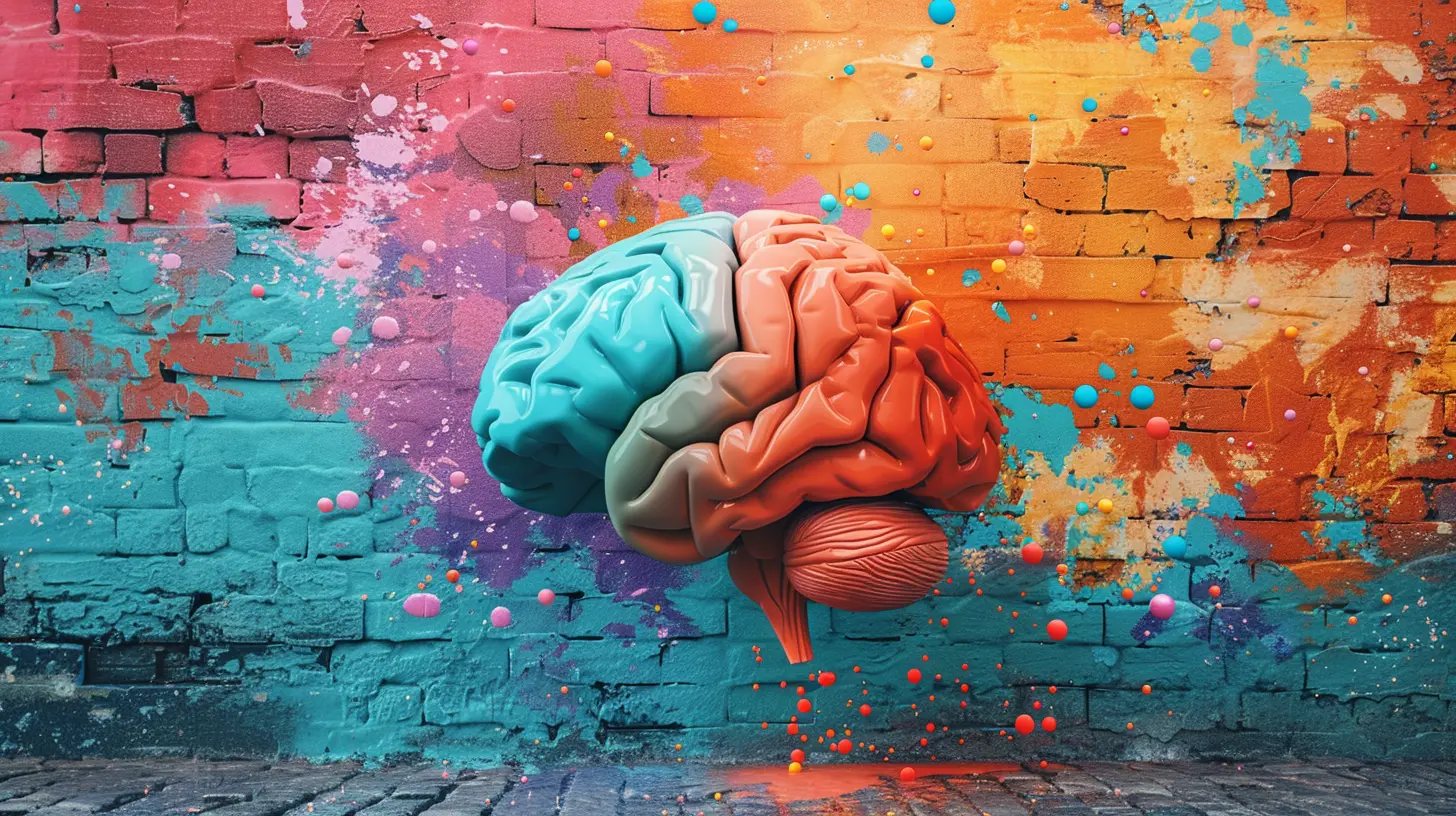
Emotional Intelligence and Learning: Why It Matters
Emotions Drive Attention
Let’s face it—if something doesn’t feel important, our brain checks out. Emotions act like highlighters in our memory. They signal what’s worth paying attention to.For example, if a teacher tells a joke during a lesson or shares a personal story, you're more likely to remember it. Why? Because your emotions got involved. The content wasn’t just cold, hard data—it had color and life.
The Role of Positive Emotions
Positive emotions like joy, curiosity, and excitement don’t just feel good—they boost brain function.They activate the reward system in our brain, releasing dopamine (a feel-good chemical), which enhances motivation and aids in memory formation.
So, when you're in a good emotional state, your brain becomes a sponge. Learning becomes easier and more enjoyable.
How Stress and Anxiety Block Learning
On the flip side, negative emotions like fear or anxiety can shut learning down—completely.When we’re stressed, our brain goes into "fight or flight" mode. Blood flow moves away from the prefrontal cortex (remember, our logical thinker) and toward survival centers. That means lower concentration, sluggish memory recall, and poor problem-solving skills.
If students are constantly worried—about grades, social life, or even personal issues—they're not in an optimal place to learn.
Emotional Intelligence in the Classroom
Now that we know emotions play a powerful role in learning, the big question is: how can schools and educators harness this?The Social-Emotional Learning (SEL) Movement
Social-Emotional Learning (SEL) is a game-changer. It’s all about helping students develop EQ through structured activities and discussions.Here’s what SEL typically focuses on:
- Naming and managing emotions
- Setting goals and working toward them
- Showing empathy to others
- Building healthy relationships
- Making responsible decisions
SEL doesn’t replace academics—it enhances them. Schools that incorporate SEL often see better academic performance, fewer behavioral issues, and higher levels of student engagement.
Teachers as Emotional Role Models
Let’s not forget the massive influence teachers have.A teacher who responds calmly during a crisis, shows empathy toward struggling students, and fosters a supportive classroom environment is teaching emotional intelligence every single day—whether they realize it or not.
And when teachers model EQ, students are way more likely to follow suit.
The Lifelong Benefits of Emotional Intelligence
Okay, let’s zoom out a bit. EQ isn’t just about acing school—it’s about thriving in life.Better Relationships
People with high EQ tend to have stronger relationships. They’re better listeners, more empathetic friends, and more effective communicators.Career Success
Employers aren’t just looking for degrees. They’re looking for team players who can handle feedback, manage stress, and adapt to change. That’s EQ in action.Personal Well-being
High emotional intelligence helps you bounce back from setbacks, manage anxiety, and find fulfillment. It's like having an emotional toolkit for life's rollercoasters.Can Emotional Intelligence Be Taught?
Absolutely, yes.While some people naturally have higher EQ, it’s not a static trait. It’s a skill—and like any skill, it can be learned and improved.
Practical Ways to Build Emotional Intelligence
Want to sharpen your EQ? Here are a few exercises:1. Journaling: Reflecting on your emotions helps build self-awareness.
2. Mindfulness practice: Helps you stay in the moment and handle stress better.
3. Active listening: Focus on really understanding the other person rather than planning your reply.
4. Empathy exercises: Try to see things from someone else’s point of view.
5. Feedback loops: Ask for honest feedback about how you come across emotionally.
Parents and educators can encourage these activities at home and in the classroom. Small efforts can lead to big shifts.
Bridging the Gap: Emotional Intelligence and Digital Learning
With the rise of online learning, EQ is more important than ever.Challenges of Online Learning
Let’s be real—Zoom classes and chat boxes can’t replace face-to-face interactions. This lack of human connection can leave students feeling isolated or misunderstood.Without the benefit of tone, body language, and real-time empathy, misunderstandings can boil over. That’s where EQ comes in. Students and teachers with strong emotional awareness can navigate these challenges more effectively.
Solutions for the Digital Age
- Virtual SEL programs: These are designed specifically for online classrooms.- Emotional check-ins: Daily or weekly surveys to gauge students’ emotional states.
- Encouraging camera use: So students can read facial cues and feel more connected.
- Online peer support groups: To provide community and emotional backing.
Even in digital spaces, EQ sets the stage for deeper learning.
Why Emotional Intelligence is the Future of Education
We’re in the middle of a massive shift in education. It’s no longer just about memorizing facts—it’s about preparing for real life. And real life? It demands emotional resilience.Emotional intelligence helps students:
- Handle setbacks with grace
- Work well in teams
- Embrace lifelong learning
- Become leaders in their own right
Investing in EQ today builds a better, more emotionally healthy society tomorrow.
Final Thoughts
So, here’s the takeaway: learning doesn’t happen in a vacuum. It’s not just about textbooks and tests. Emotions are the invisible thread weaving through every experience, every memory, every “aha” moment.By understanding the science behind emotional intelligence and learning, we can create environments—both in schools and at home—that truly nurture a learner's whole being. And when we nurture emotions, we unlock minds.
Knowledge, after all, sticks best when it comes with a feeling.
all images in this post were generated using AI tools
Category:
Emotional IntelligenceAuthor:

Eva Barker
Discussion
rate this article
2 comments
Sophie Palmer
I'm fascinated by how emotional intelligence impacts learning! Could understanding our emotions really enhance our educational experiences? I'm eager to explore this further!
March 1, 2026 at 5:34 AM
Eva Barker
Absolutely! Emotional intelligence helps us manage emotions, fostering better communication and collaboration, which can significantly enhance learning experiences. Exploring this connection can reveal powerful strategies for personal and academic growth.
Pierce Newton
How does EI enhance learning?
February 21, 2026 at 4:27 AM
Eva Barker
Emotional intelligence enhances learning by fostering self-awareness, improving interpersonal relationships, and promoting resilience, which all contribute to a more supportive and effective learning environment.