The Mississippi miracle
May 11, 2026 - 21:32
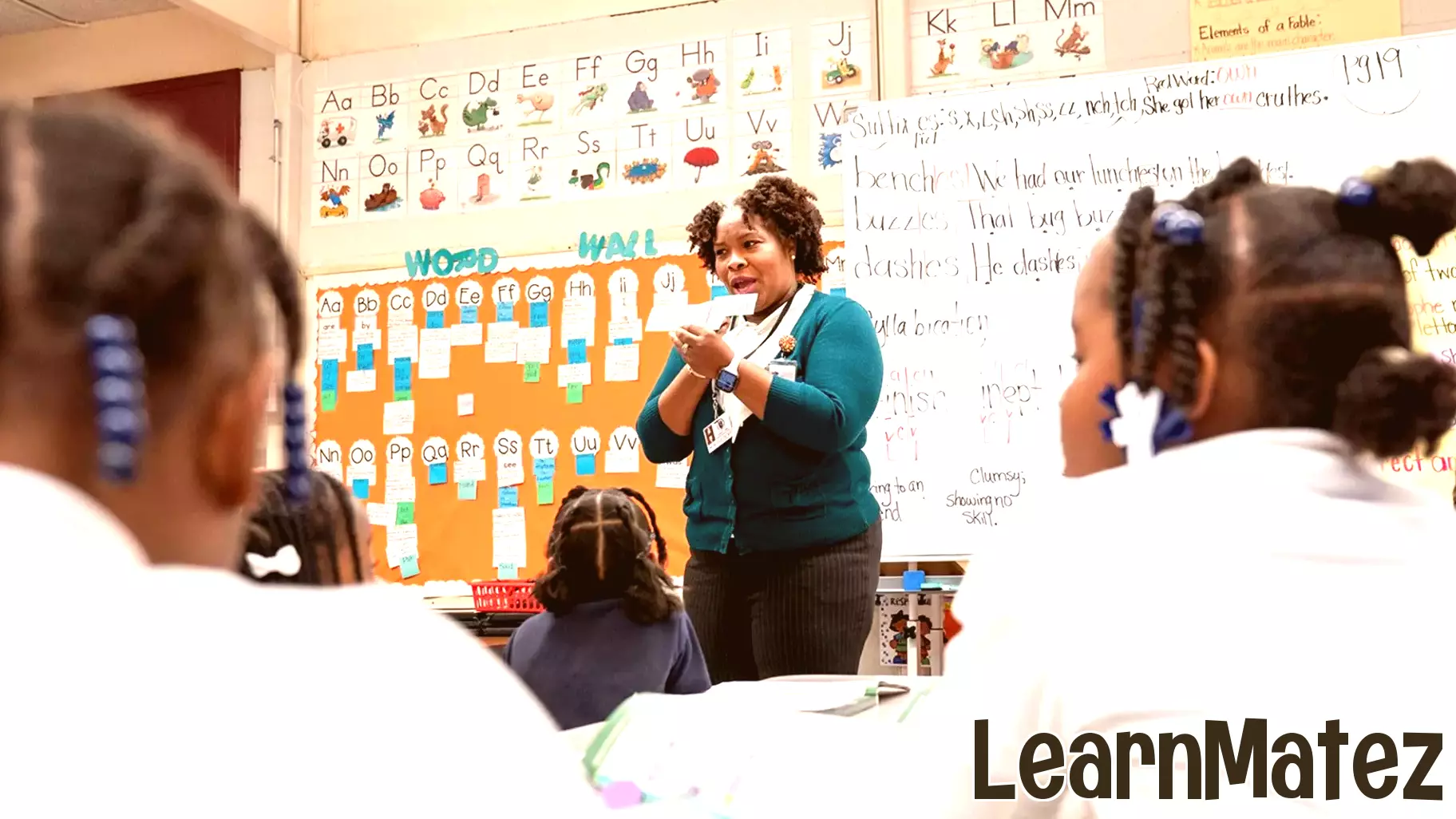
Mississippi, long near the bottom of national education rankings, has pulled off what some are calling a stunning turnaround in youth literacy. Recent data shows the state's fourth graders have made remarkable gains, now outperforming the national average in reading for the first time in decades. This shift, driven by a focused set of policies, has education experts asking if the rest of the country should take notes.
The change did not happen overnight. It started with a 2013 law requiring third graders to pass a reading test before moving to fourth grade. While controversial, the policy forced schools to identify struggling readers early. Alongside that, the state invested heavily in training teachers in the "science of reading," a phonics-based approach that emphasizes sounding out words rather than guessing from context. More than 5,000 educators have completed intensive coaching programs.
The results are hard to ignore. Between 2013 and 2022, Mississippi's fourth-grade reading scores on the National Assessment of Educational Progress rose faster than any other state. Black and Hispanic students, as well as those from low-income families, showed some of the biggest gains. Critics point out that the retention policy can be harsh, holding back thousands of children each year. Supporters argue it creates a powerful incentive for schools to provide extra help before the test.
Other states are now looking at Mississippi's playbook. Lawmakers in places like Texas and North Carolina have proposed similar retention laws and teacher training mandates. But replicating the success may not be simple. Mississippi's small population and relatively unified political leadership allowed for quick, consistent implementation. Larger, more diverse states may face more resistance from local school boards and teacher unions.
Still, the lesson is clear. With sustained focus on evidence-based instruction and early intervention, even a state with deep poverty and historical underperformance can move the needle. For now, Mississippi is no longer a punchline in education debates. It is a case study.
MORE NEWS
August 10, 2026 - 03:48
University of La Verne, Soboba tribe join to create higher-education pipelineThe University of La Verne and the Soboba Band of Luiseño Indians have announced a joint effort aimed at creating a clear pathway for tribal members to pursue college degrees and build lasting...
August 9, 2026 - 02:12
Guest column: Republican education policies have left Indiana’s children behindFor the last sixteen years, Indiana Republicans have stood before voters with the same promise: this is the year public education finally gets fixed. Yet, year after year, that promise fades as...
August 8, 2026 - 23:18
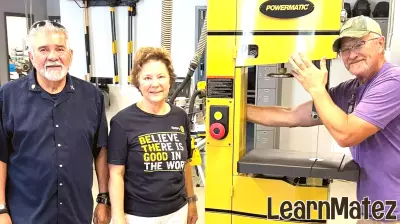
Sunrise Rotary District Grant Supports Skilled Trades Education At Estes Park High SchoolStudents in the Career and Technical Education program at Estes Park High School have a new reason to get their hands dirty. A $4,256 grant from the Rotary District, secured by the local Sunrise...

August 8, 2026 - 02:48
HISD special education families brace for uncertain new yearAs the new school year begins, many families with children in Houston ISD special education programs are feeling anxious and frustrated. They say the district has not provided clear answers about...