Why Soft Skills Will Dominate Higher Education by 2027
22 April 2026
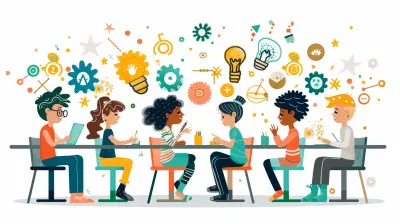
In today’s fast-paced world, where technology is evolving at lightning speed, there's a growing realization that hard skills—those technical know-how and qualifications—are no longer the sole ticket to success. Instead, soft skills, like communication, teamwork, and emotional intelligence, are taking center stage. By 2027, it’s clear that these skills will dominate higher education, shaping the future of learning and career readiness. So, let’s dive into why soft skills are essential and how they’ll redefine the educational landscape.

The Changing Landscape of Education
A Shift in Employer Expectations
Have you ever heard the phrase “It’s not what you know, but who you know”? While connections can help, employers are increasingly looking for candidates who can navigate interpersonal dynamics effectively. In fact, studies reveal that 93% of employers believe that soft skills are crucial to their hiring decisions. As workplaces become more collaborative and diverse, the ability to work well with others is paramount. This shift means that higher education institutions must prioritize soft skills in their curricula.The Rise of Automation and AI
With the rise of automation and artificial intelligence, many traditional jobs are evolving or disappearing altogether. This means that the workforce needs to adapt to new roles that require not just technical skills but also creativity and problem-solving abilities. Think of it like this: while robots can crunch numbers and analyze data, they can’t replicate the human touch that’s essential in leadership and teamwork. As such, higher education will need to emphasize soft skills to prepare students for this new reality.
What Are Soft Skills?
Defining Soft Skills
So, what exactly are soft skills? In simple terms, these are the personal attributes that enable someone to interact effectively and harmoniously with others. They include:- Communication Skills: The ability to convey information clearly and effectively.
- Emotional Intelligence: Understanding and managing your emotions and those of others.
- Teamwork: Collaborating with others to achieve a common goal.
- Problem-Solving: Approaching challenges with a creative and analytical mindset.
- Adaptability: Being flexible and open to change.
These skills are often more challenging to teach than hard skills, but they’re equally, if not more, important in today’s workforce.
Why Soft Skills Matter
Imagine walking into a workplace where everyone is technically proficient but lacks the ability to communicate or collaborate effectively. Sounds chaotic, right? That’s why soft skills matter. They foster a positive work environment, enhance productivity, and drive innovation. Employers are recognizing that a team with strong soft skills can outperform a team with only hard skills—think of it as the difference between a well-oiled machine and a group of individuals just doing their jobs.
The Role of Higher Education in Developing Soft Skills
Integrating Soft Skills into the Curriculum
Higher education institutions are starting to recognize the importance of soft skills and are making strides to integrate them into their curricula. From group projects to presentations, many programs are designed to encourage collaboration and communication among students. For instance, a business degree might require students to work in teams to develop a marketing plan, forcing them to navigate interpersonal dynamics and learn how to communicate ideas effectively.Experiential Learning Opportunities
Internships, co-op programs, and service-learning projects are becoming essential components of higher education. These experiences provide students with real-world opportunities to practice their soft skills. Picture this: a student interning at a marketing firm learns to communicate with clients, collaborate with team members, and solve problems on the fly. These experiences not only enhance their resumes but also prepare them for the complexities of the workplace.The Role of Faculty
Faculty members play a crucial role in fostering soft skills within their students. By modeling effective communication and collaboration, educators can teach students the importance of these skills. Additionally, incorporating feedback and reflection into assignments helps students understand their strengths and areas for improvement. Think of faculty as coaches guiding students through their personal and professional development.
The Future of Soft Skills in Higher Education
Predictions for 2027
As we look toward 2027, it’s evident that the emphasis on soft skills will only intensify. Here are a few predictions about how this trend will shape higher education:- Curriculum Overhaul: More programs will intentionally incorporate soft skills training, making it a core component of all degrees.
- Assessment of Soft Skills: Institutions will develop new methods to assess soft skills, ensuring that graduates are not only knowledgeable but also capable of applying their skills in real-world scenarios.
- Collaboration with Industry: Higher education institutions will partner with businesses to align curricula with industry needs, ensuring that students are equipped with the skills employers are looking for.
The Impact on Students
For students, this shift means a more holistic education that prepares them for the complexities of modern workplaces. They’ll graduate not just with a degree but with the skills necessary to thrive in any environment. Imagine a graduate who can not only analyze data but also lead a team, communicate ideas effectively, and adapt to changing circumstances. That’s the kind of graduate who will stand out in the job market.Overcoming Challenges in Soft Skills Education
Addressing Resistance to Change
Despite the clear benefits, there can be resistance to incorporating soft skills into higher education. Some educators may prioritize technical knowledge over interpersonal skills, believing that hard skills are more critical for student success. However, it’s essential to challenge this mindset. The reality is that soft skills complement hard skills, and graduates need both to excel.Training Educators
To effectively teach soft skills, educators themselves need training. Professional development programs can help faculty members learn how to integrate soft skills into their teaching methods. This training can include workshops on effective communication, conflict resolution, and teamwork strategies. By equipping educators with the tools they need, we can ensure that they can effectively teach these essential skills.Measuring Success
Another challenge is measuring the success of soft skills education. Unlike academic performance, which can be easily quantified, soft skills are more subjective. Institutions will need to develop innovative assessment methods, such as peer evaluations, self-assessments, and real-world projects that demonstrate students’ abilities to apply their soft skills in various situations.
Conclusion: Embracing the Future of Education
As we approach 2027, the importance of soft skills in higher education will only continue to grow. The landscape of work is changing, and so too must our approach to education. By prioritizing soft skills, higher education institutions can prepare students for the realities of the modern workforce, ensuring they have the tools they need to succeed.So, whether you’re a student, an educator, or someone involved in higher education, it’s time to embrace this shift. Together, we can create a future where graduates are not only knowledgeable but also equipped with the soft skills necessary to thrive in an ever-evolving world.
all images in this post were generated using AI tools
Category:
Higher LearningAuthor:

Eva Barker
Discussion
rate this article
2 comments
Kismet Bowman
This article beautifully highlights the crucial role soft skills will play in shaping higher education by 2027. Emphasizing communication, teamwork, and adaptability is essential for preparing students for the dynamic workforce. Excited to see how institutions embrace these changes for future success!
April 28, 2026 at 3:10 AM
Eva Barker
Thank you for your thoughts! It's encouraging to see the focus on soft skills as essential for student success in the evolving job market. I hope institutions rise to the challenge.
Uma McCallum
This article insightfully highlights the importance of soft skills in shaping future-focused higher education programs. Well done!
April 23, 2026 at 3:55 AM
Eva Barker
Thank you for your kind words! I'm glad you found the article insightful.