Why Learning Music Should Be Part of Every Curriculum
4 December 2025
Picture this: a classroom buzzing with creativity, where students aren't only reciting facts or solving equations—but strumming guitars, tapping drums, harmonizing with voices that echo with emotion. It's not a fantasy. It’s what education could look like if music wasn’t treated like an afterthought. So, let’s talk about it—why learning music should be part of every curriculum.
The Lost Chord in Modern Education
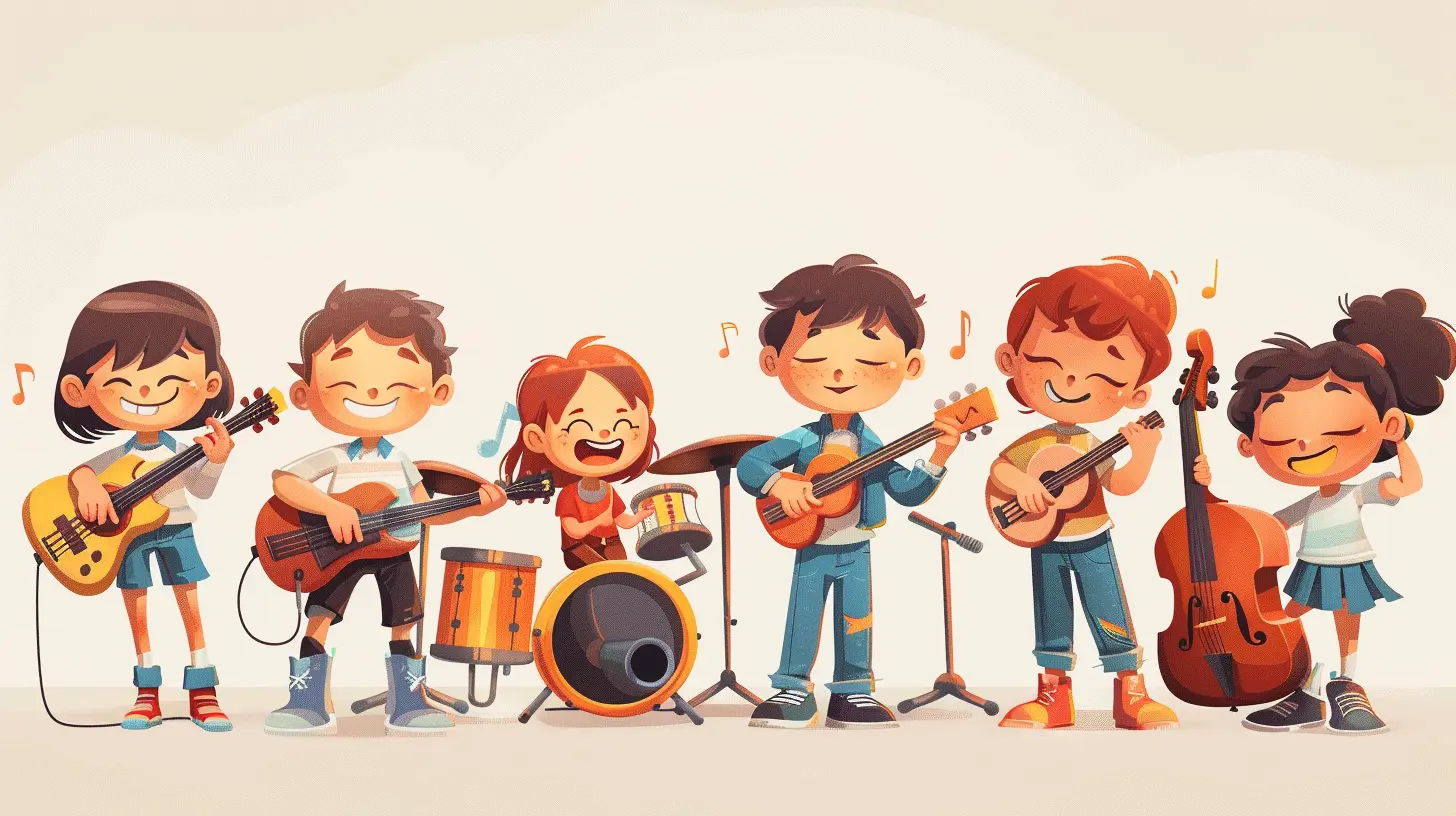
Let’s be honest—when budgets are tight, music classes are often the first to be snipped. They’re seen as “nice-to-haves,” not “need-to-haves.” But that couldn’t be further from the truth.Music isn’t just noise or entertainment—it’s a whole brain workout. It taps into logic, emotion, coordination, and creativity. It's math, language, history, and art rolled into one rhythm. Ignoring music in schools is like trying to cook with half the ingredients missing. Sure, you’ll make something. But it won’t be nearly as rich or fulfilling.
Music and the Brain: A Symphony of Synapses
Ever hear someone say music makes you smarter? That’s not just a catchy phrase—it’s backed by science.When kids learn music, their brains light up like fireworks. Why? Because they’re using both hemispheres of the brain. Playing an instrument requires focus, timing, memory, and muscle coordination. It’s like CrossFit for your neurons.
Studies have shown that students involved in music education score higher on standardized tests. They’re better at problem-solving, pattern recognition, and even reading comprehension. Wild, right?
And it doesn’t stop there.
Memory Boost? Yes, Please.
Music helps build stronger memory pathways. Think about how easily you can remember song lyrics from 10 years ago—but struggle to recall what you had for dinner last Tuesday. That’s music flexing its neuroplasticity muscles.Imagine harnessing that power in a classroom. Students could learn complicated concepts more easily if they were set to rhythms or melodies. And honestly, wouldn’t you rather sing your way through the periodic table than just memorize it?
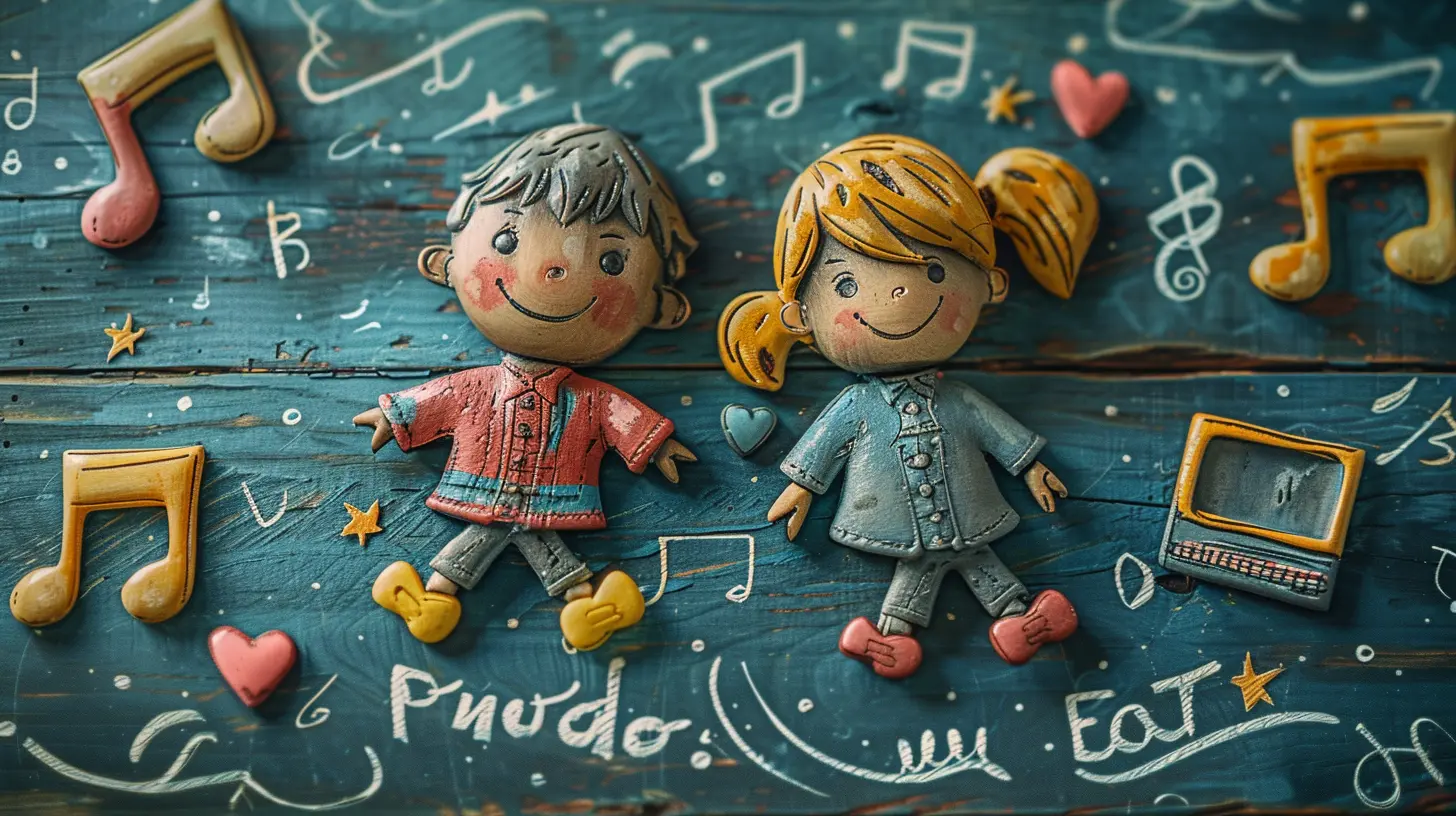
Emotional Intelligence Hits a High Note
Let’s switch gears. School isn’t just about grades. It’s also about growing up—and growing emotionally.Music teaches empathy. It lets students express what they can't always say with words. It gives them an emotional outlet. Whether it's the joy in a major chord or the sadness in a minor key, music helps kids process their feelings in a healthy, constructive way.
It’s not magic—it’s emotional intelligence. And it’s crucial.
Building Confidence, One Note at a Time
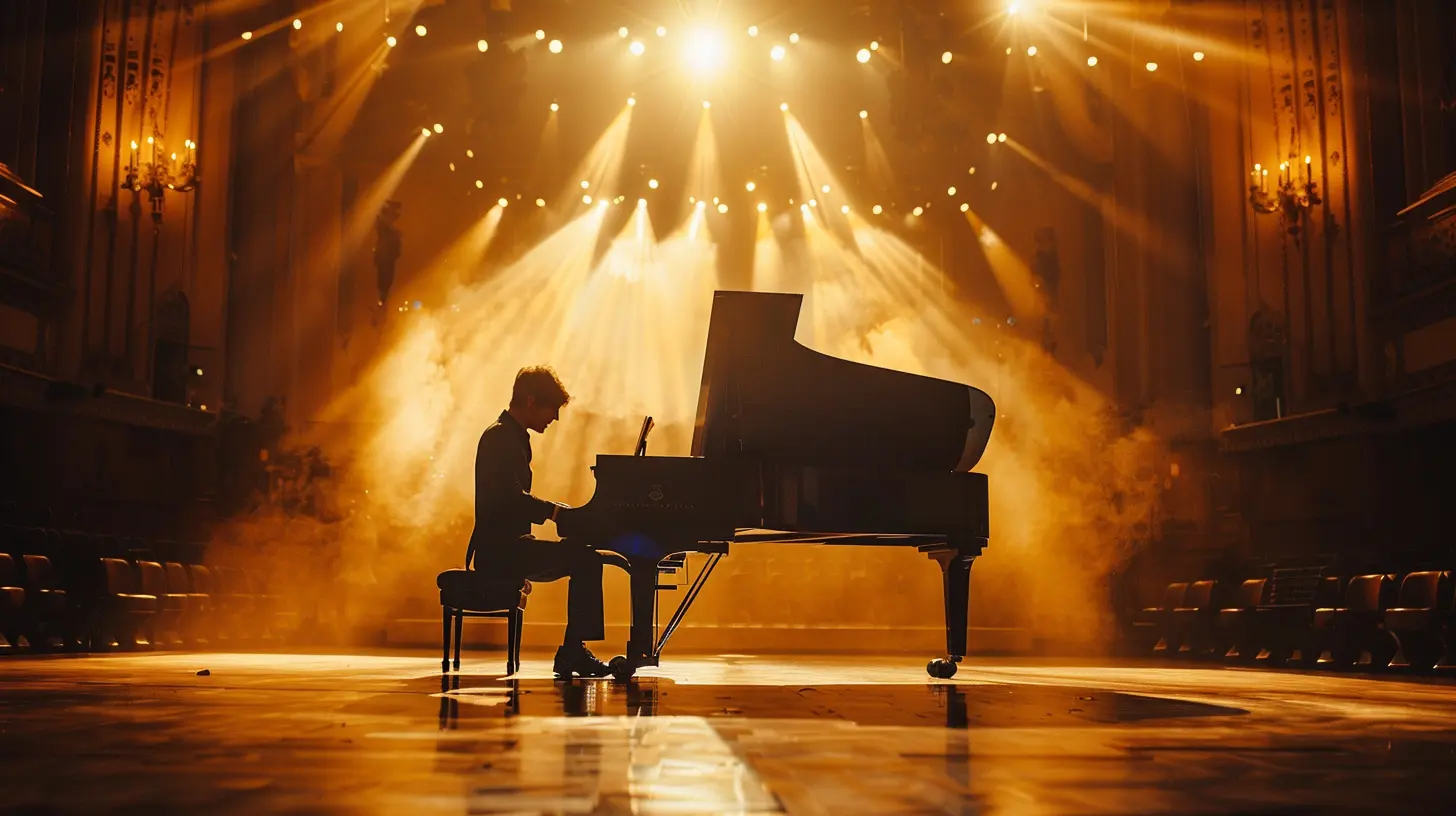
Now think about a shy student stepping onto a stage for their first recital. Terrifying, right? But when they pull it off—even if they make a few mistakes—they gain something invaluable: confidence.Music education fosters resilience. It pushes students out of their comfort zones, and that’s where growth happens.
It's More Than a Solo—It’s a Collaboration
Music by nature is a team sport. Choirs, bands, and ensembles teach students how to listen, contribute, and compromise. It’s not just about standing out—it’s about coming together.These group experiences teach real-world collaboration skills. How to harmonize, literally and figuratively. In today’s workplace? That’s gold.
Leadership and Responsibility in Harmony
Ever seen a band without a conductor? Chaos.In music programs, students often take on leadership roles—section leaders, soloists, composers. They learn to show up, be prepared, and take accountability. Music may be art, but it also demands discipline.
Cultural Awareness Through Musical Diversity
Our world is a melting pot of sounds. From African drums to Indian ragas to Appalachian folk songs, music reflects culture in the most authentic way.By introducing kids to music from around the globe, we’re teaching them respect, understanding, and curiosity. It opens up hearts and minds, bridging cultural divides better than any textbook could.
You can read about history. Or… you can feel it through a centuries-old melody.
Music and Mental Health: A Soothing Soundtrack
Let’s be real—school can be stressful. The pressure to perform, the social dynamics, the sea of expectations—it’s a lot.Music offers a rare sanctuary. It relaxes the nervous system, reduces anxiety, and lifts mood. There's a reason people turn on their favorite songs when life gets tough. Music heals.
Providing this outlet in schools isn’t a luxury. It’s emotional first aid.
A Voice for the Voiceless
Not every student is a talker. Some express themselves best with their hands on a piano or their lips on a trumpet. Music gives those students a voice that doesn’t require words.In a way, it’s the ultimate form of inclusion. Everyone has a rhythm. Music helps them find it.
Better Behavior? Strike a Chord.
Here’s something surprising—school districts with strong music programs often report better behavior and fewer disciplinary issues.Why? Because music gives students purpose. It channels energy into productivity. Instead of acting out, they act within a structure where their effort produces beauty. That’s powerful.
Discipline That Doesn’t Feel Like Discipline
Practicing an instrument takes time. Mastering a piece takes patience. Students learn self-control, time management, and perseverance—all without a single lecture about responsibility.It’s like sneaking vegetables into a smoothie. They’re growing—and they don’t even realize it’s happening.
Music and Language: Perfect Partners
Ever notice how kids who play instruments often excel at learning languages? That’s no accident.Music strengthens auditory discrimination—the ability to hear subtle differences in sound. It's a skill that directly translates to language learning. From picking up a new tongue to refining English grammar, music boosts verbal abilities across the board.
Even babies exposed to music early tend to babble sooner and develop stronger linguistic skills. So yeah, music speaks louder than words.
Music Isn't Just For The "Talented"
One of the biggest myths about music education? That it’s only for the gifted.Nope.
Music is for everyone. You don’t have to be the next Mozart or Beyoncé to belong in a music class. Just like you don’t have to be a pro athlete to play in gym, or a Pulitzer winner to write an essay.
Kids don’t need to be perfect at it. They just need access. The experience alone transforms them.
The Future Demands Creativity
Let’s face it—the jobs of tomorrow won’t just require technical skills. They’ll demand creative thinking, emotional intelligence, and adaptability. Machines can crunch data. But only humans can compose melodies that move hearts.Music cultivates the creativity that AI can’t replicate. In a world increasingly driven by automation, learning music may turn out to be one of the most “future-proof” skills.
What Happens When We Cut the Music?
When schools axe music programs, they’re not just trimming fat. They’re amputating limbs students need to thrive.We lose potential composers, yes. But we also lose leaders, thinkers, healers, and innovators. We lose heart.
Music belongs in every curriculum—not just for the sake of tradition or performance—but because it makes us human.
It’s not optional. It’s essential.
So, What’s the Final Note?
If you’ve ever felt goosebumps during a powerful song, you already know—music is something special. But in schools, it’s more than special. It’s transformational.Learning music builds brainpower, fuels emotional growth, strengthens social bonds, enhances focus, and unlocks creativity. What subject can claim all that?
So the next time someone says music class doesn’t matter, hit them with this:
Music isn’t just an escape. It’s an education.
And every student deserves that melody in their lives.
all images in this post were generated using AI tools
Category:
Music EducationAuthor:

Eva Barker
Discussion
rate this article
2 comments
Flynn Hines
Great article! Integrating music into education not only enhances creativity but also boosts cognitive skills. Let's inspire future generations with the joy of learning through music!
December 14, 2025 at 12:27 PM
Eva Barker
Thank you! I'm glad you found it insightful. Music truly is a powerful tool for enhancing learning and creativity!
Reagan Cannon
Music enhances learning and creativity!
December 4, 2025 at 1:54 PM
Eva Barker
Absolutely! Music fosters critical thinking and boosts creativity, making it an essential component of a well-rounded education.