What Can We Learn from Historical Conflicts?
5 March 2026
History is a battlefield—one strewn with the ruins of empires, the cost of ambition, and the echoes of wars long past. But beneath the bloodshed and chaos, historical conflicts offer something invaluable: lessons. Lessons in leadership, diplomacy, resilience, and even human nature itself.
What if we could extract wisdom from history’s darkest moments and use it to shape a better future? Let’s journey through time and uncover what historical conflicts can teach us. 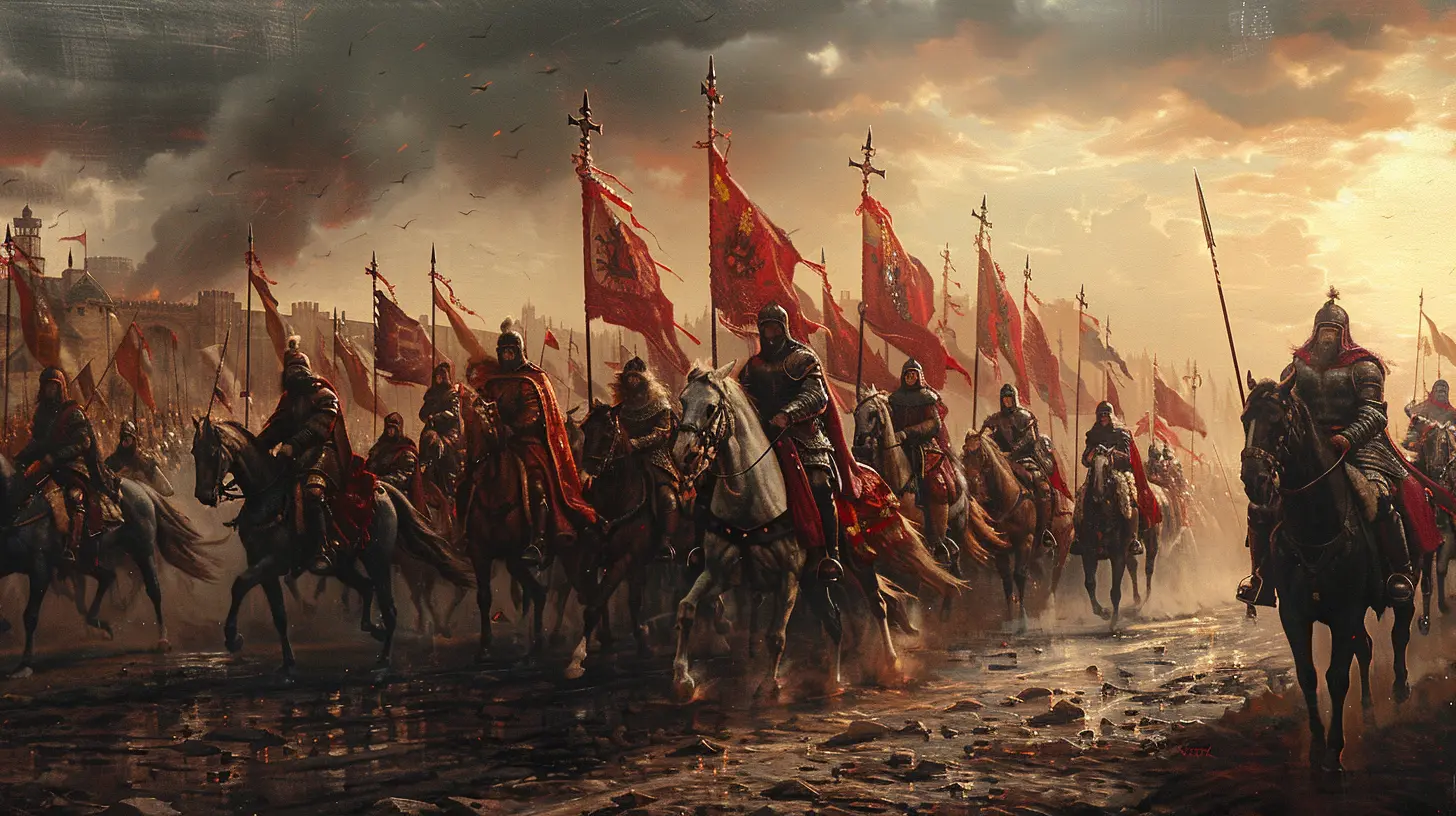
1. The Cost of Ignoring Warnings
History has a knack for shouting, but humanity often fails to listen. Take World War II, for example. The Treaty of Versailles (1919) ended World War I but placed immense economic and political pressure on Germany. Many historians argue that the seeds of Hitler’s rise were sown in that very treaty. The warning signs? Crystal clear in hindsight.Even more recently, the failure to heed intelligence warnings about 9/11 serves as a chilling reminder. Time and again, history whispers its warnings—yet leaders often ignore them, leading to catastrophic results.
The takeaway? Ignoring early signs of trouble often invites disaster. Whether in politics, business, or personal life, paying attention to warning signs can prevent irreversible mistakes. 
2. Empires Rise, But They Also Fall
The Roman Empire. The Ottoman Empire. The British Empire. Once unshakable giants, now chapters in history books. Why? Because power, when mismanaged or overly expanded, crumbles.Rome, for instance, fell due to internal decay, overexpansion, and political corruption. Sound familiar? Modern superpowers aren’t immune to the same pitfalls. Nations that overextend their influence—militarily or economically—often face consequences eerily similar to those of past empires.
Lesson learned: No power is eternal, and arrogance accelerates decline. Stability requires adaptability, and those who ignore the lessons of fallen empires may be doomed to repeat their fate. 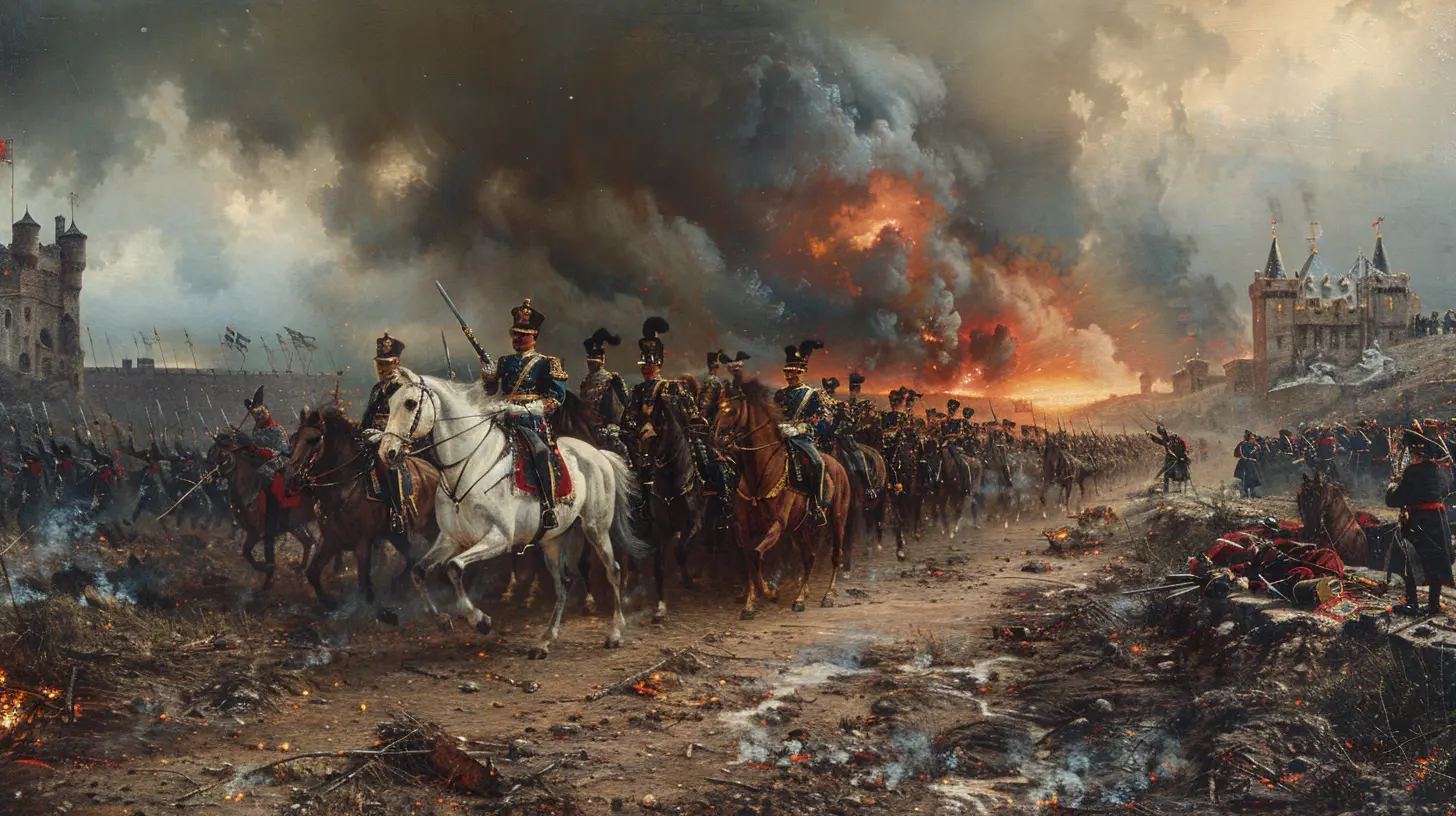
3. The Power of Propaganda and Influence
Wars are not just fought on battlefields—they’re fought in the minds of the people. Propaganda has shaped conflicts for centuries, controlling narratives and justifying actions.During World War I, British propaganda painted Germans as ruthless monsters, fueling public support for the war. In the Cold War, both the U.S. and the Soviet Union engaged in psychological warfare, spreading fear to maintain their ideological grip.
Today, misinformation spreads faster than ever. Social media amplifies narratives—true or false—at unprecedented speeds. If history teaches us anything, it’s that controlling information can be as powerful as controlling an army.
What’s the takeaway? Question everything. Recognize bias. Whether in politics, media, or marketing, propaganda is everywhere. The ability to critically analyze information is one of the greatest defenses we can build. 
4. War Breeds Innovation
It sounds paradoxical, but history shows that war often accelerates technological progress. Radar, jet engines, antibiotics, and even the internet have roots in military conflicts.World War II brought a surge in medical advancements, from blood transfusions to breakthroughs in plastic surgery. The Cold War’s space race led to satellite technology, GPS, and even the devices we use today.
The lesson? Adversity often sparks ingenuity. Conflict, while devastating, forces humanity to innovate. But do we really need war to drive progress? Perhaps the key is harnessing that same spirit of innovation—without the destruction.
5. Diplomacy Can Prevent Catastrophe
Not all historical conflicts end in war. Some, through skilled diplomacy, were defused before bloodshed began. Take the Cuban Missile Crisis (1962): a standoff between the U.S. and the USSR that could have ended in nuclear disaster.Yet, through secret backchannel negotiations, both sides agreed to pull back. The world came within a breath of destruction—but diplomacy saved it.
This teaches us a powerful lesson: Wars are often preventable. Communication, compromise, and strategy can de-escalate even the most dangerous situations. Whether in international relations or personal disputes, skilled negotiation can mean the difference between conflict and peace.
6. Revenge Is Rarely Worth It
History is full of examples where revenge only deepened wounds. The Treaty of Versailles held Germany responsible for World War I, leading to economic devastation. This humiliation brewed resentment—fueling the rise of the Nazi regime and, ultimately, World War II.The lesson? Punishing enemies without efforts toward reconciliation can cause long-term instability. True resolution comes from rebuilding relationships, not deepening divisions.
The same applies to personal conflicts. Holding grudges often causes more harm than good. Let history serve as a reminder that sometimes, the best way to win is to let go.
7. The Human Cost of War Is Always Too High
For all the strategic lessons we can learn, one truth remains: war always comes at a devastating cost. Behind every battle, every victory, and every treaty, there are lives lost and futures destroyed.From the Napoleonic Wars to the World Wars, countless millions have perished. And yet, conflicts continue. Maybe the biggest lesson of all is that war, no matter how “necessary” it seems at the time, leaves scars that last for generations.
Will we ever truly learn? Only time will tell.
Final Thoughts
Historical conflicts are more than stories of destruction—they are warnings, lessons, and sometimes even blueprints for a better future.From ignoring warning signs to the collapse of empires, from the power of propaganda to the need for diplomacy, history has handed us a map. The question is: will we use it?
Because if there’s one thing history has proven repeatedly, it’s this—those who do not learn from the past are doomed to repeat it.
all images in this post were generated using AI tools
Category:
Social StudiesAuthor:

Eva Barker
Discussion
rate this article
2 comments
Juniper McAleer
History teaches us resilience and critical thinking.
March 14, 2026 at 1:19 PM
Eva Barker
Absolutely! History offers valuable lessons in resilience and critical thinking, helping us navigate modern challenges more effectively.
Maxine McMahan
This article provides valuable insights into the complexities of historical conflicts. Understanding these lessons can foster empathy and informed dialogue, ultimately guiding us toward more effective conflict resolution in today's world.
March 10, 2026 at 1:05 PM
Eva Barker
Thank you for your thoughtful comment! I'm glad you found the insights valuable for promoting empathy and informed dialogue.