Using Positive Reinforcement to Shape Classroom Behavior
4 April 2026
Ever wonder how teachers get students to follow rules, stay engaged, and even enjoy learning? It’s not magic (though it sure feels like it sometimes). One of the most powerful tools in a teacher’s toolkit is positive reinforcement. This article digs deep into how positive reinforcement can be a game-changer in shaping student behavior in the classroom.
Let’s break it down, explore what it looks like, and uncover how you can apply it effectively — whether you're a teacher, an educational aide, a school counselor, or even a parent wanting to support your child’s learning environment.
What Is Positive Reinforcement?
At its core, positive reinforcement means rewarding behavior you want to see again. It’s that simple.Think about it — when a student raises their hand instead of shouting out, and you say, “Thank you for raising your hand,” you’re sending a message. You're reinforcing that behavior with a positive response. The student feels seen and appreciated, making it more likely they'll repeat that behavior.
The Psychology Behind It
Positive reinforcement is rooted in behavioral psychology — notably B.F. Skinner’s work on operant conditioning. The idea is that behaviors followed by positive outcomes are more likely to be repeated. In other words, we’re all wired to seek out rewards.So, why not use that natural tendency to guide students toward better behavior?
The Benefits of Positive Reinforcement in the Classroom
We’re not just talking about a few thank-yous and gold stars. When used consistently and intentionally, positive reinforcement can transform classroom dynamics in big ways.1. Encourages Intrinsic Motivation
Over time, students internalize the praise and rewards. Instead of behaving well just for the prize, they start doing it because it feels good — because it matters to them. That’s the gold standard: motivation that comes from within.2. Builds Student Confidence
Every pat on the back or “great job” adds a little brick to a student's self-esteem wall. And when students believe in themselves, they’re more likely to take risks, ask questions, and stay engaged.3. Creates a Positive Classroom Culture
In a room where positive behavior is noticed and celebrated, students feel safer and more supported. It creates a ripple effect — positive energy fuels more positive energy.4. Reduces Disruptive Behavior
Believe it or not, focusing on the good stuff can naturally push out some of that negative behavior. When students see their classmates getting attention for doing the right thing, they’ll want in on that action too.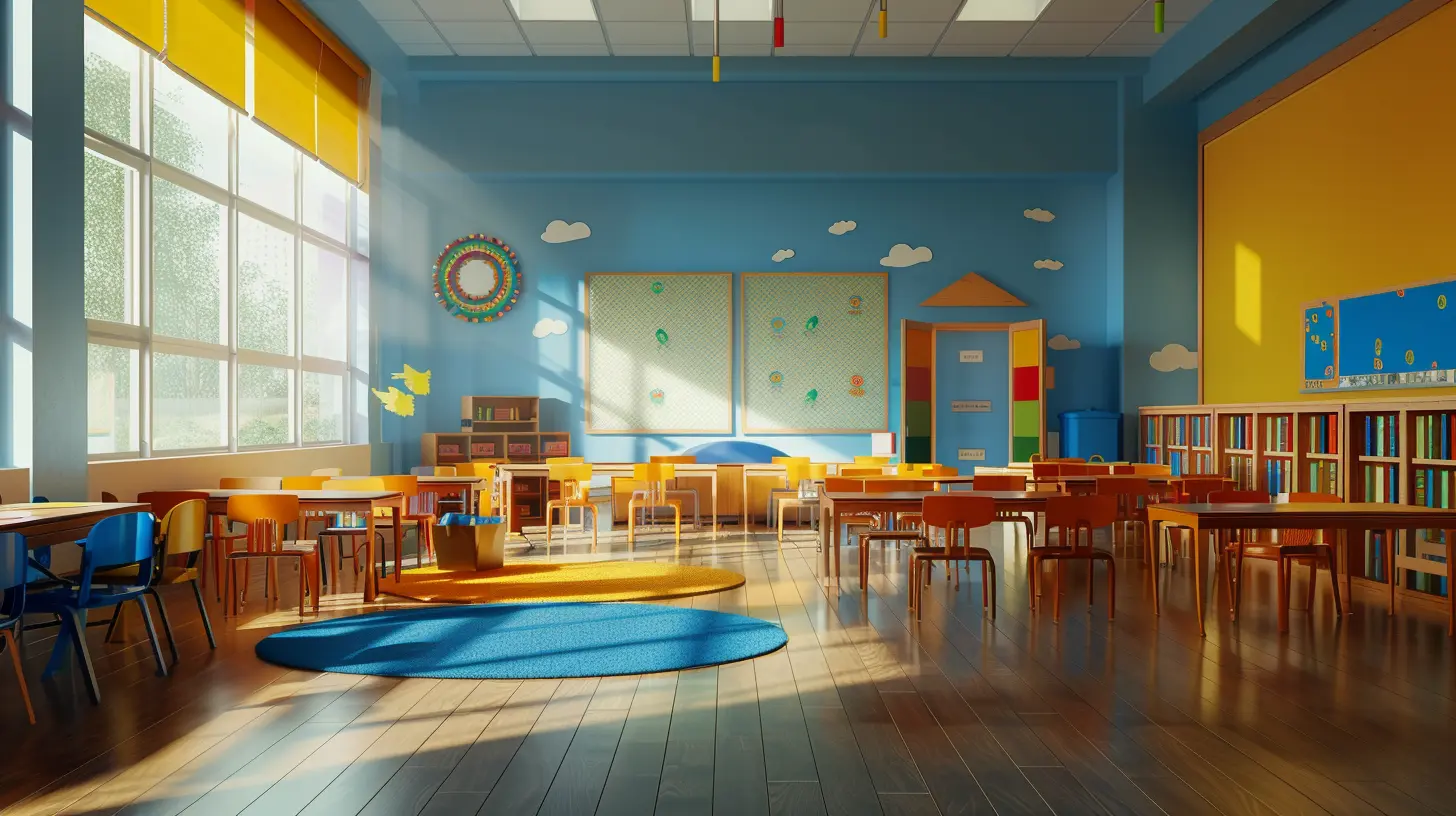
Common Types of Positive Reinforcement
Not all rewards are created equal. The key is to find the right fit for your specific classroom and students.1. Verbal Praise
This is the simplest, most immediate form of reinforcement. Things like:- “Nice work!”
- “I love how quietly you’re working.”
- “You showed a lot of patience just now.”
Be specific whenever you can. Instead of just “good job,” say what was good. It helps reinforce the exact behavior.
2. Tangible Rewards
Stickers, tokens, pencils, extra recess — these are tried-and-true methods, especially for younger students. But use them wisely. If overdone, students might start acting only for the reward, not the behavior itself.3. Privileges
Sometimes, the best reward is a little extra freedom or responsibility. Like:- Choosing a classroom game
- Being line leader
- Sitting in a special spot
These rewards can make students feel valued and trusted.
4. Social Recognition
Peer recognition can be just as powerful as teacher approval. Shouting out a student’s good behavior in front of the class, or having a "Student of the Week" spotlight, can boost morale like nothing else.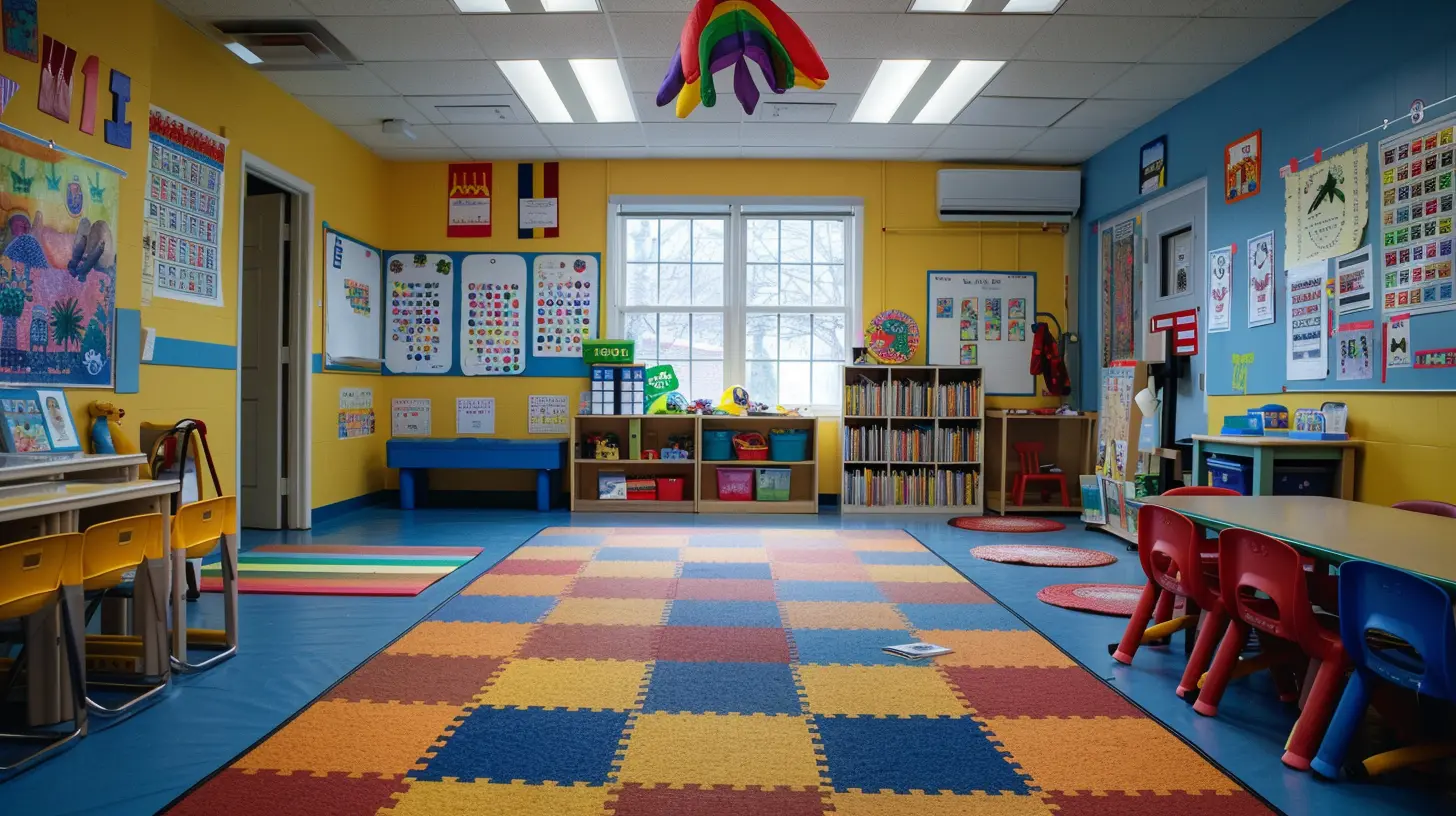
How to Effectively Implement Positive Reinforcement
Ready to start using it in your classroom? Here’s where the real magic happens — when strategy meets consistency.1. Be Clear About Expectations
You can’t reinforce what you haven’t clearly asked for. Make sure your students know what behaviors you want to see.Try creating a simple chart or daily reminder of the “Top 3 Behaviors” you’re focusing on. Keep it visible.
2. Catch 'Em Being Good
This is a biggie. Don’t just wait for someone to mess up before responding. Keep your attention on students who are following the rules, even if they’re not your loudest or boldest.Spotlight the quiet listeners, the helpful hand-raisers, or the students staying on task. You'll be amazed how contagious good behavior becomes.
3. Match the Reinforcement to the Student
What works for one student might not work for another. While one child beams at verbal praise, another might need something more tangible. Get to know your students and tailor your approach.It’s like gardening — every plant needs a different mix of sunlight, water, and love. Students are no different.
4. Be Consistent
Inconsistency is the Achilles’ heel of reinforcement. If you ignore positive behavior one day and praise it the next, students get mixed signals. Make reinforcement part of your daily routine.5. Don’t Overdo It
Yes, you read that right. Too much reinforcement can backfire. If students are constantly praised, they might stop putting in the effort or see the reinforcement as expected rather than earned.Keep it meaningful. Quality over quantity.
Common Pitfalls to Avoid
Even with the best intentions, things can go sideways if you're not careful. Here are some common mistakes to steer clear of.1. Reinforcing the Wrong Behavior
Ever say, “Alright, if you all quiet down, we’ll go outside early”? You may have just rewarded loud, off-task behavior. Oops.Make sure the behavior you're reinforcing is the one you actually want repeated.
2. Ignoring Individual Needs
Remember, not all kids are motivated the same way. A reward system that excites one student might leave another feeling left out or disengaged.Keep your system flexible and inclusive.
3. Using Reinforcement as a Bribe
Bribes feel manipulative and often happen after a bad behavior: “If you stop yelling, I’ll give you a sticker.” That’s not reinforcement. Instead, reward the behavior before or when it happens — not after the fact.Real-Life Examples of Positive Reinforcement in Action
Here are a few classroom-tested ways teachers have used positive reinforcement to create a better learning environment.Example 1: The Compliment Chain
Every time a student gives another peer a compliment, the class adds a link to a paper chain. Once the chain reaches a certain length, they get a classroom reward like a dance party or pajama day. It builds kindness and community.Example 2: Mystery Student
Pick a “mystery student” at the start of the day (secretly). If that student demonstrates good behavior all day, they get a prize or recognition. Everyone’s motivated to be their best — because it could be them!Example 3: Sticker Charts
Each student earns a sticker for completing tasks, showing kindness, or participating. After a certain number, they trade it in for a reward. This method can be adapted for individuals or the whole class.Long-Term Impact: Building Habits, Not Just Moments
The ultimate goal of positive reinforcement isn't short-term obedience — it’s long-term growth.We're helping shape habits, values, and social skills that stick with students long after they leave our classrooms. When done consistently, positive reinforcement sets the stage for:
- Better academic performance
- More respectful peer-to-peer interactions
- Increased emotional regulation
- Higher student-teacher trust
It's not just about today’s lesson plan — it's about life skills they'll use forever.
Final Thoughts
Positive reinforcement isn’t about spoiling kids or handing out heaps of praise for every little thing. It’s about shifting our focus — choosing to highlight what's going right instead of always policing what's going wrong.When students feel noticed, appreciated, and supported, they're far more likely to engage and thrive. And isn’t that what every educator wants?
So start small. Praise a quiet moment. Hand out a sticker. Celebrate effort. Over time, your classroom will start to run less like a battlefield and more like a community — built on trust, positivity, and mutual respect.
Remember: What you water grows. Water the good stuff.
all images in this post were generated using AI tools
Category:
Educational PsychologyAuthor:

Eva Barker
Discussion
rate this article
2 comments
Mae Cole
What a fantastic approach! Positive reinforcement truly transforms classrooms into joyful learning environments, encouraging students to thrive and fostering a love for learning!
April 10, 2026 at 12:36 PM
Eva Barker
Thank you! I completely agree—positive reinforcement is key to creating engaging and joyful learning spaces for students.
Olivia Good
Positive reinforcement: because even kids need some 'Yay, you didn't eat glue!' moments!
April 7, 2026 at 4:26 AM
Eva Barker
Absolutely! Celebrating small successes can really boost a child's confidence and motivation in the classroom.