Using Extracurricular Activities to Develop a Global Perspective
14 February 2026
When we think about school and education, most of us instantly picture textbooks, exams, and classroom lectures. But let’s be honest — some of the most important life lessons don’t come from inside the classroom… they happen in the moments in between. Those choir rehearsals, soccer practices, volunteering gigs, or debate tournaments aren’t just “extra” activities to pad your college application. They’re powerful tools that can open your mind to the world.
In today’s crazy interconnected world, having a global perspective isn’t just a nice-to-have; it’s a must. Whether you're aiming to be a doctor, entrepreneur, teacher, engineer, or artist — understanding different cultures, beliefs, and lifestyles will give you an edge. And guess what? One of the best ways to gain this perspective is through extracurricular activities.
What’s a Global Perspective, Anyway?
Before we dive in, let’s unpack this idea. A “global perspective” means you’re able to see the world beyond your own cultural bubble. You understand that there are different ways of living, thinking, and communicating — and you respect those differences. It means you’re open-minded, culturally aware, and empathetic.But here’s the thing: you can’t truly get this kind of perspective just by sitting at home scrolling through Instagram. You have to be exposed to different people, places, and ideas — and that’s where extracurriculars come in hot.
Why Traditional Schooling Isn’t Enough
Look, school is important. It gives you structure, teaches foundational knowledge, and builds discipline. But let’s face it: most schools follow a national curriculum and don’t dive deep into global issues or cultural diversity. Sure, you might read a novel set in another country or touch on international events in history class, but it’s not enough to build a nuanced understanding of the world.Extracurricular activities, on the other hand, give you real-life experiences. You’re working with people from different backgrounds, stepping outside your comfort zone, and engaging in projects that have tangible impacts. That’s where true learning happens.
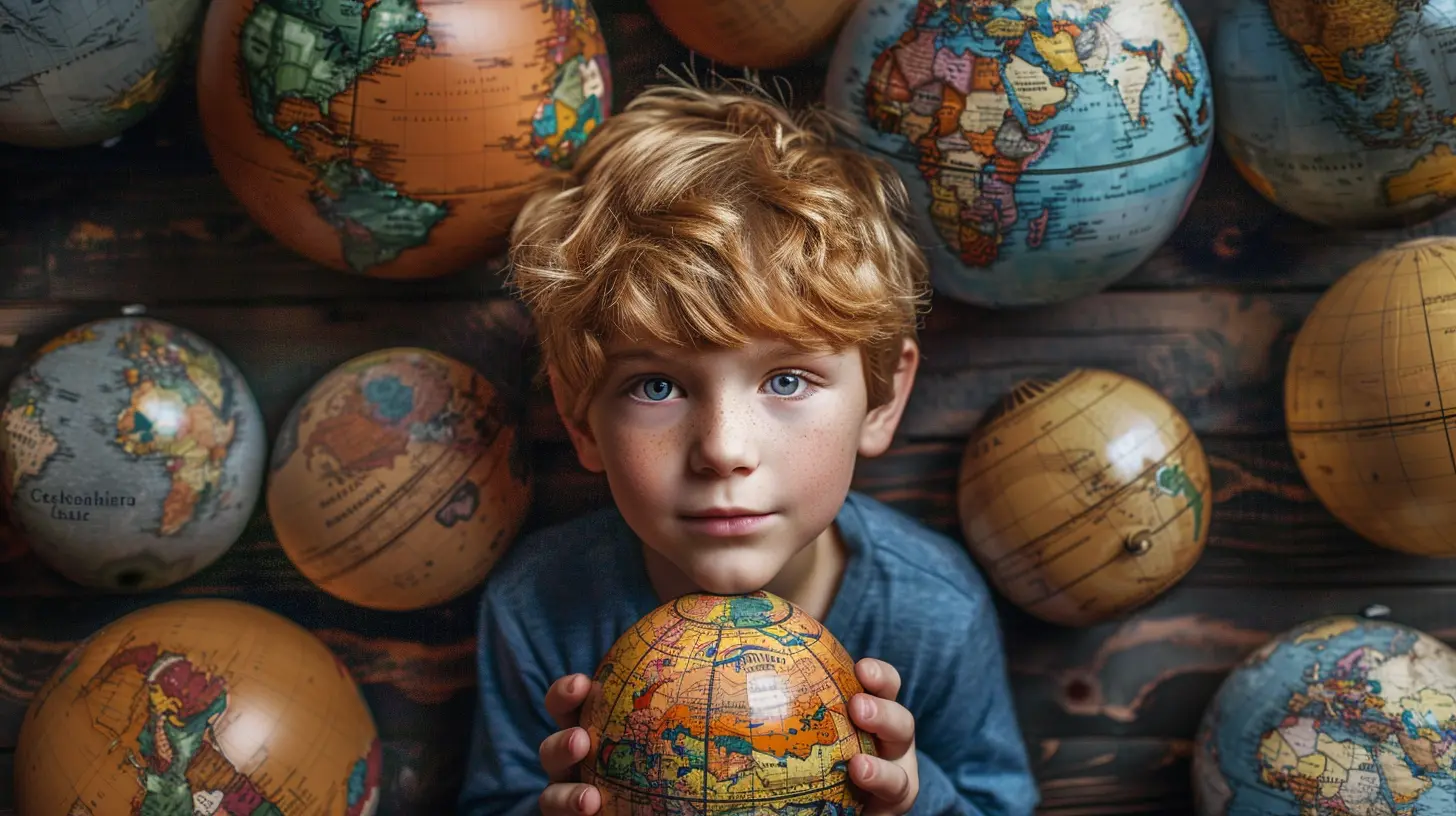
The Power of Exposure Through Extracurriculars
Ever heard the saying, “You don’t know what you don’t know”? That hits hard when you step into a new environment or culture for the first time. Suddenly, your entire worldview is challenged — in the best possible way.Here are just a few types of extracurricular activities that can help shape your global mindset:
1. Volunteer Work (Especially Across Borders)
Nothing broadens your perspective faster than service work. Whether you're helping refugees in your hometown, joining a Habitat for Humanity build abroad, or organizing a food drive for displaced communities, you’re directly interacting with people whose lives look very different from your own.Volunteering teaches empathy. You begin to understand the root causes of poverty, inequality, and migration. You get to see resilience up close. And if you volunteer internationally, bonus points! You’ll get immersed in another culture, maybe even pick up a new language, and realize just how alike — and different — humans can be.
2. International Student Exchanges
There’s no better way to get a global perspective than actually living in another part of the world. Exchange programs give you the ultimate cultural immersion. You eat the food, speak the language, attend school, and live like a local.It’s not always easy. Culture shock is real. But over time, you become more adaptable, more curious, and more balanced in how you view the world. You begin to appreciate both your home culture and the one you’re experiencing. That kind of understanding? Priceless.
3. Model United Nations (MUN)
Ah yes, the favorite of future diplomats and leaders. If you haven’t tried Model UN yet, it’s worth a shot. You represent different countries and debate real-world global issues — from climate change to human rights.What’s powerful about MUN is that you have to step into someone else’s shoes. You might be assigned a country you’ve never even heard of and suddenly you’re researching their political system, economic issues, and foreign policy stances. It’s a mental workout, and more importantly, it trains you to look at problems from multiple sides.
4. Language Clubs and Cultural Societies
Learning a new language does more than expand your vocabulary — it opens up new ways of thinking. Language clubs often pair students with native speakers, host cultural nights, and celebrate international holidays.Through this, you’re not just memorizing grammar rules; you’re appreciating art, music, food, traditions, and values from another society. You get a little taste of what life is like elsewhere — and that curiosity can snowball into a lifelong passion.
5. Sports Teams with International Opportunities
Believe it or not, sports can be a gateway to a global mindset. International tournaments, training camps abroad, or regional competitions often bring together athletes from diverse backgrounds. Through shared goals and teamwork, you connect without even needing to speak the same language.And let’s not forget — sports teach discipline, patience, and respect. When you’re on a team with people from different cultures, you learn to communicate, compete, and connect in new ways.
6. Online Collaborative Projects
Don’t have the budget to travel? No worries. In the digital age, you can still build a global network right from your bedroom. Join virtual clubs, enter international competitions, collaborate with classrooms overseas through platforms like ePals or PenPal Schools.From coding projects to art exhibitions to joint science experiments, working on something together with students across the globe shows how powerful collaboration can be — even at a distance.
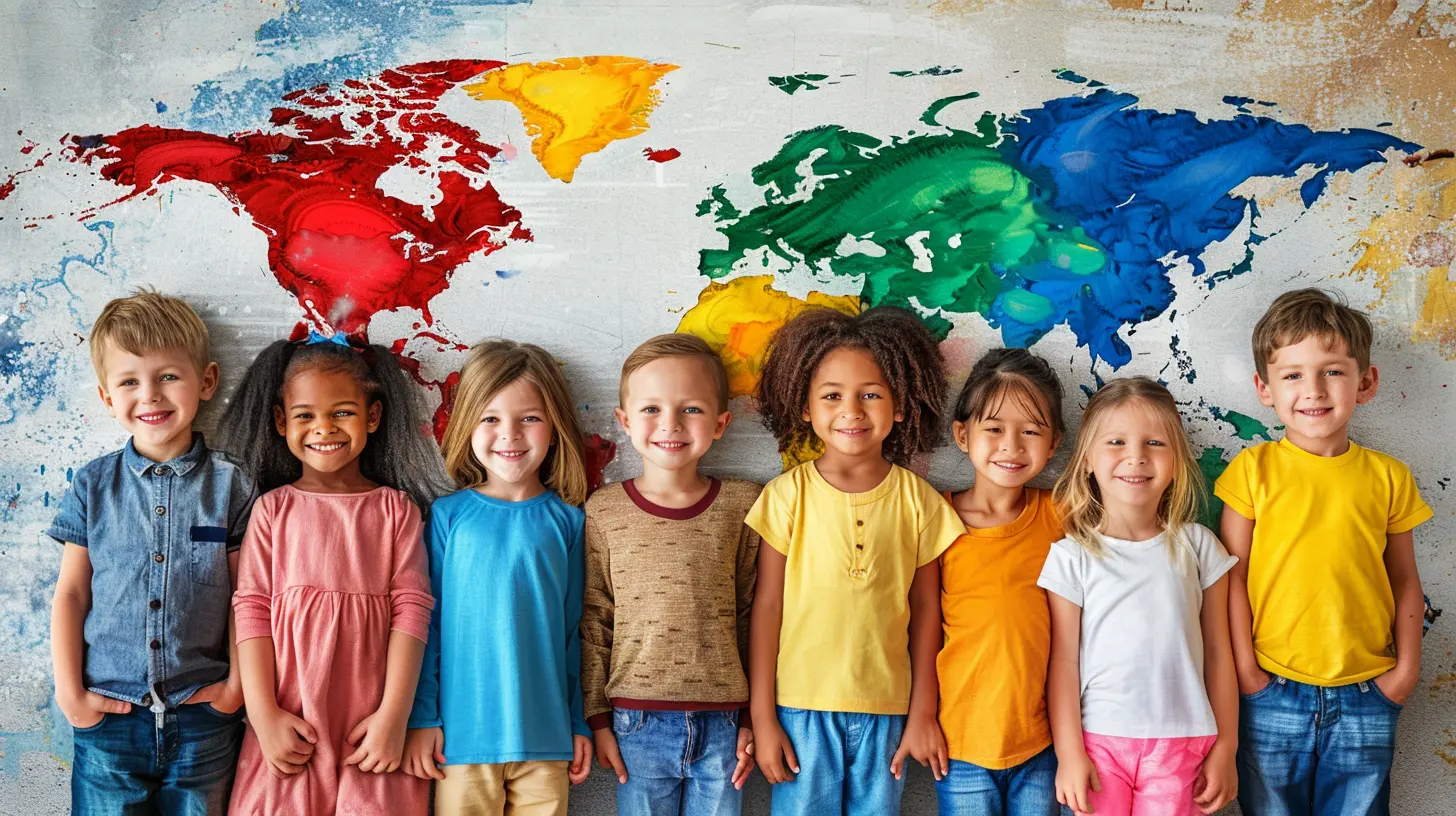
Real Growth Happens Outside the Comfort Zone
Let’s get real for a second. It’s easy to hang out with people who look like you, talk like you, and think like you. But growth? That happens when you challenge yourself. When you mess up trying to speak Spanish in front of a group. When you eat something you can’t even pronounce. When you listen, really listen, to someone sharing their story — and it’s totally different from yours.These aren’t just fun activities. They’re transformative experiences. They make you more patient, more resilient, and more appreciative of the world’s beautiful complexity.
Benefits That Go Beyond the Global View
While developing a global perspective is the star of the show here, let’s be real — extracurriculars give you way more than that. Here are some extra goodies you get along the way:- Leadership Skills – Organizing fundraisers, leading a club, or captaining a team builds your confidence and leadership chops.
- Problem-Solving Abilities – Navigating language barriers, cultural differences, and group dynamics teaches you how to think on your feet.
- Networking Opportunities – You meet people from all walks of life. Some may become lifelong friends, mentors, or collaborators.
- Empathy and Emotional Intelligence – You become more sensitive to others’ experiences, which helps in every area of life.
- Career Edge – Colleges and employers love students who think globally. It shows you’re mature, flexible, and socially aware.
How to Get Started (Even If You’re Starting Late)
Feeling motivated but not sure where to begin? Don’t worry. It’s never too late to start expanding your horizons.- Start Local: Get involved in community service projects, especially those focused on immigrant or refugee support.
- Look for Online Exchange Programs: Platforms like AFS Intercultural or CISV often have virtual options.
- Join Clubs That Interest You: Whether it's art, science, or sports — look for groups that work on international initiatives or collaborations.
- Follow Global News: Being aware of what’s happening around the world helps you find causes or cultures you care about.
- Be Curious: Ask questions, attend cultural events, and step outside your social circle. Curiosity is your best tool.
Parents and Educators: You’ve Got a Role Too
If you’re a parent, teacher, or counselor reading this — your role is vital. Encourage students to go beyond academics. Support their interests, whether it’s helping fundraise for a trip abroad or simply attending their cultural showcase.Schools should consider partnering with international organizations, developing exchange programs, or incorporating global learning into the curriculum.
Remember: we’re not just preparing students for college exams. We’re preparing them for the world.
Final Thoughts: The World is Your Classroom
Here’s the truth — we live in a global village. What happens in one part of the world affects everyone else. Trade, travel, climate, politics, health — it’s all interconnected. So shouldn’t our education reflect that?By participating in extracurricular activities that push your boundaries and connect you with people across the globe, you’re doing more than just killing time after school. You’re shaping your worldview. You’re building character. You’re becoming a citizen of the world.
So go on — join that club, sign up for that exchange, volunteer your time. The world is waiting, and trust me, it has a lot to teach you.
all images in this post were generated using AI tools
Category:
Extracurricular ActivitiesAuthor:

Eva Barker
Discussion
rate this article
2 comments
Erin Fisher
Extracurriculars: where worldviews expand and snacks happen!
March 1, 2026 at 8:56 PM
Eva Barker
Absolutely! Extracurriculars offer a great blend of learning and fun, making global perspectives more accessible and enjoyable.
Bella Good
Great read! Extracurricular activities truly open our minds to diverse cultures and ideas. Embrace every opportunity to learn and grow—your global perspective will shine brightly! Keep exploring!
February 19, 2026 at 5:36 AM
Eva Barker
Thank you for your kind words! I completely agree—extracurricular activities are a fantastic way to broaden our horizons and foster a deeper understanding of diverse cultures. Happy exploring!