Understanding Conflict Resolution Through a Social Studies Lens
17 March 2026
Conflict. It's that uncomfortable word we usually associate with stress, arguments, and sometimes even chaos. But what if I told you that conflict isn’t always a bad thing? And better yet—what if we could actually use it to grow, solve problems, and build stronger relationships? That’s where conflict resolution comes into play, especially when viewed through the lens of social studies.
In this post, we’re diving into the heart of how social studies helps us understand conflict, its roots, and how we can handle it wisely. So grab a mug of coffee (or tea!), get comfy, and let’s unpack how social studies can empower us to deal with conflicts—both big and small.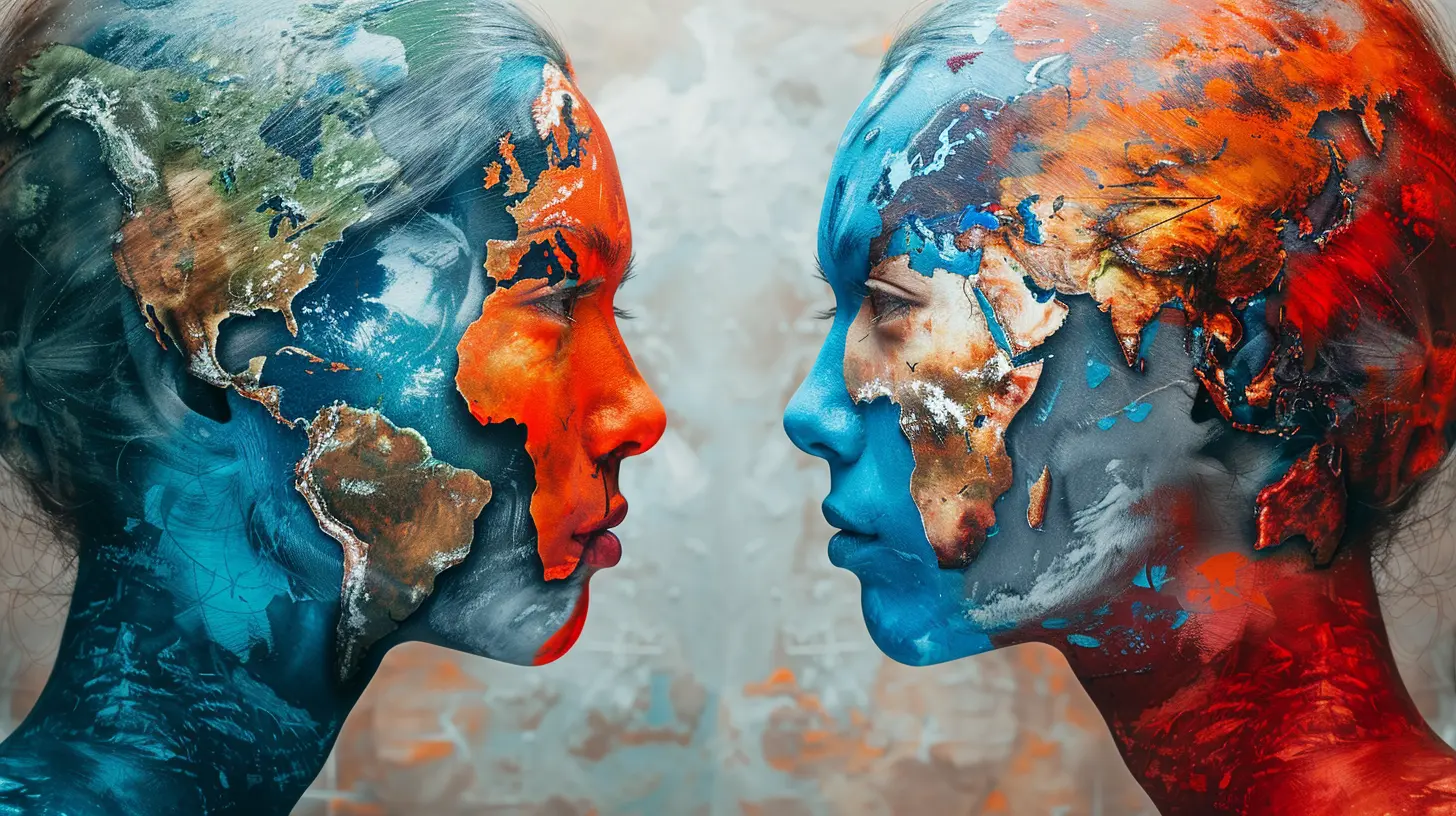
What Is Conflict Resolution Anyway?
Before we go further, let’s clear up what we mean by “conflict resolution.” At its core, conflict resolution is the process of finding peaceful solutions to disagreements. These could be between individuals, groups, or even nations.Think of it like this: imagine two kids fighting over the last piece of cake. Conflict resolution is like stepping in with a calm voice to help both kids work out a fair solution—whether that’s sharing the slice or flipping a coin. The idea is to handle the disagreement without turning it into a full-blown food fight.
Sounds simple, right? But in real life, especially when emotions run high or stakes are big, it's not always easy. That’s where social studies can really shine.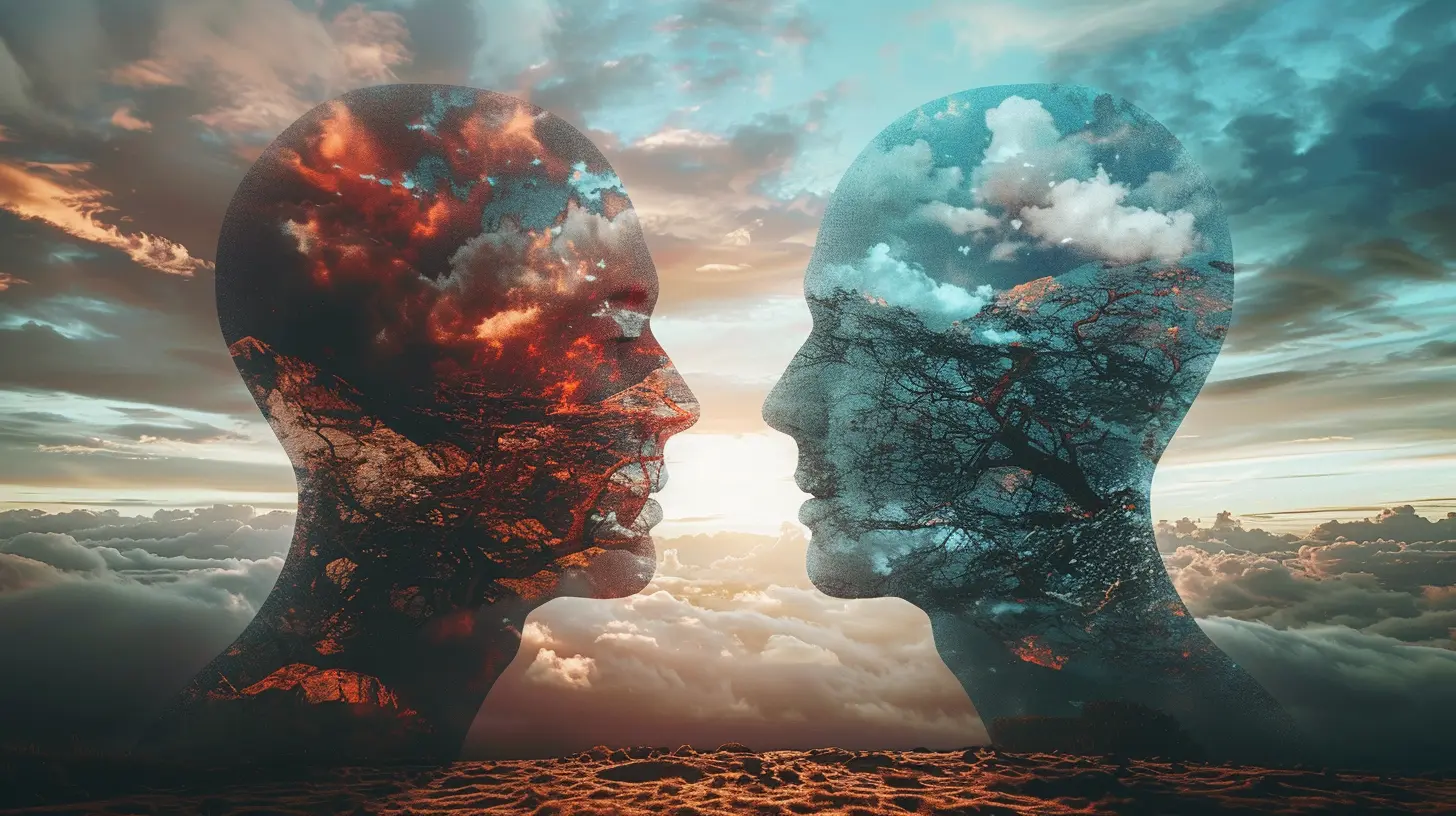
Why Social Studies Matters in Understanding Conflict
Social studies isn’t just about memorizing dates or reading about historical battles. It’s about understanding human behavior, examining how societies work, and learning from past conflicts. It teaches us the “why” behind the “what.”Picture social studies as the compass that helps us navigate the messy, complex world of human relationships. Through history, geography, economics, and civics, it gives us context—a powerful tool for resolving conflicts in meaningful ways.
Let’s break this down a bit.
Historical Conflicts and Lessons Learned
History is probably the most obvious place to look when we talk about conflict. Wars, revolutions, civil rights movements—all are examples of large-scale conflicts.Take the Civil Rights Movement, for instance. It wasn’t just about protests and speeches; it was a monumental conflict between deeply rooted systems of segregation and those fighting for equality. But what we often overlook is the strategic use of nonviolence. Leaders like Dr. Martin Luther King Jr. showed us how resolution could be achieved through peaceful resistance.
When we study these events, we don’t just learn what happened—we understand why it happened, and more importantly, how it was (or wasn’t) resolved. That knowledge helps us recognize patterns that still exist today.
Civics: Understanding Systems and Rights
Civics teaches us how governments work, what laws protect us, and what responsibilities we have as citizens. When people understand their rights and how to advocate for themselves or others within legal systems, they’re better equipped to handle conflict constructively.Let’s say a group of students wants to change their school’s dress code. They could just break the rules and face punishment—or they could write a petition, meet with school leaders, and advocate for change through dialogue and compromise. That’s conflict resolution in action, powered by civics.
Geography: The Role of Place in Conflict
Believe it or not, geography plays a huge role in conflict. Why? Because where people live affects their resources, culture, and even access to power.Think about territorial disputes between countries or communities fighting over access to clean water. These aren’t just random disagreements—they’re deeply rooted in geographical realities.
By looking at maps, understanding regional resources, or exploring cultural borders, social studies helps us see the full picture. Once we understand the "where," we can start to unravel the "why"—and eventually get to the "how" of resolution.
Economics and Conflict: Follow the Money
Money talks. A lot of conflicts, whether personal or political, have economic roots.Ever fought with someone over splitting a bill? That’s economics on a micro level. On a larger scale, look at global trade disputes or income inequality. Economics helps explain why people feel threatened, why resources are hoarded, and how competition can fuel tension.
More importantly, it also shows us how financial collaboration—like fair trade or community investment—can lead to peaceful cooperation instead of conflict.
Building Empathy Through Cultural Awareness
One of the coolest things social studies does is expose us to different cultures. When we understand where someone else is coming from—what they value, what traditions they follow, how they see the world—it becomes way harder to stereotype or dehumanize them.Think of it this way: if you’ve ever had a misunderstanding with a friend from a different background, you know how easy it is to misread intentions. But once you ask questions and really listen, it’s like putting on their glasses and seeing the world through their eyes. That’s empathy, and it’s key to conflict resolution.
Conflict Resolution Strategies We Can Learn from Social Studies
Learning about conflict is one thing. Solving it? That’s the magic.Here are some practical strategies that social studies helps us develop:
1. Active Listening
Believe it or not, most people just want to be heard. When we really listen—not just wait to talk—we build trust. History is full of missed opportunities because people failed to listen. Let’s not repeat that.2. Negotiation and Compromise
Ever heard of the phrase “meet in the middle”? Compromise is the sweet spot between two extremes. Social studies shows us that even in highly charged situations, finding common ground is often possible—and powerful.3. Mediation and Facilitation
Sometimes, conflicts need a neutral third party to help sort things out. Social studies teaches us about diplomacy—how ambassadors, mediators, and even everyday people can help others see eye-to-eye.4. Critical Thinking
Don’t just react—analyze. Ask questions. Look at the big picture. Social studies trains us to think deeper, evaluate multiple perspectives, and spot bias. All of this makes for smarter, more thoughtful problem-solving.5. Emotional Intelligence
Conflict often stirs up emotions—anger, fear, frustration. By understanding human behavior (thanks, psychology and sociology), we learn how to manage our own feelings and respond to others with compassion rather than defensiveness.Real-World Applications: How This Affects Our Everyday Lives
Alright, so this is sounding good in theory. But how does it actually show up in real life?Let’s look at a few examples:
- In Schools: Peer mediators help resolve student disputes without punishment. Teachers use historical examples to teach moral reasoning and ethics.
- In Communities: Town hall meetings allow residents to voice concerns and work together for change—democracy in action!
- In the Workplace: Understanding coworkers’ cultural backgrounds can prevent misunderstandings and build inclusive environments.
- Globally: Peace treaties, international aid, and cross-cultural exchange programs all stem from lessons we learn in social studies.
How Educators Can Teach Conflict Resolution
Teachers play a massive role here. They’re not just delivering content—they're shaping worldviews.Here’s how educators can weave conflict resolution into their classrooms:
- Use historical case studies to analyze different outcomes of conflict.
- Encourage debates where students argue respectfully from different perspectives.
- Assign group projects that require collaboration and compromise.
- Discuss current events and promote critical thinking about solutions.
- Introduce role-play scenarios to practice handling disagreements.
The goal? To turn students into empathetic, thoughtful citizens who don’t shy away from conflict—but know how to handle it with grace.
Bringing It All Together
Conflict is everywhere—in our homes, schools, workplaces, and across the globe. But it’s not something to fear. When we understand it through the social studies lens, it becomes less of a threat and more of an opportunity to grow.By learning from the past, appreciating different points of view, and developing emotional and intellectual tools, we empower ourselves and others to resolve conflicts peacefully and effectively.
So next time you find yourself in a conflict, big or small, take a step back and ask: What’s really going on here? What’s the history behind this? What would a good resolution look like?
You might be surprised what insights you gain when you put on those social studies glasses.
Final Thoughts
We live in a world that’s more connected—and complex—than ever. Understanding conflict and learning how to resolve it isn’t just nice to have; it’s absolutely essential. And thankfully, social studies gives us the blueprint.So let’s keep asking questions, listening closely, and building bridges instead of walls. Because the more we understand each other, the better we’ll be at solving the conflicts that come our way.
all images in this post were generated using AI tools
Category:
Social StudiesAuthor:

Eva Barker
Discussion
rate this article
2 comments
Zephyrae Bishop
Conflict resolution is a crucial skill for fostering understanding and collaboration in our diverse world. By exploring social studies, we can empower future generations to navigate disagreements with empathy and insight. Let's equip our students with the tools to turn conflict into opportunity for growth and unity!
March 22, 2026 at 5:51 AM
Eva Barker
Thank you for your insightful comment! I completely agree—conflict resolution is essential for nurturing empathy and collaboration in our diverse society. Equipping students with these skills through social studies is key to fostering a more understanding and united future.
Kieran McMichael
Exploring conflict resolution through social studies enriches students' empathy and critical thinking, fostering a deeper understanding of diverse perspectives.
March 20, 2026 at 4:20 AM
Eva Barker
Thank you for your insightful comment! I completely agree that exploring conflict resolution through social studies enhances empathy and critical thinking, essential skills for understanding diverse perspectives.