The Role of Non-Governmental Organizations in Global Education
7 June 2026
Education is the foundation of progress, the key that unlocks opportunity, and the most powerful tool for breaking the cycle of poverty. But despite its undeniable importance, millions of children around the world remain out of school or lack access to quality education. This is where Non-Governmental Organizations (NGOs) step in—bridging the gap where governments and traditional institutions fall short.
So, what exactly do NGOs do for global education, and why are they so crucial? Let’s dive in!
Understanding NGOs in Education
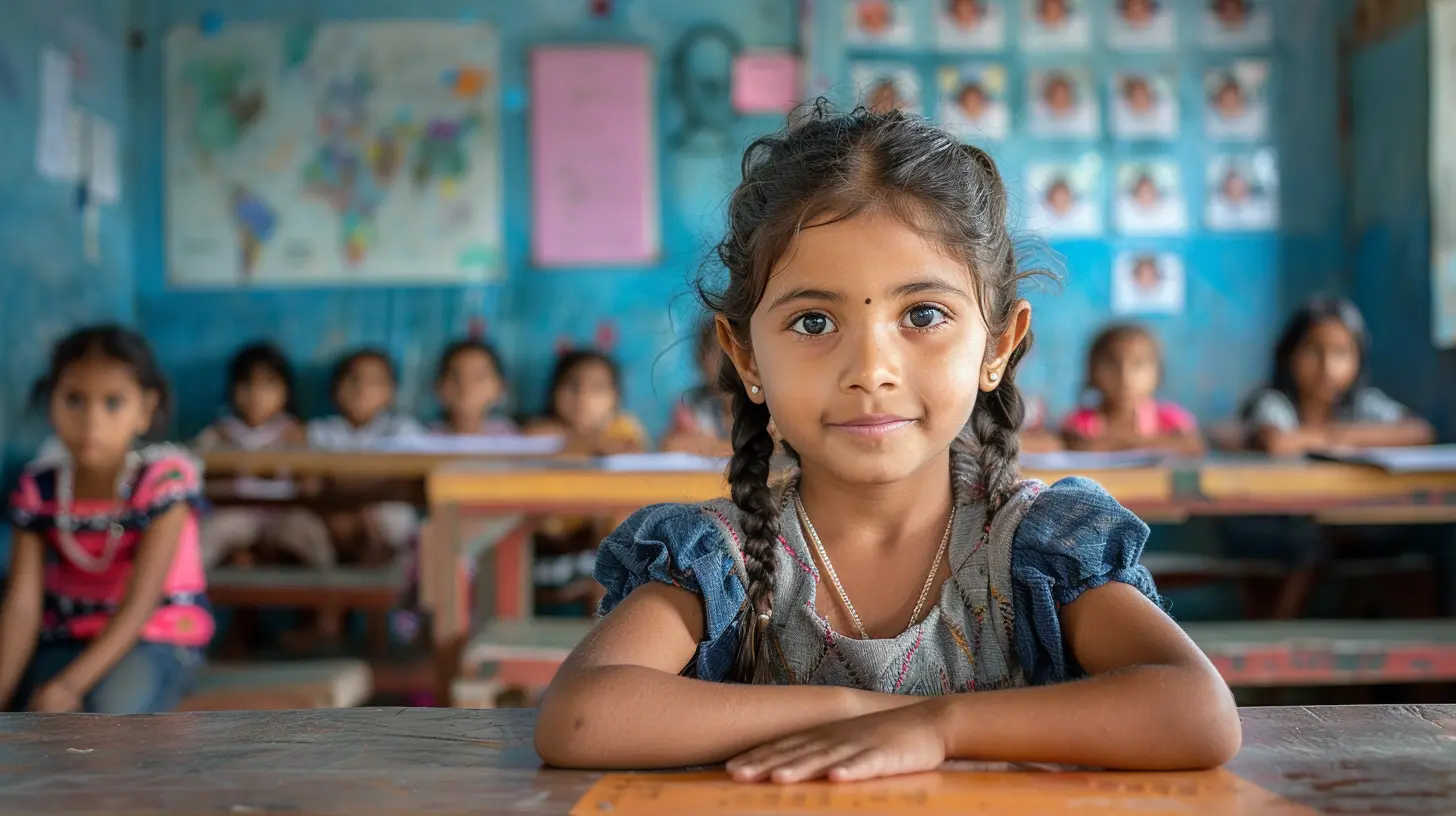
NGOs are independent organizations that operate without government control, often dedicated to social causes like education, healthcare, and human rights. In the education sector, NGOs work relentlessly to ensure children and adults alike receive equitable learning opportunities.These organizations bring fresh ideas, innovative solutions, and direct intervention—especially in regions where government educational systems are weak or non-existent. They tackle challenges such as lack of schools, teacher shortages, outdated curricula, and gender inequality in education.
But their role goes beyond just providing resources. NGOs advocate for policy changes, train educators, foster digital learning, and help communities understand the value of education. 
Why NGOs Matter in Global Education
1. Bridging the Education Gap
Many countries, particularly in developing regions, struggle with education accessibility. Whether it's due to poverty, conflict, or discrimination, millions of children miss out on schooling. NGOs step in to fill this gap by:- Building schools in underserved communities
- Providing scholarships and learning materials
- Creating informal education programs for marginalized groups
These efforts ensure that education reaches those who need it most. Without NGOs, many children would never see the inside of a classroom.
2. Empowering Girls Through Education
In many parts of the world, girls face barriers to education—forced marriages, domestic responsibilities, or cultural restrictions. NGOs advocate for girls’ education by:- Running awareness campaigns to shift societal perceptions
- Providing financial support to families to keep girls in school
- Establishing safe learning environments for young women
Organizations like Malala Fund and CARE International have successfully pushed for policy changes, proving that when girls go to school, entire communities benefit.
3. Teacher Training and Capacity Building
Education isn't just about having schools; it's about having qualified teachers. Unfortunately, teacher shortages are a major challenge in many regions. NGOs help by:- Offering professional training programs
- Developing modern teaching methodologies
- Bringing in volunteer educators
By improving teacher quality, NGOs ensure that students get the best possible learning experience.
4. Introducing Innovative Learning Methods
Traditional education systems often struggle to keep up with modern advancements. NGOs introduce creative approaches to make learning more effective, such as:- E-learning and digital classrooms – Organizations like Khan Academy and Pratham offer online courses, bringing education to remote regions.
- Non-traditional learning spaces – Some NGOs use mobile classrooms, radio programs, and community centers to teach children who can't attend formal schools.
- Skill-based education – NGOs also focus on vocational training, helping students gain practical skills to improve employability.
With these innovations, education becomes more accessible and engaging.
5. Providing Emergency Education During Crises
War, natural disasters, and displacement due to conflict disrupt millions of children’s education each year. NGOs act as first responders, ensuring learning doesn’t stop in crisis situations.Organizations like UNICEF and Save the Children set up temporary schools in refugee camps, provide psychological support to children affected by trauma, and supply emergency learning kits.
For children in crisis, education offers more than knowledge—it provides stability, hope, and a sense of normalcy.
6. Fighting Against Child Labor and Education Barriers
Many children are forced to work instead of going to school, especially in impoverished regions. NGOs battle child labor by:- Rescuing children from exploitative work environments
- Establishing alternative learning programs for working children
- Partnering with governments to enforce child labor laws
By tackling these issues, NGOs help children regain their right to education and a brighter future. 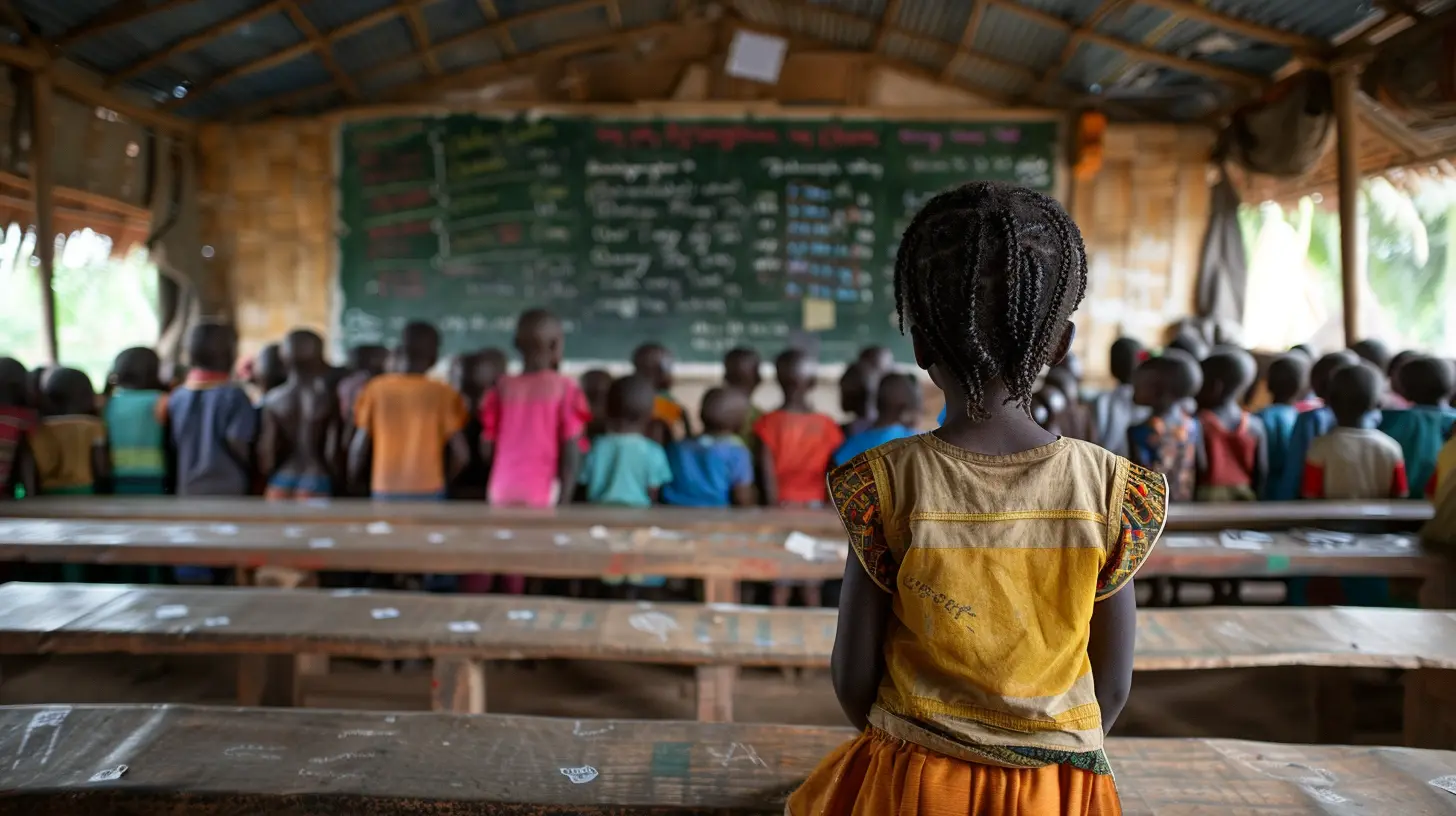
Challenges Faced by NGOs in Education
Despite their incredible contributions, NGOs also face obstacles. Some of these include:- Funding shortages – Many NGOs rely on donations and grants, which can be unpredictable.
- Political interference – In some countries, government policies restrict NGO activities.
- Community resistance – Cultural norms and misconceptions can slow down progress.
- Sustainability issues – Some initiatives fail when funding ends or leadership changes.
To overcome these challenges, NGOs continuously adapt, collaborate with local communities, and seek sustainable solutions for lasting impact. 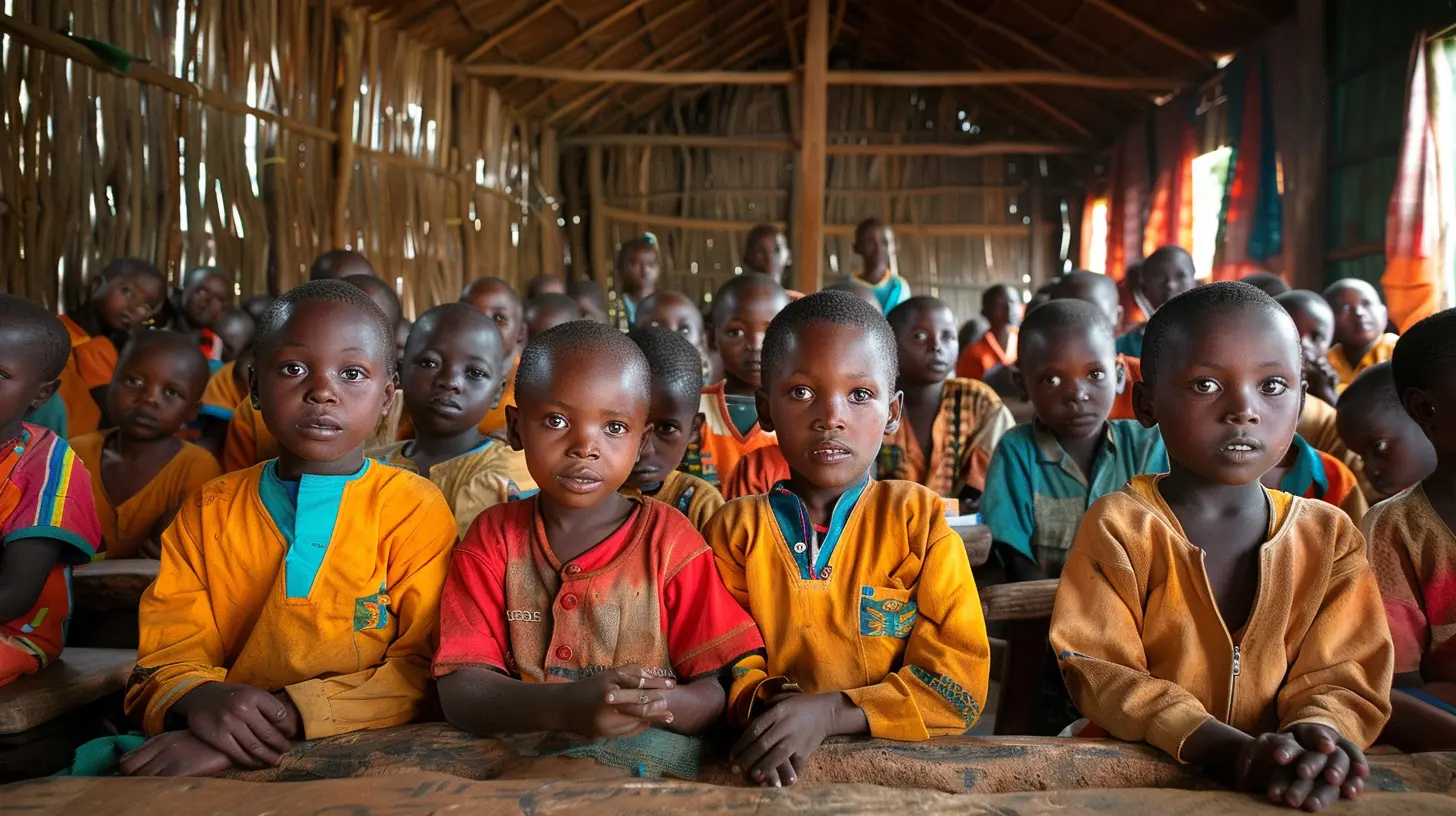
Success Stories: NGOs Making a Difference
Room to Read: Spreading Literacy Globally
Room to Read focuses on literacy and gender equality in education. They have helped millions of children access books, build a strong reading culture, and improve their learning outcomes.Teach for All: Training Future Educators
This global network trains young professionals to become educators, sending them to low-income schools worldwide. Their impact has reshaped the teaching landscape in many regions.BRAC: Revolutionizing Community-Based Learning
BRAC, one of the largest NGOs, provides non-formal schooling to children in rural areas, ensuring that education reaches even the hardest-to-access communities.These are just a few examples of NGOs changing lives through education. Their efforts prove that with the right support, every child can have a chance to learn.
The Future of NGOs in Global Education
So, where do we go from here?Technology, policy advocacy, and increased global cooperation will shape the future of NGOs in education. With artificial intelligence, virtual reality, and other digital advancements, learning will become even more accessible. Meanwhile, continued efforts in policy reform and funding will determine how effectively NGOs can continue their mission.
But one thing is clear—without NGOs, millions of children would remain trapped in cycles of poverty and illiteracy. Their work is not just beneficial; it is essential.
Final Thoughts
Education is a basic human right, yet for many, it remains out of reach. NGOs play a critical role in ensuring that every child, regardless of their background, gets a fair shot at learning.Through their relentless efforts, they are shaping a world where education is not a privilege but a given. While challenges persist, it is through continued support and collaboration that meaningful change happens.
So, the next time you hear about an NGO working to improve education, know that they are shaping the future—one student at a time.
all images in this post were generated using AI tools
Category:
Global EducationAuthor:

Eva Barker
Discussion
rate this article
1 comments
Liv Bailey
This article sheds light on a vital aspect of global education. It's intriguing to consider how NGOs bridge gaps in access and quality, fostering innovation and collaboration. I'm curious about the specific strategies they employ to make a real impact.
June 18, 2026 at 10:49 AM
Eva Barker
I'm glad you found the article insightful. NGOs use various strategies like community partnerships, innovative teaching methods, and localized resources to effectively address educational gaps. It's a dynamic approach that fosters real change.