The Role of Multiculturalism in Global Education
30 May 2026
Over the last few decades, the world has become an incredibly interconnected village. Borders feel smaller. Cultures crisscross faster than ever. And education? Well, it’s no longer just about arithmetic and grammar. It's about understanding, adapting, and connecting with people who see the world through different lenses. That's where multiculturalism steps in.
Let’s talk about the role of multiculturalism in global education—what it means, why it matters, and how it's shaping the future of learning across the globe.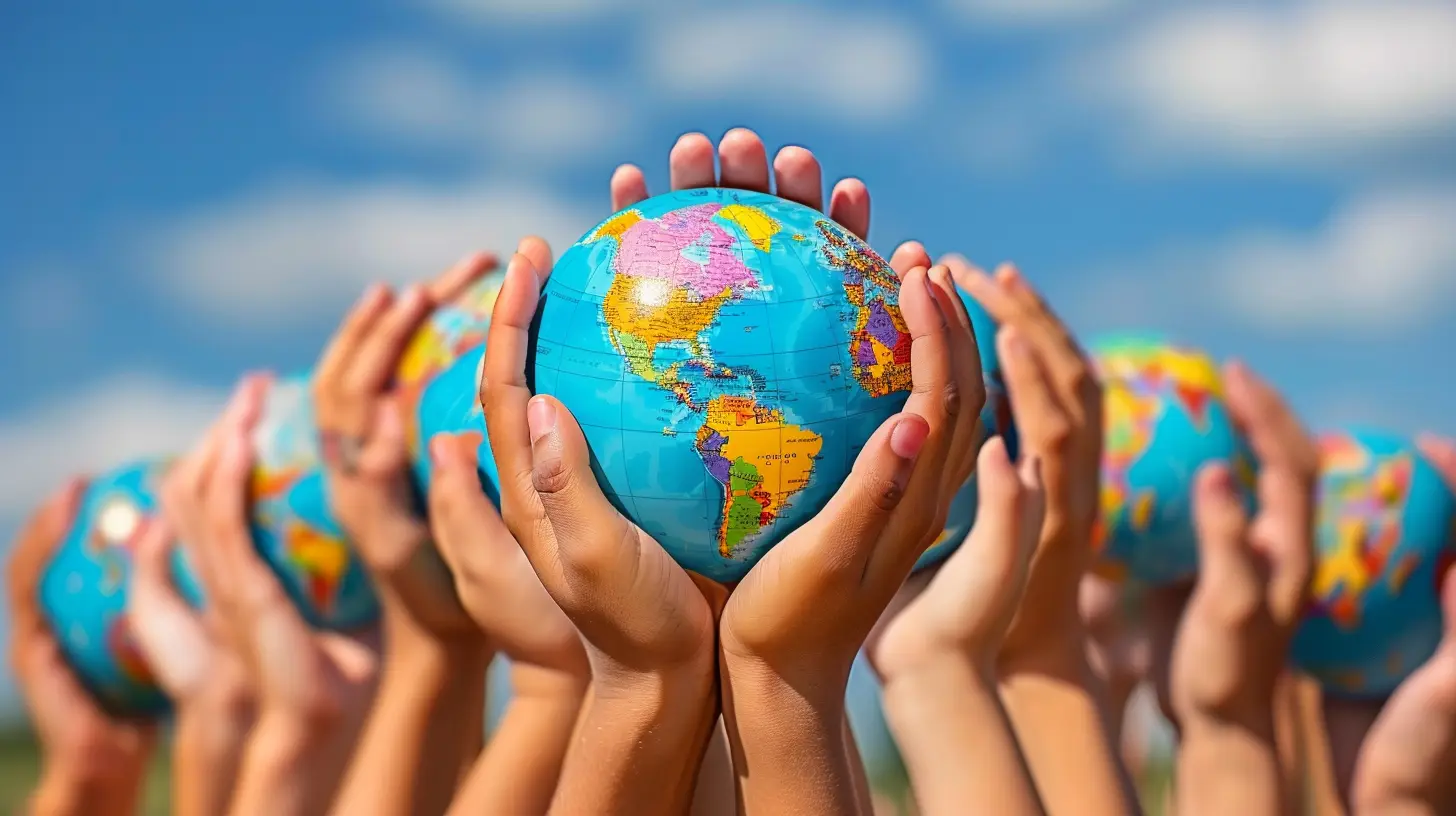
What Is Multiculturalism in Education Anyway?
Multiculturalism isn't just a buzzword for diversity. It’s a philosophy, a lifestyle, and, yes, a huge asset in global education. In simple terms, multiculturalism in education means creating learning spaces where multiple cultures are represented, respected, and celebrated.It's not about “tolerating” differences. It's about embracing them.
Now, imagine a classroom where students from five different continents learn side-by-side, sharing their stories, languages, and customs. That’s the power of multiculturalism at play—creating a vibrant learning environment that mirrors the real world.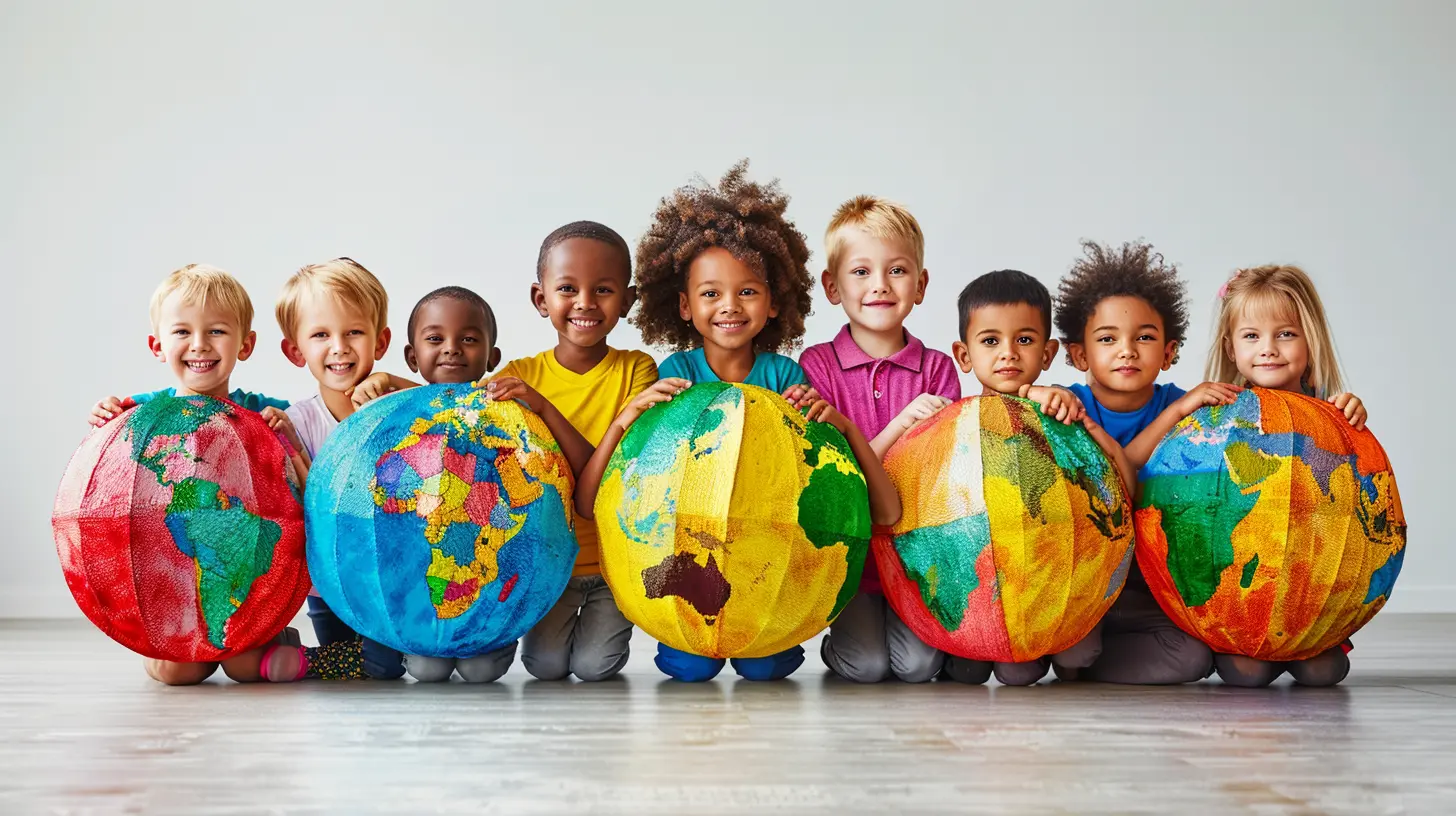
Why Multiculturalism Matters Now More Than Ever
So, why all the fuss about multicultural education? Can’t we just stick to the curriculum?Well, here's the thing: we no longer live in isolated silos. Students today are more likely than ever to work, study, or live alongside people from different backgrounds. If education doesn’t reflect that reality, it’s failing a pretty big test.
Let’s break it down:
- ? Globalization is booming – Jobs, friendships, and collaborations are increasingly global.
- ? Cognitive flexibility is key – Understanding different perspectives boosts creativity and critical thinking.
- ❤️ Empathy is essential – When students learn about other cultures, they become more empathetic and socially aware.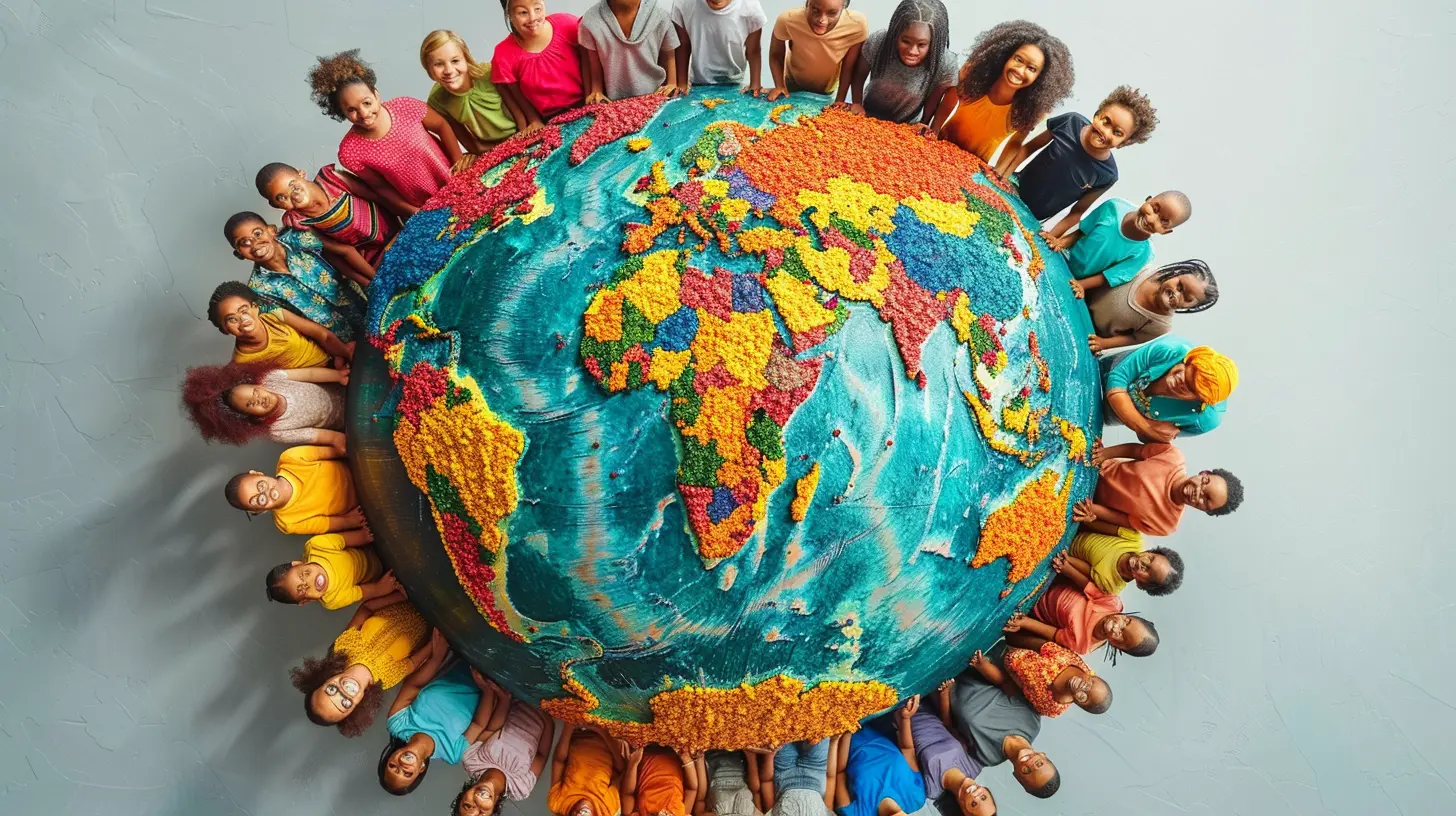
Breaking Down the Benefits of Multicultural Education
1. Builds Cultural Awareness and Sensitivity
You know what makes someone really stand out in a global setting? Cultural awareness.Multicultural education exposes students to different customs, traditions, languages, and belief systems. When students begin to respect other worldviews, misunderstandings reduce, and communication flows better.
It’s like learning a new language—you start to understand more than just words; you get the emotion behind them.
2. Encourages Open-Mindedness and Critical Thinking
When students only hear one narrative, they tend to accept it as “the truth.” But when they’re exposed to multiple perspectives, the magic begins. They start to ask questions like:- What makes this belief different from mine?
- Is there more than one way to solve this problem?
- Who benefits from this version of history?
See where this is going? Multiculturalism opens up the mind like a parachute—it works best when it’s open.
3. Prepares Students for Global Careers
Let’s face it, employers today want candidates who aren’t just smart—they want people who can work in diverse teams, who understand international markets, and who connect with clients across cultures.Multicultural learning gives students that edge. It’s like giving them a passport to cross-cultural communication, adaptability, and leadership.
4. Boosts Student Engagement and Inclusion
When students see their cultures represented in school materials, discussions, and activities, guess what happens? They feel seen. They feel heard. And they’re more likely to engage in learning.Multiculturalism doesn’t just benefit “minority” students either—it enriches learning for everyone. New perspectives bring energy into the classroom.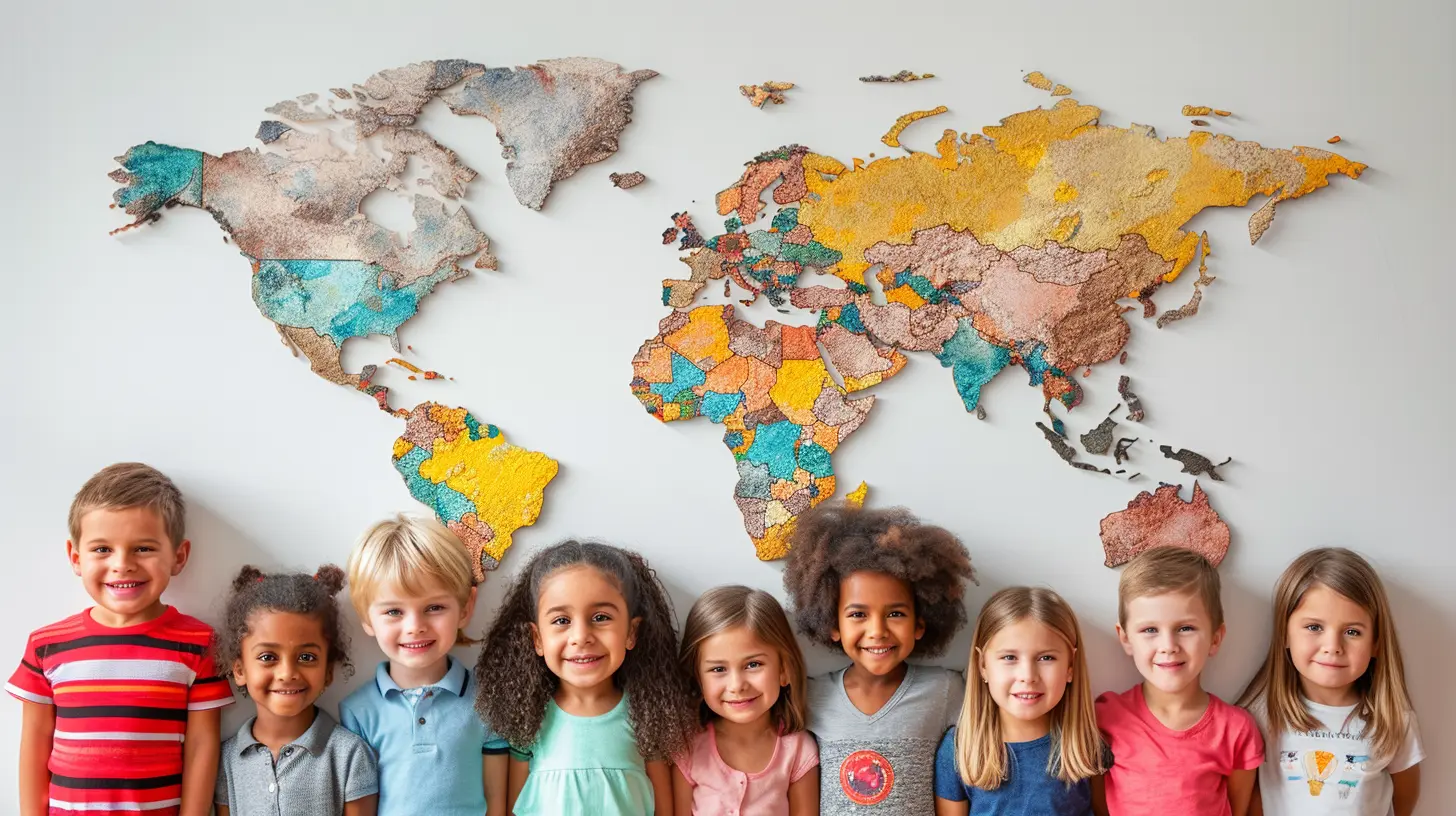
Challenges in Implementing Multicultural Education
Alright, let’s not sugarcoat it. Integrating multiculturalism in education isn’t always a walk in the park.So, what’s in the way?
1. Resistance to Change
Some schools and educators stick to the “we’ve always done it this way” mindset. It’s comfortable, sure—but growth doesn’t come from comfort zones, right?2. Lack of Teacher Training
If educators aren’t trained to handle cultural nuances, they might unintentionally perpetuate biases or stereotypes. Professional development is key here.3. Limited Resources
Not all schools have access to culturally diverse materials or multilingual resources. Without these tools, even the best intentions fall flat.The good news? These barriers can be knocked down—with policy changes, proper funding, and community involvement.
Strategies to Promote Multiculturalism in Schools
So, what can we do to make multicultural education not just a theory, but a living, breathing reality?1. Curriculum Integration
Instead of focusing only on Western history or literature, why not include African epics, Indigenous science, or Asian philosophies? This broadens perspectives and fosters appreciation for the richness of global cultures.2. Celebrate Cultural Events
Hosting multicultural days or international potlucks can be fun and eye-opening. Food, music, and dance are powerful tools for connection.3. Encourage Multilingualism
Languages are cultural powerhouses. Promoting bilingual education or offering language classes can help students relate to languages and cultures beyond their own.4. Diverse Teaching Staff
Representation matters. A diverse teaching body sends a strong message: all backgrounds are valued.5. Student-Led Inclusion Projects
Let students take the lead! Cultural clubs, inclusion committees, or peer-mentoring programs empower students to be inclusivity champions.Multiculturalism in Higher Education: A Bigger, Bolder Impact
Let’s zoom out for a sec and look at universities.Colleges are global hubs. Students from different countries, economic backgrounds, orientations, and ideologies come together on one campus. That's fertile ground for multicultural education.
Here’s how universities are doing it well:
- Offering study abroad programs
- Creating international student unions
- Adding diverse voices to faculty
- Hosting global forums and lectures
When higher education embraces multiculturalism, it doesn't just create better students—it produces more thoughtful global citizens.
The Role of Technology in Enhancing Multicultural Learning
Can tech and multiculturalism work hand-in-hand? Absolutely.Think about it: online platforms now allow students to connect with peers worldwide. Virtual exchange programs, online classes, and multicultural discussion boards can bridge physical distances and foster meaningful interaction.
With translation tools, access to international journals, and AI-led cultural simulations, the limits keep getting pushed.
In a way, tech is like the glue binding multicultural education into a seamless global experience.
Teaching Empathy – The Heart of Multiculturalism
Let’s strip this down to the core—why does multiculturalism even matter?It teaches empathy.
When students understand the struggles, celebrations, and lives of people unlike themselves, they begin to care. And in a world battling division, ignorance, and fear, empathy is a superpower.
Multicultural education plants the seed of empathy early on. It teaches future leaders to listen, not just to reply, but to understand.
And trust me, that makes all the difference.
The Future Is Multicultural
Here’s the truth: the future of education isn’t monocultural or one-size-fits-all. It’s diverse, inclusive, and globally informed.Countries that embrace multiculturalism in their education systems are investing in peace, innovation, and progress. They’re preparing students not just for jobs—but for life.
If we want students to thrive in a fast-changing, interconnected world, then multiculturalism isn’t optional. It’s essential.
Final Thoughts
So, where do we go from here?Whether you’re a teacher, student, parent, or policymaker, embracing multiculturalism starts with one simple step: openness. Be open to hearing, seeing, and feeling the world through someone else's eyes.
Because at the end of the day, education isn’t just about teaching facts—it’s about shaping minds. And nothing shapes the mind like understanding the beautiful, colorful patchwork of humanity that surrounds us.
Let’s make sure every classroom reflects that.
all images in this post were generated using AI tools
Category:
Global EducationAuthor:

Eva Barker
Discussion
rate this article
1 comments
Fay McElhinney
Multiculturalism in global education enriches perspectives and fosters empathy among students. By integrating diverse cultural narratives, educators prepare learners for a connected world. This approach not only enhances critical thinking but also promotes collaboration, allowing students to appreciate differences and work together towards common goals... a vital skill in today's society.
May 30, 2026 at 5:04 AM
Eva Barker
I completely agree. Embracing diverse cultural narratives is essential for developing empathy and collaboration skills among students, and it truly prepares them for our interconnected world.