"The Role of Emotional Intelligence in Collaborative Learning Projects
11 August 2026
Collaboration is at the heart of education. Whether it's group projects, brainstorming sessions, or team assignments, students are constantly working together. But have you ever wondered why some groups thrive while others struggle? It often comes down to one crucial factor—emotional intelligence (EI).
Emotional intelligence is what helps students navigate group dynamics, communicate effectively, and resolve conflicts. In this article, we'll dive deep into the role of emotional intelligence in collaborative learning projects and how it can make or break a team’s success.
What is Emotional Intelligence?
Before we explore its impact on group work, let’s break down what emotional intelligence actually means. Coined by psychologist Daniel Goleman, EI refers to the ability to recognize, understand, and manage both your own emotions and the emotions of others.It’s divided into five key components:
1. Self-awareness – Recognizing your own emotions and how they affect your behavior.
2. Self-regulation – Managing emotions in a healthy way instead of reacting impulsively.
3. Motivation – Having the drive to achieve goals despite obstacles.
4. Empathy – Understanding the emotions of others and responding appropriately.
5. Social skills – Building healthy relationships and effectively communicating with others.
Now, let’s see why emotional intelligence is so important in collaborative learning projects. 
Why Emotional Intelligence Matters in Group Work
Working in a team isn’t just about dividing tasks and completing them. It’s about how well individuals connect, communicate, and cooperate. Emotional intelligence plays a key role in ensuring that group work is smooth and productive.1. Enhances Communication
Group projects rely heavily on communication. Without clear and respectful interaction, teams can fall apart quickly. Emotional intelligence improves communication by:✅ Encouraging active listening
✅ Helping students express their thoughts clearly
✅ Reducing misunderstandings that lead to frustration
For example, imagine a team member is frustrated because their ideas are ignored. A student with high emotional intelligence would notice this and take the initiative to include them in the conversation.
2. Strengthens Teamwork and Collaboration
Great teamwork isn’t just about completing a task together—it’s about supporting each other. Emotional intelligence makes collaboration easier by:✅ Encouraging patience and understanding
✅ Boosting morale and motivation
✅ Reducing conflicts and ego clashes
Teams filled with emotionally intelligent members work together seamlessly because they value each other’s contributions rather than competing for dominance.
3. Reduces Conflicts and Resolves Disputes
Conflicts are inevitable in group projects. Different opinions, work ethics, and approaches can lead to clashes. But here’s where emotional intelligence becomes a game-changer.✅ Self-aware individuals manage their frustrations better.
✅ Empathetic teammates understand different perspectives.
✅ Good social skills promote compromise rather than arguments.
Instead of letting disagreements derail a project, emotionally intelligent students address conflicts calmly and find solutions rather than pointing fingers.
4. Boosts Motivation and Productivity
Ever been in a team where some members are highly motivated while others couldn’t care less? Emotional intelligence helps balance this out.✅ Self-motivated individuals inspire others to stay on track.
✅ Teams with positive emotional energy are more productive.
✅ Emotional awareness helps in recognizing burnout and supporting team members.
When students uplift each other emotionally, they create an energetic and productive environment where work gets done efficiently. 
How to Develop Emotional Intelligence for Better Group Work
The good news? Emotional intelligence isn’t just something you’re born with—it’s a skill that can be developed over time. Here’s how students can boost their EI and improve their group work experience.1. Practice Self-Awareness
Start by recognizing your own emotions. Ask yourself:✅ What triggers frustration in group work?
✅ How do my emotions affect my communication?
✅ How can I react in a way that benefits the team?
Journaling or simply pausing to reflect on emotions can increase self-awareness over time.
2. Improve Active Listening
Listening isn’t just about hearing words—it’s about understanding the emotions behind them. To be a better listener:✅ Make eye contact and give full attention.
✅ Avoid interrupting or formulating responses while the speaker is talking.
✅ Ask questions to clarify understanding.
Teams that listen to each other’s perspectives work more harmoniously.
3. Build Empathy
Want to improve group dynamics? Put yourself in your teammate’s shoes.✅ Acknowledge everyone’s contributions.
✅ Offer support when someone struggles.
✅ Recognize different communication styles.
When empathy leads the way, collaboration becomes smoother and more enjoyable.
4. Manage Stress and Emotions
Deadlines, workload, and pressure can create stress in group projects. Developing self-regulation skills helps in:✅ Managing frustration constructively.
✅ Avoiding emotional outbursts during disagreements.
✅ Staying calm under pressure.
A calm and collected team member strengthens the entire group dynamic.
5. Foster a Positive Team Culture
A healthy team environment increases motivation and creativity. Encourage:✅ Open communication
✅ Appreciation of efforts
✅ Encouragement instead of criticism
A little emotional support can go a long way in making group projects enjoyable. 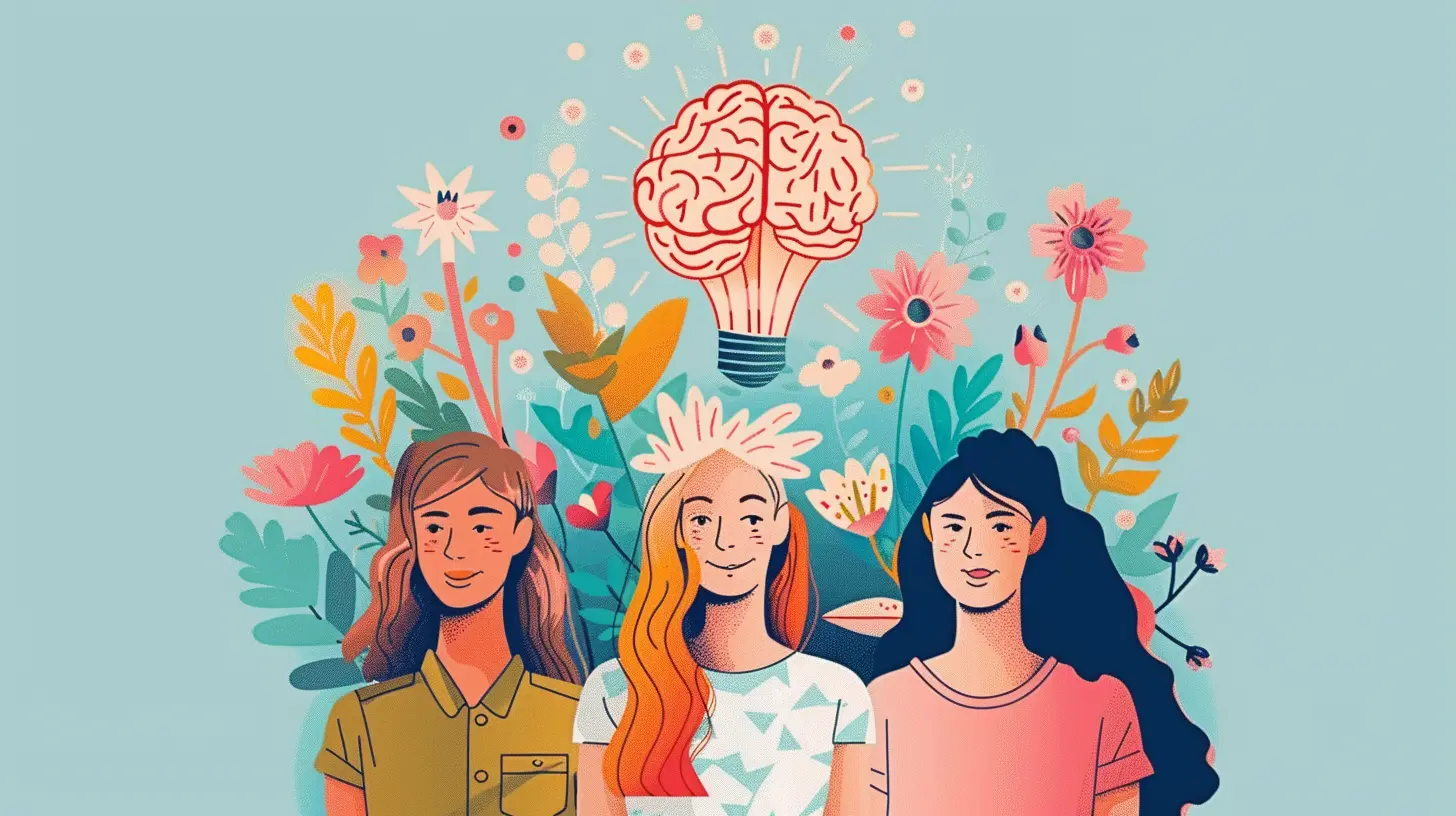
Emotional Intelligence in Real-Life Collaborative Learning
Let’s put theory into practice. Imagine two different group scenarios:Scenario 1: A Team Without Emotional Intelligence
? Members argue over minor details.? Some students dominate discussions while others feel ignored.
? Stress levels rise, and motivation drops.
? Productivity is low, and resentment builds.
Scenario 2: A Team With Emotional Intelligence
? Open and respectful discussions take place.? Members encourage and motivate each other.
? Conflicts are resolved calmly and constructively.
? The team works efficiently, and everyone feels valued.
Which team would you rather work with? Emotional intelligence can be the difference between a frustrating or a fulfilling group project.
Final Thoughts
Collaborative learning projects teach students more than just academic lessons—they teach real-life teamwork skills. Emotional intelligence is the key ingredient that determines whether a group struggles or succeeds.By enhancing self-awareness, empathy, communication, and conflict resolution skills, students can create a more positive and productive learning experience. So, the next time you work on a group project, remember that emotions matter just as much as the work itself.
### Ready to take your group projects to the next level? Start by practicing emotional intelligence, and watch how it transforms your teamwork experience!
all images in this post were generated using AI tools
Category:
Emotional IntelligenceAuthor:

Eva Barker