The Rise of International Schools: A Global Phenomenon
14 May 2026
Picture this: a melting pot of cultures, languages, and learning styles all under one school roof. Sounds pretty cool, right? Well, that’s exactly what international schools are bringing to the table—and they’re booming around the globe.
From bustling cities like Dubai and Singapore to expat-friendly hubs in Europe and Latin America, international schools are no longer the niche option they once were. They’ve become a top choice for families seeking quality education that's not only multi-cultural but also globally relevant. But why the sudden rise? What's the big deal? And is it really worth the hype?
Let’s take a deep dive into this global phenomenon that’s reshaping education as we know it.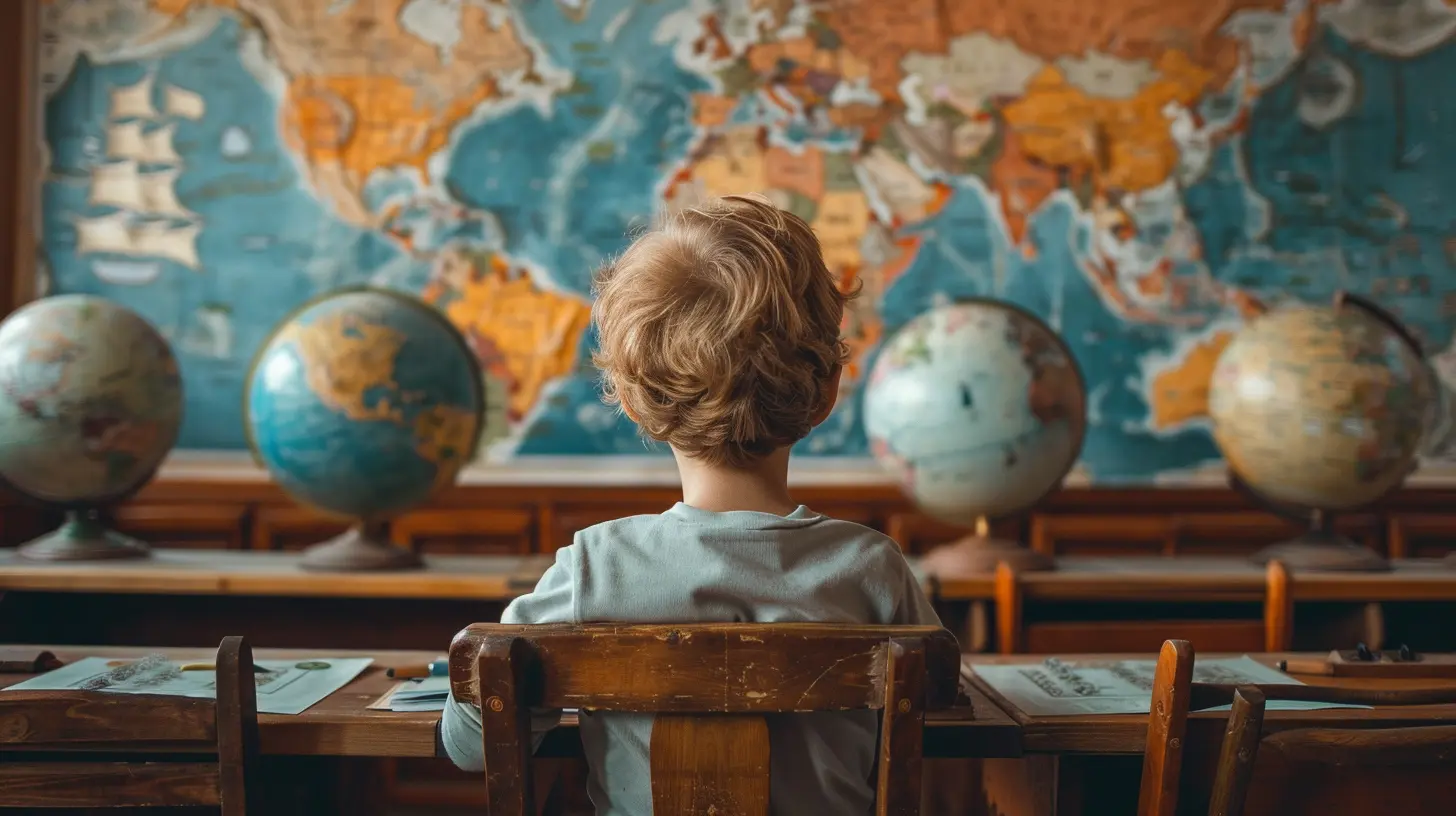
What Are International Schools, Anyway?
Before we jump into why they're all the rage, let's clear up what exactly qualifies as an international school.In simple terms, an international school is an educational institution that offers a curriculum different from the host country’s national curriculum—usually one like the International Baccalaureate (IB), British (IGCSE/A-Levels), American (AP), or even multiple at once. These schools typically cater to expatriates, diplomats, global business families, and increasingly, local families craving a global edge.
Think of it as education without borders—schools that blend academic rigor with cultural diversity, set in classrooms where a dozen languages might be spoken, but everyone is united by shared goals.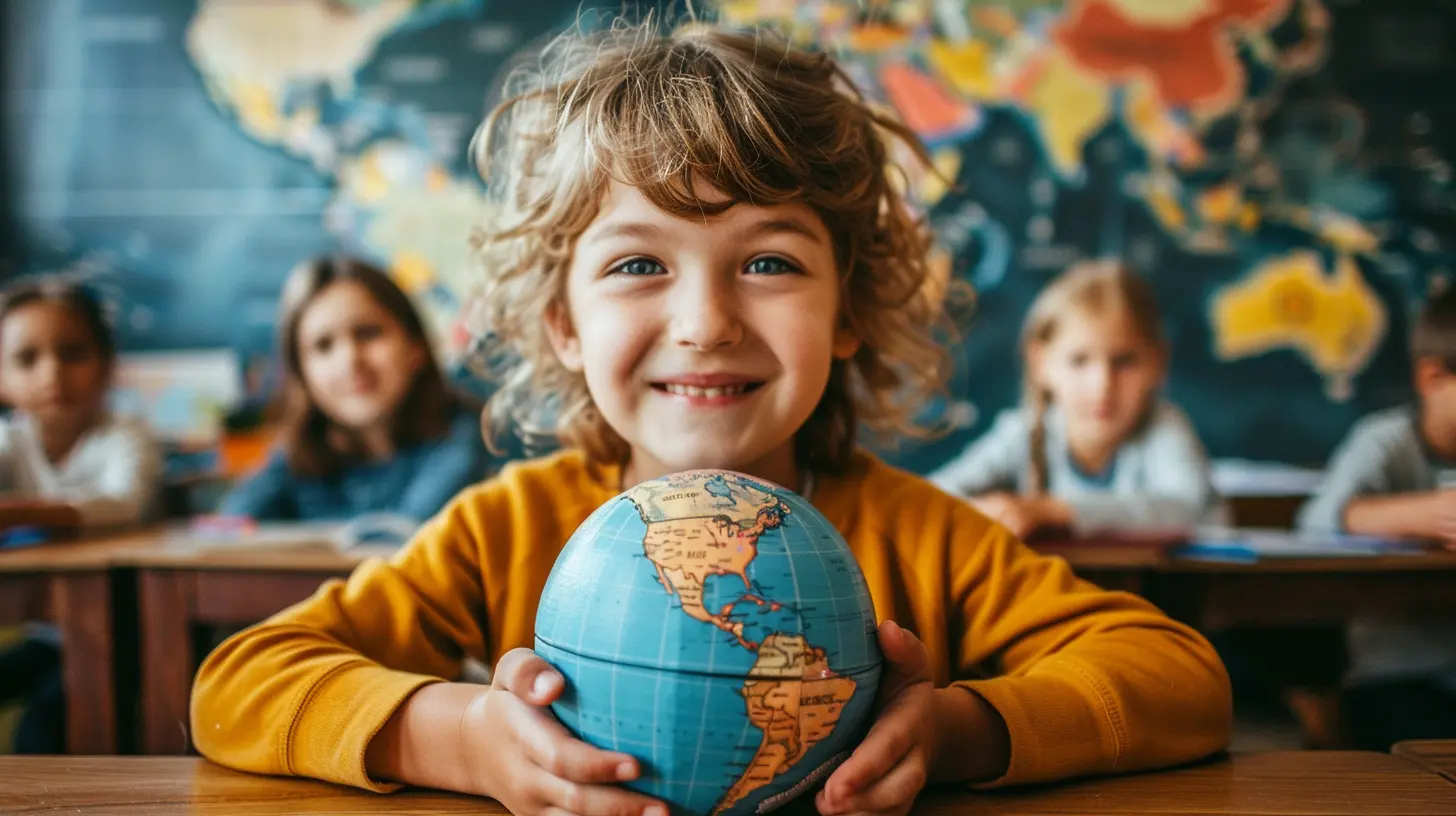
Why the Sudden Boom?
Seriously, international schools are springing up like mushrooms after a rainy day. So, what’s fueling this trend?1. Globalization Is Changing the Game
The world is more connected than ever. People are relocating for work, better lifestyles, or even just to experience something new. As families move, their children’s education becomes a top priority. International schools offer consistency, quality, and a familiar curriculum, no matter where you are in the world.Let’s be honest—navigating a new country is hard enough. Add switching educational systems into the mix? Total headache. That’s where international schools smooth things out.
2. Expat Communities Are Booming
Global corporations are expanding. Diplomatic missions are increasing. And remote work is making the world our office. These shifts are creating larger expatriate communities, and guess what? They need schools that understand their unique needs.International schools tick all the right boxes—global curriculums, English-speaking environments, and support for transitioning students. It’s education that travels well.
3. Local Families Want In
Here’s where things get even more interesting. International schools aren’t just for expats anymore. More and more local families are enrolling their kids, and there’s a good reason for it.Parents want their children to be global citizens—fluent in English, exposed to diverse cultures, and ready to study abroad. International schools provide all that and more. It’s like giving your child a passport to the world—without even leaving the country.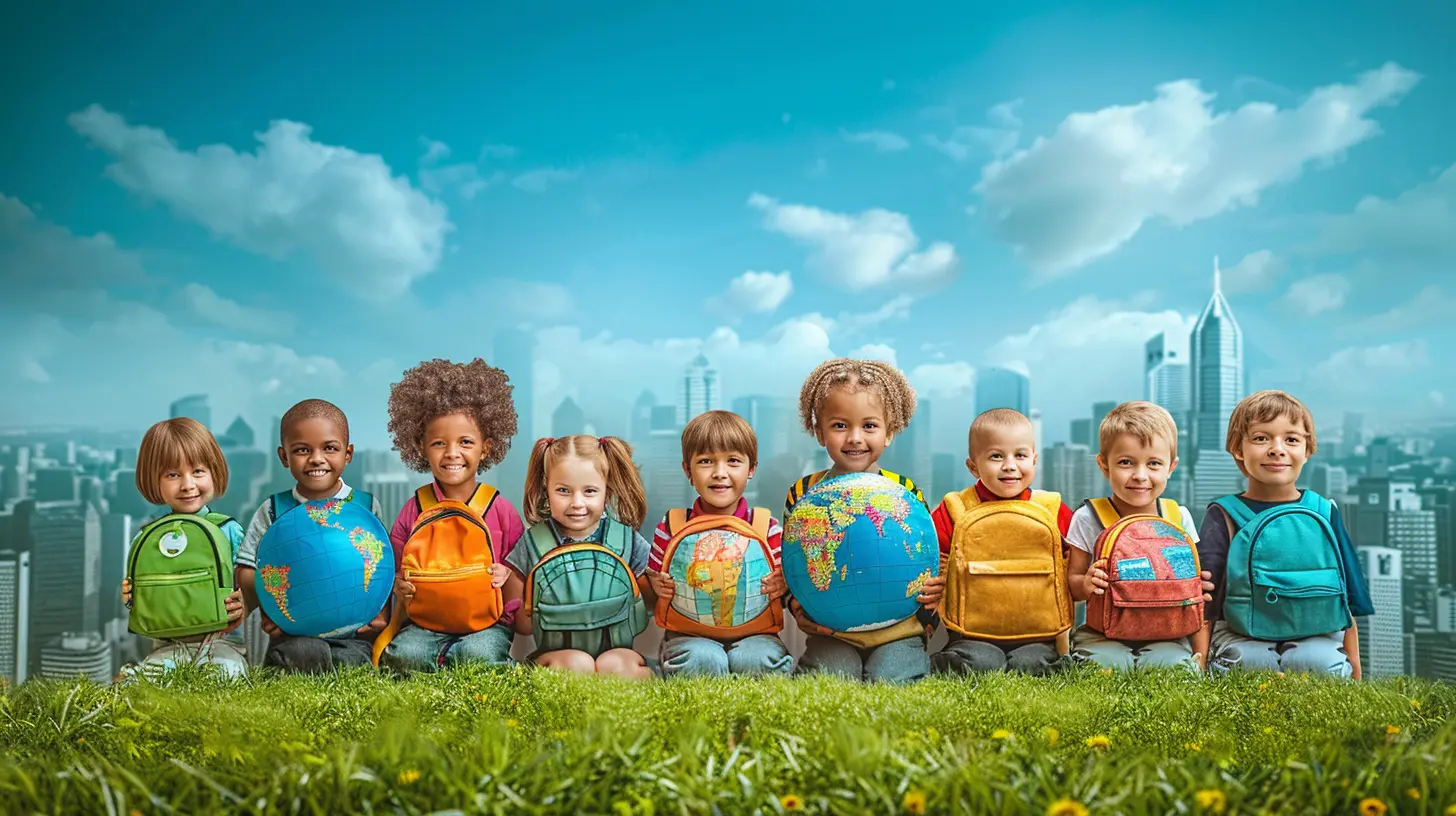
The Curriculum That Travels
You might be wondering—what exactly are these kids learning? Do they all become mini diplomats?Not quite, but they do follow internationally recognized curricula designed to prepare them for universities and careers across the globe.
Popular Curriculums in International Schools:
- International Baccalaureate (IB): A challenging program that promotes critical thinking and global awareness.- British Curriculum (IGCSE and A-Levels): Known for academic structure and subject depth.
- American Curriculum (AP, SAT-ready): Encourages well-rounded education and broad subject exposure.
- Others (French Baccalaureate, German Abitur, etc.): Tailored to families from specific countries.
What sets these apart is the emphasis on inquiry-based learning, project work, and developing skills for the modern world—communication, collaboration, and creativity.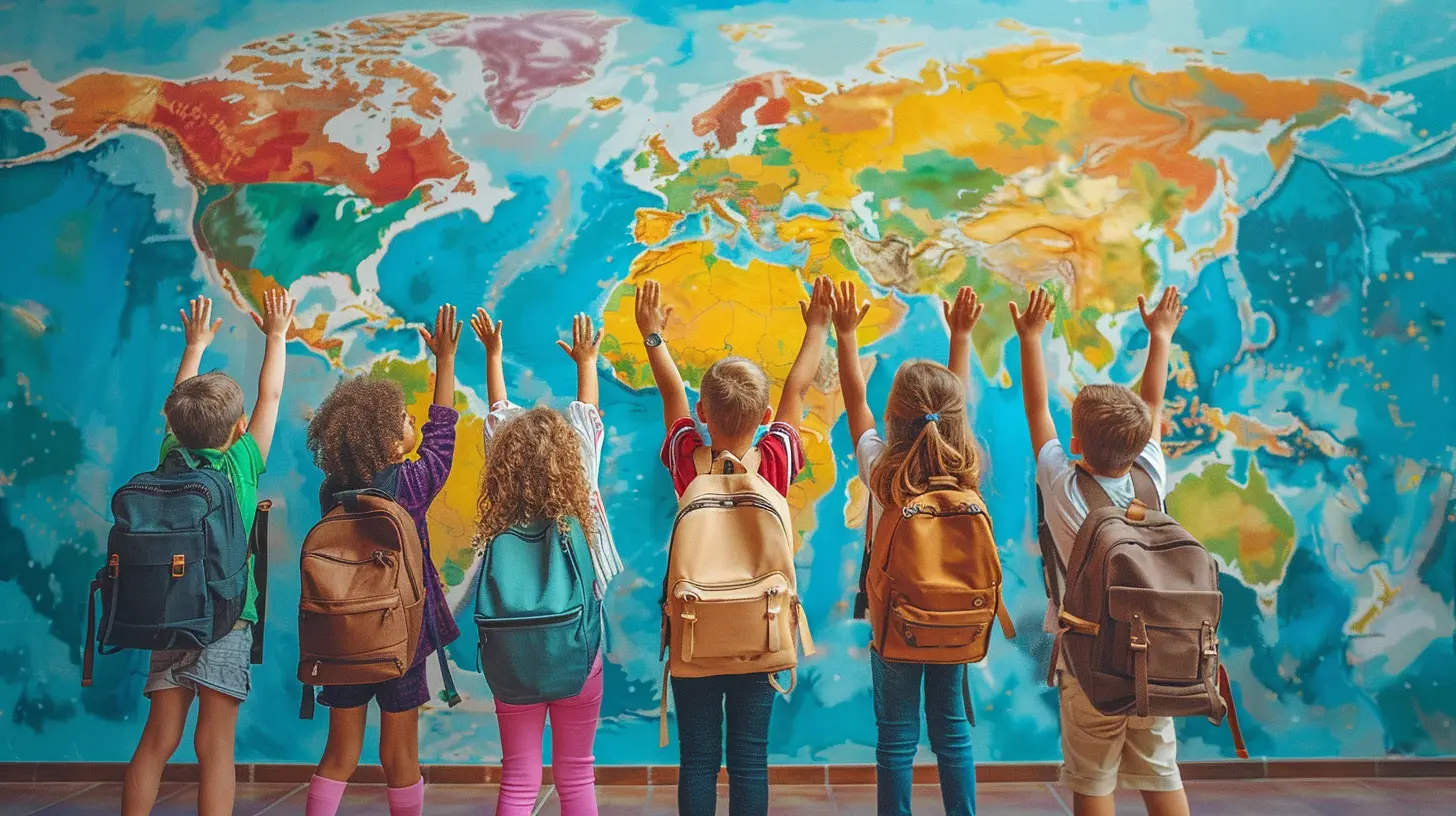
Diversity in the Classroom
Ever been in a room where there's someone from every continent? That’s what an international school classroom feels like.Students aren’t just studying math and science; they’re learning from each other’s experiences, customs, and worldviews. And trust me, there’s nothing quite like hearing about the Lunar New Year from a Chinese classmate or Diwali from an Indian friend. It’s like taking a mini world tour without ever leaving campus.
This cultural exchange builds empathy, openness, and a global mindset—skills that are gold in today’s interconnected world.
Teachers with a Global Flavor
And it’s not just the students who bring diversity to the mix. International schools attract top-tier teachers from across the world.We're talking about professionals who not only come with impressive credentials but also with a genuine passion for global education. Many are expats themselves, adding to the international vibe of the school. They get what it’s like to move across borders, adapt, and thrive in new environments—something that resonates with their students.
Plus, international schools often offer smaller class sizes, personalized learning, and freedom to innovate. That’s a dream combo for educators and students alike.
Facilities That Wow
Let’s be real—international schools are known for their jaw-dropping campuses. Indoor swimming pools, fully equipped science labs, professional-grade music studios, robotics centers—yeah, they’ve got it all.But it’s not just about flashy buildings. These facilities support a holistic approach to education. Sports, arts, theatre, debate, social entrepreneurship—you name it, there’s space (and funding) for it.
This emphasis on extracurriculars goes hand-in-hand with academic excellence. After all, developing a well-rounded personality isn’t optional anymore—it’s essential.
Challenges? Yep, There Are a Few
Of course, it’s not all rainbows and unicorns. Like any education model, international schools come with their own set of challenges.1. The Price Tag
Let’s not beat around the bush—international schools can be pricey. Tuition fees can reach eye-watering levels, especially in elite institutions. While scholarships and subsidies exist, affordability remains a barrier for many families.2. Identity Confusion
With so many cultures in one place, students can sometimes feel a bit... lost. They might not fully connect with their home culture or the one they live in. It’s what some call the “Third Culture Kid” dilemma.It’s not a dealbreaker, but it does mean schools—and parents—have to work extra hard to build emotional resilience and a strong sense of self.
3. Accreditation and Regulation
Not all international schools are created equal. Some may use the term “international” loosely without meeting global standards. That’s why doing due diligence—checking accreditation, curriculum credentials, and teacher qualifications—is absolutely crucial.The Bigger Picture: What This Means for the Future
Education is evolving. Fast. International schools are at the forefront of this transformation, offering a model that prioritizes adaptability, empathy, and global understanding.They’re not just preparing kids for college—they’re training future leaders, innovators, and change-makers. And as the world faces shared challenges like climate change, inequality, and technological disruption, this kind of education just makes sense.
What we’re seeing isn’t just a passing trend. The rise of international schools represents a shift in how we think about learning. It’s about breaking boundaries—both literal and metaphorical—and raising a generation that can thrive no matter where they land.
Thinking of Enrolling? Here’s What to Look For
If you’re a parent weighing the international school route, here’s a cheat sheet to help you make the right call:- Accreditation: Is the school recognized by global education bodies?
- Curriculum: Does it align with your child’s future goals (e.g. university abroad)?
- Teacher Quality: Are the teachers qualified and experienced in international education?
- Diversity: How international is the student body and staff?
- Student Support: How does the school handle transitions, emotional well-being, and special needs?
- Cost: Are the fees reasonable, and are there any scholarships?
Remember, education is a long-term investment. Take your time, ask a ton of questions, and pick what fits your family best.
Final Thoughts
So, there you have it. The rise of international schools isn’t just a fad—it’s a full-blown global shift.In a world that’s constantly changing, these schools offer something many traditional ones can’t: an education that moves with you, grows with you, and prepares you for a future that’s as wide open as the world itself.
Whether you’re a parent, a student, or just someone curious about how education is changing, international schools are worth keeping an eye on. It’s not just about studying abroad anymore—it’s about learning for the world.
all images in this post were generated using AI tools
Category:
Global EducationAuthor:

Eva Barker
Discussion
rate this article
2 comments
Izaak McLoughlin
This article highlights an important trend in education. The rise of international schools reflects a growing need for diverse learning environments that cater to students from various backgrounds. It's fascinating to see how these institutions promote cultural exchange and global citizenship, preparing young minds for a connected world. Great read!
May 29, 2026 at 10:52 AM
Eva Barker
Thank you for your insightful comment! I'm glad you found the article valuable. The rise of international schools is indeed a fascinating development in education.
Kassidy McGehee
International schools are popping up everywhere, turning education into a global adventure! Who knew learning could be this diverse and exciting?
May 17, 2026 at 10:39 AM
Eva Barker
Absolutely! International schools are fostering a unique blend of cultures and perspectives, making education a truly enriching experience for students.