The Psychology Behind Effective Classroom Management
19 June 2026
Classroom management is more than just rules and discipline; it's about creating a space where students feel motivated, engaged, and ready to learn. Have you ever wondered why some teachers seem to have an almost magical ability to keep their class attentive and well-behaved, while others struggle with constant disruptions? The secret lies in psychology—the science behind human behavior.
By understanding the psychology behind effective classroom management, educators can create a structured yet welcoming environment that fosters learning and personal growth. So, let's dive into the core psychological principles that make a classroom not just orderly, but inspiring!
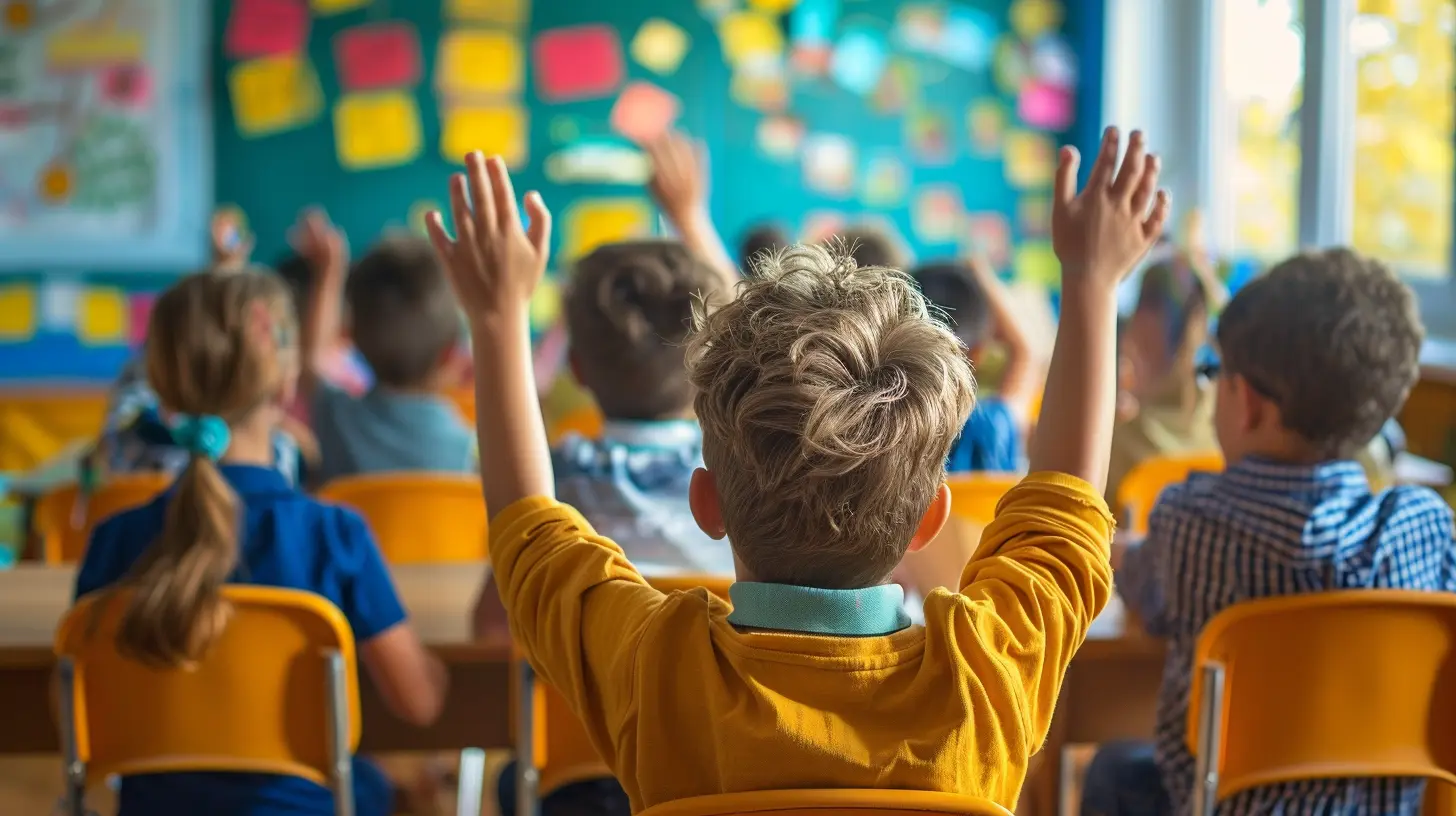
1. The Power of Expectations: Setting the Tone From Day One
Ever heard of the Pygmalion effect? It suggests that people tend to live up to the expectations set for them. If a teacher expects students to be responsible, engaged, and hardworking, they are more likely to embody those traits.Setting clear and high but achievable expectations from the very first day helps establish a positive classroom culture. Students thrive when they know what’s expected of them, both academically and behaviorally. Instead of vague rules like “behave well,” set concrete expectations:
- "Raise your hand to speak" instead of "Don't talk out of turn"
- "Respect everyone's opinion" instead of "Don't argue with others"
It’s all about framing behaviors in a positive way, giving students a clear roadmap to follow.
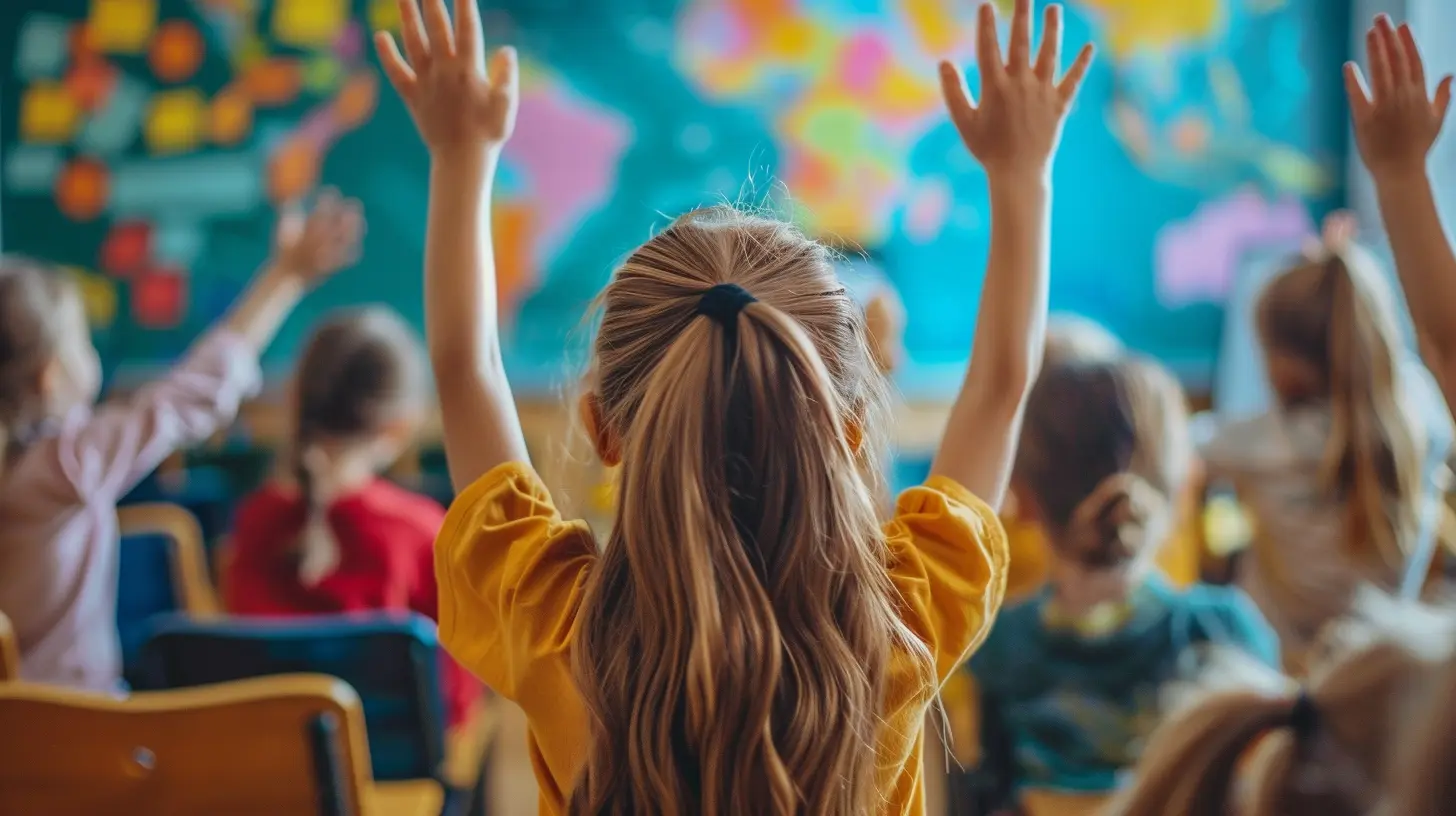
2. The Psychology of Positive Reinforcement
Ever noticed how people respond better to praise than to criticism? That’s because of a psychological concept called positive reinforcement—rewarding good behavior to encourage its repetition.This doesn’t mean handing out prizes for every little thing. Instead, it’s about recognizing efforts and accomplishments in meaningful ways. Here are some simple yet effective reinforcement techniques:
- Verbal Praise: A simple “Great job, Alex!” can go a long way.
- Non-Verbal Cues: A smile, a thumbs-up, or a nod can reinforce good behavior.
- Privileges: Letting a student be the class leader for the day as a reward for good behavior.
- Tangible Rewards: Stickers, certificates, or even a handwritten note of appreciation.
When students associate good behavior with positive emotions, they’re more likely to continue down that path.
3. The Role of Emotional Intelligence in Classroom Management
Teaching isn’t just about academic content—it’s about connecting with students on an emotional level. A teacher with high emotional intelligence (EQ) can read the room, understand students’ emotions, and respond appropriately.How can teachers use emotional intelligence?
- Recognizing Student Emotions: If a student is acting out, is it defiance or frustration? Understanding the difference can change the way a teacher responds.- Managing Their Own Emotions: Staying calm in stressful situations sets an example for students.
- Building Strong Teacher-Student Relationships: When students feel understood and valued, they’re more likely to listen and cooperate.
By fostering emotional intelligence in the classroom, teachers create a supportive and respectful learning environment.
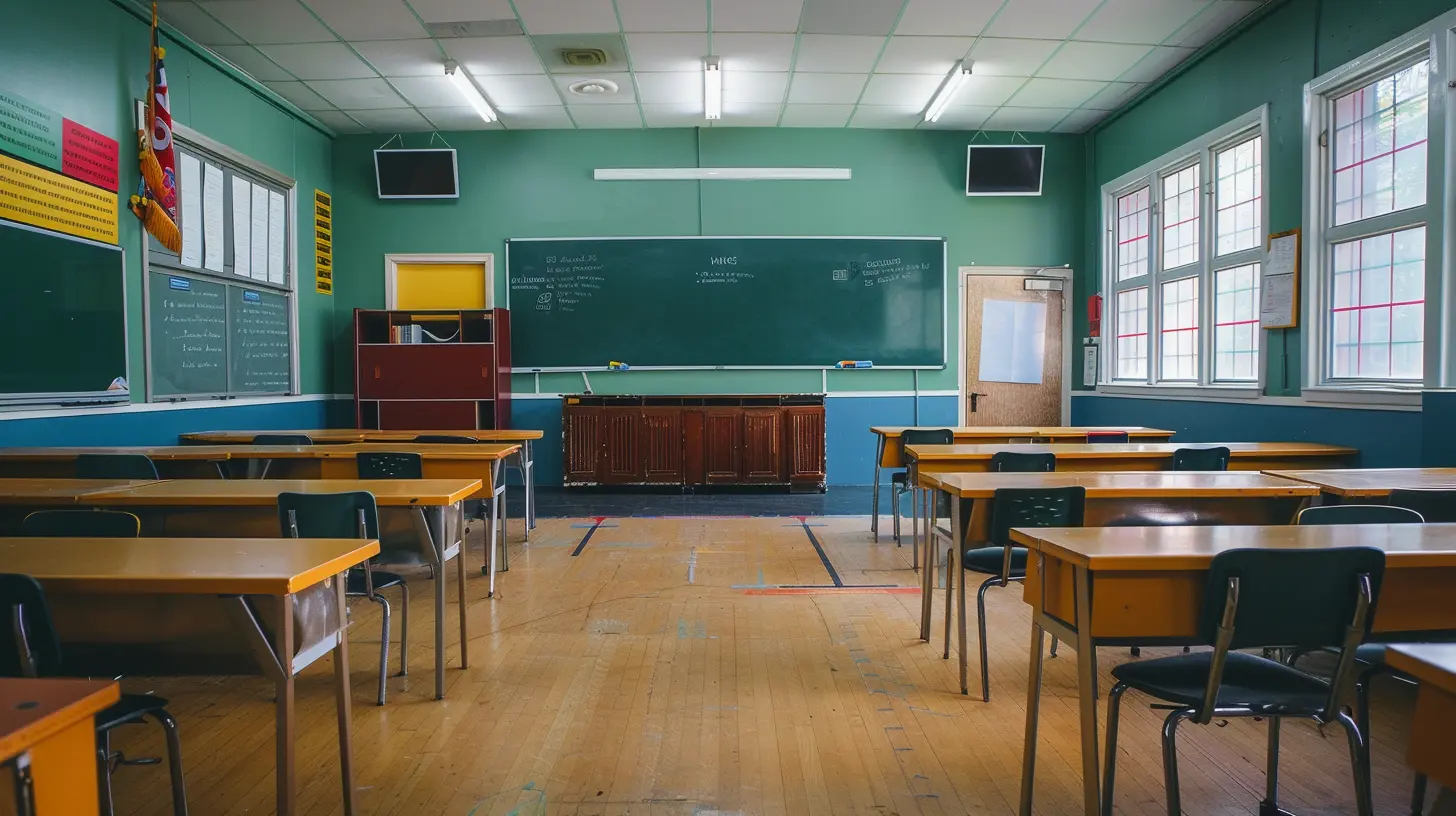
4. Classroom Design and Its Psychological Impact
Did you know that even the physical setup of a classroom affects behavior and engagement? The way a classroom is arranged can either encourage participation or lead to distractions.Key elements of a psychologically optimized classroom:
- Seating Arrangements: A U-shape or circular setup encourages discussions, while rows help maintain focus in lecture-based settings.- Colors Matter: Blue and green hues promote calmness, while bright colors like yellow can boost energy.
- Clutter-Free Space: A well-organized classroom reduces stress and helps students focus.
- Lighting: Natural light improves concentration and mood, making students feel more engaged.
By designing a learning-friendly environment, teachers can subtly influence student behavior and boost productivity.
5. The Importance of Routine and Structure
People—especially children—thrive in environments where they know what to expect. A well-structured classroom makes students feel secure and reduces anxiety.Why routines matter:
- Predictability Reduces Stress: When students know the daily schedule, they feel more in control.- Smooth Transitions: Moving from one activity to another becomes easier with set procedures.
- Less Time Wasted: Clear routines minimize disruptions and maximize learning time.
Simple routines like starting the day with a morning check-in or using silent signals for attention can significantly improve classroom behavior.
6. The Psychology of Engagement: Keeping Students Invested
Nothing kills classroom management faster than boredom. When students are genuinely engaged, there’s no room for misbehavior. So, how can teachers make learning more engaging?Psychological strategies to boost engagement:
- Gamification: Turning lessons into games increases motivation.- Choice-Based Learning: Giving students some control over their learning makes them more invested.
- Active Learning: Incorporate discussions, hands-on activities, and real-life applications.
- Use of Storytelling: People remember stories better than facts. Presenting lessons as narratives can keep students hooked.
When students enjoy learning, they’re far more likely to stay on task and behave well.
7. Dealing with Misbehavior: A Psychological Approach
Even in the best-managed classrooms, misbehavior is bound to happen. The key is to understand why students act out rather than just punishing them.The psychology behind misbehavior:
- Seeking Attention: Some students misbehave to gain recognition. Giving them positive attention for good behavior can reduce this.- Lack of Understanding: Struggling students might act out due to frustration. Identifying learning gaps can help.
- Personal Issues: Family problems or emotional struggles can manifest as disruptive behavior. Empathy goes a long way.
How should teachers respond?
- Stay Calm and Collected: Reacting emotionally can escalate the situation.- Use Logical Consequences: Instead of punishment, apply consequences that teach a lesson (e.g., if a student disrupts a group activity, they might need to complete it alone).
- Address the Root Cause: Talking to the student privately can reveal underlying issues.
Handling misbehavior with understanding and strategy leads to long-term behavioral improvement rather than temporary compliance.
8. Building a Positive Classroom Culture
At the end of the day, classroom management isn’t about control—it’s about creating a community where students respect one another and feel motivated to learn.Ways to foster a positive classroom culture:
- Encourage Collaboration: Teamwork fosters respect and cooperation.- Model the Behavior You Expect: If you want respectful students, be a respectful teacher.
- Celebrate Small Wins: Recognizing progress keeps students motivated.
- Promote a Growth Mindset: Teach students that mistakes are part of learning, not failures.
When a classroom feels like a safe, encouraging space, students naturally want to do their best.
Final Thoughts
Effective classroom management isn’t about strict discipline—it’s about understanding human psychology and using it to create an environment where students thrive. By setting expectations, using positive reinforcement, engaging students, and building emotional connections, teachers can transform their classrooms into places of motivation, respect, and success.At the heart of it all, great classroom management is about one simple truth: students who feel valued, understood, and engaged will always be more eager to learn.
all images in this post were generated using AI tools
Category:
Educational PsychologyAuthor:

Eva Barker
Discussion
rate this article
1 comments
Miranda Coffey
Understanding student behavior enhances teaching success.
June 27, 2026 at 3:20 AM