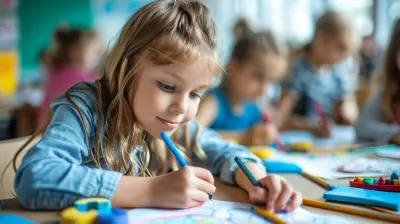
"The Intersection of Emotional Intelligence and Cultural Competence in Schools
22 June 2026
Let’s face it—school is about way more than math equations and spelling tests. Sure, those subjects matter. But what about the stuff that helps students thrive as people? We're talking empathy, communication, and understanding others from different walks of life. That’s where emotional intelligence and cultural competence come into play. And the intersection of these two powerful concepts? That’s where the magic happens in schools.
In today’s diverse classrooms, bringing emotional intelligence (EI) and cultural competence together isn’t just a “nice-to-have”—it’s an absolute must. Whether it’s helping students feel genuinely seen, or fostering deep, respectful connections across cultural lines, this intersection has the power to transform school communities from the inside out.
So, grab a cup of coffee (or tea, no judgment here), and let’s dive into what makes this combo so powerful—and why it’s the secret sauce for better schools, happier students, and stronger futures.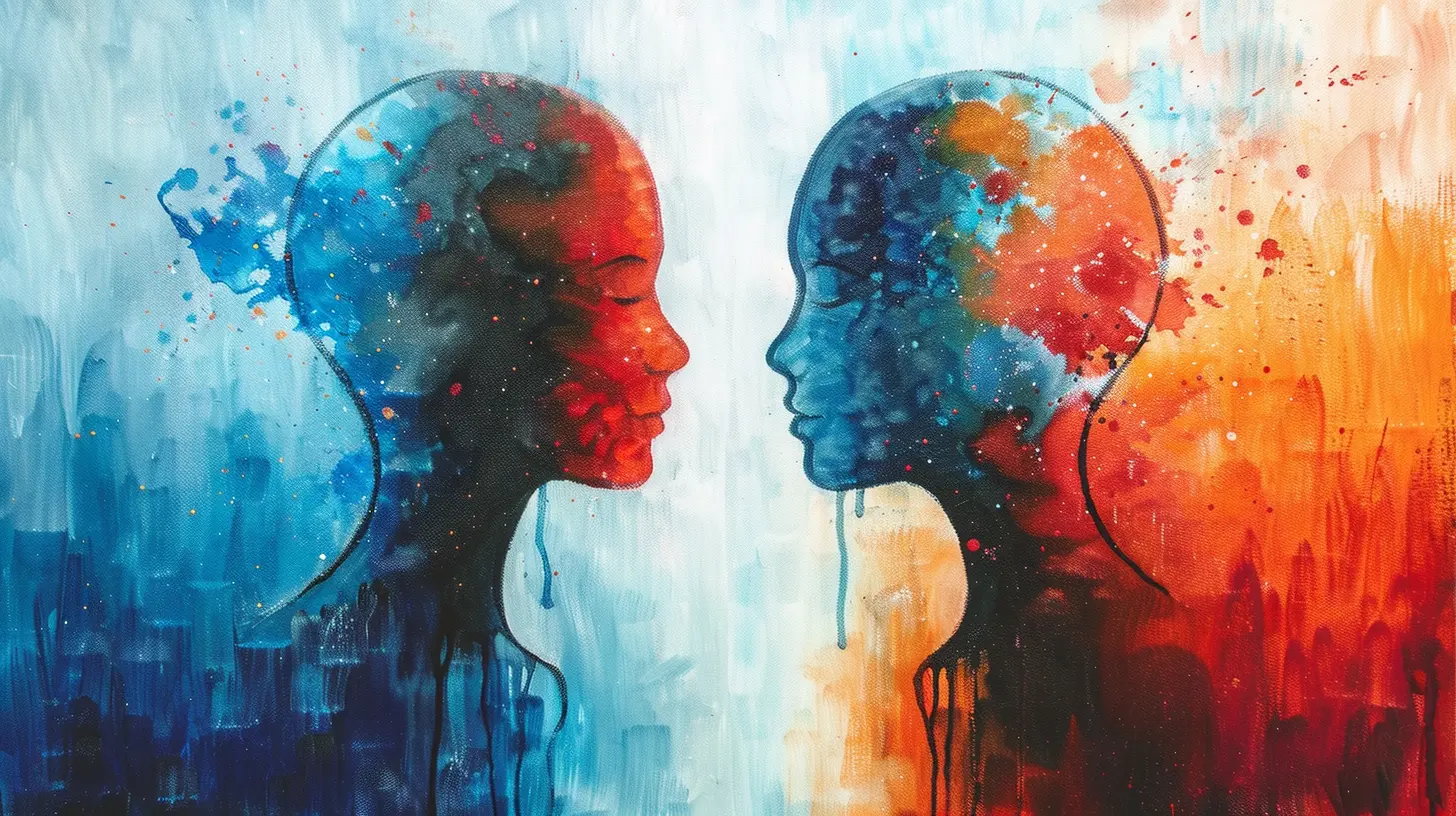
What Is Emotional Intelligence, Really?
Alright, let’s break it down. Emotional intelligence is all about understanding our own emotions, recognizing others' emotions, and responding in thoughtful, respectful ways. It’s like your inner GPS for navigating life’s social and emotional terrain.Psychologists split emotional intelligence into five key components:
- Self-awareness: knowing what you feel and why.
- Self-regulation: keeping your emotions in check.
- Motivation: staying driven, even through challenges.
- Empathy: stepping into someone else’s shoes.
- Social skills: building and maintaining healthy relationships.
Now think about a classroom. How much smoother would things go if students, teachers, and administrators were tuned into their emotions and could handle tough moments with grace? Yeah, we thought so.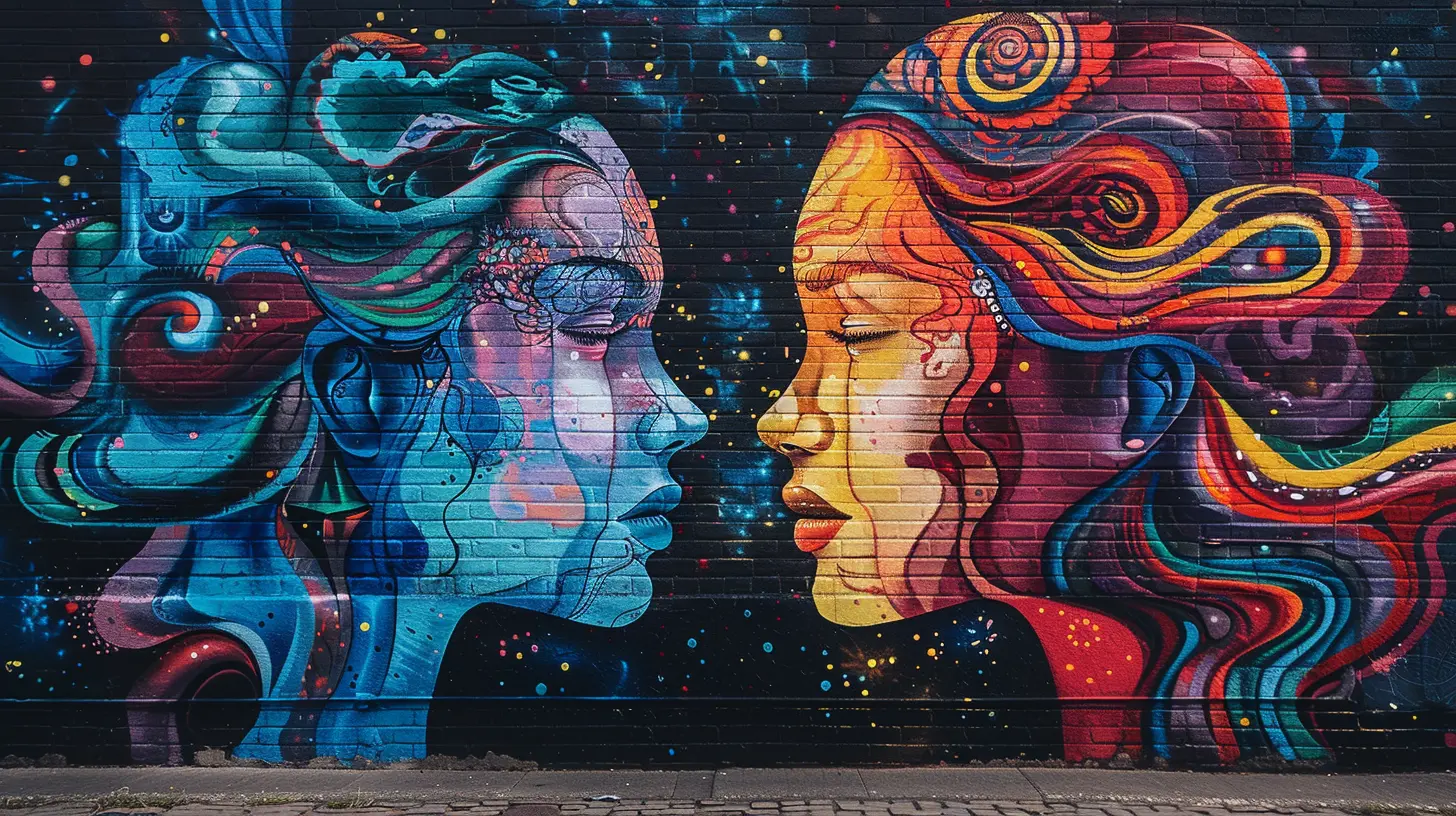
And What About Cultural Competence?
If emotional intelligence is the GPS, cultural competence is the map of the world. Cultural competence is the ability to understand, appreciate, and interact with people from cultures or belief systems different from your own. It's about embracing diversity—not just tolerating it, but celebrating it.This includes:
- Awareness of your own cultural worldview
- Knowledge of different cultural practices and worldviews
- Cross-cultural communication skills
- Openness and adaptability
Why does this matter in schools? Because schools today are incredibly diverse. Students come from all sorts of backgrounds—racial, religious, linguistic, socio-economic. To create a truly inclusive and respectful learning environment, cultural competence isn’t optional. It’s essential.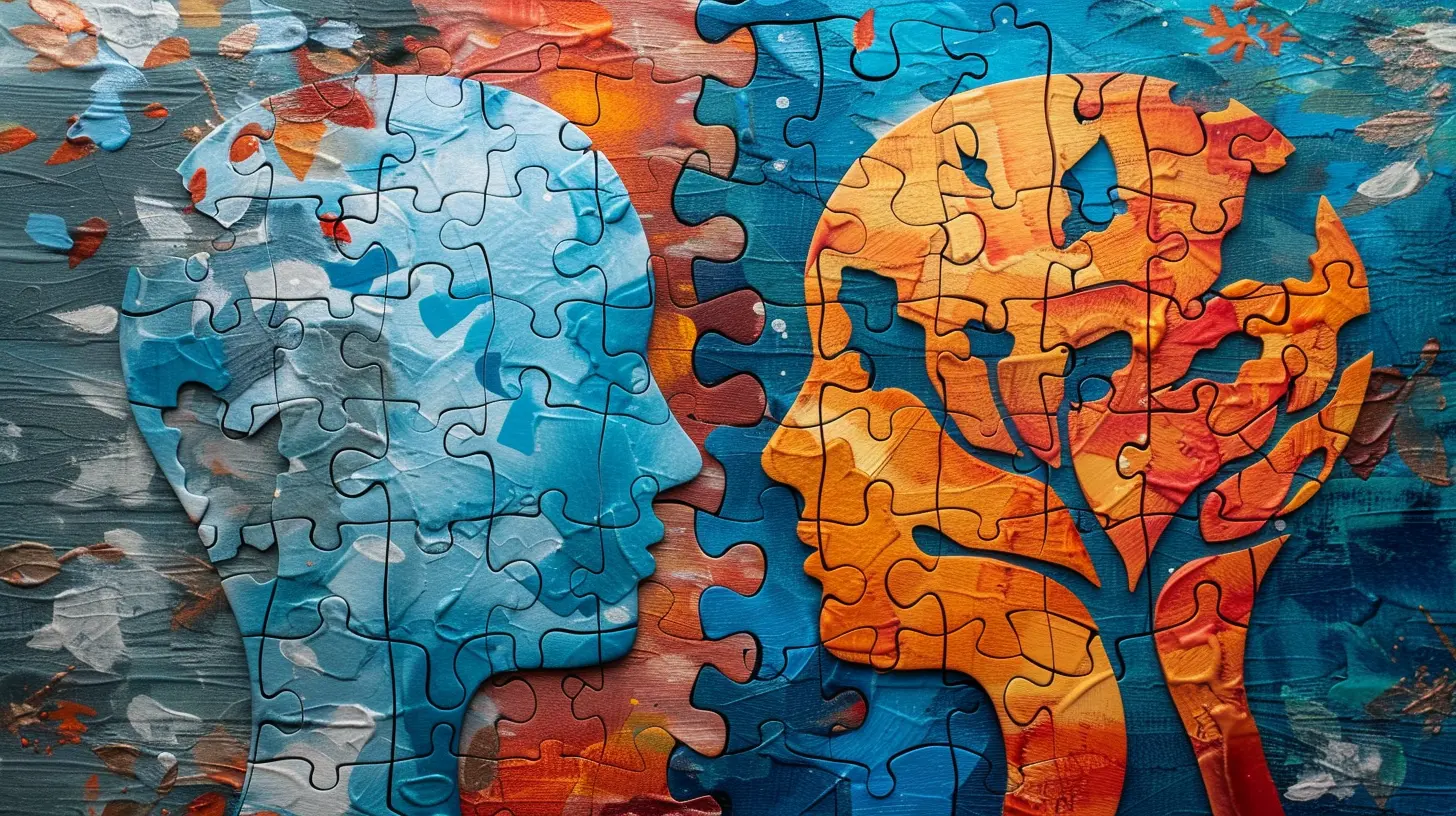
The Power of Their Intersection: Why It’s a Game Changer
Here’s where things get exciting. When we combine emotional intelligence and cultural competence, we create something incredibly powerful—a learning culture where every student feels emotionally supported and culturally respected. It’s like putting together peanut butter and jelly—both are good on their own, but together? Chef’s kiss.Think about it:
- Emotional intelligence helps us understand our feelings and those of others.
- Cultural competence helps us understand the context behind those feelings.
Together, they allow teachers and students to connect on a much deeper level.
Let’s say a student is acting withdrawn. An emotionally intelligent teacher notices this and checks in. A culturally competent teacher also considers the student’s background—maybe they're fasting during Ramadan or feeling isolated as a recent immigrant. The intersection helps teachers respond with both compassion and context.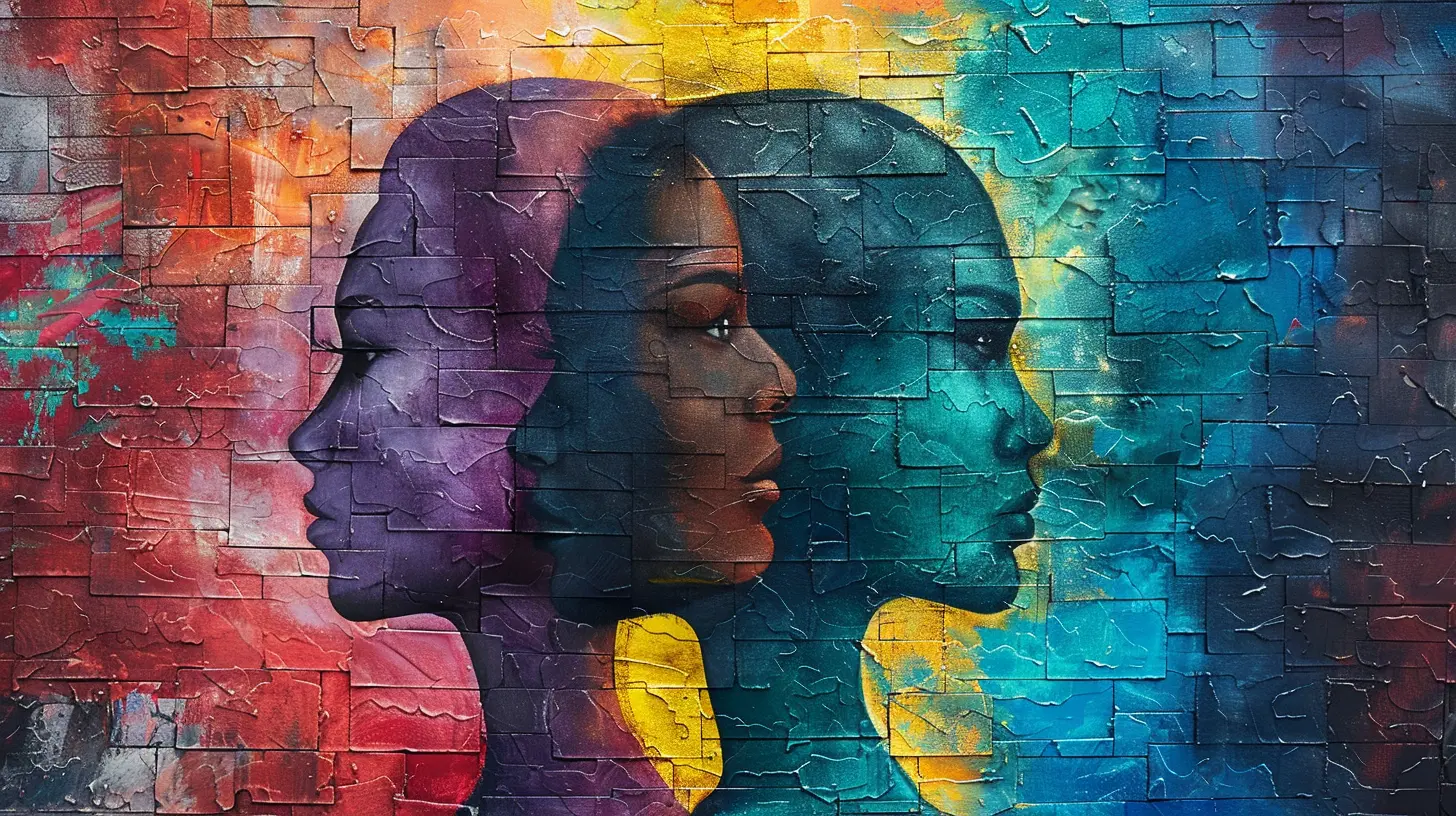
Real-Life Examples of Emotional Intelligence + Cultural Competence in Action
Let’s bring this idea to life with some classroom moments:1. A Multilingual Student Struggles With Participation
Rather than assuming the student is shy or uninterested, a culturally competent, emotionally intelligent teacher might consider language barriers or cultural norms around speaking up in class. Instead of calling them out, the teacher gives them a heads-up about discussion topics ahead of time, so they can prepare. Boom—stress reduced, participation increased.2. A Conflict Between Students Breaks Out
Say two students argue over a group project. An emotionally attuned teacher steps in, not to punish, but to mediate. They use active listening and encourage the students to empathize with each other. The cultural lens helps the teacher ask questions like: Are there cultural misunderstandings at play? Is someone’s body language being misinterpreted?3. Celebrating Diverse Holidays
Teachers with emotional intelligence and cultural competence might invite students to share traditions from their cultures. This builds pride and connection. It also helps classmates experience the joy of diversity, which fosters mutual respect—and even curiosity.How Schools Can Cultivate These Skills
Alright, cool concept, right? But how do schools actually make this happen? It’s not like you can just sprinkle some fairy dust over a staff meeting and—voilà—everyone’s emotionally and culturally competent.Here’s how schools can get serious about it:
1. Start With Teacher Training
Teachers are the front line. Professional development should include both emotional intelligence and cultural responsiveness training. Think workshops on implicit bias, active listening, and navigating tough conversations with empathy. The goal isn’t perfection—it’s progress.2. Embed It Into the Curriculum
These aren’t "extra" skills. They're life skills. So, integrate social-emotional learning and cultural topics into everyday lessons:- Use diverse literature to spark discussions
- Bring in guest speakers from different cultural backgrounds
- Discuss current events through a lens of empathy and cultural understanding
3. Foster Inclusive School Culture
Posters on the wall are a start, but inclusivity goes way deeper. Celebrate cultural holidays. Have multilingual signage. Offer culturally relevant meals in the cafeteria. Make space for every student to feel like they belong.4. Encourage Student Voice
Want students to develop their own EI and cultural competence? Let them lead:- Give them platforms to share their stories
- Let them mediate peer conflicts
- Involve them in decisions that affect school culture
Kids have powerful insights when we actually listen.
The Benefits: More Than Just Warm Fuzzies
Let’s talk results. Schools that embrace the intersection of emotional intelligence and cultural competence don’t just feel nicer—they perform better.1. Stronger Relationships
Students trust teachers more. Teachers understand students better. That’s a recipe for deep, lasting connections.2. Increased Academic Engagement
When students feel emotionally safe and seen, they show up more—mentally and physically. Attendance goes up, as does participation.3. Lower Discipline Issues
Understanding prevents conflict. Compassion de-escalates it. Schools focused on these skills report fewer behavior issues and suspensions.4. Future-Ready Skills
These aren’t just school skills. Emotional intelligence and cultural competence are essential for college, careers, relationships... basically life.Challenges? Of Course. But They’re Worth Tackling.
Let’s get real: implementing this stuff isn’t always a walk in the park. Resistance can pop up. Some people might not see the value right away. There are curriculum constraints, time limits, and budget issues.But here’s the deal. We invest in math and science because they matter for the future. Shouldn’t we do the same for skills that help kids become compassionate, open-minded humans?
Start small. Start where you are. Every step toward emotional and cultural awareness makes a difference.
Final Thoughts: Raising the Next Generation of Changemakers
Imagine a school where every student feels heard and valued. Where differences are celebrated, not feared. Where empathy is the rule, not the exception. Yeah, sounds like a dream school, right?Here’s the kicker: It’s not just a dream. It’s possible when we lean into the beautiful overlap of emotional intelligence and cultural competence. These aren’t just buzzwords—they’re building blocks for a better world.
As educators, parents, and community members, we have one of the most powerful roles out there: shaping the hearts and minds of the future. So let’s make sure we’re giving our kids more than just knowledge. Let’s give them the tools to understand themselves, connect with others, and lead with kindness and courage—no matter where they or their classmates come from.
Let’s build schools that thrive at this powerful intersection. The future depends on it.
all images in this post were generated using AI tools
Category:
Emotional IntelligenceAuthor:

Eva Barker
Discussion
rate this article
1 comments
Sloane Warren
Recognizing the interplay of emotional intelligence and cultural competence is vital for fostering inclusive school environments. By integrating these skills, educators can better understand diverse student experiences, enhance relationships, and ultimately support academic success and personal growth for all learners.
July 13, 2026 at 4:57 AM
Eva Barker
Thank you for highlighting this important connection. Integrating emotional intelligence with cultural competence truly transforms the educational landscape and supports every student's growth.