The Influence of Religion on Politics Throughout History
23 December 2025
Religion and politics—two of the most powerful forces in human history. Both have shaped societies, structured governments, and influenced the lives of billions. But what happens when the two intertwine? Well, that’s where things get really interesting.
From ancient civilizations to modern-day governments, religion has played a massive role in shaping political decisions. Whether it's creating laws, justifying war, or defining moral values, religion has always been a key player in shaping political landscapes. But has the influence always been positive? Or has it sometimes led to chaos and oppression? Let’s dive in and break it all down.
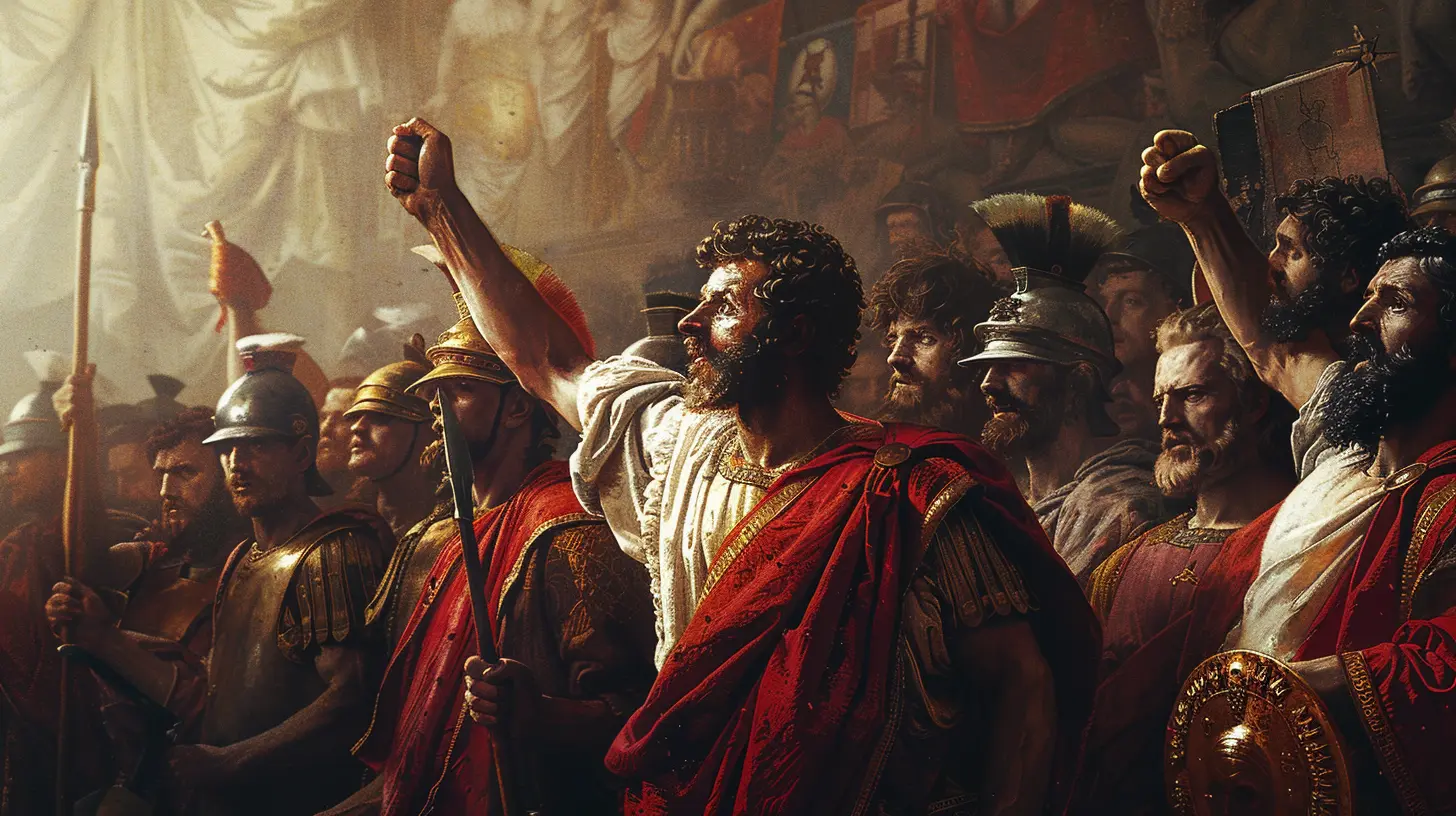
Ancient Civilizations: The Gods and the Rulers
In ancient times, religion wasn’t just a belief system; it was the backbone of society. Political power and religious authority were often one and the same. Kings, emperors, and pharaohs didn’t just rule—they were seen as divine or chosen by the gods.Egypt: The Pharaohs as Gods
Take ancient Egypt, for example. The Pharaoh wasn’t just a ruler; he was considered a living god. The idea wasn’t just about power—it was about control. If the Pharaoh was a god, questioning his rule was blasphemy. Smart, right? This divine rule kept the masses in check and justified the ruler's absolute authority.Mesopotamia: The Priests Held the Power
In Mesopotamia, things were slightly different. Kings ruled, but religious leaders (priests) held immense power too. They were seen as intermediaries between the gods and the people. The concept of "divine right" meant that rulers used religion to legitimize their reign. Laws, like the famous Code of Hammurabi, were often attributed to divine instruction, making it nearly impossible to challenge them.Ancient Rome: Religion as a Political Tool
Rome took things up a notch. The emperors weren’t gods themselves (at least not at first), but they sure found ways to use religion for political gain. Julius Caesar was named Pontifex Maximus, the high priest of Rome, giving him religious clout. Later, Emperor Constantine played the ultimate power move—he converted to Christianity and made it state-sanctioned. Suddenly, Rome went from persecuting Christians to endorsing them, leading to the establishment of the Roman Catholic Church’s dominance.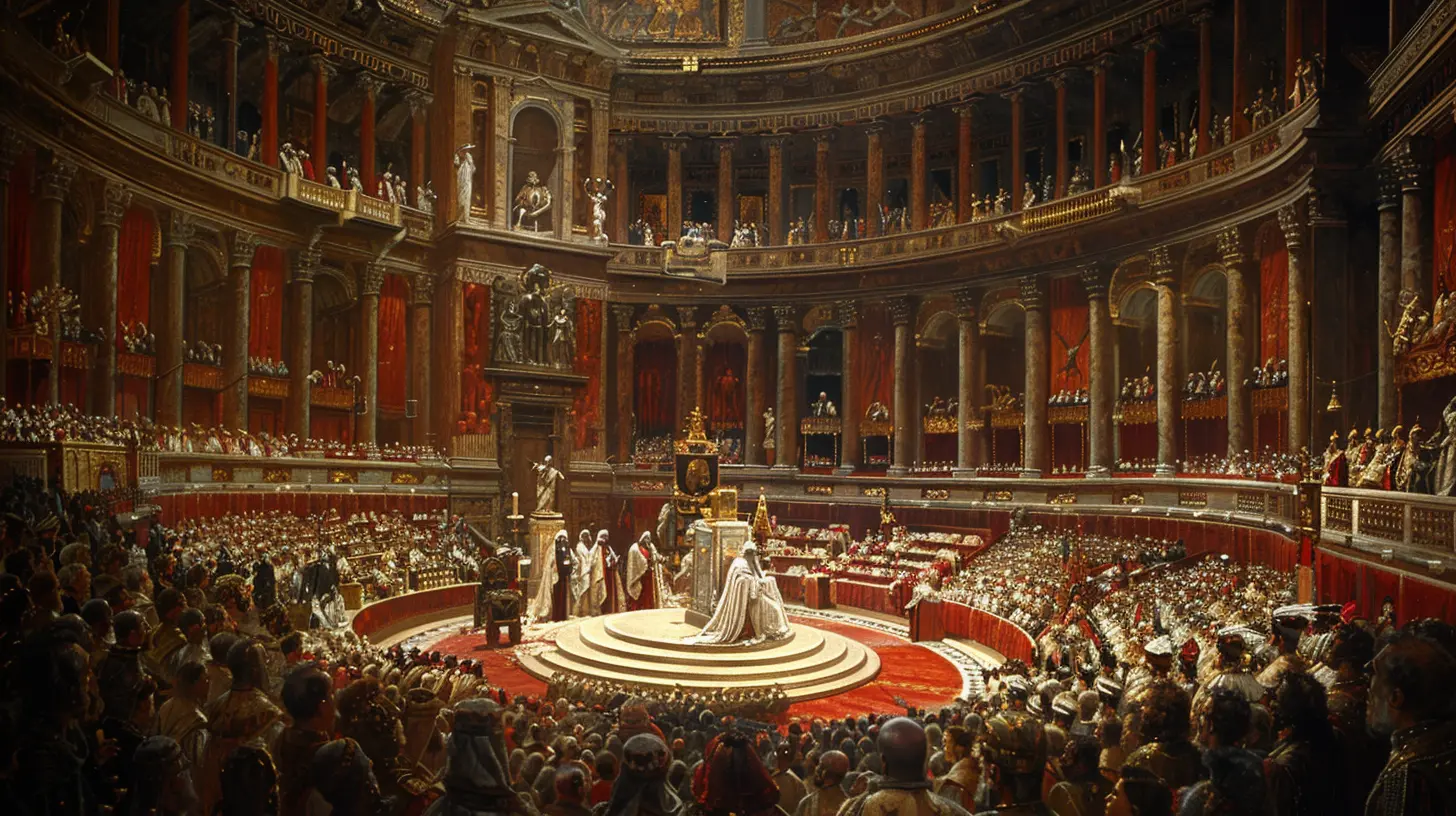
The Middle Ages: Religion and Monarchies Go Hand-in-Hand
Fast forward to the Middle Ages, and religion wasn’t just influential in politics—it was politics. The Catholic Church was the real power in Europe, often dictating the actions of kings and queens.The Divine Right of Kings
Monarchs ruled by "divine right," meaning they claimed their authority directly from God. This meant that opposing the king wasn’t just a political rebellion—it was a sin. Clever, huh? It kept rulers in power and the people obedient.The Crusades: Religion as a Justification for War
One of the most extreme examples of politics and religion intertwining? The Crusades. These were religious wars sanctioned by the Church, aiming to reclaim the Holy Land from Muslim rule. But let’s be real—it wasn’t just about faith. It was also about power, land, and wealth. Religion was simply the banner under which these wars were fought.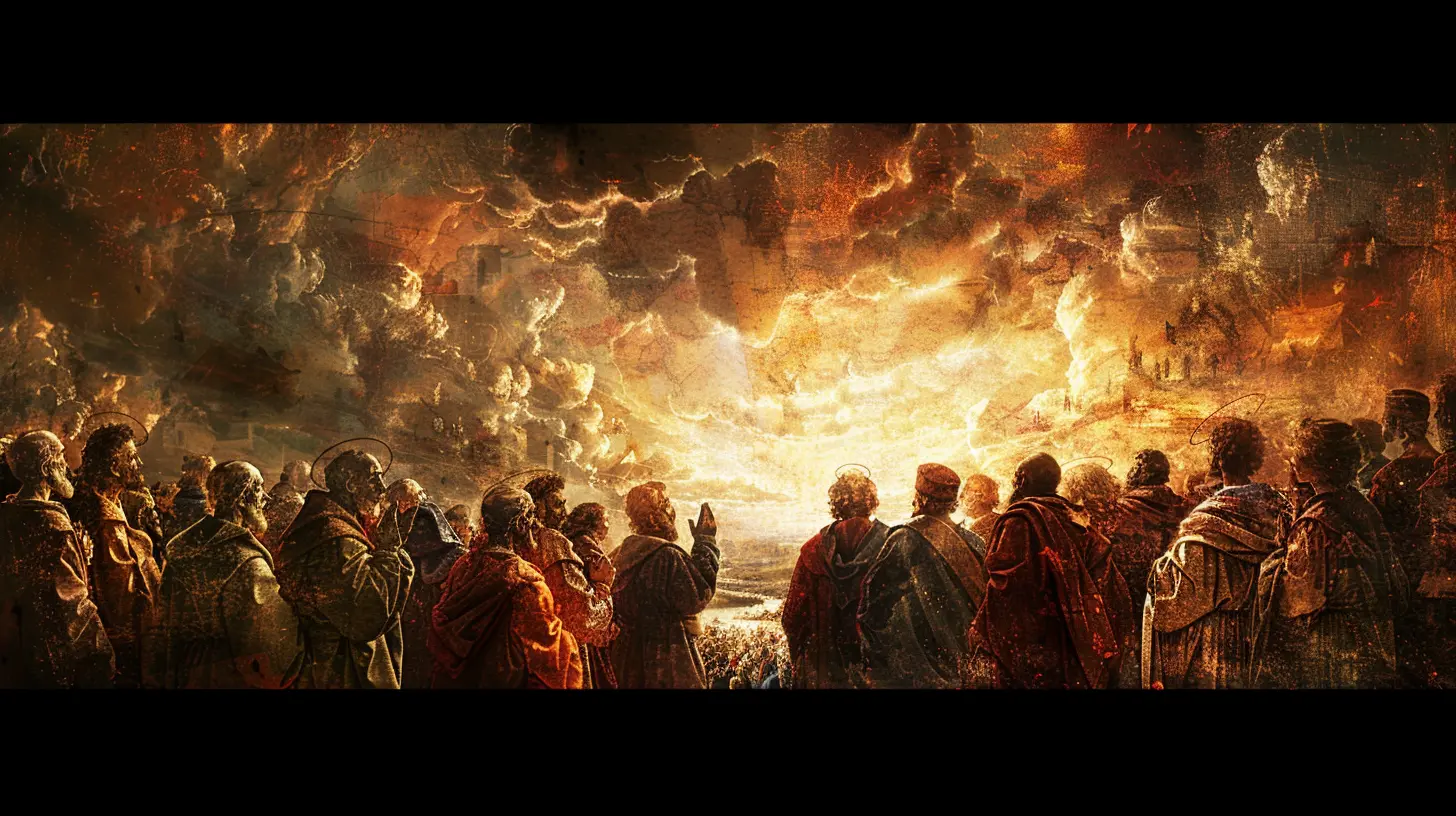
The Renaissance & Reformation: The Church’s Political Grip is Challenged
By the time the Renaissance rolled around, people started questioning the political power of the Church. Enter Martin Luther and the Protestant Reformation. Luther’s 95 Theses criticized the corruption within the Catholic Church, leading to a massive split in Christianity.Suddenly, new Protestant sects popped up, and rulers had a choice—stick with the Pope or break free and establish their own state religions. This shift reduced the Church’s dominance and led to the rise of secular rulers who no longer needed religious approval for their authority.
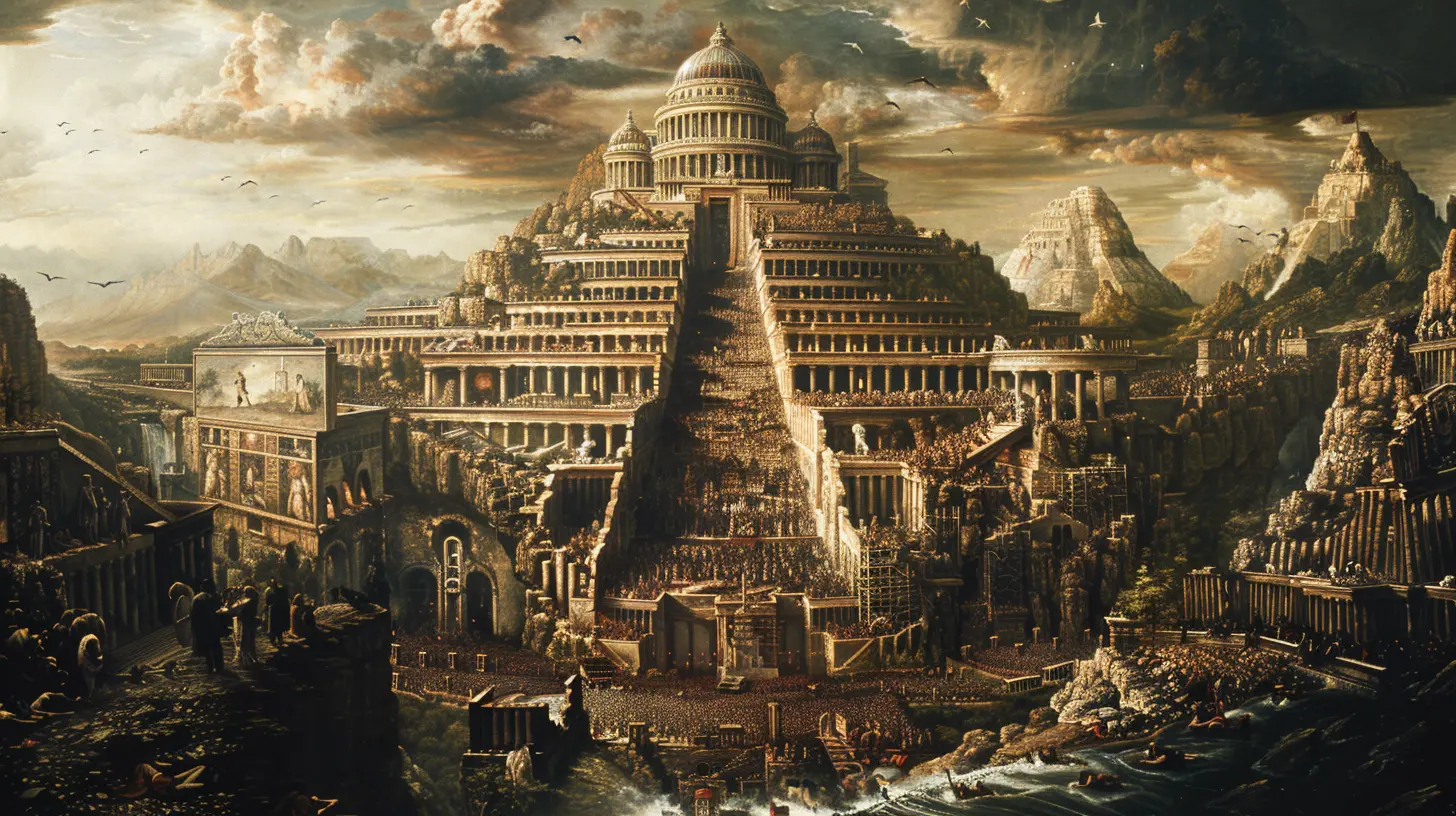
The Enlightenment: The Push for Separation of Church and State
The Enlightenment took things even further. Philosophers like John Locke and Voltaire argued for secularism, the idea that religion and government should be separate. The idea gained traction, especially in America and France, where revolutionary movements sought to strip religious institutions of political power.The American Revolution and the First Amendment
When the United States was founded, one of its key principles was the separation of church and state. The First Amendment specifically prevented the government from establishing a national religion or favoring one faith over another. This was a radical idea at the time, especially considering that many European nations still had state-backed churches.The French Revolution: A War on Religious Influence
France took things even further. During the French Revolution, radicals sought to eliminate the Church’s grip on politics entirely. Religious properties were confiscated, clergy were stripped of power, and the idea of a secular state gained momentum.Modern Politics: Religion’s Influence Still Lingers
Despite the push for secularism, religion still plays a massive role in politics worldwide. In some countries, religious beliefs shape laws and political ideologies. In others, leaders use religion to appeal to the masses and gain support.The United States: Religion in Political Debates
Even though America prides itself on the separation of church and state, religion still plays into politics. Issues like abortion, same-sex marriage, and education policies often see heavy religious influence. Politicians regularly use faith-based rhetoric to gain votes, and religious groups continue to hold political sway.The Middle East: Theocratic Governments
In places like Iran and Saudi Arabia, religion isn’t just influential—it is the law. These nations operate under religious legal systems, where Islamic principles dictate governance, law, and social policies. This is a direct reflection of how religion continues to hold political power in certain parts of the world.India: Religion and Nationalism
India’s politics are also deeply intertwined with religion. Hindu nationalism has grown in influence, and religious tensions often fuel political conflicts. Religious identity politics play a crucial role in elections, policies, and even daily life.
The Double-Edged Sword of Religion in Politics
So, has religion’s influence on politics been good or bad? Well, the answer isn’t simple. Religion has provided moral guidance, unified societies, and inspired movements for justice and equality (think Martin Luther King Jr. and the Civil Rights Movement).But let’s not ignore the darker side. Religion has justified oppression, fueled wars, and created deep societal divides. When leaders exploit religion for political gain, things tend to go south—fast.
Final Thoughts
Religion and politics have always been entangled, shaping laws, governments, and societies for thousands of years. While modern secularism has attempted to separate the two, religion’s influence on politics is far from over.As society evolves, the role of religion in politics will continue to be debated. Will we move towards complete secularism? Or will religious influence persist in shaping policies and laws? One thing’s for sure—this age-old relationship is nowhere near being over.
all images in this post were generated using AI tools
Category:
Social StudiesAuthor:

Eva Barker
Discussion
rate this article
2 comments
Kaleb Dodson
Religion and politics: the original odd couple! Like oil and water, they mix, but often leave a messy splash. Let’s hope history isn’t taking notes for a sequel!
December 29, 2025 at 3:34 AM
Eva Barker
Thank you for your insightful comment! Indeed, the interplay between religion and politics has shaped history in complex ways, often creating both conflict and cohesion. Let's hope we can learn from the past to navigate future challenges.
Callista Barker
This article effectively highlights the intricate interplay between religion and politics over time, revealing how belief systems have shaped governance and societal norms, often driving both conflict and cohesion in communities.
December 24, 2025 at 5:31 AM
Eva Barker
Thank you! I'm glad you found the article insightful in exploring the complex relationship between religion and politics.