The Importance of Language Learning in a Globalized World
4 August 2026
Have you ever found yourself struggling to communicate while traveling or doing business with people from different countries? In our increasingly interconnected world, language learning has become more vital than ever. It goes beyond just communication—learning a new language opens doors to new cultures, career opportunities, and even cognitive benefits.
In this article, we’ll dive into why language learning is crucial in today’s globalized society, how it benefits individuals and communities, and how you can get started on your own language journey.

The Power of Language in a Connected World
Language is the backbone of human interaction. Whether you're in an airport, a business meeting, or a new country, being able to speak another language can make all the difference. With globalization bringing people and economies closer together, the ability to communicate effectively across cultures is more than just a skill—it’s a necessity.Breaking Cultural Barriers
Imagine being able to walk into a café in Paris and order a croissant with perfect French pronunciation. Or engaging in a deep conversation with locals in Tokyo. Language is the key to unlocking authentic cultural experiences.When you learn a new language, you don’t just memorize words and grammar—you gain insights into different ways of thinking, traditions, and customs. This fosters cross-cultural understanding and reduces misunderstandings that can arise from language barriers. In an era where global cooperation matters more than ever, being multilingual helps create better relationships between people from diverse backgrounds.

Career Opportunities in a Multilingual World
A Competitive Edge in the Job Market
The job market is no longer limited by geographical boundaries. Employers now seek candidates who can communicate with international clients, partners, and colleagues. Being bilingual or multilingual gives you a competitive edge in various industries, including business, healthcare, education, and international relations.According to studies, employees who speak multiple languages often earn higher salaries than their monolingual counterparts. Companies value professionals who can negotiate deals, handle customer service, and expand market reach in multiple languages.
Global Business and Trade
International trade relies on effective communication. Companies looking to expand globally need employees who can navigate different languages and cultural norms. Whether you're working in marketing, sales, or customer support, speaking another language can enhance your ability to connect with global audiences and build meaningful relationships.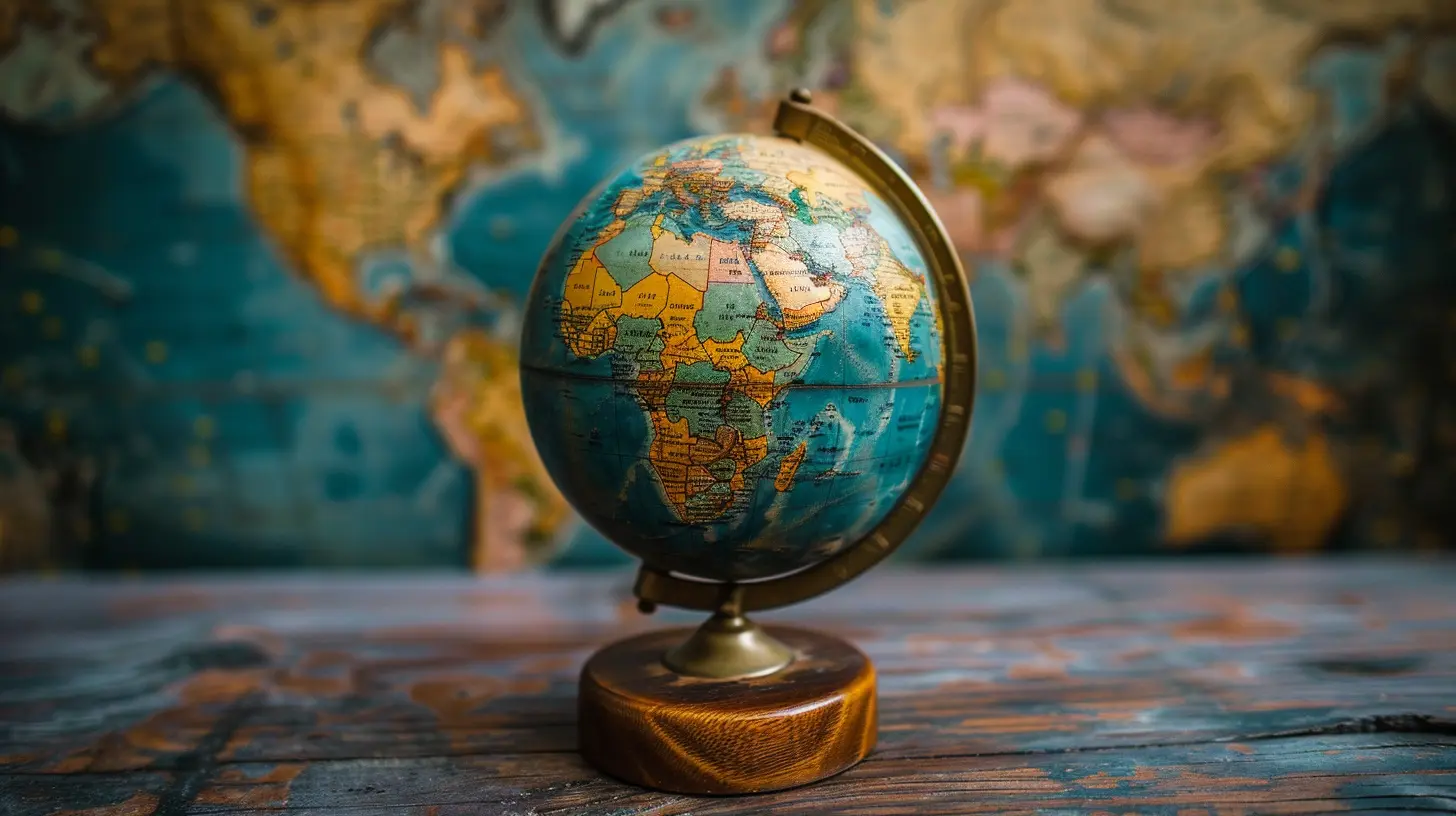
Cognitive Benefits of Learning a New Language
Learning another language doesn’t just make you more employable—it also has incredible effects on your brain.Boosts Memory and Problem-Solving Skills
Studies show that bilingual individuals have better memory, problem-solving skills, and multitasking abilities. Learning a new language forces your brain to recognize, negotiate meaning, and communicate in different ways. This constant mental exercise strengthens cognitive functions and keeps your brain agile.Delays Cognitive Decline
Research suggests that speaking multiple languages can delay the onset of dementia and Alzheimer’s disease. Since language learning improves brain function, it acts as a workout for your mind, keeping it sharp even as you age. It’s like going to the gym—but for your brain!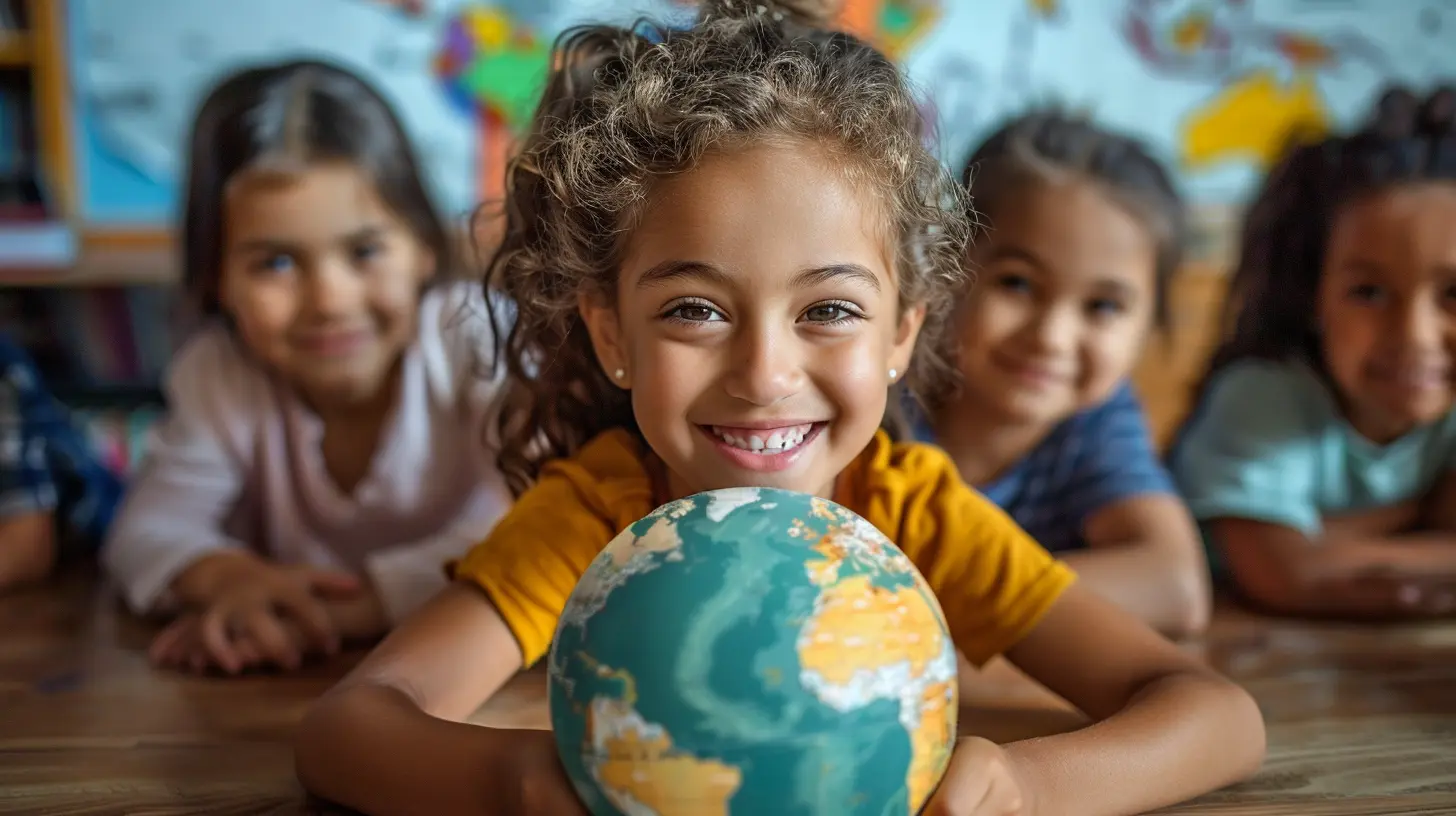
Social and Personal Growth
Building Stronger Relationships
Speaking someone’s native language instantly creates a bond. Whether you're making new friends or deepening existing relationships, language learning allows for more meaningful connections. It shows respect and effort, making interactions more genuine and enjoyable.Boosting Confidence and Adaptability
Have you ever felt nervous about speaking in a different language? That’s natural! But overcoming this challenge builds confidence. Each successful conversation boosts your self-esteem, making you more adaptable in unfamiliar situations. Whether you're traveling, studying abroad, or working in a multicultural environment, language skills help you navigate new experiences with ease.How to Get Started with Language Learning
Feeling inspired to learn a new language? Here are some practical steps to get started:1. Choose a Language That Interests You
Pick a language that excites you! Maybe you love Japanese culture, dream of visiting Spain, or want to boost your career with Mandarin. Your motivation will keep you engaged throughout the learning process.2. Use Language Learning Apps
Apps like Duolingo, Babbel, and Rosetta Stone make language learning fun and accessible. They use interactive exercises, gamification, and real-life conversations to help you practice daily.3. Practice with Native Speakers
Nothing beats real conversations! Platforms like HelloTalk, Tandem, or even social media groups connect you with native speakers for language exchange. Immersing yourself in the language through speaking, listening, and writing is key to fluency.4. Watch Movies, Listen to Music, and Read in Your Target Language
Immerse yourself in the language’s culture by watching films, listening to music, or reading books in that language. This improves vocabulary, pronunciation, and comprehension while keeping the learning process enjoyable.5. Be Consistent and Patient
Language learning is a marathon, not a sprint. Set realistic goals, practice consistently, and celebrate small achievements. Over time, you’ll notice improvement, and before you know it, you’ll be speaking fluently!
Conclusion
In a world that's becoming more interconnected every day, learning a new language is no longer just a hobby—it’s a necessity. From career advancements to cognitive benefits and personal growth, language learning opens doors to countless opportunities.Whether you're looking to boost your job prospects, travel with confidence, or simply connect with people from different cultures, investing in language skills is one of the best decisions you can make. So why not start today? The world is waiting for you—one language at a time!
all images in this post were generated using AI tools
Category:
Global EducationAuthor:

Eva Barker
Discussion
rate this article
1 comments
Maisie McGee
Language learning is crucial today. It fosters communication, cultural understanding, and collaboration across borders. In an ever-connected world, speaking multiple languages not only enhances personal growth but also opens up countless opportunities in both life and career.
August 4, 2026 at 3:18 AM