The Importance of Indigenous Knowledge in Global Education
6 April 2026
Education is often seen as the golden key to progress. But have you ever stopped to think about who’s holding the keyring? For centuries, mainstream education systems around the world have largely been shaped by Western ideals, philosophies, and scientific perspectives. While those have certainly brought benefits, they often overlook something deeply valuable — Indigenous knowledge.
So today, let’s take a step back and break out of the usual mold. Let’s talk about what Indigenous knowledge really means and why it's crucial — not just for Indigenous communities but for the entire world. Pull up a chair, because this is a conversation that deserves your attention.
What Is Indigenous Knowledge?
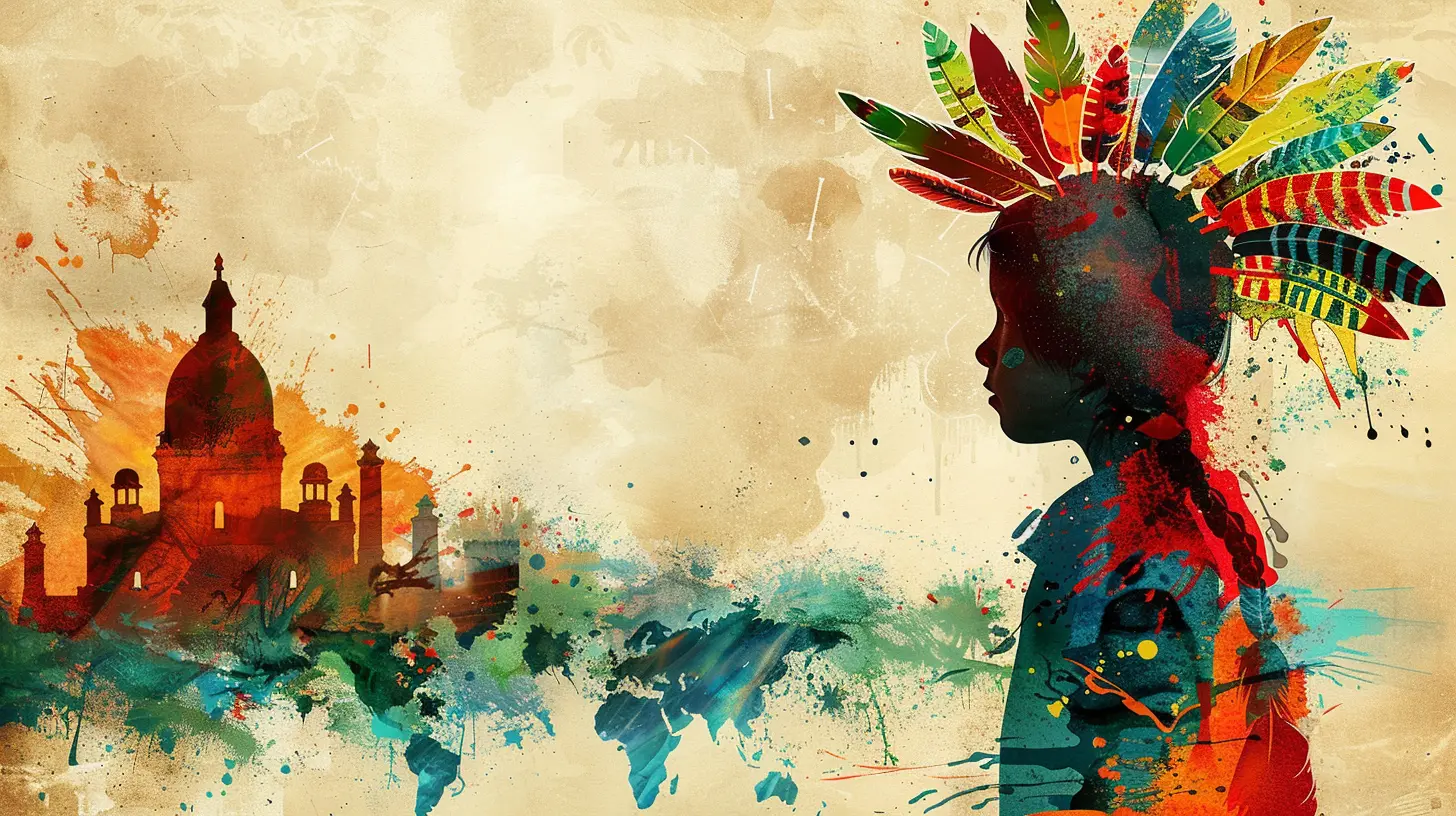
Before we dive into the “why,” let’s clear up the “what.” Indigenous knowledge refers to the understandings, skills, and philosophies developed by Indigenous peoples over thousands of years. It’s deeply rooted in local culture, traditions, environment, and history.Think of it this way — it’s knowledge that's been passed down orally, through storytelling, rituals, songs, and hands-on practices. It’s the kind of wisdom that isn’t often found in textbooks but is carved into the land, the community, and the heart.
And here's the kicker: it's not outdated. Indigenous knowledge systems are dynamic, evolving continually while staying true to their roots. They're hyper-local, but their impact can be profoundly global.
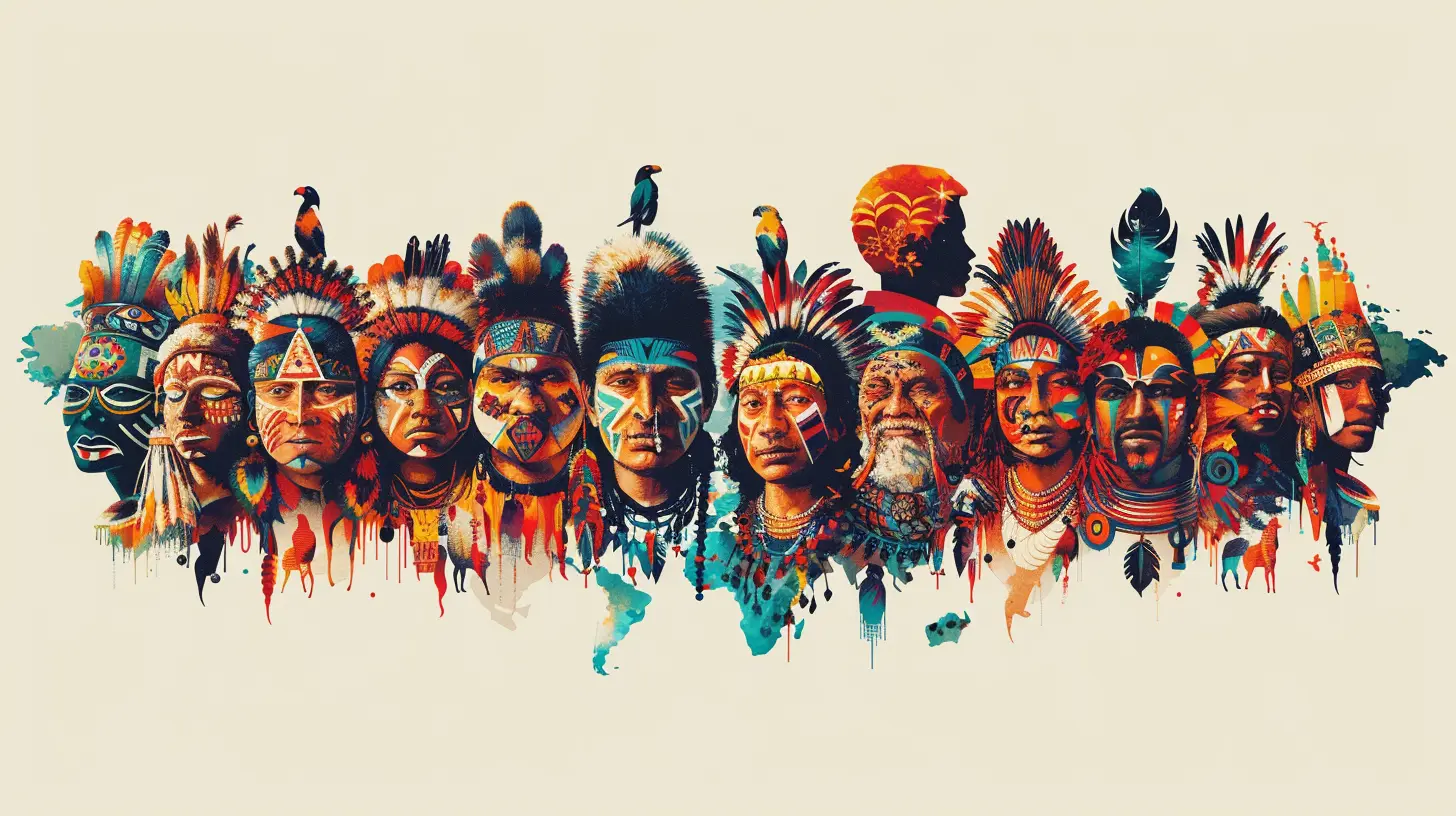
Why Does This Matter in Modern Education?
You might be thinking, “Cool, but how does this tie into global education?” Great question.1. It Promotes Cultural Diversity and Inclusion
Let’s face it, schools can be pretty one-sided when it comes to whose voice gets heard. Integrating Indigenous perspectives doesn't just add color to the curriculum — it validates the lived experiences of Indigenous students and creates a learning environment where everyone feels seen and respected.By weaving Indigenous knowledge into the fabric of education, we aren't just checking the "diversity box." We're honoring a living heritage and giving students around the world a broader, richer worldview.
2. It Encourages Critical Thinking
You know what's remarkable? Indigenous knowledge often offers alternative ways of seeing the world. Where Western science might isolate variables, Indigenous wisdom looks at the whole system — how everything connects.This difference in thought process pushes students to think critically, ask better questions, and remain open to different ways of knowing. Imagine the power of young minds trained to see problems from multiple angles — that's game-changing.
3. It's a Goldmine for Environmental Education
Indigenous communities are some of the original environmentalists. They’ve been living in harmony with nature long before "sustainability" became a buzzword.Take traditional fire practices in Australia, sustainable forest management in the Amazon, or water conservation techniques used by Native American tribes. These aren’t just historical anecdotes — they’re real solutions to today’s climate crisis.
By integrating this knowledge into science and geography classes, we empower students with practical tools and broaden their understanding of sustainability.
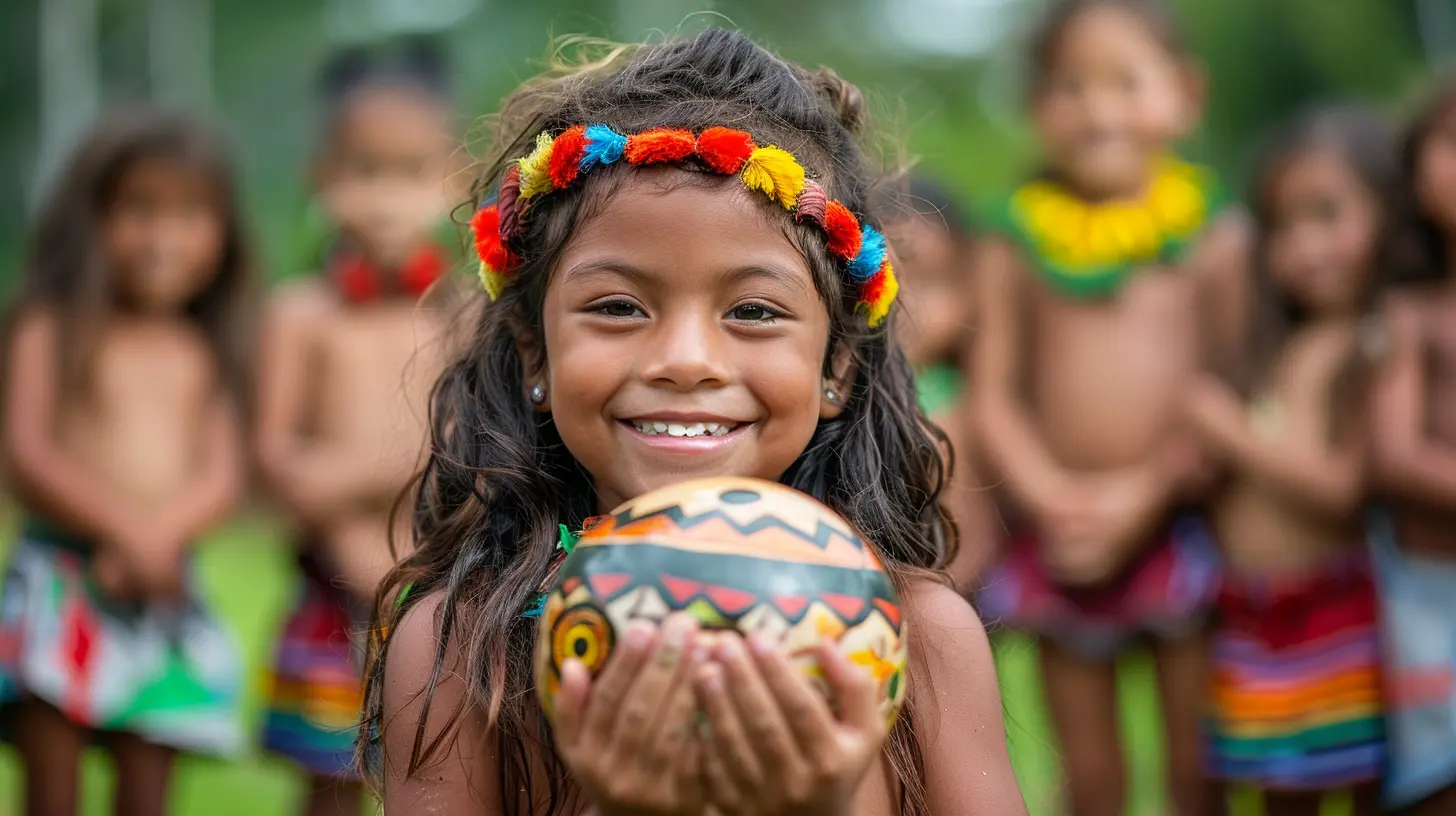
The Challenges of Integration
Let’s be honest — it’s not all sunshine and rainbows. There are real hurdles when trying to embed Indigenous knowledge into mainstream education.Misrepresentation and Tokenism
One of the biggest dangers is the "checklist approach" — throwing in a traditional story or legend without context just to say it’s been included. That’s not respect, that’s tokenism.Authentic integration means understanding the depth and value of the knowledge, and honoring how it's shared traditionally — often through Elders, oral traditions, and relationship-based learning.
Language Barriers
Much of Indigenous knowledge is preserved in Indigenous languages. When those languages die, huge chunks of wisdom die with them. Incorporating language preservation efforts into education is key. It’s more than just words — it’s identity, perspective, and soul.Curriculum Constraints
Let’s not ignore the red tape. Standardized testing, rigid curricula, and lack of training for educators can make it tough to bring Indigenous perspectives into the classroom. It requires systemic change — a shift in priorities, funding, and mindset.
Bridging the Gap: How We Can Do Better
So, how do we actually make space for Indigenous knowledge in global education without turning it into a buzzword or an afterthought?Involve Indigenous Communities
Sounds obvious, right? But you’d be surprised how often decisions are made on behalf of Indigenous people, without their input. Real inclusion means collaboration. It means inviting Elders, leaders, and knowledge keepers into the classroom and curriculum design.Train Educators
Most teachers aren’t equipped to teach Indigenous knowledge — and that’s not their fault. Professional development that focuses on cultural sensitivity, historical context, and Indigenous pedagogies is a game-changer.Make Room in the Curriculum
We need to stop treating Indigenous knowledge as an “extra.” It’s not dessert at the end of the meal — it’s part of the main course. From science to literature, history to health — there’s room for Indigenous perspectives in every subject.Protect Indigenous Intellectual Property
Respecting Indigenous knowledge means recognizing its ownership. It’s not just a shared resource for the taking. We need policies and practices that safeguard this knowledge from exploitation — especially by corporations and institutions.Real-World Examples That Inspire
Let’s highlight some communities and programs getting it right.Aotearoa (New Zealand)
New Zealand has been a trailblazer in incorporating Māori knowledge into the national curriculum. Te Reo Māori (the language) and Tikanga Māori (customs and traditions) are now essential parts of learning for all students. It’s not just about cultural preservation — it’s about national identity.Canada
Canada has made strides by including Indigenous perspectives in education policy, particularly after the release of the Truth and Reconciliation Commission’s Calls to Action. Programs focus on Indigenous history, land-based learning, and Indigenous-led teacher training.Brazil and the Amazon
Some Brazilian schools located in or near Indigenous territories now include curricula created by local Indigenous communities. Students learn both Portuguese and native languages, gaining dual perspectives on science, ecology, and history.
The Bigger Picture: Why It Matters for Everyone
Even if you’re not Indigenous or don’t live near an Indigenous community, this still matters. Why? Because we live in a deeply interconnected world. The challenges we face — from climate change to cultural homogenization — require collective wisdom.Indigenous knowledge isn’t just a “nice to have.” It’s a “need to have.” It’s the compass we’ve been ignoring while sailing rough waters.
And here’s something beautiful — when we honor Indigenous wisdom, we’re not just lifting up one group. We’re enriching the whole of humanity.
Final Thoughts
The importance of Indigenous knowledge in global education isn’t a trend. It’s a transformative shift that’s long overdue.If we want education to truly prepare students for the world — and not just the world as it was, but as it is and will be — then we need to make Indigenous voices a core part of the conversation. Not as guests in someone else's house, but as builders of the foundation.
So let’s reimagine learning. Let's broaden our truths. Let’s teach not just facts, but wisdom. Because in the end, the world doesn’t need more standardized thinkers. It needs more connected, conscious, and compassionate minds — and Indigenous knowledge has a huge role to play in that evolution.
all images in this post were generated using AI tools
Category:
Global EducationAuthor:

Eva Barker
Discussion
rate this article
2 comments
Gunnar McGonagle
This article beautifully highlights the vital role of Indigenous knowledge in enriching global education. It’s essential for fostering a deeper understanding of diverse cultures and perspectives. Incorporating these insights can empower learners and create a more inclusive educational environment. Thank you for sharing!
April 8, 2026 at 4:42 AM
Eva Barker
Thank you for your thoughtful comment. I appreciate your support for incorporating Indigenous knowledge into education. It truly enriches our understanding of the world.
Tempest McGlynn
What a joyful reminder of the richness that Indigenous knowledge brings to global education! Embracing these perspectives not only enriches learning but also fosters respect and understanding. Let's celebrate and incorporate this wisdom in our classrooms! 🌍✨
April 7, 2026 at 12:33 PM
Eva Barker
Thank you for highlighting the vital role of Indigenous knowledge in education! Embracing these perspectives truly enhances learning and fosters a deeper respect for cultural diversity. Let's continue to celebrate and integrate this wisdom! 🌍✨