The Impact of UNESCO’s Global Education Agenda
30 June 2026
Let’s face it—education makes the world go 'round. It’s the spark that lights up minds, the secret sauce behind innovation, and often, the ticket out of poverty. But how do we make sure everyone gets a fair shot at learning, regardless of where they live or how much money they have?
That’s where UNESCO steps in with its Global Education Agenda. No capes or superpowers, just a bold vision to transform education worldwide. In this article, we’re going to unpack what this agenda really means, why it matters, and how it’s shaping classrooms (and futures) across the globe.
Ready to turn the page? Let’s dive in!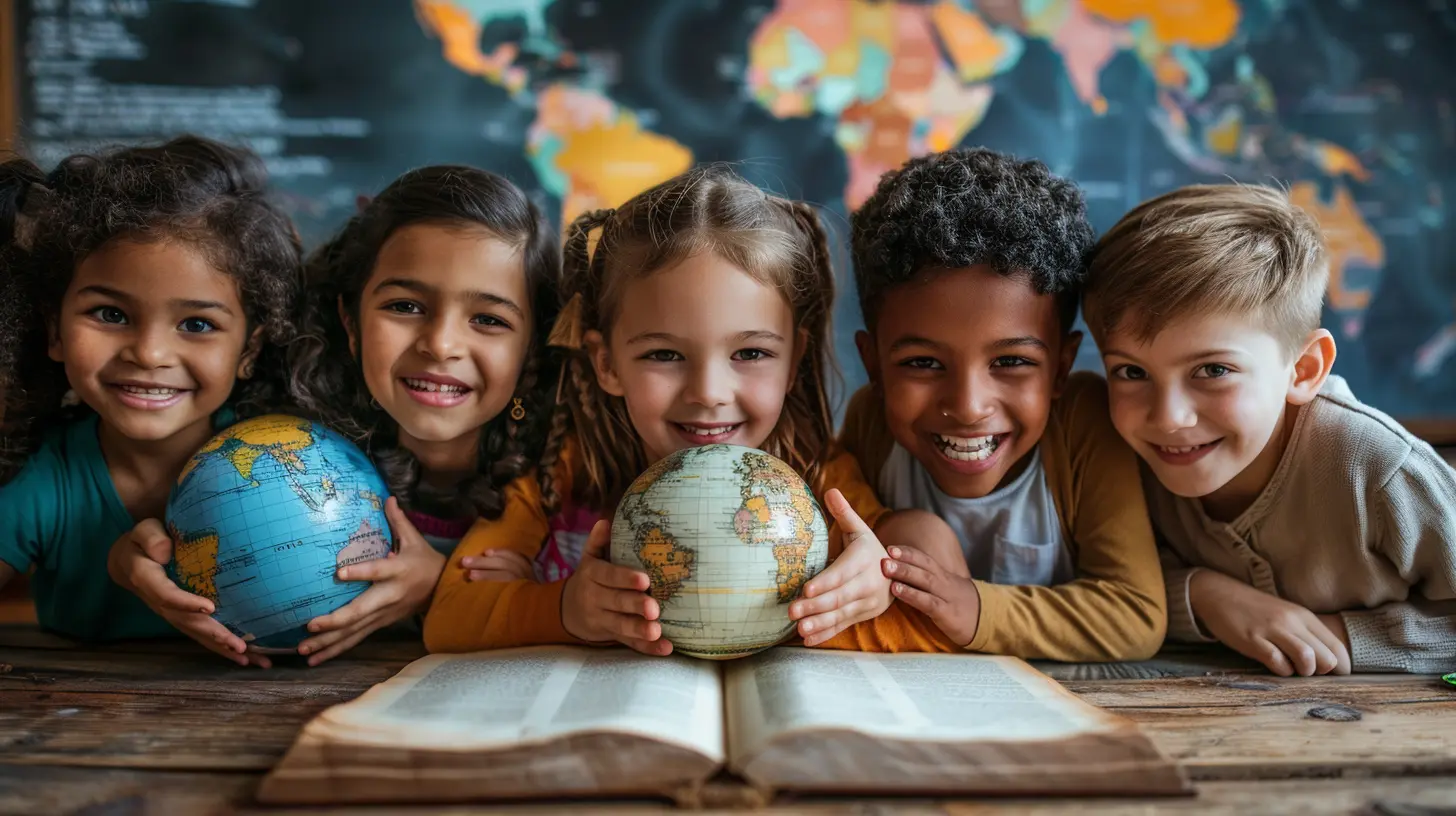
What on Earth Is UNESCO’s Global Education Agenda?
Okay, so first things first—what is UNESCO anyway?UNESCO stands for the United Nations Educational, Scientific and Cultural Organization. Quite a mouthful, right? Think of it as the global guidance counselor helping countries improve their schools, protect cultural heritage, and boost science and tech innovation.
Now, their Global Education Agenda is part of a bigger plan called the Sustainable Development Goals (SDGs) launched by the United Nations in 2015. Specifically, we’re talking about Goal 4: Quality Education. It’s all about “ensuring inclusive and equitable quality education and promoting lifelong learning opportunities for all.”
Yeah, we know—that’s a lot of words. So, let’s break it down.
Imagine a checklist that says:
- Every child should go to school.
- Everyone should get a good education, not just any education.
- People should be able to keep learning, even as adults.
UNESCO’s job? Help make all that happen by 2030.
Goals Within the Goal: A Closer Look
Let’s dig into the nitty-gritty of what Goal 4 actually includes. It’s got seven targets and three means of implementation (a fancy way of saying: “Here’s what we want to achieve, and here’s how we plan to do it”).? Main Targets
1. Universal Primary and Secondary EducationYep, this one’s about making sure all kids go to school and actually finish it.
2. Early Childhood Development
Get ‘em learning young! This target supports pre-primary education so kids start with a solid foundation.
3. Equal Access to Affordable Technical, Vocational, and Higher Education
It’s not just about elementary school—college, trade schools, and other higher-ed opportunities should be within reach too.
4. Relevant Skills for Employment
Because what’s the point of education if it doesn’t help you get a job, right?
5. Gender Equality and Inclusion
No one gets left behind. Girls, children with disabilities, and marginalized groups all deserve equal opportunities.
6. Universal Literacy and Numeracy
Everyone should be able to read, write, and do basic math. Period.
7. Education for Sustainable Development and Global Citizenship
Basically, teaching people to care for the planet and be kind humans.
? Means of Implementation
These are the gears turning behind the scenes:- Effective learning environments
- More scholarships
- Well-trained teachers
So yes, there’s a method to the madness!
Why Should You Care About This Agenda?
You might be thinking, “Cool, but how does this affect me or anyone else outside of a policy meeting room?” Well, imagine this:You’re in a classroom with cracked walls, 60 students squished into a room made for 20, and a textbook from 1988. Oh, and no trained teacher. That’s the reality for millions of kids around the world.
The Global Education Agenda isn’t just some idealistic wish list. It’s helping real people, in real places, change their realities.
By promoting fair access to education, this agenda is:
- Reducing poverty
- Shrinking gender gaps
- Boosting economies
- Encouraging peace and understanding
Pinch me, right? It might sound like a utopia, but progress is being made!
Real Talk: How Is the Agenda Playing Out Around the World?
Let’s bring this down to Earth. Here are some eye-opening ways countries are implementing the agenda:? Ethiopia: Empowering Girls through Education
Ethiopia launched projects focused on getting girls back in school, supplying sanitary products, and building gender-friendly toilets. Sounds basic, but these changes are helping thousands of girls stay in class.?? Bangladesh: Teaching Teachers
Bangladesh has rolled out nationwide teacher training programs to improve quality learning. Because guess what? Skilled teachers are one of the biggest deciding factors in student success.?️ Uruguay: #DigitalLearning FTW
Uruguay handed out free laptops to students and installed internet across schools. The result? A digital learning revolution in a small South American country!Each of these countries is using UNESCO’s roadmap but customizing it to fit their own needs. It’s like following a recipe but adding your own spice.
Challenges and Roadblocks (Because Nothing Worth Doing Is Easy)
Alright, time for a reality check. Even with ambitious goals and good intentions, challenges persist:- Funding Shortages
Education doesn’t come cheap. Many countries struggle to allocate enough budget for quality learning.
- Conflict Zones
War and violence keep millions of kids out of school. Think Syria, Yemen, parts of Africa—it’s heartbreaking.
- Digital Divide
While some kids are zooming through online lessons, others don’t even have electricity.
- Pandemics (Looking at You, COVID-19)
The pandemic widened educational gaps, especially for underprivileged communities.
But here’s the thing: having an agenda gives the world a compass. Even when storms hit, we can still see the direction we need to go.
Tech Meets Teaching: The Digital Dimension
Let’s talk tech. If you thought TikTok was the only place people are “educating” themselves, think again!UNESCO has championed digital learning platforms, OERs (open educational resources), and teacher e-training. During the pandemic, these tools were lifesavers—keeping students connected and educators supported.
And it's not just about gadgets. It’s about access. Think about it—what good is a shiny tablet if you can’t charge it or there’s no signal?
That’s why the agenda also highlights equity in digital learning. Everyone should get the chance to ride the digital wave, not just the lucky few.
Future Vibes: Where Do We Go from Here?
Alright, we’re cruising into the future. Looking ahead, here’s what’s next in the world of global education:- More Focus on Climate Education
Kids today are tomorrow’s planet protectors. Expect more green classrooms and eco-curriculums.
- Mental Health in the Curriculum
Mental well-being is finally getting some much-needed spotlight. Because if you’re not okay inside, learning becomes 10x harder.
- Personalized Learning
AI, data tracking, and smart tools will make education more tailored—no more one-size-fits-all.
- Community-Led Education Models
Locals know best. Watch for a rise in grassroots education programs where communities take the lead.
The Global Education Agenda isn’t a stiff document gathering dust. It’s evolving, adapting, and most importantly—listening to what the world needs.
So…Does the Agenda Actually Work?
Here’s the million-dollar question: is the UNESCO Global Education Agenda really making a difference?The short answer? YES—but with room to grow.
Thanks to this agenda:
- More girls are in school than ever before.
- Adult literacy rates are climbing.
- Teachers are being trained better and faster.
- Global awareness of education challenges is sky-high.
But the clock is ticking. With 2030 just around the corner, countries need to accelerate efforts to meet the agenda’s goals. It’s a group project—and the whole world is graded together.
Final Thoughts: Education Is a Team Sport ?
At the end of the day, the Global Education Agenda isn’t just UNESCO’s baby—it’s ours. Every parent, teacher, student, and policy maker plays a role in shaping education’s future.So next time you walk past a school, attend a lecture, or help your sibling with homework, remember: you’re part of something much bigger.
The roadmap is there. The goals are clear. Now it’s time to roll up our sleeves and get to work—because a world where everyone gets to learn is a world where everyone gets to thrive.
all images in this post were generated using AI tools
Category:
Global EducationAuthor:

Eva Barker
Discussion
rate this article
1 comments
Pearl McMaster
UNESCO's Global Education Agenda highlights the crucial need for equitable access to quality education worldwide, fostering not just knowledge but also collaboration and cultural understanding among diverse communities.
July 2, 2026 at 4:17 AM
Eva Barker
Absolutely, equitable access to quality education is essential. It not only equips individuals with knowledge but also builds bridges between cultures, promoting unity and collaboration across diverse communities.