The Impact of Classroom Layout on Student Engagement
7 January 2026
Have you ever walked into a room and instantly felt out of place? Or maybe you've entered a space and suddenly felt energized and ready to dive into whatever task was at hand. That’s the power of environment — and it's just as true in classrooms as it is anywhere else.
When we talk about student engagement, things like teaching strategies, lesson plans, and technology often steal the spotlight. But the actual physical layout of the classroom? That can be a game-changer — or a deal-breaker. It’s often overlooked but, trust me, it holds more influence than you might realize.
In this article, we’re going to unpack how classroom design impacts student engagement, why it matters more than you think, and what educators can do to create spaces that foster attention, creativity, and connection.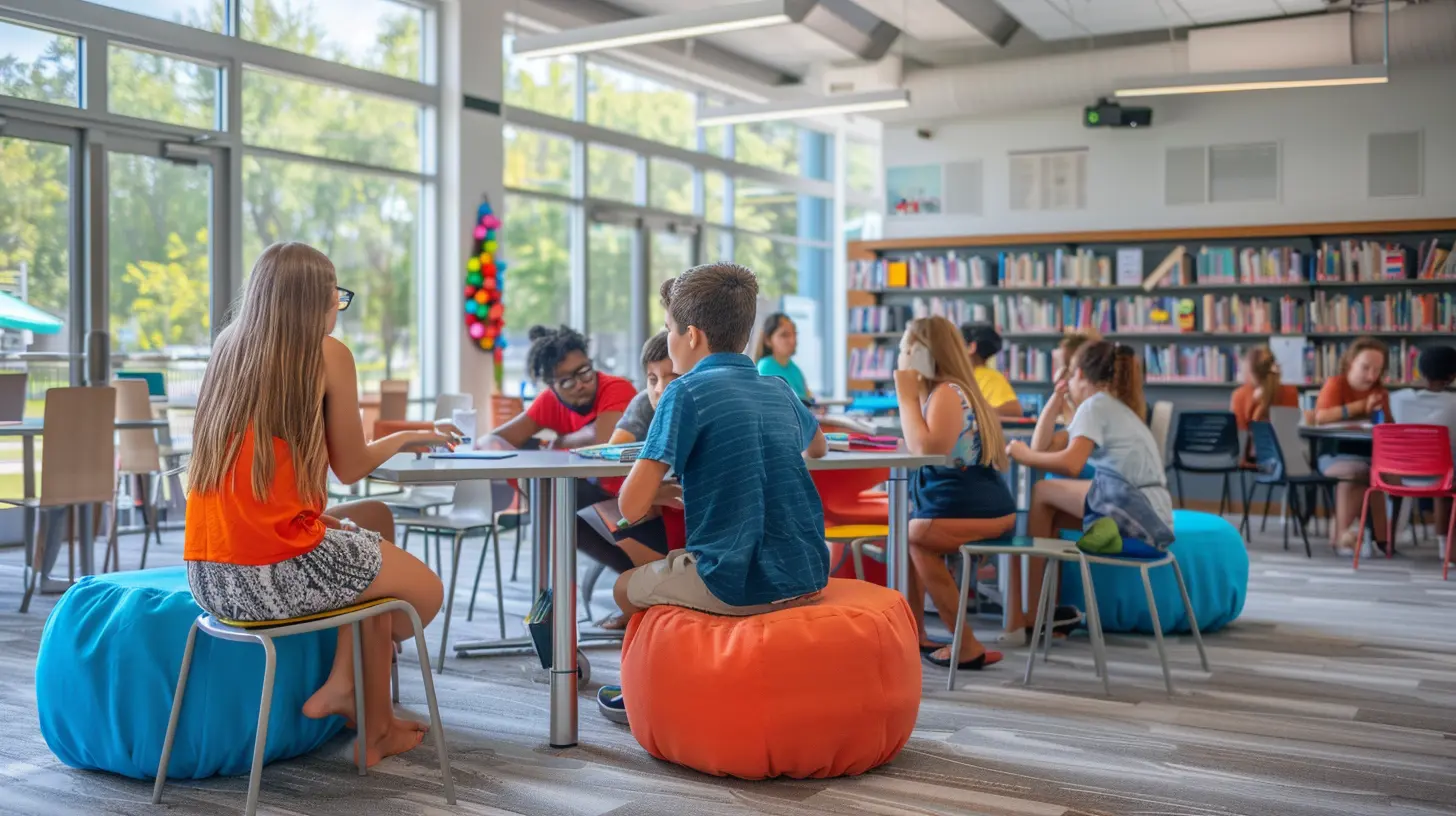
What Do We Mean by "Classroom Layout"?
Before we go deeper, let’s break it down. When we say "classroom layout," we're not just talking about where the desks are placed. It's everything — from lighting and furniture arrangement to wall colors and even the distance between students and their teacher. It’s the entire atmosphere, the vibe, the physical settings that students walk into every single day.Think of it like the stage in a play. No matter how talented the actors are, they need a well-designed set to perform at their best. The same goes for students and teachers.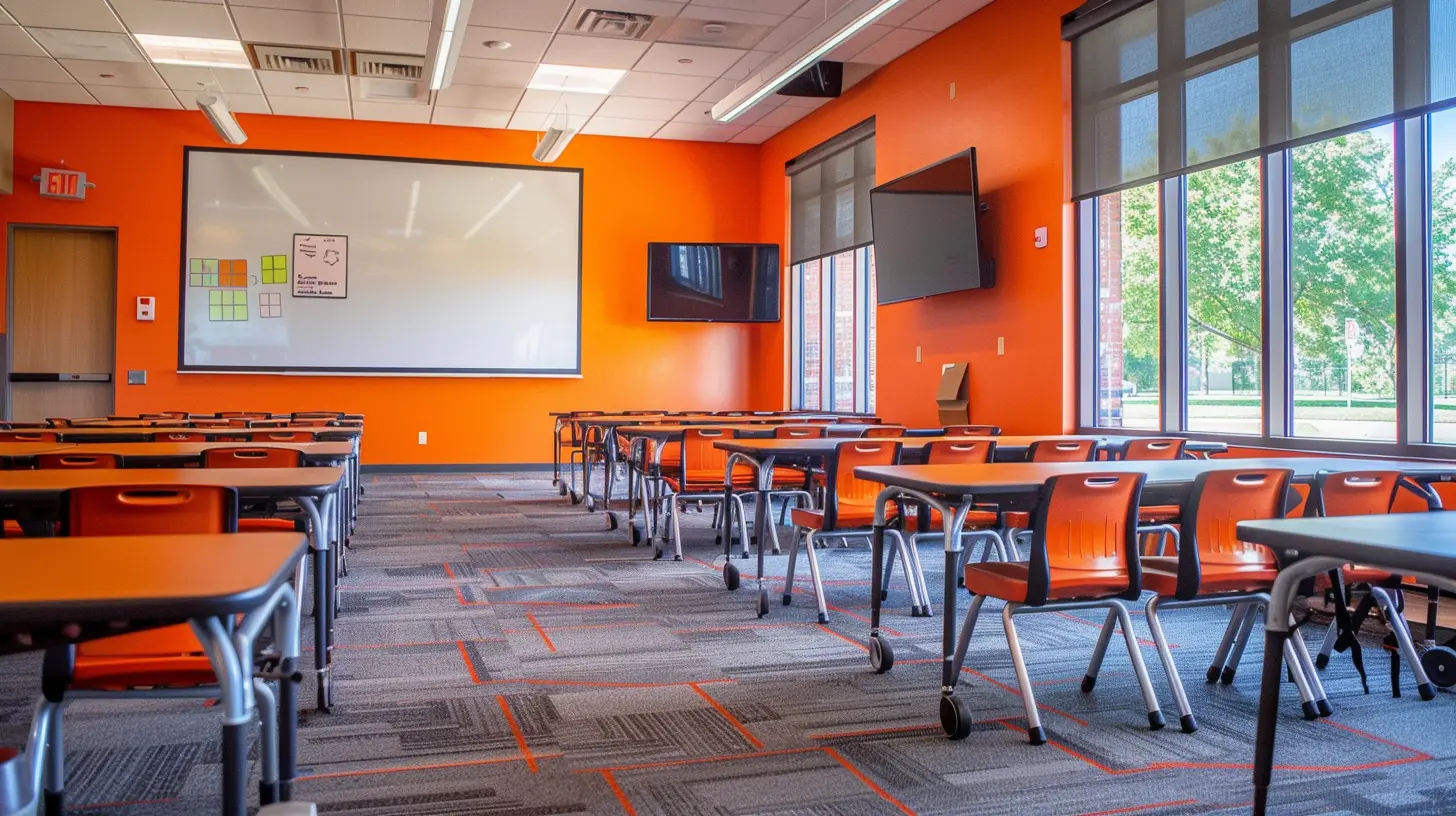
Why Student Engagement Matters So Much
We can’t really talk about classroom layout without first understanding why engagement is the golden ticket in education. Engagement means students are mentally, emotionally, and sometimes even physically invested in their learning. And when students are engaged, magic happens — they retain more, apply more, and even enjoy the process (shocking, I know!).But here’s the kicker: disengaged students aren’t just bored. They’re missing out on meaningful learning opportunities. And that has long-term consequences — academically, socially, and emotionally.
Classroom Layout: More Than Just Aesthetic
Sure, a classroom that “looks nice” is a bonus. But layout isn’t about style points — it’s about student outcomes. The way a classroom is set up can affect the following:- Focus and attention
- Participation frequency
- Sense of belonging
- Collaboration opportunities
- Behavior and discipline issues
So if you think classroom layout is just about fitting students into a room, think again.
Traditional Layouts: Rows and Regret?
Let’s start with what many of us probably grew up with — the classic row-by-row seating. Neat, uniform, and painfully rigid. This layout prioritizes control and visibility from the teacher’s perspective. Everyone faces forward. The teacher is front and center. Easy to manage, but at what cost?This kind of setup often leads to passive learning. Students sit. They listen. Maybe they take notes. But interaction? Not so much. It’s kind of like watching a TV show instead of playing in a game. You're there, but you're not really in it.
And let’s be real — today’s students are different. They crave interaction. They grow up surrounded by interconnectivity and expect their environments to reflect that.
The Rise of Flexible Seating
Now, let’s flip the script. Flexible seating is gaining traction — and for good reason. Picture a classroom with cozy reading corners, standing desks, bean bags, group tables, and floor cushions. Sounds more like a co-working space than an old-school classroom, right? But that's the point.Flexible seating gives students some autonomy. They get to choose where and how they learn best. Want to sit on the floor with a clipboard? Go for it. Prefer a wobble stool to stay focused? You got it.
This freedom in choosing seats can lead to:
- Increased comfort, which boosts focus
- Fewer behavior issues because students feel responsible for their choices
- Higher motivation and enthusiasm for tackling tasks
When students feel seen and respected in how they learn, it changes everything.
Layout and Collaboration: Better Together
Let’s talk teamwork. Group work isn’t just a teaching strategy — it’s a real-world skill. And the right classroom layout can make or break how well collaboration plays out.Compare a room full of single desks in rows to one made up of clusters of tables. In the latter, conversations flow naturally. Students can share ideas, problem-solve together, and encourage one another without awkwardly turning around or whispering under their breath.
Arranging desks in groups, circles, or U-shapes encourages:
- Stronger communication
- Active participation
- Peer teaching
- Social-emotional development
The space itself becomes part of the lesson — it speaks to students, signaling that sharing and cooperation are not just allowed, but expected.
Technology and Layout: Partners in Progress
In today’s classrooms, technology isn't optional — it's essential. But guess what? The layout needs to support it. You can’t shove a bunch of Chromebooks into a room designed for chalkboards and expect everything to magically work.A tech-friendly layout includes:
- Easy access to outlets
- Spaces for small-group tech work
- Clear sightlines for screens
- Cable management for safety (and sanity!)
The goal is seamless integration. Tech should feel like part of the learning flow, not an add-on or an afterthought.
The Psychological Side of Layout
Let’s go a little deeper. Classroom layout doesn’t just affect how students act — it affects how they feel. The emotional response to a space can influence whether a student feels safe and ready to learn, or stressed and distracted.Here’s how layout can help:
- Open spaces reduce feelings of being trapped or overwhelmed.
- Calm colors can lower anxiety and improve concentration.
- Natural light increases energy and mood.
- Personalized elements (like student art or choice in seating) create a sense of ownership.
Imagine walking into a warm, welcoming classroom where you feel like you belong. That’s not just nice — it’s necessary. A comfortable space supports a calm mind, and a calm mind can focus, explore, and grow.
Teachers Benefit Too
Let’s not forget the educators in the room. A well-designed layout doesn’t just affect students — it supports teacher workflow, physical movement, and classroom management.When teachers can move around easily, check on student progress quickly, and access materials without playing obstacle-course-hopscotch, everything runs smoother.
Plus, a layout that supports sound acoustics and clear visibility? That’s less shouting and fewer lost voices. A win-win all around.
Challenges and Realities
Okay, let's be honest. Not every school has the budget or space to create a Pinterest-worthy classroom. Some teachers are working with old buildings, outdated furniture, and class sizes that are way too big.That’s real, and that’s tough.
But even small changes can make a difference.
- Rearranging desks can encourage more interaction.
- Adding a few cushions, rugs, or posters can warm up the space.
- Creating “zones” for different activities can help with organization and flow.
Creativity often comes from limitations. There’s always a way to make the space better, even if it’s just one little corner at a time.
So, What Should Educators Aim For?
There’s no one-size-fits-all answer, but here are a few guiding principles to keep in mind when designing or tweaking a classroom layout:1. Flexibility is key – Students and lessons vary. So should the space.
2. Movement matters – Make it easy for everyone to move around.
3. Comfort enhances focus – Don’t underestimate the power of a good chair (or a comfy rug).
4. Collaboration should be natural – Arrange seating to make teamwork feel effortless.
5. Emotions affect engagement – Create an environment that feels welcoming, not clinical.
Final Thoughts: The Classroom Is a Living, Breathing Tool
At the end of the day, the classroom itself is more than a container for learning — it’s a powerful tool. It can invite students into the learning process or shut them out. It can whisper, “You matter here,” or scream, “Sit down and tune out.”The way we design these learning spaces speaks volumes about what we value. Are we encouraging curiosity? Are we prioritizing connection? Are we creating a stage where every student feels like the main character in their education journey?
It doesn’t take a full-blown renovation to start making an impact. Just some intention, a little creativity, and a whole lot of heart.
The students will feel it — and they’ll respond.
all images in this post were generated using AI tools
Category:
Educational PsychologyAuthor:

Eva Barker
Discussion
rate this article
2 comments
Selene Bellamy
Classroom layout isn’t just decoration; it’s a catalyst for engagement. Transform spaces to spark curiosity and collaboration—traditional setups are obsolete and stifling!
January 31, 2026 at 8:08 PM
Eva Barker
Absolutely! A well-designed classroom layout can significantly enhance student engagement by fostering interaction and creativity. Transformative spaces truly inspire curiosity and collaboration.
Naomi Wade
Layout matters: Engage minds, reshape the room!
January 26, 2026 at 1:25 PM
Eva Barker
Absolutely! A thoughtful layout can enhance interaction and focus, transforming the learning environment to boost student engagement. Thank you for your insight!