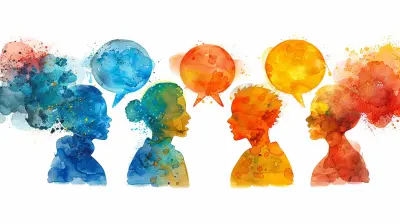
The Connection Between Music and Emotional Regulation
24 December 2025
Imagine this: You’re sitting alone after a long day. You're feeling overwhelmed. You plug in your headphones and press play. The first notes drift in—soft, lingering, familiar—and suddenly your shoulders drop. You aren’t okay yet, but hey, you’re better. That, right there, is the magical, invisible bond between music and emotional regulation.
Music speaks in a universal language. It bypasses logic, dives straight into the soul, and gives form to feelings we sometimes can't even name. And when it comes to our emotions? It's not just background noise—it’s therapy, memory, and friend.
In this deep dive, let’s unpack how music and emotional regulation are intertwined like intertwined notes in a harmony. We’ll go beyond the science and sprinkle in some heart, too.
🎶 Music: The Language of Emotion
Ever wonder why certain songs make you cry, while others make you want to dance like nobody’s watching? Music mirrors emotions. It doesn’t just reflect what we feel—it shapes it.How Sound Creates Feelings
Think of music as a paintbrush and your emotions as a canvas. Melodies craft shades of joy, sorrow, anger, or calm. A minor key might tug at your sadness, while an upbeat rhythm lifts you from the depths of a tough day.It’s not just about lyrics either. Instrumental tracks can hit just as hard. Why? Because music has rhythm, tempo, pitch—all of which mess with our heart rate, breathing, and even brain waves.
Crazy, right?
🧠 Brain Waves and Basslines: What Science Says
Let’s take a peek under the hood. When we listen to music, our brain lights up like a Christmas tree. Multiple areas engage: the auditory cortex, amygdala, hippocampus, and even the prefrontal cortex.Here’s why it matters:
- Amygdala: This little almond-shaped region processes emotions. When you listen to music, it reacts—giving you chills or making you tear up.
- Hippocampus: It's in charge of memory and nostalgia. Ever hear a song and get transported back in time? That’s your hippocampus on full blast.
- Prefrontal Cortex: This part helps regulate behavior and emotions. Music stimulates it, helping you process and adjust your emotional response.
Studies using MRI scans have literally shown how music changes the way our brain behaves when we’re emotional. That’s not just cool—it’s powerful.
🧘♀️ Emotional Regulation: What Is It, Anyway?
Okay, so what does “emotional regulation” even mean? Simply put, it’s how we manage what we feel, when we feel it, and how we express it.Everyone regulates differently. Some people talk it out. Others write. Some hit the gym. And for many of us… it’s all about that perfect playlist.
When you use music deliberately to shift your mood, you’re regulating. Whether it’s blasting heavy metal to vent anger or tuning into lo-fi beats to cool down, you’re using sound to steer your emotional ship.
🎧 Music As a Tool: Regulate, Don't Suppress
Here’s a key distinction: regulation isn’t the same as suppression.Suppression is shoving emotions under the rug and pretending they’re not there. Regulation is more like inviting them in for tea, acknowledging them, and then deciding what to do with them.
Music helps you do that.
Let’s break it down:
1. Vent Without Words
Sometimes you're too wound up to even talk. But music? It understands. It doesn’t need explanations. It validates your anger, joy, grief—without judgment.2. Shift Emotional States
You can use music to move from one state to another. Stressed about finals? A calming playlist can steady your nerves. Need a mood booster before a night out? Queue that energetic anthem.3. Create Safe Emotional Spaces
Music often helps us feel less alone. It’s like when Adele sings about heartbreak—you’re not just listening to her; you’re being seen.💡 Real-Life Examples You've Definitely Experienced
Let’s make this personal, shall we?You're in a funk.
You scroll through your library, land on your “Feel Good” playlist, and suddenly—BAM—it’s like the sun comes out.You’re angry.
You blast hard rock or rap, belting out lyrics with more passion than a karaoke champ. Afterwards? The weight lifts. Anger expressed, not internalized.You’re overwhelmed.
You let soft acoustic melodies wash over you, like waves smoothing rough sand. Eventually, your thoughts slow. Your heart finds a rhythm.Sound familiar?
🎼 The Role of Music in Therapy and Education
Music isn’t just a vibe—it’s a legit tool used in therapy and classrooms all over the world.Music Therapy
Certified music therapists use specific exercises, instruments, and songs to help people manage a range of emotions—from trauma to anxiety. It’s evidence-based, and yes, it works.Music therapy sessions might include songwriting, improvising on instruments, or just mindful listening. The goal? Emotional release, self-awareness, healing.
In The Classroom
Teachers now use music to help students regulate behavior. Whether it’s energizing tunes for morning routines or gentle classical music during study time, the impact on attention and mood is real.When kids are taught to “tune in” to how music makes them feel, they start learning emotional intelligence early. That’s a life skill right there.
🌍 The Cultural Connection
Let’s zoom out for a second.Around the world, cultures use music to express communal emotions—grief, celebration, love, war. From tribal drumming to church choirs to national anthems, music has always regulated not just individual emotions, but collective ones.
You can even see it in protest songs. They rally spirits, express pain, push for change. That’s emotional regulation with a purpose.
📱 Smartphones, Playlists, and Mood On-The-Go
In today's techy world, emotional regulation is literally at your fingertips.You’ve probably created specific playlists for moments: “Chill Vibes,” “Gym Grind,” “Crying in the Shower.” These aren't just mixtapes. They’re mood-managers.
Apps like Spotify and Apple Music even create emotion-based playlists for you. The algorithm knows when you need soulful ballads or dance-bops.
Technology has turned music into a portable emotional toolkit. Whatever mood you’re in (or want to be in), there's a soundtrack for that.
🥁 The Rhythm of Routine
Embedding music in your daily routine can work wonders. Here’s how:- Morning: Start your day with energizing beats. It sets the tone.
- Work hours: Instrumental tunes can help you flow without distraction.
- Evening wind-down: Soft music can signal your brain it’s time to relax.
These are not just habits—they’re rituals. Music rituals. And they help anchor your emotional state.
😌 Music and Mindfulness
Mindfulness isn’t always about silence. You can be mindful with music, too.Try this: Next time you listen to a song, really listen. Close your eyes. Notice the instruments, the tempo, how your body reacts. Do you feel tension release? Do you breathe deeper?
That’s music-enhanced mindfulness in action. And yep, it helps regulate emotions more effectively than white-knuckling your way through stress.
💖 What This Means for You
Here’s the big takeaway:You don’t need to be a musician, therapist, or neuroscientist to use music for emotional regulation. You just need your ears—and maybe a good pair of headphones.
So next time emotions run wild, don’t drown them or fight them. Pause. Press play. Let the music hold space for your feelings. Let it guide you from chaos to calm, from anger to clarity.
Music won’t solve your problems. But it might just help you feel okay, even when things aren’t. And sometimes, that’s everything.
🎤 Final Notes: Why We Feel Music So Deeply
At the end of the day, music is emotion in sonic form. It helps us tackle what words can’t. It gives voice to the voiceless parts of ourselves.It’s the friend who listens without interrupting. It’s the therapist that doesn’t charge by the hour. It’s the chill pill, the motivator, the shoulder to cry on—no prescription needed.
So let yourself feel. Let yourself listen. And above all, let music be your emotional compass in a world that doesn’t always make sense.
all images in this post were generated using AI tools
Category:
Music EducationAuthor:

Eva Barker
Discussion
rate this article
2 comments
Joy Carey
Music profoundly influences emotional regulation and mental health.
December 26, 2025 at 3:31 AM
Eva Barker
Absolutely! Music serves as a powerful tool for emotional expression and regulation, helping individuals navigate their feelings and enhance their mental well-being.
Zadie Mahoney
Music serves as a universal language, transcending barriers and emotions. Its power lies in its ability to shape our feelings, offering both solace and a means to navigate our internal landscapes.
December 24, 2025 at 12:14 PM
Eva Barker
Absolutely! Music truly connects us on a deep level, helping us process emotions and find comfort through its universal appeal.