The Challenge of Providing Quality Education for Refugees Worldwide
20 July 2026
Imagine being forced to flee your home, leaving behind everything familiar—your school, your friends, even your textbooks. For millions of refugees across the globe, this is their reality. While safety is the immediate concern, what happens next? How do these displaced children and adults continue their education, gain new skills, or even have a shot at a brighter future?
Providing quality education for refugees is no small task. There are barriers at every step—funding issues, lack of infrastructure, political resistance, and even language barriers. But despite the odds, education remains one of the best tools to break the cycle of poverty and displacement. In this article, we’ll dive into the challenges, solutions, and why this issue should matter to all of us. 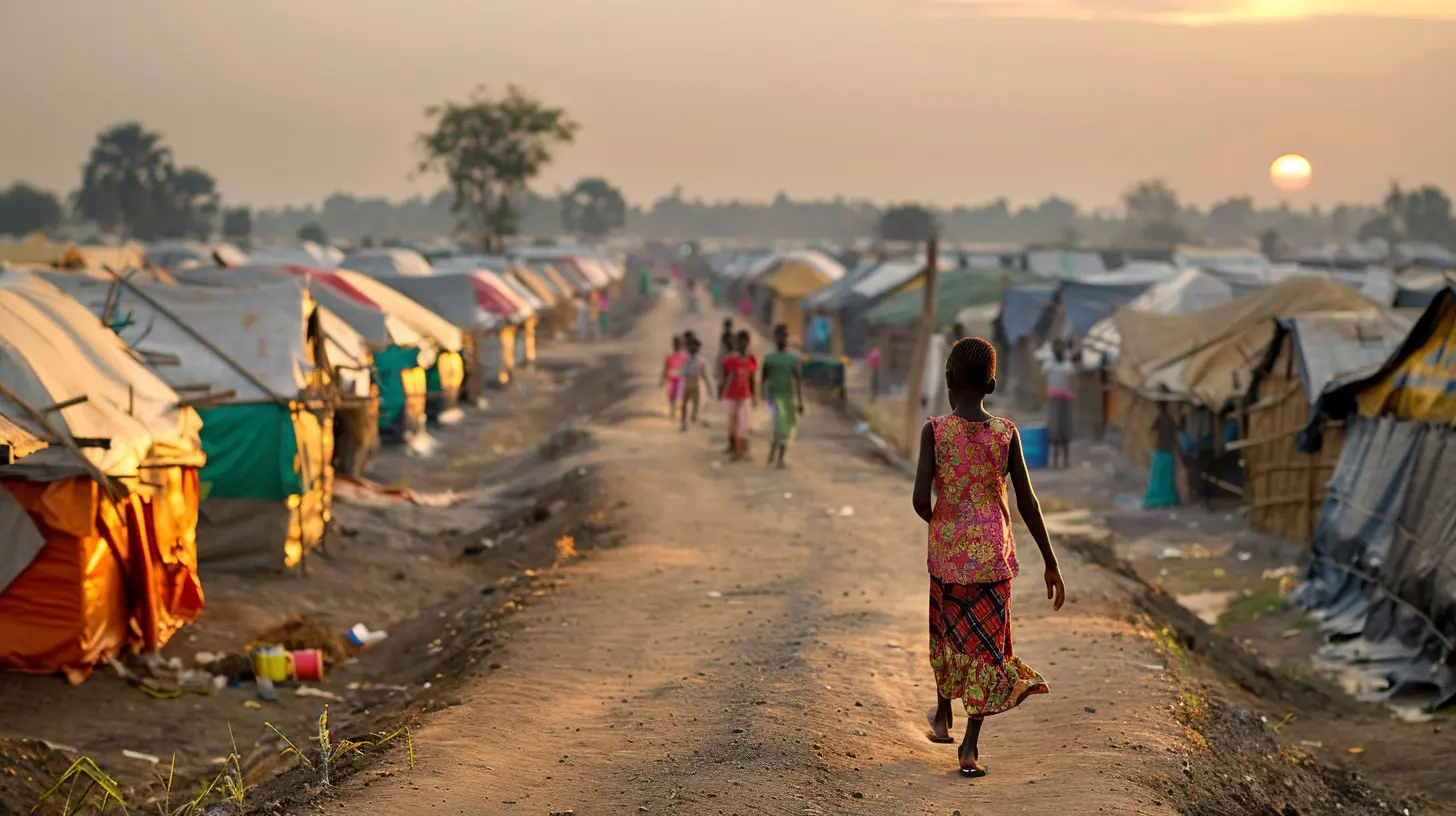
Why Education for Refugees Matters
Education isn’t just about reading books or solving math problems. It’s about hope, opportunity, and stability. For refugees, education provides:- A Sense of Normalcy – Schools offer routine and stability in otherwise chaotic situations.
- Future Employment Opportunities – Without an education, the chances of securing a sustainable job decrease drastically.
- Protection Against Exploitation – Education keeps children in safe environments and reduces the risk of child labor, trafficking, and early marriage.
- Social Integration – Learning the language and customs of a new country helps refugees integrate into their host communities faster.
Despite these benefits, millions of refugee children remain out of school. According to the UN Refugee Agency (UNHCR), more than half of refugee children worldwide do not have access to formal education. Why is this happening? Let’s break it down. 
Major Challenges in Providing Education for Refugees
1. Limited Access to Schools and Resources
One of the biggest hurdles? There just aren’t enough schools. Refugee camps, urban settlements, and conflict zones often lack the physical infrastructure needed for proper education. Classrooms are overcrowded, and basic supplies like textbooks, chairs, and even teachers can be scarce.In some cases, refugee children are placed in host country schools, but this creates another problem—overburdened education systems. Schools that are already struggling to provide for their own citizens now have to accommodate an influx of new students, which can create tension and stretched resources.
2. Language and Curriculum Differences
Imagine being dropped into a classroom where the lessons are in a language you don’t understand. Frustrating, right? That’s what many refugee students go through.Different countries have different curriculums, making it difficult for refugee children to pick up where they left off in their education. Additionally, many teachers in host countries aren’t trained to teach non-native speakers, making the learning curve even steeper.
For older students, unrecognized certifications or missing school records can block access to higher education. Without proper documentation, it becomes nearly impossible to continue schooling or apply for university programs.
3. Economic Barriers
While some countries provide free schooling, education still comes with hidden costs—school uniforms, transportation, books, and school supplies. For refugee families struggling to afford basic necessities like food and shelter, education often takes a backseat.In many cases, children are forced to work to support their families, leaving no time for schooling. Girls, in particular, face a greater risk of missing out on education due to household responsibilities or early marriage.
4. Political and Legal Hurdles
Even when countries welcome refugees, their education policies don’t always keep pace. Many host nations have bureaucratic roadblocks—requiring legal documentation that refugees don’t have, limiting access to public education, or outright banning refugee children from attending school.Additionally, in politically unstable regions, education is often seen as a secondary concern. Governments focused on security and economic issues may lack the political will to prioritize refugee education.
5. Psychological and Emotional Trauma
Many refugee children have experienced war, violence, displacement, and loss. These emotional scars make it incredibly difficult to focus on schoolwork. Without proper mental health support, many students struggle with anxiety, depression, and post-traumatic stress disorder (PTSD).This is why simply providing a school building isn’t enough—education programs must also include psychosocial support, counseling services, and trauma-informed teaching methods. 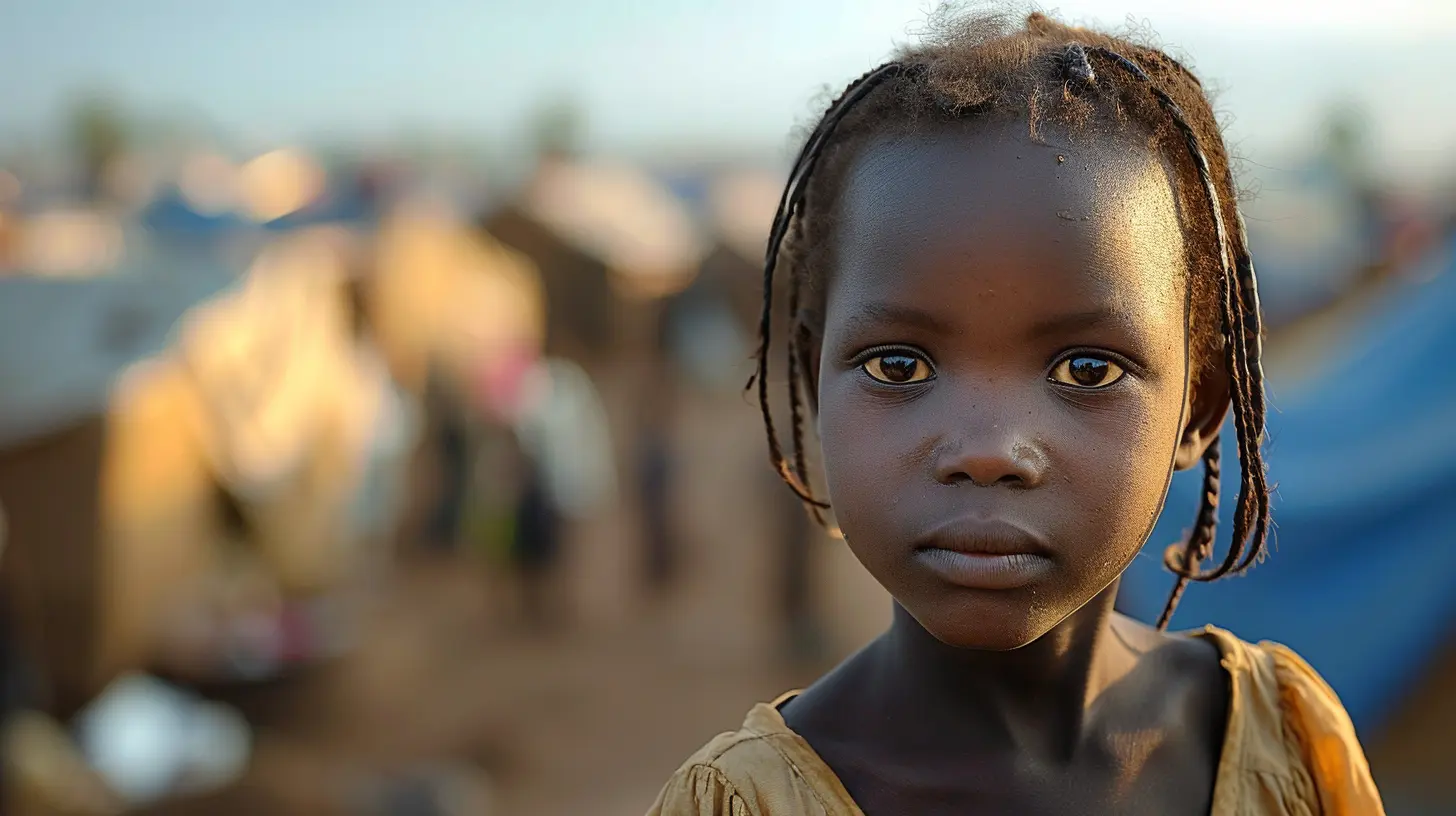
Possible Solutions to Improve Refugee Education
Luckily, not all hope is lost! Many organizations, governments, and communities are stepping up to find creative solutions. Here are some promising approaches:1. Expanding Access to Schools and Digital Learning
Since building new schools isn’t always feasible, many organizations are investing in alternative learning spaces, such as:- Mobile Classrooms – Buses converted into classrooms to bring education directly to refugee areas.
- Digital Learning Platforms – Online courses, radio programs, and mobile apps that provide education remotely.
- Community-Based Learning Centers – Spaces set up within refugee camps or neighborhoods to offer basic education.
These flexible learning environments help bridge the gap for students who can’t attend traditional schools.
2. Training Teachers to Support Refugee Students
Teachers play a crucial role in integrating refugee students. Training programs on language support, trauma-informed teaching, and culturally inclusive curricula can make a big difference.Additionally, hiring refugee teachers helps overcome language and cultural barriers while giving displaced educators a chance to contribute.
3. Providing Financial and Material Support
To address economic challenges, various organizations offer:- Scholarships and grants to help refugee students attend private schools or universities.
- Free school supplies and transportation to ease financial burdens on families.
- Cash assistance programs so parents don’t have to choose between feeding their children and sending them to school.
These initiatives help level the playing field and ensure more children have an opportunity to learn.
4. Recognizing Refugee Certificates and Qualifications
Governments and international bodies need to work on mutual recognition of refugee education credentials. Flexible policies can help students continue their studies without unnecessary delays caused by lost documents or unrecognized qualifications.Programs that offer alternative certification pathways, such as competency-based exams, help refugees validate their skills and knowledge without formal transcripts.
5. Promoting Community Inclusion
Host communities play a huge role in refugee education. When local schools and families embrace refugee students rather than seeing them as a burden, integration becomes much easier.Programs that foster cultural exchange, language training, and mentorship help refugees feel more welcome while reducing social tensions. 
The Role of Governments, NGOs, and Individuals
While big organizations like the UN and UNICEF work on large-scale solutions, small actions can also make a difference. Here’s how different groups can contribute:- Governments – Implement favorable refugee education policies and ensure funding for schools.
- NGOs and Charities – Provide resources, teacher training, and emergency education programs.
- Individuals – Support refugee education programs through donations, volunteering, or advocacy.
Even something as simple as raising awareness can lead to policy changes and increased support for displaced communities.
Final Thoughts
Education is more than just a human right—it’s a lifeline for refugees striving for a better future. While challenges exist, there are also countless opportunities to make a difference. By working together—governments, NGOs, educators, and individuals—we can break down barriers and ensure that every refugee has access to quality education.Because at the end of the day, education isn’t just about textbooks and classrooms—it’s about giving every child the chance to dream, learn, and build a future, no matter where they come from.
all images in this post were generated using AI tools
Category:
Global EducationAuthor:

Eva Barker