"Teaching Critical Emotional Skills in the Modern Classroom
27 June 2026
Let’s be honest: most of us didn’t learn how to handle our emotions in school. We memorized math formulas, crammed historical dates, and maybe even dissected a frog. But learning how to manage anxiety? Or how to empathize with a classmate? Not so much. Fast forward to today—and the world feels more complex, stressful, and unpredictable than ever. That’s exactly why teaching emotional skills is no longer a “nice-to-have”; it’s absolutely essential.
Ready to dive into the how, why, and what of teaching emotional intelligence in our classrooms? Let’s go!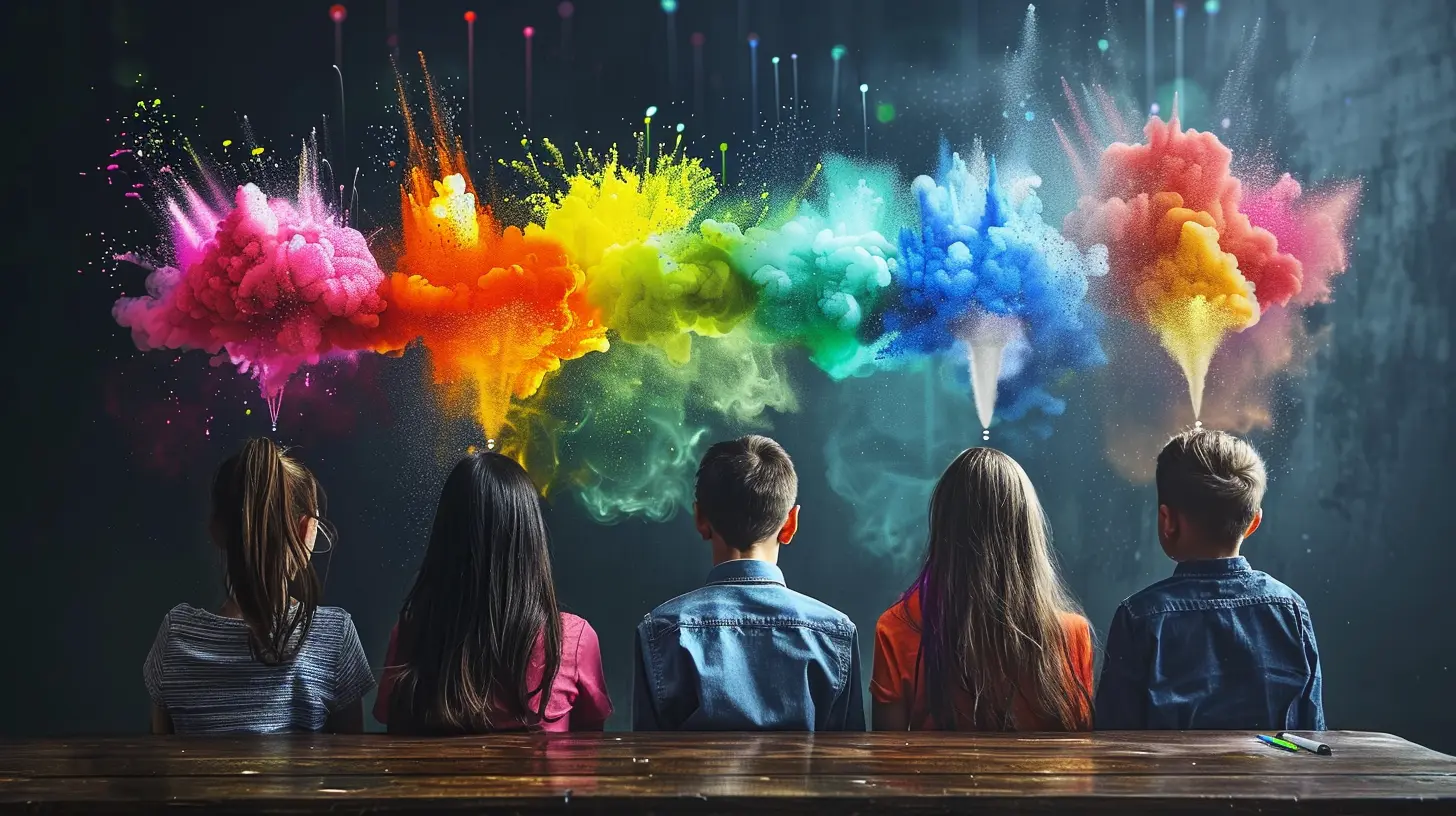
Why Emotional Skills Matter More Than Ever
We live in a hyper-connected, fast-paced digital age. Kids today are bombarded with information, social pressures, online drama, and expectations from every direction. The result? Rising levels of anxiety, depression, and burnout—even at younger and younger ages.Now, imagine handing students a toolkit that helps them not only manage these feelings but actually thrive despite them. That’s the power of emotional skills—skills like self-awareness, empathy, self-regulation, resilience, and relationship management.
The Link Between Emotions and Learning
Here’s the thing: emotions don’t just affect our personal lives—they impact how we learn. Emotional states influence focus, memory, motivation, and even creativity. Ever tried solving a math problem when you’re upset? Exactly. A calm mind is a learning mind.Students who can name and manage their emotions are better at handling conflict, expressing themselves clearly, and staying motivated. That means better academic performance and healthier peer relationships. It's a win-win.
What Are “Critical Emotional Skills”?
Before we dive into teaching methods, let’s break down what we actually mean by critical emotional skills. These aren't fluffy concepts—they're measurable, practical, and teachable.1. Self-Awareness
This is the foundation. It means being able to recognize your own emotions and understand what’s causing them. When kids can say “I’m frustrated because I didn’t do well on that test,” that’s a huge step forward.2. Self-Regulation
Think of this as emotional self-control. Can a student pause before reacting? Can they calm themselves down after a letdown? These skills are like emotional brakes—they help prevent regrettable outbursts or poor decisions.3. Empathy
Empathy is about stepping into another person’s shoes. It helps students understand different perspectives, which is key for resolving conflicts and building friendships.4. Social Skills
From sharing and cooperating to resolving disagreements, these skills help students work well with others. They're the glue that holds classroom communities together.5. Motivation & Resilience
This includes goal-setting, perseverance, and the ability to bounce back from setbacks. Basically, it’s grit—and our students need a healthy dose of it.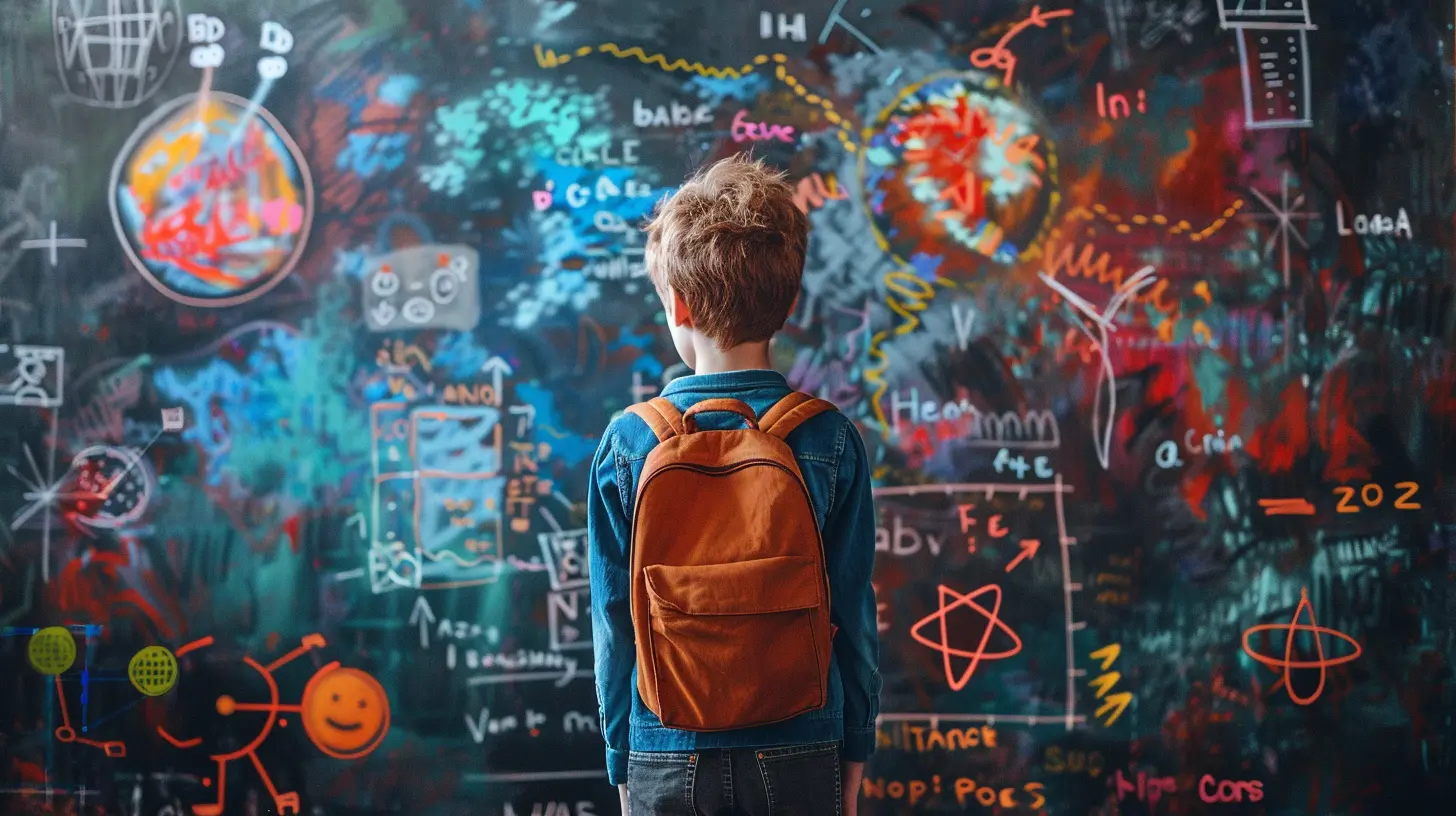
How to Teach Emotional Skills in Today's Classroom
The good news? You don’t need to ditch the curriculum or add yet another class. Emotional learning can (and should) be integrated into daily lessons, routines, and interactions. Here's how.1. Start with Daily Check-Ins
A simple “How are you feeling today?” can open the door to meaningful conversations. Use a feelings chart or a mood meter, especially for younger learners. It builds emotional vocabulary and helps students pause and reflect.Pro Tip: Make it a consistent routine. Just 5-10 minutes at the start of the day can set a positive tone.
2. Model Emotional Intelligence
Kids don’t just learn from what we say—they absorb what we do. If you lose your cool or dismiss a student’s feelings, that becomes part of their emotional blueprint.So, admit when you're frustrated. Show how you cope. Use “I” statements (“I feel overwhelmed by all these papers to grade”) to model healthy communication.
3. Incorporate SEL into Academic Lessons
You can embed emotional learning into almost any subject. Here’s how:- Language Arts: Discuss character emotions, motivations, and conflicts.
- Science: Talk about resilience when exploring failed experiments.
- History: Explore empathy through different historical perspectives.
The goal is to connect emotional reflection with academic content, making learning more holistic and meaningful.
4. Use Role-Playing and Scenarios
Want students to practice conflict resolution or empathy? Give them a scenario and let them act it out. Role-playing helps students visualize and rehearse emotional responses in a safe setting.Try this: “Imagine your friend forgot your birthday. What do you say? How do you feel?”
5. Encourage Journaling
Journaling is a quiet but powerful tool. It gives students a space to sort through their feelings, vent frustrations, or celebrate successes.Tip: Don’t grade journals. Keep them private and optional—or use prompts like “Today, I felt proud when…” or “One thing that frustrated me this week was…”
6. Create a Classroom Culture of Respect and Safety
Emotions thrive in safe spaces. Set ground rules for respectful communication. Celebrate differences. Shut down bullying and shaming immediately. Make it clear that everyone’s feelings matter.One simple way? Use restorative circles or class meetings to talk through challenges as a group.
7. Introduce Mindfulness and Breathing Techniques
Even a few minutes of mindfulness can help students center themselves. Deep breathing, body scans, or silent reflection can work wonders before a test or after recess.There are tons of free guided mindfulness videos online. Or just lead with a simple calm-down exercise: “Let’s take 3 deep breaths together.”
Tech Tools That Can Boost Emotional Learning
Let’s not forget we’re in the digital age. Tons of apps and platforms support emotional learning in creative, engaging ways. Some of our favorites:- Mood Meter – Helps students label and track emotions.
- Headspace for Educators – Offers guided meditations and mindfulness exercises.
- ClassDojo – Features emotional check-ins and digital behavior tracking.
- Smiling Mind – Provides age-appropriate mindfulness programs.
Just remember: tech should support—not replace—real, face-to-face conversations.
Dealing With Challenges and Pushback
Not everyone will jump on the SEL bandwagon right away. Some may argue that emotional learning takes time away from academics. Others might feel uncomfortable talking about “feelings” in class.Here’s how to respond:
- Show the Data: Research shows strong links between SEL and academic achievement, behavior, and mental health.
- Start Small: You don’t need to do everything at once. Even small steps—like daily check-ins—can make a big difference.
- Normalize It: Talking about emotions shouldn’t feel taboo. The more we integrate it into everyday routines, the more natural it becomes.
The Role of Parents in Emotional Learning
Parents are essential partners. When schools and homes work together to build emotional skills, the results are exponential.Teachers can:
- Share strategies being used in the classroom
- Send home reflection prompts
- Encourage family discussions about emotions
And parents can:
- Model healthy emotional habits at home
- Validate and talk about their kids' feelings
- Avoid the classic “toughen up” advice and instead teach coping strategies
Why It’s Worth It (Even When It’s Hard)
Emotional learning can be messy. It involves vulnerability, patience, and sometimes uncomfortable conversations. But here’s what we know: kids who build emotional intelligence don’t just become better students—they become better people.They’re more compassionate friends. Stronger leaders. Thoughtful communicators. Resilient problem-solvers.
In short, they’re exactly the kind of humans the world needs more of.
And it all starts in your classroom.
Final Thoughts
Teaching critical emotional skills in the modern classroom isn’t a trend—it’s a necessity. In a world that often feels chaotic, emotional intelligence acts like an internal compass. It helps students navigate challenges, build meaningful connections, and step into adulthood with resilience and empathy.So, whether you're a seasoned educator or new to the game, start weaving emotional learning into your teaching toolkit. You don’t need fancy programs or a background in psychology—just a genuine commitment to helping students become their full, emotionally intelligent selves.
Let emotions become your classroom’s hidden curriculum—and watch your students thrive.
all images in this post were generated using AI tools
Category:
Emotional IntelligenceAuthor:

Eva Barker
Discussion
rate this article
1 comments
Amanda Henderson
Emotional skills are essential for students' growth in today's fast-paced world. By integrating these skills into the curriculum, we empower learners to navigate challenges with resilience. It's not just about academics; it's about nurturing well-rounded individuals who can thrive in all aspects of life.
June 30, 2026 at 4:44 AM