Making the Case for More Music in Schools
9 December 2025
Introduction
Imagine a school with no music—no singing in the hallways, no school band, no choir, and no music class. Sounds dull, right? Music is everywhere in our lives, and yet, in many schools, arts programs are often the first to face budget cuts. But what if I told you that music education is just as important as math and science?
Music is not just about playing instruments or singing songs; it's about creativity, brain development, emotional expression, and even academic success. Schools need more music, not less, because it transforms students in ways no other subject can. In this article, we’re making the case for why music should be an essential part of every school’s curriculum.
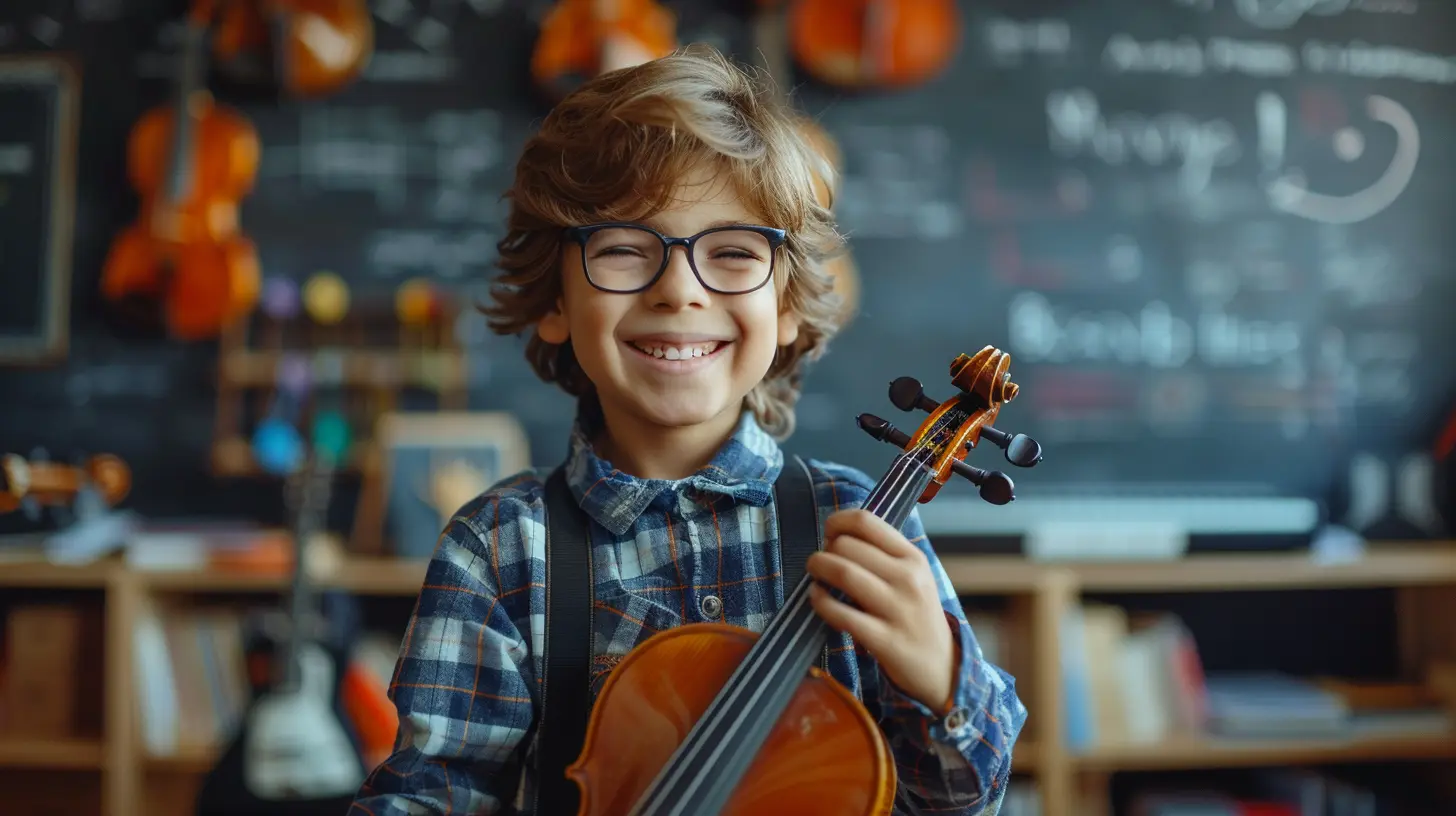
The Cognitive Benefits of Music Education
When we think about music, we usually focus on entertainment, but did you know that learning music actually makes students smarter? Research shows that children who participate in music programs perform better in subjects like math, reading, and writing.Enhancing Brain Development
Music engages both sides of the brain, strengthening neural connections and improving cognitive abilities. Studies have shown that students who study music tend to have better problem-solving skills, a higher IQ, and improved memory. It’s like a workout for the brain—just like lifting weights strengthens muscles, playing an instrument strengthens neural pathways.Boosting Academic Performance
Did you know that learning an instrument can improve math skills? Music involves counting beats, recognizing patterns, and understanding rhythms—all of which are closely connected to mathematical concepts. Likewise, reading sheet music enhances literacy skills as students learn to interpret symbols and translate them into actions.In fact, a study by the National Association for Music Education found that students involved in music programs score higher on standardized tests than their peers who don’t participate in music. So, if schools truly want to boost academic success, increasing access to music education is a no-brainer!

Music and Emotional Well-being
Academic success is important, but let’s not forget the emotional and mental benefits of music. Students today face immense stress—from exams to social pressures—and having a creative outlet like music can make all the difference.Reducing Stress and Anxiety
Music has a unique ability to calm the mind and reduce stress. Whether you're listening to your favorite song after a tough day or playing an instrument to express emotions, music acts as a natural stress reliever. Schools that incorporate music programs provide students with a healthy way to cope with anxiety and emotional challenges.Building Confidence and Social Skills
Ever seen a student light up when they perform in front of an audience? Music helps build confidence in ways traditional subjects don’t. Performing in a group, whether in a band, orchestra, or choir, teaches teamwork, patience, and communication.Music education fosters discipline and perseverance—qualities that benefit students far beyond the classroom. Learning an instrument requires dedication and practice, instilling a strong work ethic that prepares students for future challenges.
Music Encourages Creativity and Innovation
The world needs more creative thinkers, and music is one of the best ways to nurture creativity. Unlike other subjects that often focus on memorization, music education encourages students to think outside the box.Encouraging Imagination
Writing original songs, composing melodies, or improvising in a jazz band all require creative thinking. Music allows students to experiment, take risks, and express themselves in ways that other subjects don’t always allow.Preparing Students for the Future
In today’s world, creativity is just as valuable as technical skills. Employers seek individuals who can think critically and innovate, and music plays a key role in developing these abilities. Many successful professionals in various fields credit their background in music for their ability to approach problems creatively.
The Social and Cultural Importance of Music
Music is a universal language that connects people across different backgrounds, cultures, and experiences. Schools have a responsibility to expose students to diverse cultural perspectives, and music is the perfect way to do so.Promoting Cultural Awareness
Learning about different musical styles—from classical to jazz, hip-hop to folk—helps students appreciate and respect different cultures. It broadens their worldviews and encourages inclusivity.Strengthening Community Bonds
Think about school concerts, marching bands at football games, and national anthems at assemblies—music brings people together. It fosters a sense of belonging and strengthens school spirit. Schools with strong music programs often have more engaged students and a stronger sense of community.The Reality: Music Programs Are Underfunded
Despite all these benefits, music programs often receive less funding than other subjects. Many schools cut music classes due to budget constraints, depriving students of these valuable experiences. But is saving money worth the cost of losing a vital part of education?The Consequences of Cutting Music
Without music education, students miss out on opportunities to develop creativity, cognitive skills, and emotional intelligence. They lose the chance to discover hidden talents and passions. Plus, cutting music programs disproportionately affects lower-income students who may not have access to private lessons outside of school.Investing in Music Education
The good news? Schools that invest in music programs see a positive impact not just on students, but on the entire school environment. Increased student engagement, higher graduation rates, and improved mental well-being are just a few of the benefits.
Conclusion: It’s Time to Prioritize Music
Music is not just an extracurricular activity—it’s an essential part of education. It builds smarter, more creative, and emotionally healthy students. It fosters community, strengthens academic performance, and prepares students for a successful future.Schools must stop treating music as a luxury and start recognizing it as a necessity. Every child deserves access to music education, and the time to act is now. If we truly care about shaping well-rounded, capable individuals, we must make room for more music in schools.
all images in this post were generated using AI tools
Category:
Music EducationAuthor:

Eva Barker
Discussion
rate this article
2 comments
Shania Webster
Music enriches education and fosters creativity.
December 17, 2025 at 12:54 PM
Eva Barker
Absolutely! Music not only enhances academic performance but also nurtures creative thinking, making it an essential part of education.
Indigo Smith
Empower minds: Music unlocks endless potential!
December 14, 2025 at 6:00 AM
Eva Barker
Thank you! Music truly fosters creativity, critical thinking, and confidence, making it an essential part of education.