Lesson Planning for Civic Engagement and Informed Citizenship
29 January 2026
When was the last time you felt empowered by your voice in society? That moment when you realized your opinion actually matters? That’s the power of civic engagement. Now, imagine what happens when we bring that empowering concept into education. Magic, right?
Civic engagement isn’t just about voting or knowing how a bill becomes a law. It’s a whole mindset—a commitment to being part of positive change. And where better to start cultivating that mindset than in the classroom?
In this post, we’re diving deep into lesson planning for civic engagement and informed citizenship. Whether you're a teacher, homeschooler, or education enthusiast, this guide will help you create learning experiences that turn students into active, thoughtful citizens.
🌱 Why Civic Engagement in Education Matters
Let’s face it—we’re not just teaching facts; we’re shaping future citizens. Students aren’t just future voters; they’re also future community leaders, activists, thinkers, and changemakers. So, what happens if they don’t understand how society works or how to get involved?Civic education gives them the blueprint.
But here’s the twist. It’s not just about knowing something. It’s about doing something with that knowledge. Civic engagement education bridges the gap between learning and action. Think of it as giving students the keys to their own future.
When we build lessons around civic engagement, we empower students to think critically, communicate effectively, and participate meaningfully. And in today’s world—with all its complexity—we need informed, ethical, and passionate citizens more than ever.
🧠 What Makes a Citizen “Informed”?
Before writing lesson plans, we need to figure out what an “informed citizen” actually looks like. Spoiler alert: it’s not someone who memorizes all the U.S. presidents in order.Here’s what we’re really talking about:
- They understand how government and democracy function.- They know their rights and responsibilities.
- They can analyze current events with a critical lens.
- They respect different perspectives and engage in civil discourse.
- They use their voice to advocate—whether that’s through voting, volunteering, or organizing.
So, when we're planning lessons, these are the skills and mindsets we want to instill.
🎯 Setting Goals for Civic Engagement Lesson Planning
Okay, so now we know the why and the who. Let’s move on to the how. Every good lesson plan starts with clear, actionable goals. So, what should you aim for?Here are a few examples:
- Promote awareness: Help students understand civic issues at local, national, and global levels.- Develop empathy and perspective: Encourage them to view issues from multiple viewpoints.
- Build research and communication skills: Teach students to gather information and articulate their thoughts respectfully.
- Encourage participation: Not just in theory—but in practice. Think volunteering, campaigning, or community projects.
- Foster critical thinking: Challenge them to question sources, bias, and misinformation.
Pro tip: Make your objectives SMART—Specific, Measurable, Achievable, Relevant, and Time-bound. It keeps everyone grounded and focused.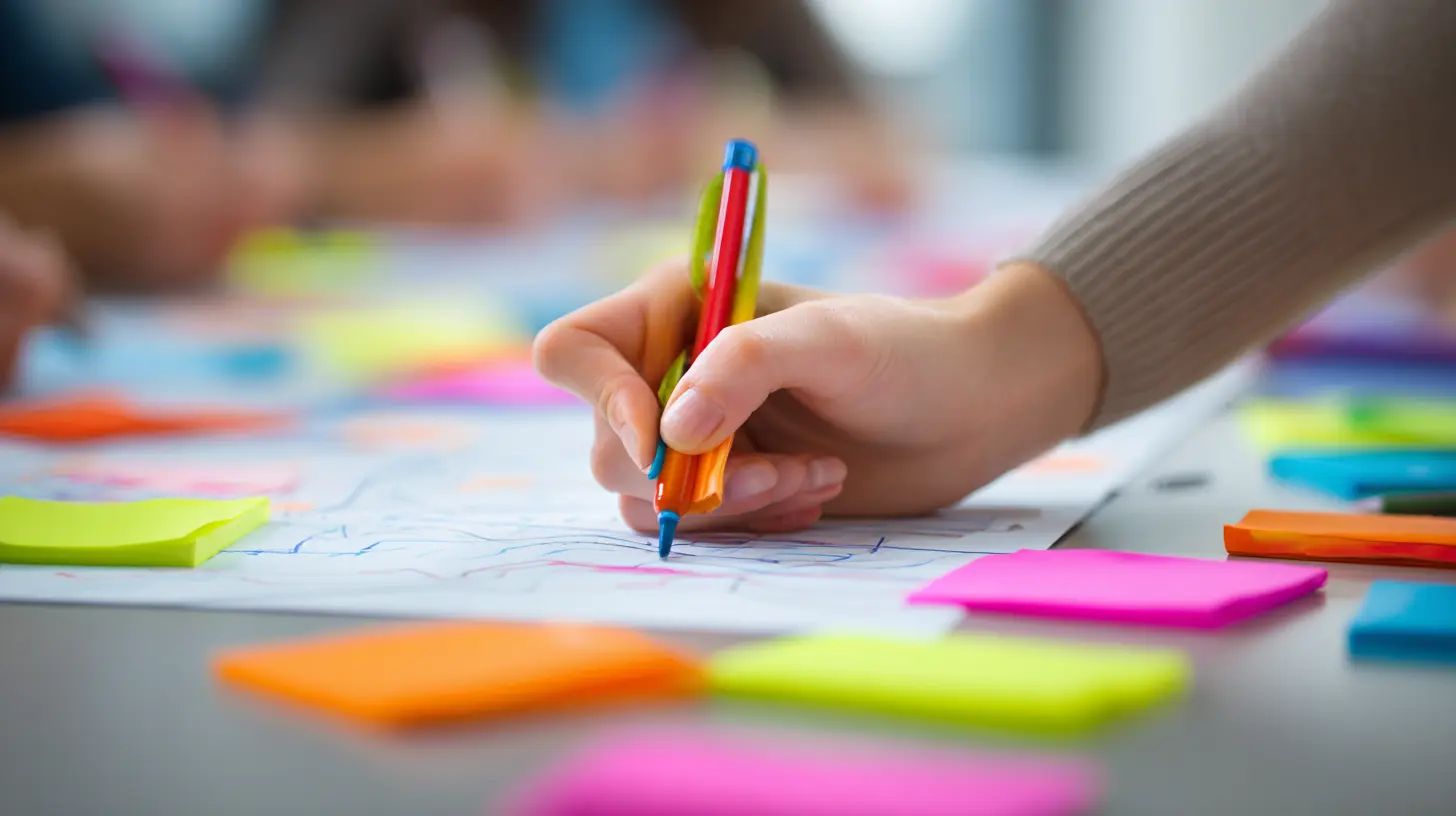
📚 Civic Engagement Curriculum Ideas by Grade Level
Let’s break down lesson ideas by age group, because obviously, what works for a 3rd grader won’t hold a 12th grader’s attention (unless snacks are involved).🧒 Elementary School (Grades K–5)
At this stage, it’s all about planting the seeds of community values.Lesson Ideas:
- “My Community Helpers”: Teach students about local leaders like firefighters, librarians, and mayors.- “Rules and Responsibilities”: Let them create classroom rules and understand why rules exist.
- Kindness Campaign: Have them start a project to promote kindness in school—posters, morning announcements, random acts of kindness.
👦 Middle School (Grades 6–8)
This is the golden age of questioning everything. Use that curiosity.Lesson Ideas:
- Mock elections: Create a class election, complete with speeches, ballots, and a vote count.- Debate day: Pick issues relevant to them (like school uniforms) and teach respectful discourse.
- Local government field trip: Visit city hall or invite a local official to speak.
👩🎓 High School (Grades 9–12)
Now it’s time to really activate action and responsibility.Lesson Ideas:
- Civic action project: Groups can choose a cause, research it, and run a campaign (digital or real-life).- Social media literacy: Teach how to spot fake news and evaluate credibility.
- Simulated congress: Have students write, present, and vote on mock legislation.
🧩 Integrating Civic Engagement Across Subjects
Guess what? You don’t need to save civics for social studies only. You can weave civic engagement into almost any subject if you get creative.🧪 Science:
Talk about environmental policies and their impacts. Have students write letters to local leaders about climate action.📊 Math:
Use statistics to analyze voter turnout, income inequality, or public opinion polls.📝 English:
Read novels with strong social justice themes (like “To Kill a Mockingbird” or “The Hate U Give”) and discuss civic lessons.🎨 Art:
Let students design campaign posters or murals around social issues.When students see civic issues intersecting with all areas of life, they understand how connected everything really is.
🛠 Tips for Effective Civic Engagement Lesson Planning
Alright, so what separates a basic lesson plan from an unforgettable, game-changing one? Here are some tried-and-true strategies:1. Keep It Relevant
If students can’t relate, they won’t engage. Choose issues or themes that are age-appropriate and connected to their lives—social media, school policies, the environment, etc.2. Make It Hands-On
Active participation is key. Think projects, real-world application, and experiential learning.3. Encourage Discussion
Create a safe space for dialogue. Set ground rules. Let kids disagree respectfully and think from different perspectives.4. Connect with Community
Bring in guest speakers, collaborate with local organizations, or attend community events.5. Reflect, Reflect, Reflect
Help students process their experiences. Use journaling, group talks, or presentations to solidify learning and encourage self-awareness.🧭 Navigating Sensitive Topics in Civics Lessons
Let’s be real—civic issues aren’t always sunshine and rainbows. Teaching about politics, race, inequality, and injustice can be tricky.But avoiding tough conversations isn’t the answer. Kids notice what’s going on in the world. It’s our job to guide them through it thoughtfully.
Here’s how to handle the weighty stuff:
- Set clear expectations for respectful conversation.
- Provide balanced resources from multiple perspectives.
- Don’t push your own opinions. Be a facilitator, not a preacher.
- Allow space for emotions. Some topics hit close to home.
- Encourage questions—and admit when you don’t have all the answers.
🌎 Bringing Global Citizenship into the Picture
Civic engagement isn’t just about our neighborhoods or countries—it’s also about the world.Teaching global citizenship helps students understand their role in global challenges like climate change, poverty, education rights, and human trafficking. It opens their eyes to the idea that we’re all connected, no matter where we live.
Incorporating global issues into your curriculum can ignite passion and purpose in students. You’ll be surprised how eager they are to make a difference, even at a young age.
🧳 Real-World Projects That Spark Change
Want your students to really remember their civic lessons? Let them get their hands dirty with real projects.Some inspiring ideas include:
- Starting a school recycling program.- Conducting a fundraiser for a cause they care about.
- Participating in local protests or rallies (with parental permission).
- Creating a student-led newspaper or podcast on civic topics.
- Volunteering at shelters, food banks, or cleanups.
These experiences stick. They teach students that they’re capable of real, tangible impact.
👣 The Long-Term Impact of Civic Lessons
So, will one lesson plan change the world? Maybe not. But a series of meaningful, well-thought-out lessons absolutely can.Studies show that students exposed to quality civic education are more likely to vote, volunteer, and stay engaged throughout their lives. They're more informed, more empathetic, and better equipped to tackle tough problems.
And even better? They inspire others to do the same.
💬 Final Thoughts: Your Role as a Change-Maker
As an educator, you're not just teaching students how to ace a test. You're equipping them to be full-fledged participants in society. That’s powerful stuff.Civic engagement education isn’t about achieving perfection. It’s about progress, voice, and community. It’s about lighting that spark in each student that says, “Hey, I matter. And I can make a difference.”
So start small. Get creative. Stay flexible. And remember: every lesson that encourages curiosity, respect, and action is a step toward a better future.
all images in this post were generated using AI tools
Category:
Lesson PlansAuthor:

Eva Barker
Discussion
rate this article
2 comments
Pia McCartney
Empowering students through lesson planning for civic engagement ignites their passion for informed citizenship. Let’s inspire the next generation to be proactive, compassionate leaders shaping a brighter future!
February 12, 2026 at 12:42 PM
Eva Barker
Absolutely! When students connect with civic issues through thoughtful lesson planning, they become engaged citizens ready to lead and make a difference.
Chelsea Hudson
Who knew lesson planning could feel like a high-stakes game of chess? Just remember: the goal is to promote informed citizens, not to checkmate their enthusiasm! Let’s engage minds, inspire action, and maybe throw in some snacks—because civic engagement deserves a treat!
January 31, 2026 at 1:20 PM
Eva Barker
Absolutely! Engaging minds and promoting informed citizenship is key. Snacks are a bonus! Thank you for highlighting the fun in lesson planning!