How to Develop Critical Thinking Skills Using Educational Psychology
9 July 2026
We live in a world where information is constantly being thrown at us from every direction. Social media, news outlets, advertisements, emails... it never stops. But how do we make sense of it all? How do we decide what’s real, what’s biased, or what’s just plain misleading? That’s where critical thinking swoops in like a superhero.
Now, if you’ve ever felt like your brain was doing jumping jacks trying to figure out what to believe or how to solve a tricky problem, you’re not alone. Critical thinking is one of the most essential life skills we can ever develop, and guess what? Educational psychology has a treasure chest of tools to help us unlock it.
Let’s dive deep (but keep it light) into how you can use educational psychology to sharpen those amazing critical thinking skills and make decisions with more confidence, clarity, and curiosity.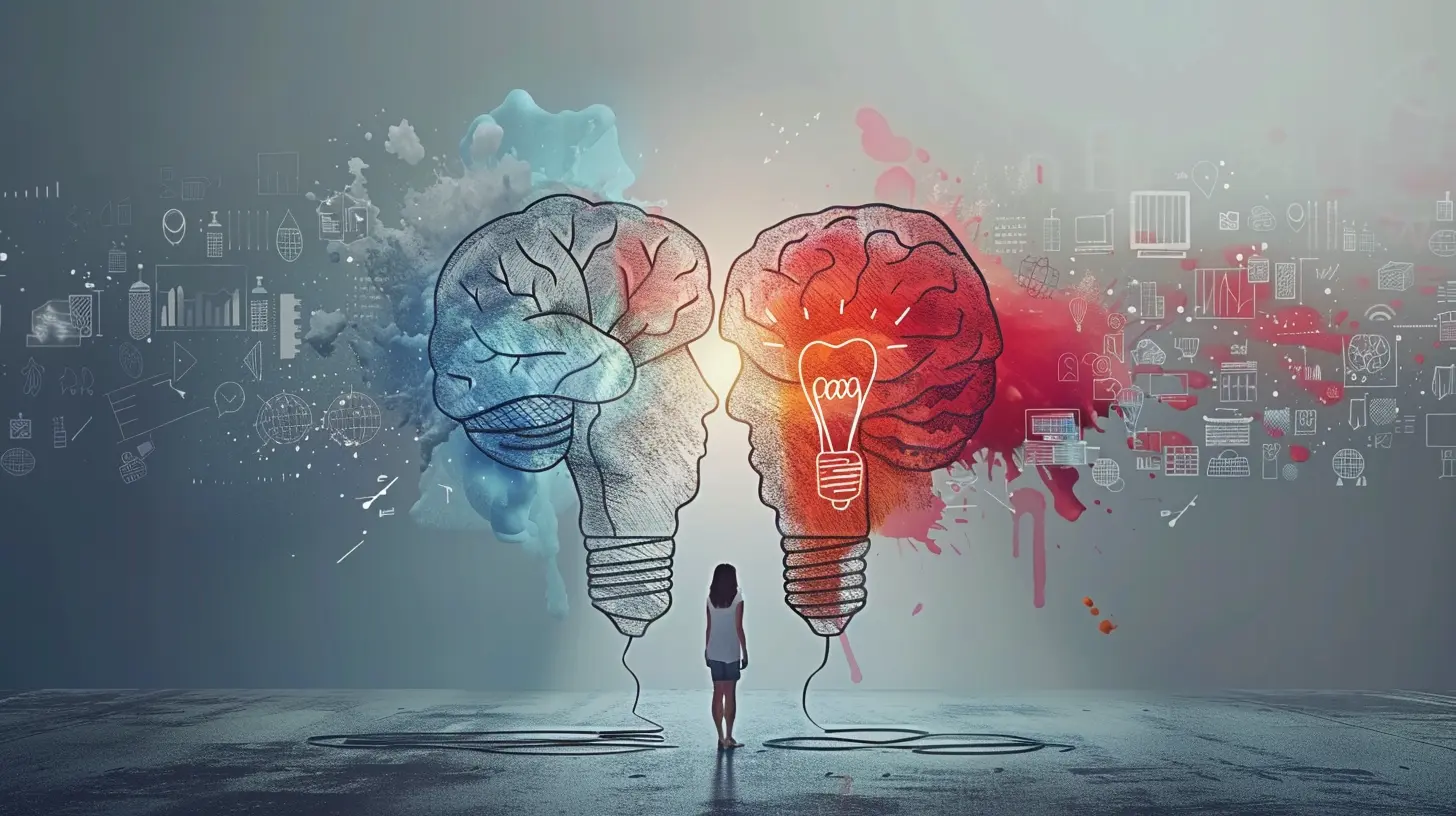
What Exactly Is Critical Thinking?
Before we start building skills, let’s get on the same page about what critical thinking really is.Critical thinking isn’t about being negative or always playing devil’s advocate. It's about thinking clearly, logically, and independently. It’s asking questions, analyzing arguments, evaluating evidence, and making reasoned decisions — not just going with the flow.
Think of it like being a detective of your own thoughts. You're piecing together clues, examining motives, and looking deeper than surface-level stuff. Cool, right?
Why Is Critical Thinking So Important?
Let’s be real. We all make dozens of decisions every day — some small, like what to eat, and some huge, like choosing a career path. Without solid critical thinking skills, we can fall into traps like:- Believing misinformation on the internet
- Letting emotions cloud our judgment
- Jumping to conclusions without all the facts
- Getting stuck in black-and-white thinking
With good critical thinking, you learn to pause, reflect, and respond thoughtfully. You make smarter choices. You become a better problem-solver. And most importantly, you grow into a more aware, informed, and emotionally intelligent human.
The Role of Educational Psychology: Your Secret Weapon
Alright, so where does educational psychology fit into all this?Educational psychology is basically the science of how people learn. It dives into how our brains absorb information, how motivation works, and how learning environments affect us. And when it comes to critical thinking — it's pure gold.
Let’s break down the juicy stuff educational psychology teaches us, and how we can use it to build real, lasting critical thinking skills.
1. Understand Cognitive Development (It Starts With Piaget and Vygotsky)
You’ve probably heard of Jean Piaget and Lev Vygotsky. These two legends of educational psychology totally changed how we understand learning.- Piaget believed we learn in stages and that thinking becomes more complex as we grow. He emphasized things like logic and abstract thinking in our teens and adulthood.
- Vygotsky talked about the “zone of proximal development” — basically, we learn best just beyond our current abilities, especially with a little help from others (hello, teachers, mentors, and study buddies).
So how does this help you?
? When you’re trying to build critical thinking, challenge yourself just beyond your current level. Don’t shy away from tough problems. Find peers or mentors who help stretch your ideas. That’s where the magic happens.
2. Metacognition: Thinking About Thinking
Ever caught yourself talking to yourself in your head during a test? Like, “Wait, does this answer actually make sense?” That right there is metacognition — being aware of your own thought process.Educational psychology says metacognition is one of the most powerful tools for becoming a critical thinker.
Here’s how to build it:
- Ask yourself questions. Constantly. “Why do I believe this?” “What’s the evidence?” “Could there be another side?”
- Reflect after learning. What did you understand? What confused you? What would you do differently?
- Keep a thought journal. Sounds nerdy, but jotting down how you approach problems or make decisions is like looking into your own brain’s playbook.
3. Use Bloom's Taxonomy to Level Up Your Thinking
Bloom’s Taxonomy is another gem from the world of educational psychology. It’s kind of like a ladder of thinking skills — going from basic remembering to higher-order skills like analyzing and creating.Here’s a quick breakdown:
1. Remember – recalling facts (e.g., definitions, formulas)
2. Understand – explaining ideas in your own words
3. Apply – using information in real-life situations
4. Analyze – breaking things down and examining relationships
5. Evaluate – judging based on evidence and reasoning
6. Create – making something new with what you know
So next time you're studying or solving a problem, ask: “What level of thinking am I using right now?” Aim to push yourself up that ladder.
4. Foster a Growth Mindset
Educational psychologist Carol Dweck says people either have a fixed or growth mindset.- Fixed mindset: “I’m just not good at this.”
- Growth mindset: “I’m not good at this yet.”
That three-letter word – "yet" – changes everything.
When you believe that your abilities can develop with effort and persistence, you're more likely to take on challenges, learn from failure, and keep improving.
Critical thinkers don’t run from tough questions. They run toward them. So, try to switch your internal dialogue from “I can’t do this” to “How can I get better at this?”
It’s not about being perfect. It’s about being curious.
5. Teach Yourself to Ask Better Questions
Critical thinking is fueled by questions. But not just any questions — good questions.Educational psychology encourages something called Socratic questioning. Socrates (yeah, the ancient philosopher guy) was all about digging deeper through thoughtful inquiries.
Some great questions to start with:
- What am I assuming here?
- What evidence supports this?
- What’s another perspective?
- Could there be a bias?
- What would happen if I did the opposite?
These kinds of questions train your brain to go beyond autopilot and start driving the car.
6. Use Problem-Based Learning
Problem-Based Learning (PBL) is all about using real-world problems as the starting point for learning.Let’s say you’re learning about climate change. Instead of reading a textbook chapter, imagine you’re part of a team solving an environmental crisis. Suddenly, you’re researching, evaluating data, debating with your team — you're involved.
Why does this work so well?
✅ You’re emotionally engaged
✅ You’re applying knowledge, not just memorizing
✅ You’re considering multiple viewpoints
PBL isn’t just for schools. You can do it solo by tackling problems in your own life using critical thinking techniques.
7. Recognize Cognitive Biases and Logical Fallacies
We all have built-in glitches in our brain that mess with our thinking. It’s not our fault — we’re human! But educational psychology helps us spot and manage them.A few common ones:
- Confirmation bias – only noticing info that supports what we already believe
- Hindsight bias – thinking events were more predictable after they happened
- Bandwagon effect – believing something just because a lot of people do
And fallacies? Those are faulty arguments that sound clever but fall apart under scrutiny.
Once you start recognizing these patterns, you’ll see them everywhere – in ads, politics, even in your own mind. But being aware means you can stop them from running the show.
8. Encourage Collaborative Learning
Ever notice how talking through ideas with someone helps you “get it” better?That’s no accident.
Educational psychology proves that social interaction is a major brain booster when it comes to thinking critically. Discussing, challenging, and defending ideas with others helps refine your thinking.
So, form a study group. Join an online forum. Debate kindly. And don’t be afraid to be wrong — that’s how you stretch your brain and strengthen those neurons.
9. Practice Active Learning Strategies
Active learning > passive learning. Every. Single. Time.Here are a few active learning strategies to boost critical thinking:
- Mind mapping: Visualize connections
- Case studies: Analyze real-world situations
- Role playing: Put yourself in someone else’s shoes
- Self-testing: Quiz yourself before the big test
- Think alouds: Verbalize your thoughts while solving a problem
These strategies force you to engage deeply and intentionally with content — instead of zoning out while reading or watching a tutorial.
10. Make Reflection a Daily Habit
Last but not least, the good ol’ reflection.Educational psychologists say that learning is incomplete without reflection. Taking time to think about your thinking — what worked, what didn’t, what surprised you — helps cement critical thinking skills.
You can try:
- Writing in a journal
- Recording voice memos
- Creating lists of lessons learned
- Having a “reflection” chat with a friend or mentor
It doesn't have to be long or formal. Just consistent.
Final Thoughts: It's a Journey, Not a Final Exam
If there’s one thing educational psychology teaches us about critical thinking, it’s this: it’s not a destination, it’s a lifelong journey.You don’t “arrive” as a critical thinker one day and then kick back with a cup of tea. You grow into it, you practice it, and you mess up sometimes — and that’s okay.
So, start today. Ask more questions. Reflect on your thinking. Embrace challenges. And lean into learning, always.
Your future self is already cheering you on.
all images in this post were generated using AI tools
Category:
Educational PsychologyAuthor:

Eva Barker