How the Flipped Classroom Revolutionizes Student Engagement
26 June 2026
Ah, the classic classroom scene—rows of students slumped over desks, eyes glazed, secretly texting under their books while the teacher drones on about something that sounds vaguely important. Engaging, right?
Well, not anymore! Say hello to the flipped classroom, the game-changing approach that takes everything we thought we knew about learning and, well… flips it. No more passive note-taking marathons or last-minute cramming sessions. This method turns students into active learners and, dare I say, makes education actually enjoyable. Yes, you read that right.

What Is a Flipped Classroom Anyway?
Let’s get one thing straight: this isn’t some gimmick dreamed up by bored educators trying to look "cool." The flipped classroom is a legitimate, research-backed teaching model where students learn the material at home—usually through videos, readings, or interactive content—before coming to class. Then, instead of listening to a teacher talk endlessly, class time is used for discussions, group work, and problem-solving.Think of it like binge-watching a Netflix series before showing up to a fan theory discussion. You already know the plot, so now you can focus on debating the best parts instead of playing catch-up.
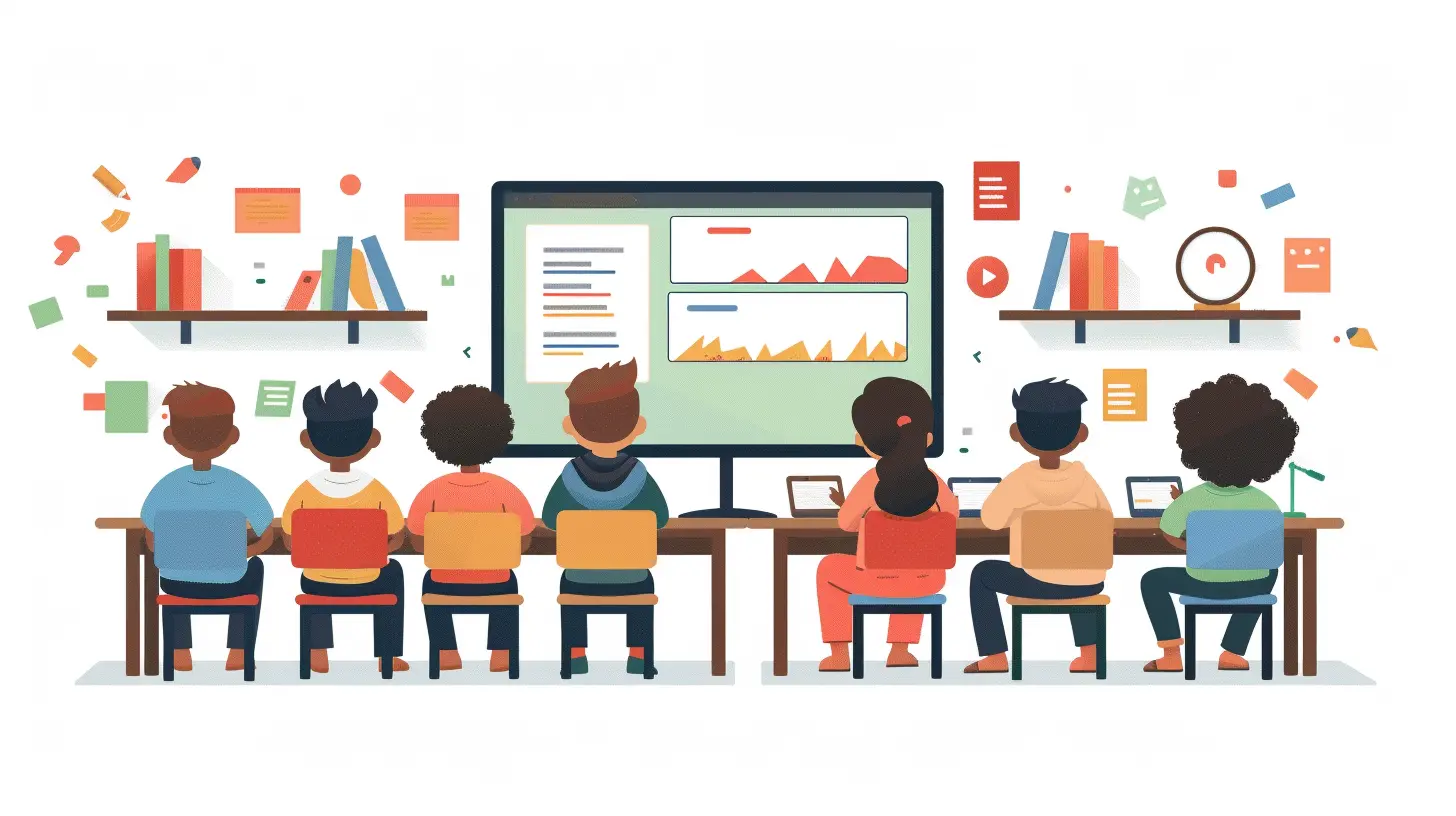
Why Traditional Classrooms Just Aren’t Cutting It
Let’s be real: sitting in a classroom while a teacher lectures for an hour is about as engaging as watching paint dry. And expecting students to just "get it" while frantically scribbling notes? That’s like asking them to build a boat while it’s already sinking. Traditional learning often pushes students into survival mode rather than actual comprehension.Here’s why the old-school model is broken:
- Students Zone Out – No matter how compelling the lecture, nobody's attention span is built for hour-long monologues.
- Passive Learning is Useless – Retaining information requires doing, yet most traditional students just sit and absorb (or pretend to).
- Homework is a Nightmare – How many times have students stared at a cryptic math problem and thought, Did I miss an entire lesson?
It’s time for a change.
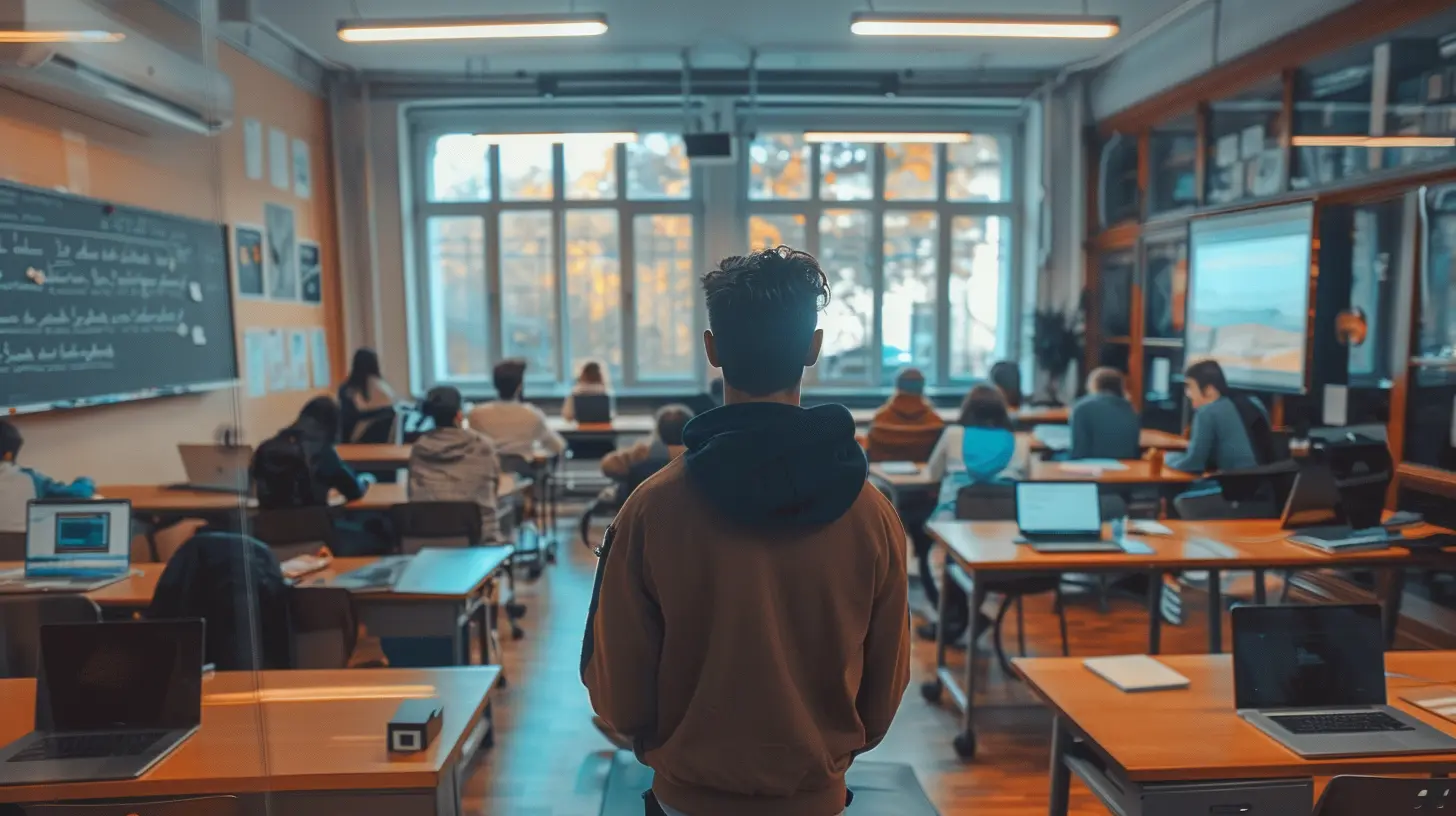
The Benefits of Flipping the Script
Now that we’ve dunked on traditional classrooms, let’s talk about why flipping things around actually works.1. Students Take Ownership of Learning
In a flipped classroom, students aren’t just empty vessels waiting to be filled with knowledge. They actually have control over their learning. Watching a video? They can pause, rewind, or speed up (because, let’s be honest, some teachers talk slooowly). Need to revisit a confusing concept? No problem.This independence empowers students to engage with the material at their own pace, rather than struggling to keep up or zoning out when they’re bored.
2. Class Time Becomes Interactive and Fun
Instead of wasting precious class time listening to something they could’ve learned at home, students get to apply their knowledge. Think group discussions, hands-on activities, problem-solving sessions, and—dare we say—actual fun projects.Remember those awkward silences when a teacher asked a question, and no one wanted to answer? In a flipped classroom, students come prepared, so discussions are more dynamic, and participation skyrockets.
3. Better Teacher-Student Interaction
Teachers, we see you. Standing in front of a zombie-like classroom, wondering if anyone is actually paying attention, is soul-crushing. But with a flipped approach, teachers shift from the "sage on the stage" to the "guide on the side."Instead of just lecturing, they spend class time interacting with students—answering questions, helping with assignments, and actually getting to know the struggles each student faces. Imagine that!
4. Higher Retention and Understanding
Let’s face it—cramming for an exam just to forget everything the next day is every student’s superpower. But when learning is interactive and repetitive (in a good way), students actually retain information. A flipped classroom reinforces concepts through active engagement, making them stick longer than last night’s TikTok trends.5. Homework Becomes Less of a Pain
Instead of staring at a textbook, wondering if they even speak English, students in a flipped classroom get hands-on help during class. This makes homework more about reinforcing skills rather than a desperate attempt to decode teacher hieroglyphics.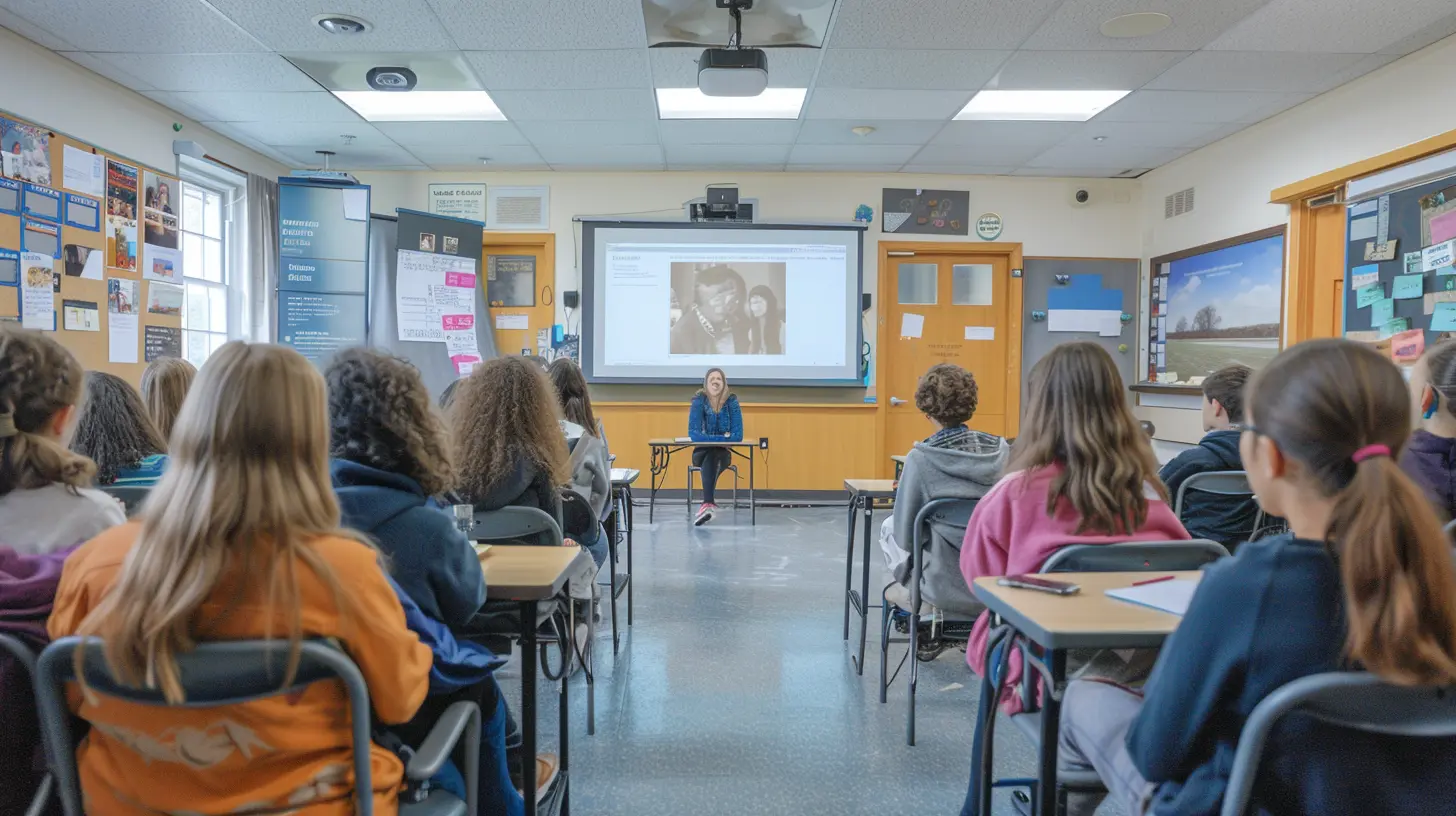
But Wait... Does the Flipped Classroom Work for Everyone?
Of course, no system is perfect. While the flipped classroom model sounds like an academic utopia, it does come with a few minor hurdles.- Tech Access Issues – Not all students have internet access at home, which can make watching videos a challenge. Teachers need to provide alternatives (like USB drives or school computers).
- Lazy Students Still Exist – Let’s be honest—some students will never watch the pre-class material. Creative incentives (or consequences) may be needed.
- Requires Teacher Effort – Teachers have to create (or find) engaging content instead of just recycling the same lectures from 1998. More work, but also, isn’t innovation the point?
Despite these hiccups, the flipped model provides enough benefits to make the extra effort worthwhile.
How to Implement a Flipped Classroom (Without Losing Your Mind)
If you’re a teacher thinking, Great, one more thing I have to change, don’t panic. Transforming your classroom doesn’t have to be a Herculean task. Here’s how to ease into it:1. Start Small
Don’t flip your entire curriculum overnight. Choose one lesson or unit, test it out, and tweak things as needed.2. Use Engaging Content
Nobody wants to watch a 40-minute video of you reading from a PowerPoint. Keep videos short, engaging, and interactive. Use YouTube, interactive slides, or even your own voice-over for fun visuals.3. Hold Students Accountable
If students don’t do the prep work, the system falls apart. Use quizzes, discussion questions, or small assignments to ensure they actually come to class prepared.4. Mix It Up
Flipping doesn’t mean abandoning traditional teaching altogether. A hybrid approach (part lecture, part flipped) works best for some subjects. Find what clicks for your students.5. Be Patient
Change is messy. There will be resistance, confusion, and a few bumps along the way. But once things click, both students and teachers might wonder how they ever survived the old way.
The Future of Classroom Learning?
Is the flipped classroom the be-all and end-all of education? Maybe not. But it’s a massive step toward making learning more dynamic, personalized, and, dare I say, tolerable.No more monotonous lectures. No more students daydreaming about lunch. Just a whole lot of active, engaged learners who actually remember what they learned last semester. Imagine that.
So, teachers, the choice is yours. Will you keep riding the outdated education train, or will you flip the script and revolutionize the classroom?
Your students are waiting.
all images in this post were generated using AI tools
Category:
Flipped ClassroomAuthor:

Eva Barker
Discussion
rate this article
1 comments
Dax McCall
Engaging students like never before!
June 28, 2026 at 3:12 AM
Eva Barker
Thank you! It's exciting to see how the flipped classroom truly enhances engagement and fosters deeper learning.