How Remote Learning is Reshaping Global Education Access
21 January 2026
Picture this: A teenager in a rural African village logs into a math class taught by a professor in New York. A stay-at-home parent in India earns a professional certificate from a top European university—without ever leaving home. Sounds like something out of a sci-fi movie, right? Well, this isn't the future anymore. It's happening right now thanks to remote learning. And it's fundamentally changing how we think about education.
In this article, we’ll dive into the world of remote learning and how it’s breaking down barriers, creating opportunities, and—let’s be real—shaking up the traditional classroom model on a global scale.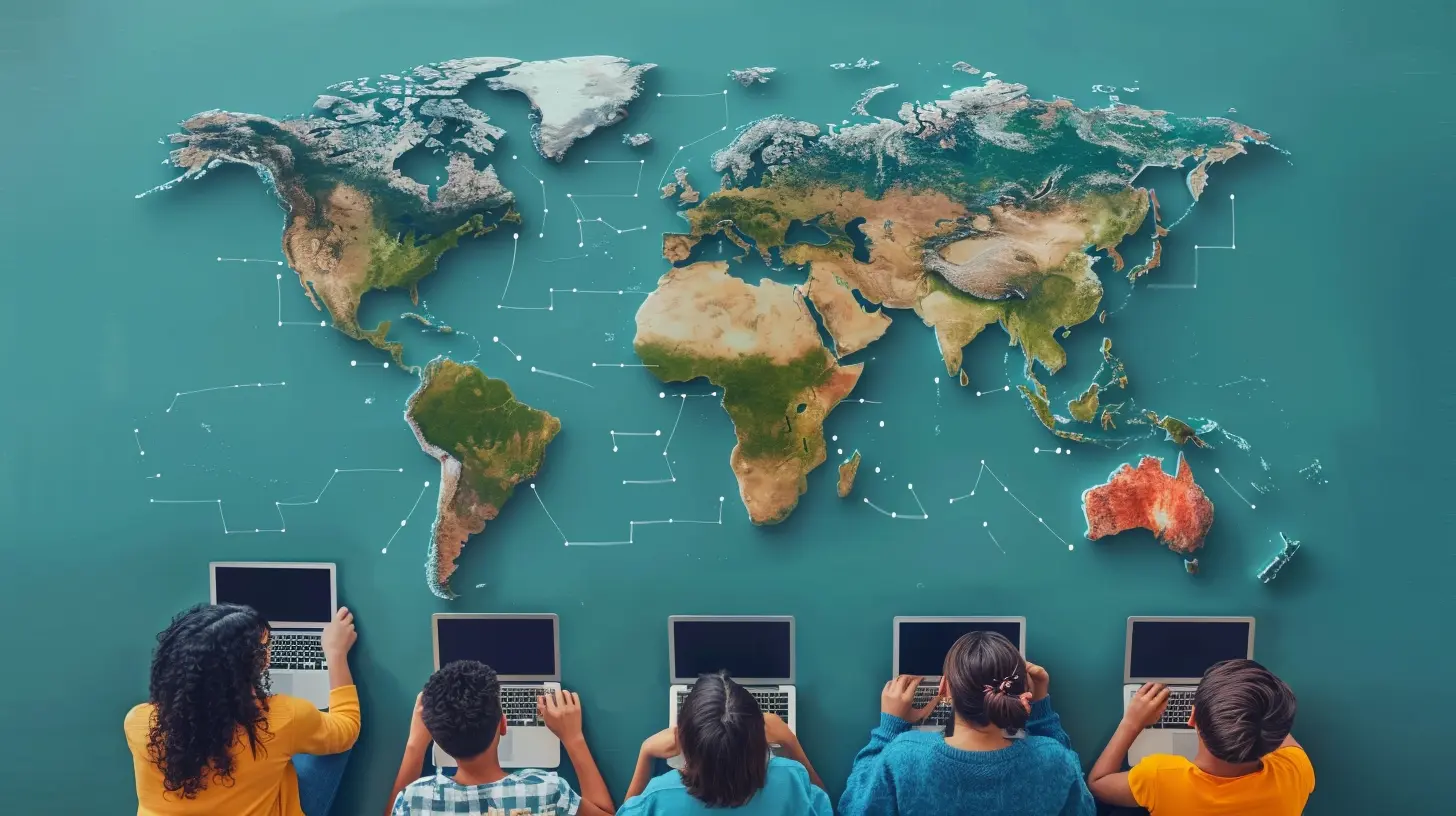
What is Remote Learning, Really?
Let’s start with the basics. Remote learning, also known as distance learning or online education, is when students and instructors are not physically present in a traditional classroom setting. Instead, learning happens through digital platforms—Zoom, Google Classroom, Moodle, or even WhatsApp.It’s not just about watching videos or attending webinars. It’s interactive, flexible, and most importantly, accessible to learners from basically anywhere with an internet connection.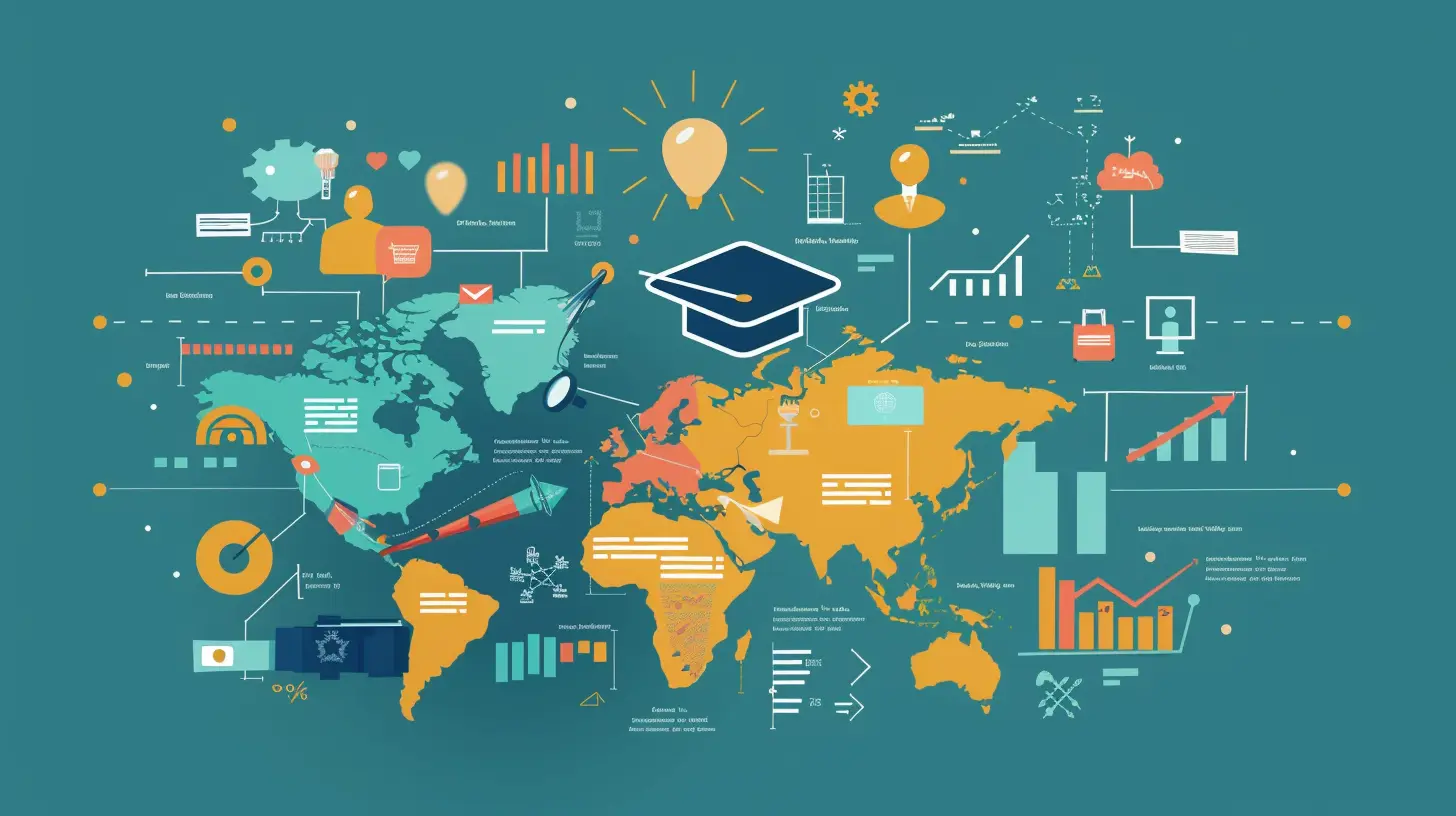
The Digital Revolution in Education
We live in a digital-first world. From food delivery to dating apps, everything has gone online—so why not education?Over the past decade, especially after the COVID-19 pandemic, schools, universities, and training programs were forced to pivot. Remote learning went from being "a nice option" to an absolute necessity.
And guess what? It stuck around. Not just because it was convenient, but because it opened doors that were previously sealed shut.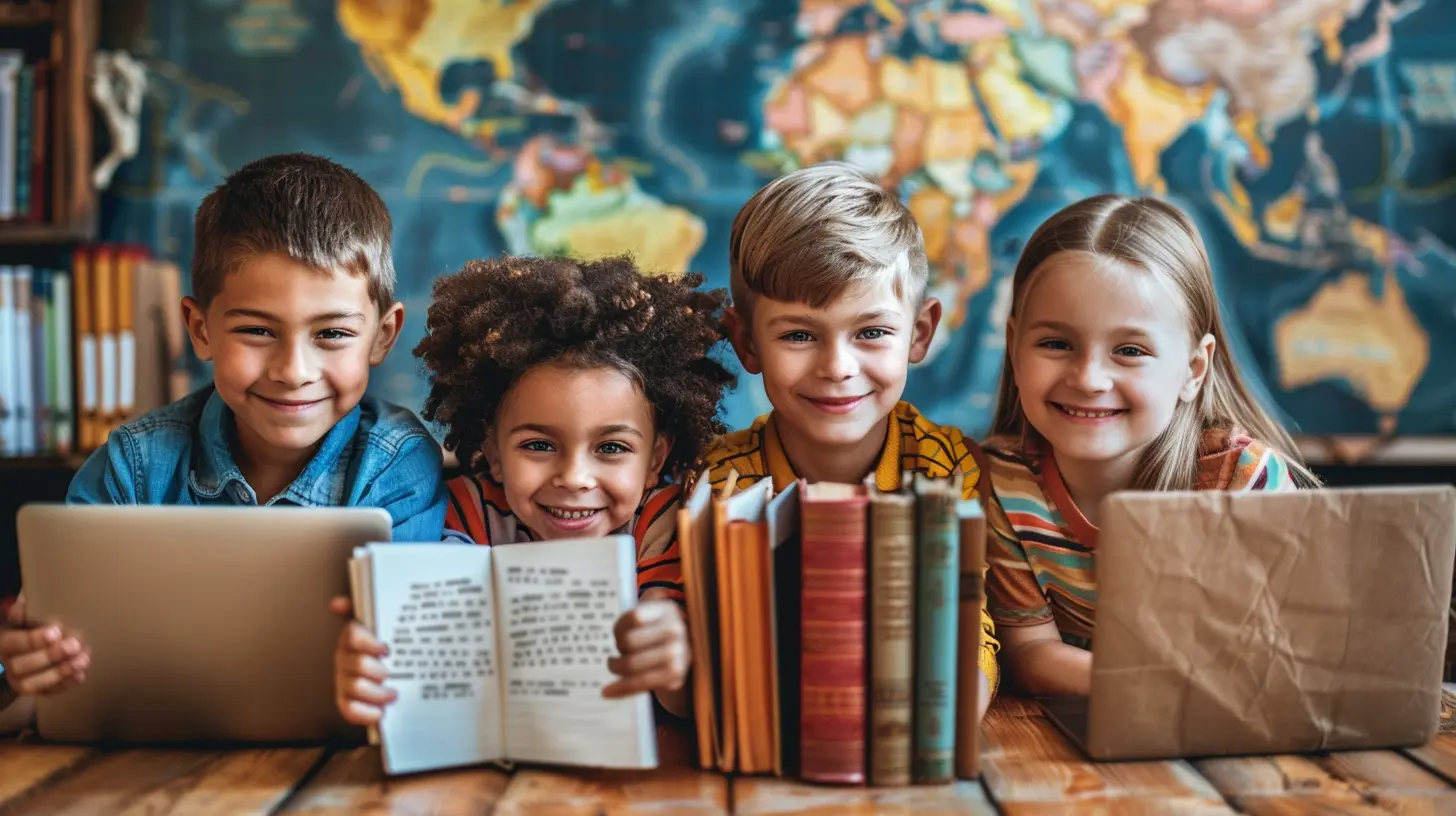
Breaking Down Educational Barriers
1. Geography is No Longer a Dealbreaker
Ever dreamt of enrolling in a course at Harvard or Oxford, but miles and money kept you away? Remote learning makes it possible. You could be sitting in a coffee shop in Manila and taking an artificial intelligence course from Stanford.That’s the magic—location doesn’t limit learning anymore.
2. Reduced Cost = Increased Access
Let’s face it—education can be insanely expensive. Tuition fees, accommodation, textbooks… it adds up fast. But with remote learning, many of those costs simply vanish.No need for commuting. No dorm fees. And many online courses (thank you, MOOCs!) are either free or way more affordable than their traditional counterparts.
3. Time is Flexible
Not everyone can attend a 9-to-5 class schedule, especially if you’re working, taking care of family, or living in a different time zone. Remote learning offers flexibility. You can watch lectures at midnight or early morning—whenever it suits your schedule. That's empowerment, plain and simple.
Empowering Underserved Communities
Let’s talk real impact. Remote learning isn’t just cool tech—it’s lifesaving for those in underserved areas.For Women in Conservative Societies
In countries where girls aren't encouraged (or even allowed) to attend school, remote learning offers a hidden path to education. All they need is a smartphone and a Wi-Fi signal. Suddenly, the whole world becomes their classroom.For Refugees and Displaced Individuals
Education often takes a backseat during crises. But with just a mobile device, refugees in camps can now access language lessons, vocational training, and even university courses.For Disabled Learners
Physical classrooms can be challenging for students with disabilities. But online platforms can be tailored to suit individual needs—be it screen readers, captions, or adjustable content formats.The Role of Technology: Bridging or Widening the Gap?
Alright, here’s where things get a bit complex. While remote learning can be a great equalizer, it also highlights the tech gap.The Digital Divide Is Real
Not everyone has access to high-speed internet or modern devices. In some rural areas, students are learning through SMS and radio broadcasts. It works, but it's not ideal.Bridging this digital divide requires serious investment—from governments, NGOs, and tech giants alike.
Solutions Are Popping Up
The good news? Solutions are emerging.- Low-bandwidth platforms: Think Khan Academy Lite or Coursera’s downloadable content.
- Offline learning: Some programs allow students to download lectures and study offline.
- Public Wi-Fi and device donations: Initiatives around the world are providing free internet and refurbished laptops to students in need.
How Institutions Are Adapting
Survival of the fittest? Maybe, but it’s more like survival of the most flexible.Hybrid Models Are Here to Stay
Schools and universities are blending in-person and online teaching to offer hybrid models. It’s like having the best of both worlds—face-to-face interaction and the flexibility of online learning.Curriculum is Getting a Makeover
Remote learning isn’t just about shifting traditional lectures online. It’s about rethinking how we teach. Interactive quizzes, gamified lessons, real-world simulations—these aren’t extras anymore; they’re essentials.Teachers are Evolving Too
Let’s give a shoutout to teachers. Many of them had to learn new technologies overnight. Now, they're curating content, becoming YouTubers, hosting webinars, and engaging with students in ways they never imagined.Remote Learning Success Stories
Need a dose of inspiration? Here are a few stories that show how transformative remote learning can be:- Fatima from Nigeria, who learned software development from YouTube tutorials and is now building apps for local businesses.
- Luis from Venezuela, who used free Coursera courses to become a certified data analyst—landed a remote job and supports his family.
- Amina from Afghanistan, who teaches English via Zoom to students around the world, despite not being allowed to work outside her home.
These aren't exceptions. They’re part of a growing global trend.
Challenges We Still Need to Solve
Okay, it's not all sunshine and rainbows. There are still major hurdles we can’t ignore.Engagement and Motivation
Let’s be honest—online learning can get lonely and boring. No classmates to chat with, no lunch breaks, no watercooler talk. Keeping students engaged online is a whole different ballgame.Credibility and Accreditation
Not all online courses are created equal. Some certificates aren’t recognized by employers or educational systems. We need better standards and widely accepted credentials that hold real value.Data Privacy
With so much of education happening online, where is all that data going? Students' personal information needs protection. It's a growing concern, and one that needs more attention.The Future: Where Do We Go From Here?
Remote learning isn’t just a Band-Aid solution—it’s a launching pad.Personalized Learning Paths
AI is starting to tailor learning experiences based on your pace, preferences, and goals. Soon, we’ll have smart tutors who know us better than we know ourselves.Global Classrooms
When students from five different continents work on the same project, they don’t just learn math or science—they learn empathy, collaboration, and perspective.Lifelong Learning
The idea of "go to school, graduate, get a job" is outdated. Careers evolve. Technologies change. Remote learning supports lifelong learning—it’s education that grows with you.Final Thoughts
Remote learning is more than just a trend—it’s a revolution. It’s making education borderless, inclusive, and flexible. It's empowering people who were once left behind and leveling the playing field in a world that’s been anything but fair.Sure, there are kinks to iron out. But the potential? It’s limitless.
So, the next time someone says, “Online classes are just easier or less valuable,” maybe show them how a kid in a village with a $100 smartphone is now learning quantum physics.
Remote learning is reshaping global education access—and we’re just getting started.
all images in this post were generated using AI tools
Category:
Global EducationAuthor:

Eva Barker
Discussion
rate this article
2 comments
Diana Stone
Remote learning: where pajamas are the new academic robes and coffee has replaced chalk dust! Who knew education could cross oceans while we sip lattes in our living rooms?
February 7, 2026 at 11:44 AM
Eva Barker
Absolutely! Remote learning has truly transformed the educational landscape, making it more accessible and comfortable than ever. Cheers to learning in our loungewear!
Zayla McManus
This article beautifully captures the transformative power of remote learning. It’s inspiring to see how technology is breaking barriers and providing opportunities for many who previously lacked access to quality education. A true testament to resilience and innovation in education!
January 21, 2026 at 3:50 AM
Eva Barker
Thank you for your insightful comment! I’m glad you found the article inspiring and appreciate your recognition of the transformative role of remote learning in expanding access to education.