How International Collaboration is Transforming STEM Education
19 August 2026
Ah, STEM education. The magical world where math, science, technology, and engineering collide to create a better future—or at least that’s the plan. But have you ever wondered what happens when you toss international collaboration into the mix? Imagine a global science fair where every country brings its own flavor of nerdiness to the party. Suddenly, STEM education isn’t just about solving equations; it’s about solving global problems together. And spoiler alert: it’s changing the game.
So, buckle up your lab coats and grab your passports because we’re diving into how international collaboration is flipping the script on STEM education. And no, you don’t need to speak fluent Python to appreciate this.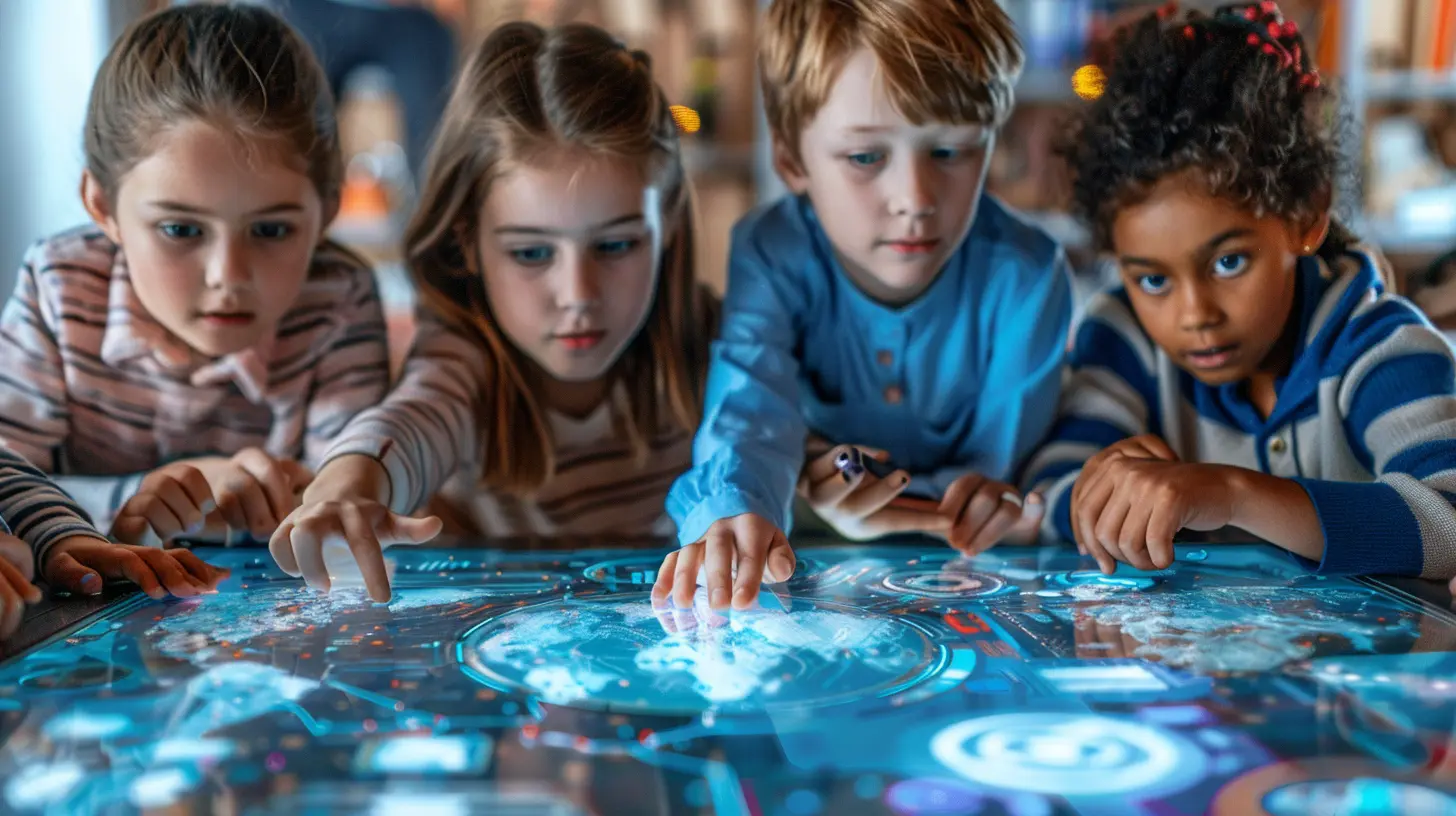
The Global Science Squad – More Than Just Fancy Zoom Calls
Let’s start with the basics. What do we really mean by “international collaboration” in STEM? Picture students from Tokyo, teams from Toronto, and researchers in Nairobi all working on the same climate change project. Tools like video conferencing, cloud-based sharing platforms, and online workspaces have turned once-isolated classrooms into bustling hubs of international brainpower.But don’t be fooled—it’s not just about sharing PowerPoints over a dodgy Wi-Fi connection. It’s about building a mindset where diversity isn’t just tolerated; it’s celebrated. Different countries bring different problem-solving approaches. Turns out, trying new things is actually kind of genius. Who would've thought?
STEM Isn’t Just for the Geniuses in Lab Coats Anymore
Remember when STEM education felt like an exclusive club where only the “gifted” kids got the secret handshake? Yeah, those days are fading faster than the battery on a 10-year-old iPhone.Thanks to international collaboration, STEM is breaking down those oh-so-elite barriers. Projects with global participation make it clear: you don’t need to ace calculus to make a difference. You just need curiosity, a Wi-Fi connection, and maybe a few hours of sleep (optional, apparently).
Programs like the Global Learning and Observations to Benefit the Environment (GLOBE) Program are letting students worldwide collect environmental data and share their findings. Suddenly, little Sarah in South Africa and young Miguel in Mexico are becoming co-investigators on a planet-saving mission. Super cool, right?
Real-World Problems, Real-World Teamwork
Let’s not sugarcoat it—STEM can get... dry. Derivatives and circuit diagrams have the same excitement level as watching paint dry. But throw in a real-world problem like building sustainable cities or fighting pandemics, and suddenly, stuff gets interesting.International collaboration injects a dose of reality into STEM that textbooks just can’t replicate. Students aren’t just solving theoretical problems—they’re tackling actual global challenges. Think about it: who better to brainstorm a solution to a worldwide issue than a team representing the world?
It’s like assembling The Avengers, but everyone's armed with Google Docs and data models instead of superpowers.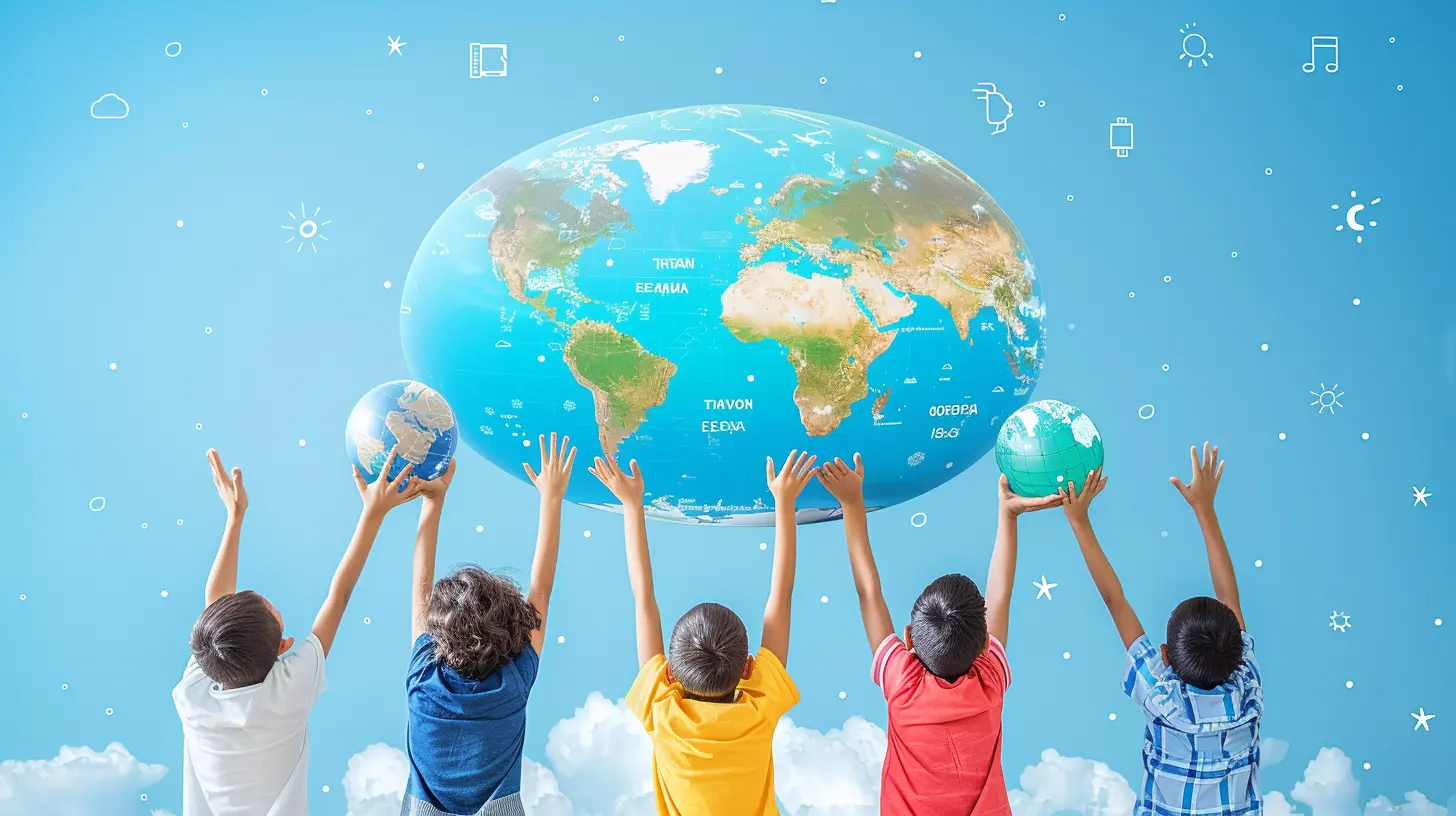
Diversity Is the Secret Sauce
Let’s talk secret weapons. No, not fancy coding languages or 3D printers, but a good ol’ mix of perspectives. Because guess what? Diversity isn’t just politically correct—it’s scientifically effective.When students from different cultures, backgrounds, and time zones work together, something magical happens. Ideas blend, assumptions get challenged, and innovation is born. It’s not always smooth sailing (let’s be honest, translating math jokes isn’t exactly easy), but the benefits wildly outweigh the awkward moments.
And hey, if nothing else, group chats filled with emojis in five different languages are endlessly entertaining.
Tech Makes It Possible – And a Little Bit Chaotic
Ah yes, technology—the double-edged sword of this grand equation. On one hand, it's the reason this international STEM lovefest can exist at all. Platforms like Zoom, Google Workspace, and even good ol’ Slack are keeping students and educators connected across continents.But let’s not kid ourselves—tech also brings a fair share of chaos. Time zones are the ultimate boss battle. A group project meeting at 3 AM for someone? Classic international collaboration move. Then there’s the fun of buffering video calls, “Can you hear me now?” moments, and Wi-Fi that disappears right when it’s your turn to present.
Still, despite the technical hiccups (and the occasional appearance of someone’s cat on camera), the ability to collaborate with people halfway across the globe is mind-blowing. Just remember to mute your mic when you're not talking. Yes, we mean you.
Teachers Are Getting a Glow-Up Too
Students aren’t the only ones benefitting from this whole global STEM makeover. Teachers are having their own international glow-up.Professional development programs now link educators from around the world, helping them swap strategies, curriculum ideas, and occasionally, hilarious classroom horror stories. Whether it’s co-teaching online modules or attending global conferences, educators are stepping up their game with new tools and fresh perspectives.
Honestly, who wouldn’t want to steal—I mean “borrow”—lesson plans from someone in Finland? Those folks know what they’re doing.
Research, Research, Baby!
Let’s not forget the academic side of the house. Researchers are probably the OGs of international STEM collab, writing papers with co-authors they’ve never met in person and publishing data that makes your head spin.But now, that high-level research mindset is trickling down into the classroom. Students are getting access to global databases, international mentorship programs, and even virtual labs. Yep, you read that right. Virtual labs. Because nothing says “science” like mixing chemicals… from your couch.
Budgets, Bureaucracy, and Why Collaboration Still Wins
Now, before we all get too dreamy-eyed, let’s talk challenges. International collaboration in STEM education isn’t all rainbows and Nobel prizes. There are legit hurdles—funding issues, curriculum mismatches, language barriers, political red tape. Oh, and let’s not forget the joys of aligning academic calendars.But here’s the twist: despite all the barriers, collaboration is still skyrocketing. Why? Because once you’ve seen how much more impactful STEM education becomes when it's globally connected, there’s no going back. Kind of like discovering Wi-Fi after dial-up—yes, it’s that dramatic.
Students Are Becoming Global Citizens (and That’s Not Just a Buzzword)
Beyond all the academic bells and whistles, here’s the real prize: students are growing into global citizens. These international STEM partnerships are teaching more than just equations and code. They’re nurturing empathy, cultural intelligence, and collaboration skills that make Excel spreadsheets look boring (okay, they always were).Students learn to lead, listen, adapt, and problem-solve with peers who may have totally different lived experiences. In a world where global problems need global solutions, these are superpowers in their own right.
But Wait—Isn’t This All Just a Fancy Gimmick?
Oh, cynics, we see you. “Isn’t this just a trendy education gimmick wrapped in a shiny acronym?” you ask. Well, sure, it sounds a bit like marketing mumbo jumbo, but the results speak louder than the buzzwords.Schools and universities that engage in international STEM collaboration report higher student engagement, enhanced critical thinking, and—get this—better academic performance. In actual science terms: it works.
Plus, when students are invested in what they’re learning because it feels real and relevant, isn’t that kinda the whole point?
The Future: Powered by Collaboration (And Probably Caffeine)
So what’s next for this global STEM revolution? More of it, please. As technology advances, expect even deeper integration across borders. Think AI-supported language translation for seamless conversations, blockchain for transparent certification systems, and yes—maybe even holographic classrooms if someone can finally get on that.But above all, the heart of future STEM education will be the same: curiosity, creativity, and collaboration. The caffeine is optional, but let’s be honest—it helps.
Final Thoughts: It’s a Small STEM World After All
International collaboration isn’t just transforming STEM education—it’s making it human. It's reminding us that while we may live in different corners of the world, we share the same sky, the same planet, and the same thirst for knowledge.So whether you’re a student in a remote village with a fast internet connection or in a bustling city with a stack of coding books, know this: you’re part of something way bigger than just your classroom. You’re part of a global learning movement.
And if that doesn’t make you want to high-five someone in another time zone, I don’t know what will.
all images in this post were generated using AI tools
Category:
Global EducationAuthor:

Eva Barker