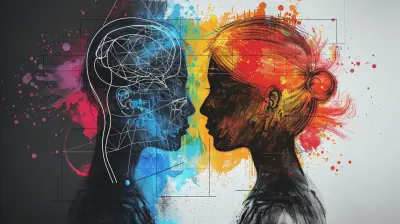
How Extracurriculars Encourage Collaboration Across Diverse Groups
2 August 2026
Extracurricular activities play a crucial role in shaping students beyond academics. Whether it’s sports, music, drama, debate, or community service, these activities foster teamwork, leadership, and, most importantly, collaboration. But have you ever thought about how extracurriculars help students connect with diverse groups?
In today’s increasingly globalized world, working with people from different backgrounds is an essential skill. Schools serve as mini melting pots where students interact with classmates of various cultures, beliefs, and experiences. Extracurricular activities provide a common ground where differences fade, and teamwork takes center stage.
Let’s dive into how extracurriculars encourage collaboration across diverse groups and why that’s so important for personal and academic growth.
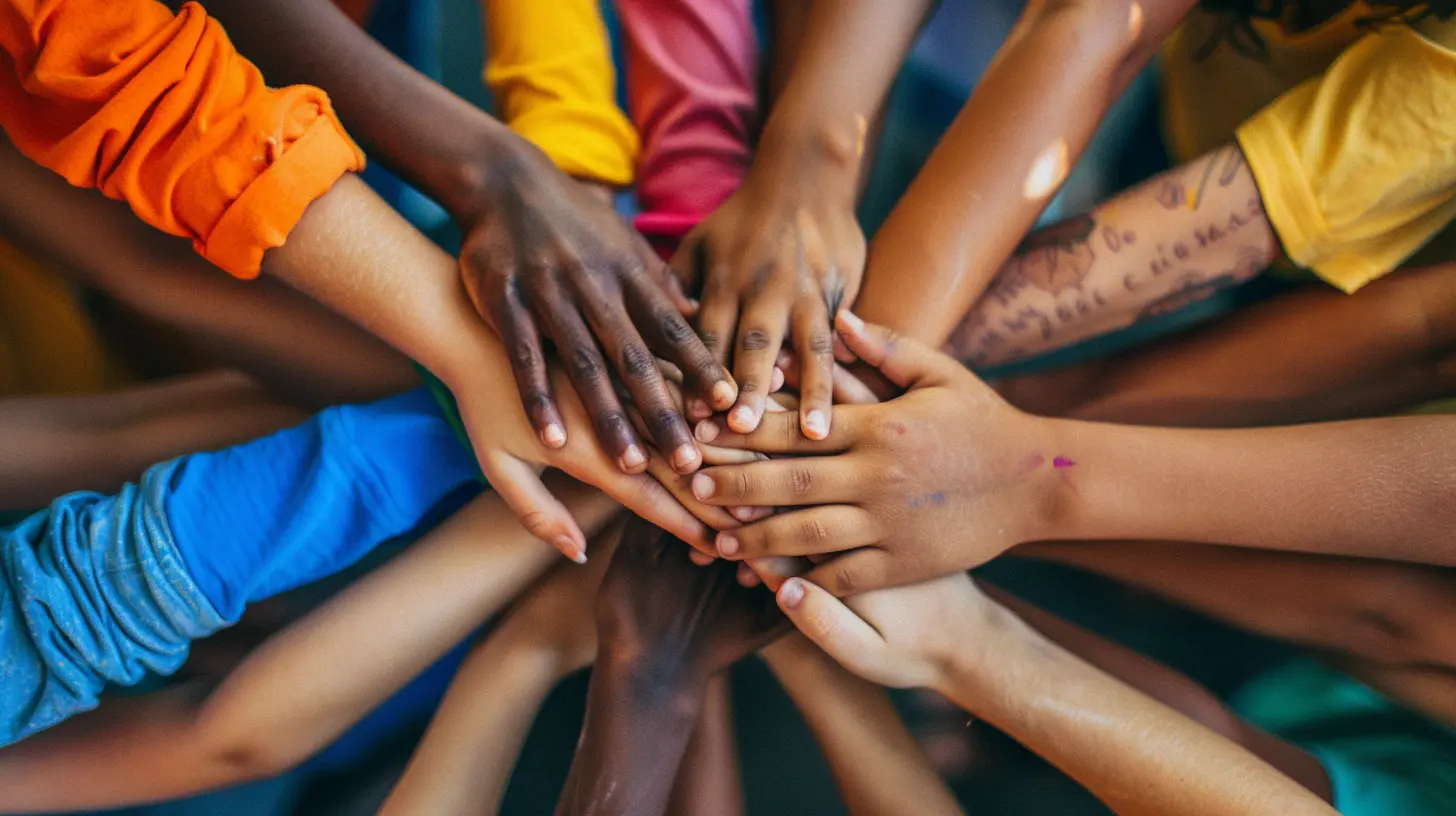
The Power of Extracurriculars in Bringing People Together
Unlike academic settings, extracurriculars create an informal, relaxed environment where students feel more comfortable expressing themselves. This atmosphere fosters open communication and breaks down barriers between individuals who might not have interacted otherwise.But how exactly does this happen? Let’s break it down.
1. Common Interests Build Bridges
When students join an extracurricular activity, they do so because they are passionate about it. Whether it’s joining the robotics club, playing in a soccer team, or participating in a theater production, these shared interests help break the ice.Imagine a school choir with students from different cultural backgrounds. While they may differ in language, traditions, or perspectives, their shared love for music unites them. Singing in harmony requires collaboration, listening, and respect—skills that naturally carry over into real-world relationships.
2. Teamwork Transcends Differences
Extracurriculars often involve teamwork, which means students must rely on each other to succeed. When working toward a common goal, personal differences take a backseat.Take a basketball team, for example. A player’s background, language, or socioeconomic status doesn’t matter when they’re on the court. What’s important is trust, coordination, and working toward victory. The necessity of teamwork fosters mutual understanding and respect.
3. Leadership Opportunities Encourage Cross-Cultural Understanding
Extracurricular activities often present leadership opportunities. Whether it’s captaining a sports team, leading a debate club, or organizing a charity drive, students step into roles that require them to work with diverse groups.Leading a diverse team teaches students adaptability, patience, and cultural sensitivity. It pushes them to consider different viewpoints and make decisions that benefit the entire group. These are invaluable skills for future leaders in any field.
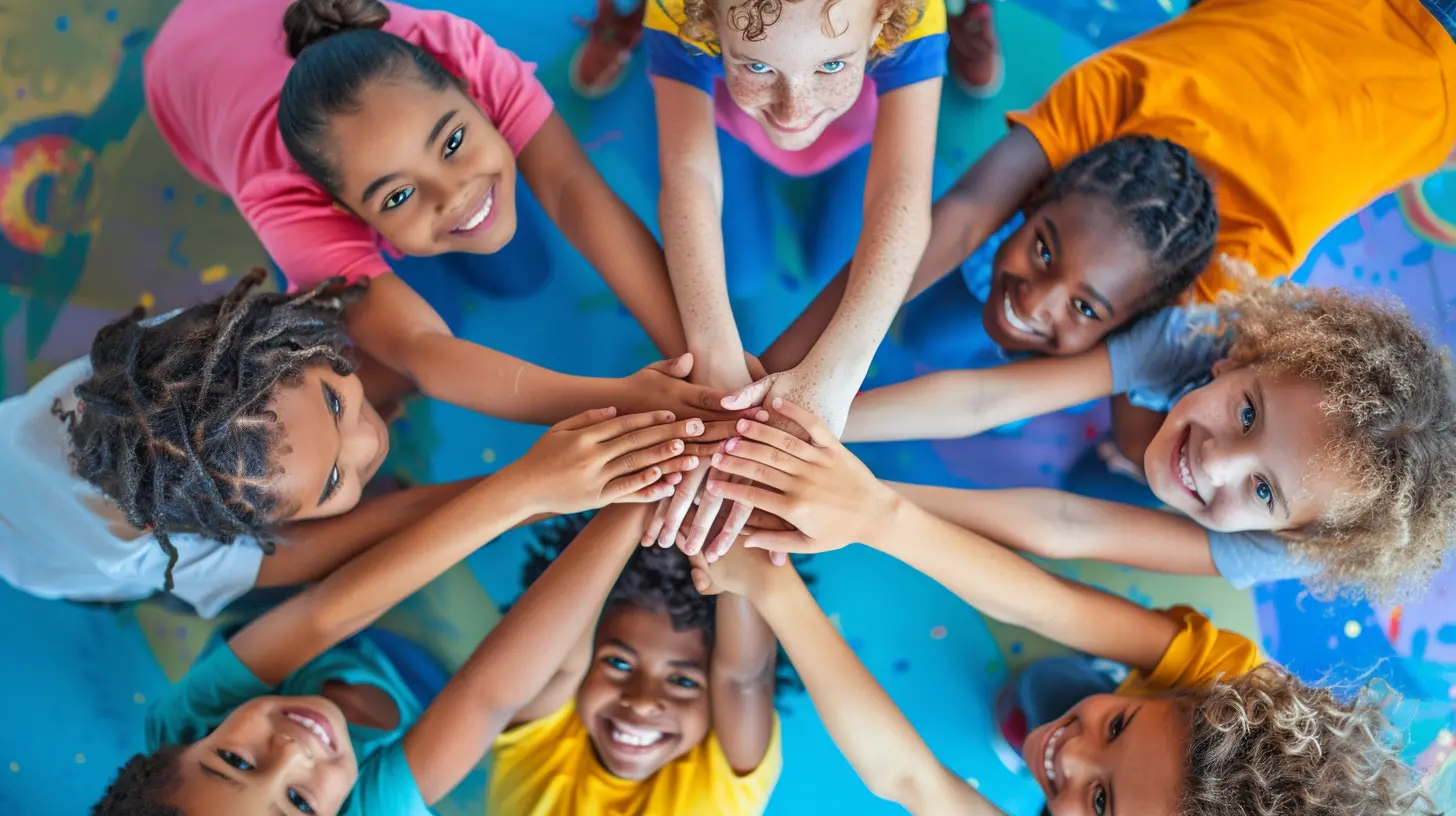
How Extracurriculars Promote Diversity and Inclusion
One of the most beautiful aspects of extracurriculars is that they are inclusive. Unlike academics, where students are often grouped based on grades or performance, extracurriculars welcome participants based on interest and commitment.1. Encouraging Open-Mindedness
Being part of a diverse group exposes students to new perspectives. A book club, for instance, may include students from different backgrounds who interpret the same story differently. Such discussions broaden minds and challenge preconceived notions.2. Breaking Cultural Stereotypes
Interaction through extracurriculars allows students to see beyond stereotypes. When working with someone from a different culture, they begin to understand the person beyond societal labels.Consider a theater production where students from multiple backgrounds come together to perform. Through rehearsals, script discussions, and performances, they gain insight into each other’s cultures in a way that textbooks alone cannot teach.
3. Creating Lifelong Friendships
Many students form lifelong friendships through extracurricular activities. These friendships often cross cultural and social boundaries, proving that shared experiences and teamwork outweigh differences.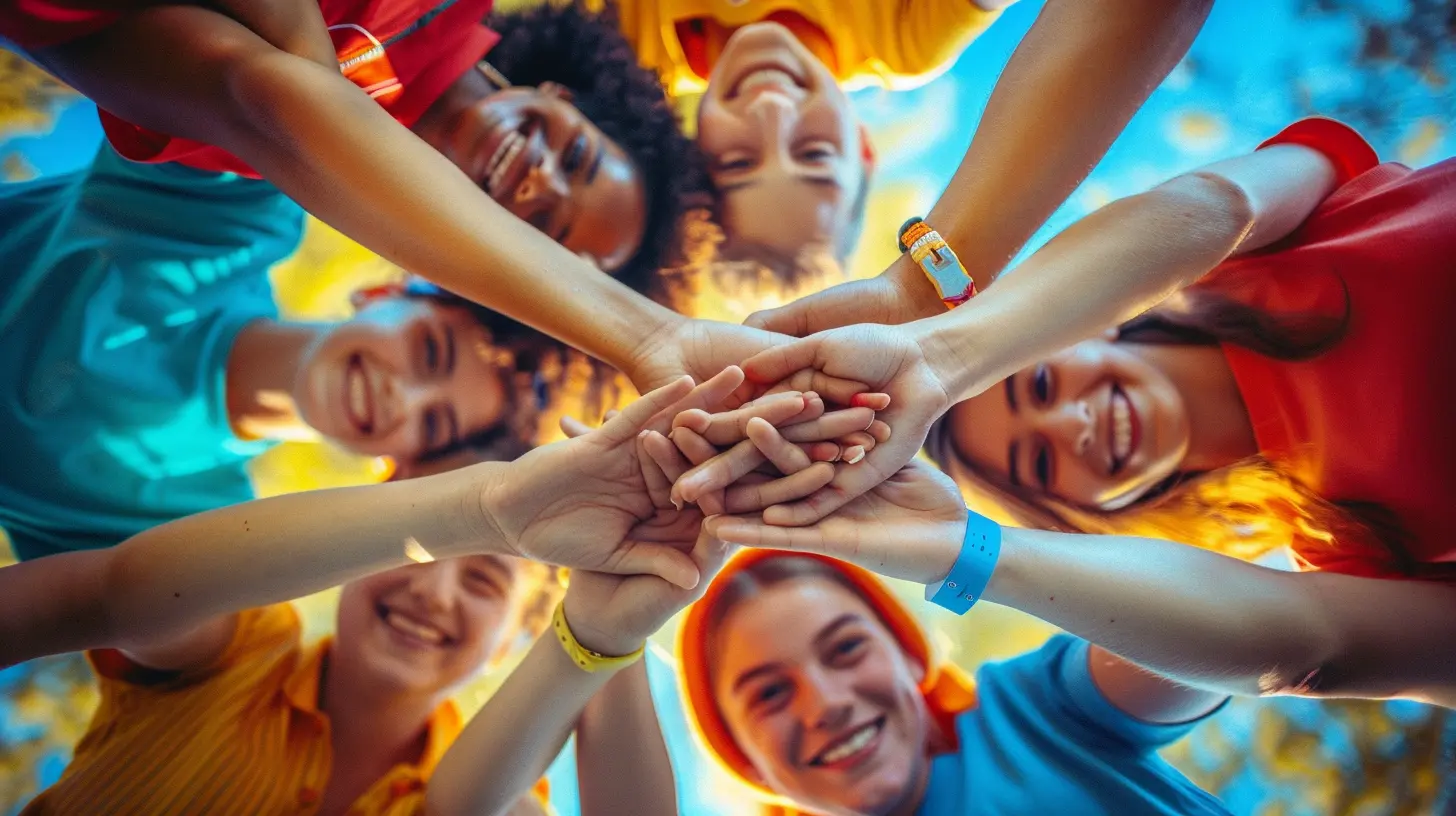
Practical Examples of Extracurricular Collaboration
Let’s look at a few specific extracurricular activities and how they encourage collaboration across diverse groups.1. Sports Teams
- Players must rely on each other to win.- Communication and strategy are essential, regardless of language or cultural differences.
- It fosters respect and camaraderie beyond the field.
2. Student Government
- Brings together students from different backgrounds to make decisions that impact the school.- Encourages debates, healthy discussions, and compromise.
- Helps students understand the importance of diverse viewpoints in leadership.
3. Community Service Clubs
- Involves students working together toward a cause, such as organizing food drives or helping disadvantaged communities.- Emphasizes social responsibility and empathy.
- Encourages collaboration between individuals who may not interact in a classroom setting.
4. Performing Arts (Music, Dance, Theater)
- Requires seamless coordination among participants from various backgrounds.- Teaches students to appreciate different cultural influences in art.
- Builds confidence in self-expression while fostering teamwork.
5. Academic Clubs (Debate, Science, Robotics)
- Students must work together to solve problems and present ideas.- Encourages analytical thinking and respectful discourse, even when opinions differ.
- Promotes diversity in thought and approach.
The Long-Term Benefits of Collaborative Extracurricular Activities
Collaboration in extracurriculars doesn’t just help students during their school years—it benefits them in the long run.1. Prepares Students for Diverse Work Environments
Most workplaces today are highly diverse. Employees often collaborate with colleagues from different countries, cultures, and belief systems. Students who participated in diverse extracurricular activities will find it easier to adapt to such environments.2. Develops Strong Communication Skills
Working with different people requires clear communication. Whether in a school project, a sports team, or a music band, students learn to articulate their thoughts while also listening to others. This skill is invaluable in any career.3. Enhances Emotional Intelligence
Understanding and respecting different perspectives help build emotional intelligence. People with high emotional intelligence navigate social and professional relationships more effectively, making them better leaders and team players.4. Instills a Sense of Global Citizenship
Extracurriculars help students appreciate cultures and perspectives beyond their own. This fosters a sense of global citizenship, where they see themselves as part of a larger, interconnected world.Final Thoughts
Extracurricular activities are more than just hobbies or time-fillers—they are powerful tools for fostering collaboration across diverse groups. Whether through sports, arts, leadership roles, or clubs, students develop essential skills like teamwork, communication, and cultural sensitivity.By participating in extracurriculars, students learn to work with people from different backgrounds, forming friendships and experiences that enrich their lives. In a world that is increasingly interconnected, the ability to collaborate across diverse groups is not just an asset—it’s a necessity.
So, if you're a student, get involved! If you're an educator, encourage participation. The benefits go beyond school—they shape individuals into open-minded, empathetic, and effective team players for life.
all images in this post were generated using AI tools
Category:
Extracurricular ActivitiesAuthor:

Eva Barker