How Educators Can Harness the Power of Creativity to Build Inclusive Classrooms
29 March 2026
Creating an inclusive classroom isn’t just about following rules or checking boxes—it’s about making every student feel seen, valued, and empowered to learn in their unique way. That’s where creativity comes in.
By weaving imagination, innovation, and flexibility into your teaching approach, you can turn your classroom into a space where diversity is celebrated, and all students, regardless of their backgrounds, abilities, or learning styles, feel at home.
But how do you do that? Let’s dive into the ways educators can harness creativity to foster inclusion and belonging. 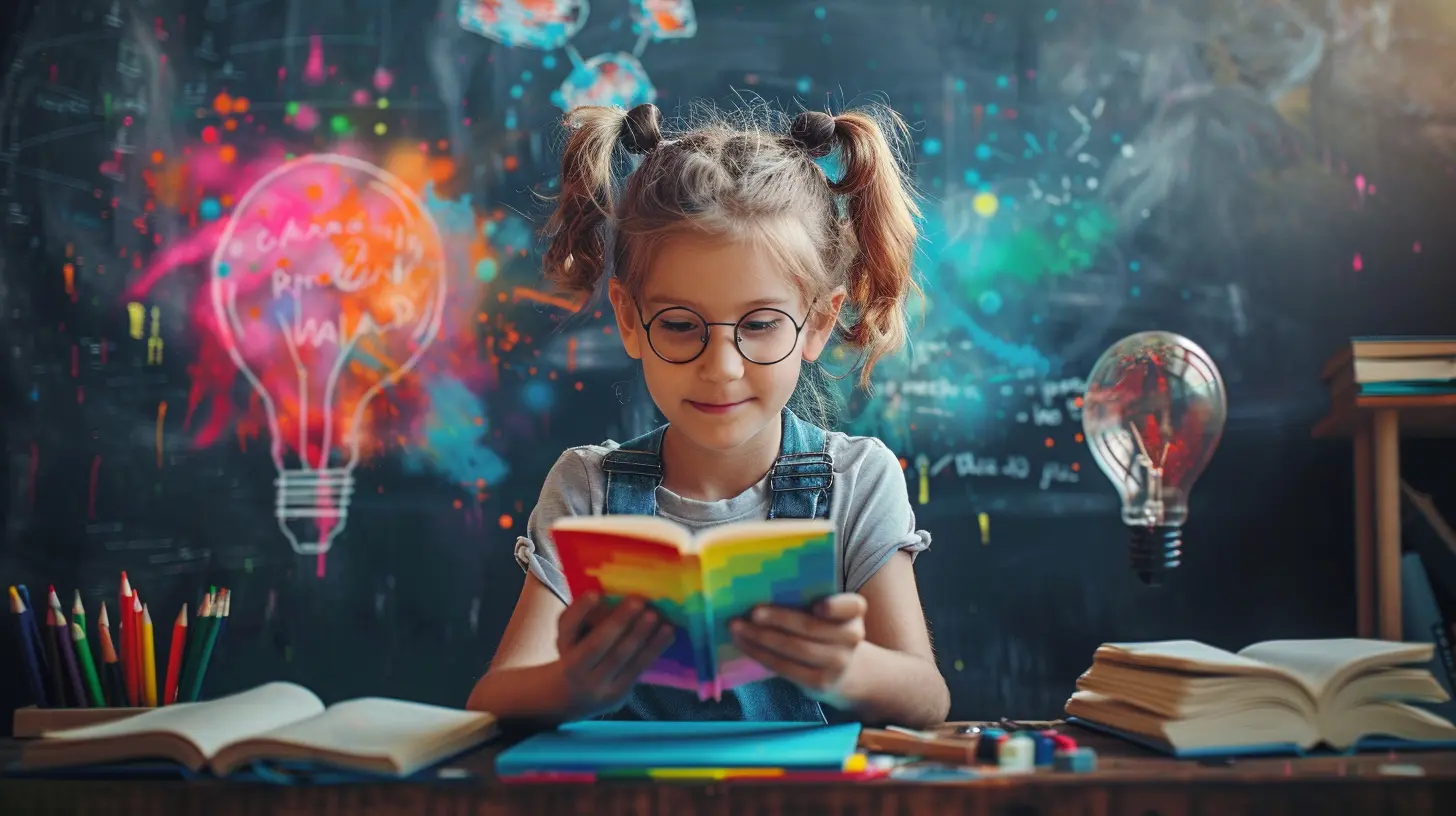
Why Creativity is Essential for an Inclusive Classroom
Think about it—when was the last time a rigid, one-size-fits-all teaching method worked for everyone? Probably never.Every student comes with their own experiences, perspectives, and learning needs. Creativity allows educators to adapt, personalize, and engage students in ways that traditional teaching methods just can’t.
Here’s why creativity is a game-changer in inclusive education:
- Encourages Multiple Learning Styles – Some students learn best by reading, others by doing, and some through visuals or audio. Creativity lets you integrate various teaching approaches to support different learners.
- Fosters Engagement – Let’s face it: a monotonous classroom isn’t inspiring. A creative, dynamic learning environment keeps students excited to participate.
- Builds a Sense of Belonging – When students see their ideas, cultures, and strengths reflected in the classroom, they feel like they truly belong.
- Promotes Problem-Solving Skills – Creativity encourages students to think outside the box, boosting their confidence and problem-solving abilities.
Now that we know why creativity matters, let’s talk about how you can bring it into your teaching. 
1. Embrace Student Choice & Voice
Giving students a say in their learning is one of the most powerful ways to create an inclusive classroom. When students feel they have control over their education, they take more ownership of their learning.How to Do It:
- Offer Flexible Assignments – Instead of a traditional essay, let students choose between writing, creating a video, designing a comic strip, or recording a podcast.- Incorporate Student Interests – Find out what excites your students and build lessons around their passions. A sports-loving student might enjoy learning math through statistics, while a budding artist may prefer visual storytelling.
- Encourage Open Discussions – Give students space to share their thoughts, experiences, and ideas in ways that feel safe and welcoming.
By allowing choice, you're not just teaching content; you're helping students feel heard and valued. 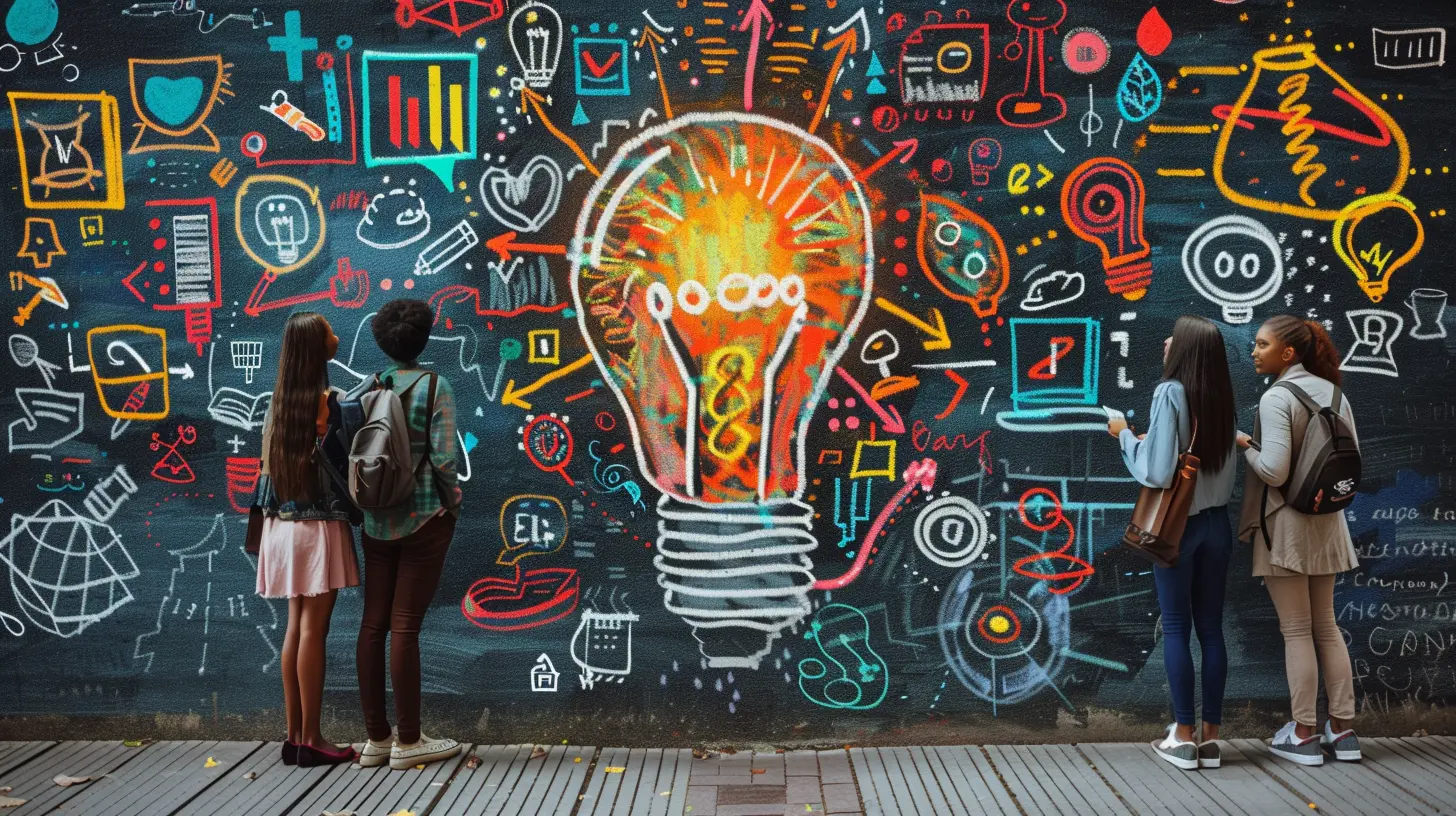
2. Use Creative Teaching Techniques
Gone are the days of dry lectures and rigid textbooks. Creativity in teaching makes learning more accessible and engaging for everyone.Creative Strategies to Try:
- Gamify Your Lessons – Turn learning into a fun, interactive experience with educational games, role-playing, and team challenges.- Use Storytelling – Stories help students connect emotionally to the material. Share real-life examples, let students create their own stories, or use digital storytelling tools.
- Incorporate Arts & Music – Drawing, painting, acting, and music can make complex subjects easier to grasp, especially for neurodivergent students.
- Try Hands-On Activities – Learning by doing is incredibly effective. Science experiments, building models, and interactive projects make concepts come alive.
Creativity turns the classroom into a playground for the mind—where curiosity thrives and learning feels like an adventure. 
3. Adapt Learning Materials for Accessibility
An inclusive classroom ensures that all students, including those with disabilities or language barriers, can fully participate. This requires creative adaptation of educational materials.Ways to Make Learning Accessible:
- Use Multiple Formats – Provide lessons in text, audio, video, and interactive formats to accommodate different learning needs.- Simplify and Visualize – Break down complex ideas using infographics, diagrams, and simple language.
- Offer Assistive Technology – Screen readers, captioned videos, and speech-to-text apps can make learning more inclusive for students with disabilities.
- Flexible Assessments – Allow students to show what they’ve learned in different ways—a verbal explanation, a multimedia presentation, or a visual project.
Adapting lessons creatively ensures that all students have an equal opportunity to succeed.
4. Foster a Culture of Collaboration & Empathy
Creativity isn’t just about what we teach, but also how we interact with students. A truly inclusive classroom thrives on kindness, understanding, and teamwork.Ways to Build a Supportive Classroom Culture:
- Encourage Peer Teaching – Let students teach each other. This builds confidence and allows different perspectives to be shared.- Celebrate Differences – Use lessons to highlight diverse cultures, traditions, and experiences. Normalize conversations about inclusion and diversity.
- Practice Empathy-Driven Learning – Ask students to step into someone else’s shoes through role-playing activities, storytelling, or discussions about real-world issues.
- Collaborate on Projects – Assign group projects that require teamwork, creativity, and problem-solving, encouraging students to learn from each other's strengths.
By fostering a culture of empathy and collaboration, you're not just teaching students—you're shaping compassionate, open-minded individuals.
5. Create Safe Spaces for Expression
For creativity to truly flourish, students need to feel safe expressing themselves without fear of judgment. When students know they are accepted, they’re more willing to share ideas and take creative risks.How to Build a Safe & Inclusive Classroom:
- Establish Respectful Communication Norms – Teach students how to communicate respectfully, listen actively, and appreciate different viewpoints.- Provide Emotional Check-Ins – Start the day with a “How are you feeling?” activity to help students express their emotions.
- Encourage Mistakes as Learning Opportunities – Remind students that creativity thrives on trial and error. Normalize making mistakes as a step in the learning process.
- Value Every Voice – Ensure quieter students or those from marginalized backgrounds feel encouraged to share their thoughts.
When students feel safe, they engage more deeply, think more creatively, and develop confidence in their abilities.
Final Thoughts
Creativity isn’t just a bonus in education—it’s essential for building inclusive classrooms where every student feels they belong. By embracing student choice, using innovative teaching methods, adapting for accessibility, fostering collaboration, and creating safe spaces, educators can ensure that learning is not just effective but also joyful and empowering.So, the next time you're planning a lesson, ask yourself: How can I make this more creative? Because when creativity leads the way, every student wins.
all images in this post were generated using AI tools
Category:
Creativity In EducationAuthor:

Eva Barker
Discussion
rate this article
2 comments
Emmett Ortiz
This article brilliantly highlights the vital role of creativity in fostering inclusivity within classrooms. By embracing diverse teaching methods and encouraging student expression, educators can create environments where every learner feels valued. Harnessing creativity not only enhances engagement but also builds a strong community that celebrates individuality and collaboration. Great insights!
April 2, 2026 at 11:51 AM
Eva Barker
Thank you for the kind words! I'm glad you found the insights valuable. Creativity truly is key to fostering inclusivity in our classrooms.
Pia McCallum
Creativity is a powerful tool in education, fostering inclusivity by allowing diverse voices and perspectives to thrive. By embracing innovative teaching methods, educators can create dynamic environments where every student feels valued and empowered to contribute, ultimately enriching the learning experience for all.
March 29, 2026 at 6:56 PM
Eva Barker
Thank you for your insightful comment! I completely agree—creativity not only enhances learning but also ensures that every student’s voice is heard and valued.