How Collaborative Learning is Breaking International Barriers
23 May 2026
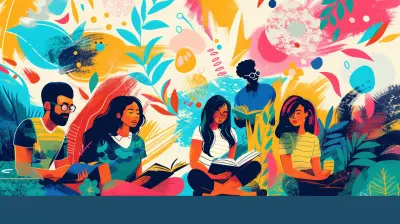
In a world more connected than ever, our learning methods are changing too. One of the most powerful shifts in education today is collaborative learning — and it’s not just about working in groups anymore. It’s about people from different cultures, time zones, and backgrounds coming together to share knowledge, build skills, and create something bigger than themselves. Sounds amazing, right?
So, what’s really going on with this trend? And more importantly, how is collaborative learning smashing the walls that once separated learners around the globe? Let’s dive in.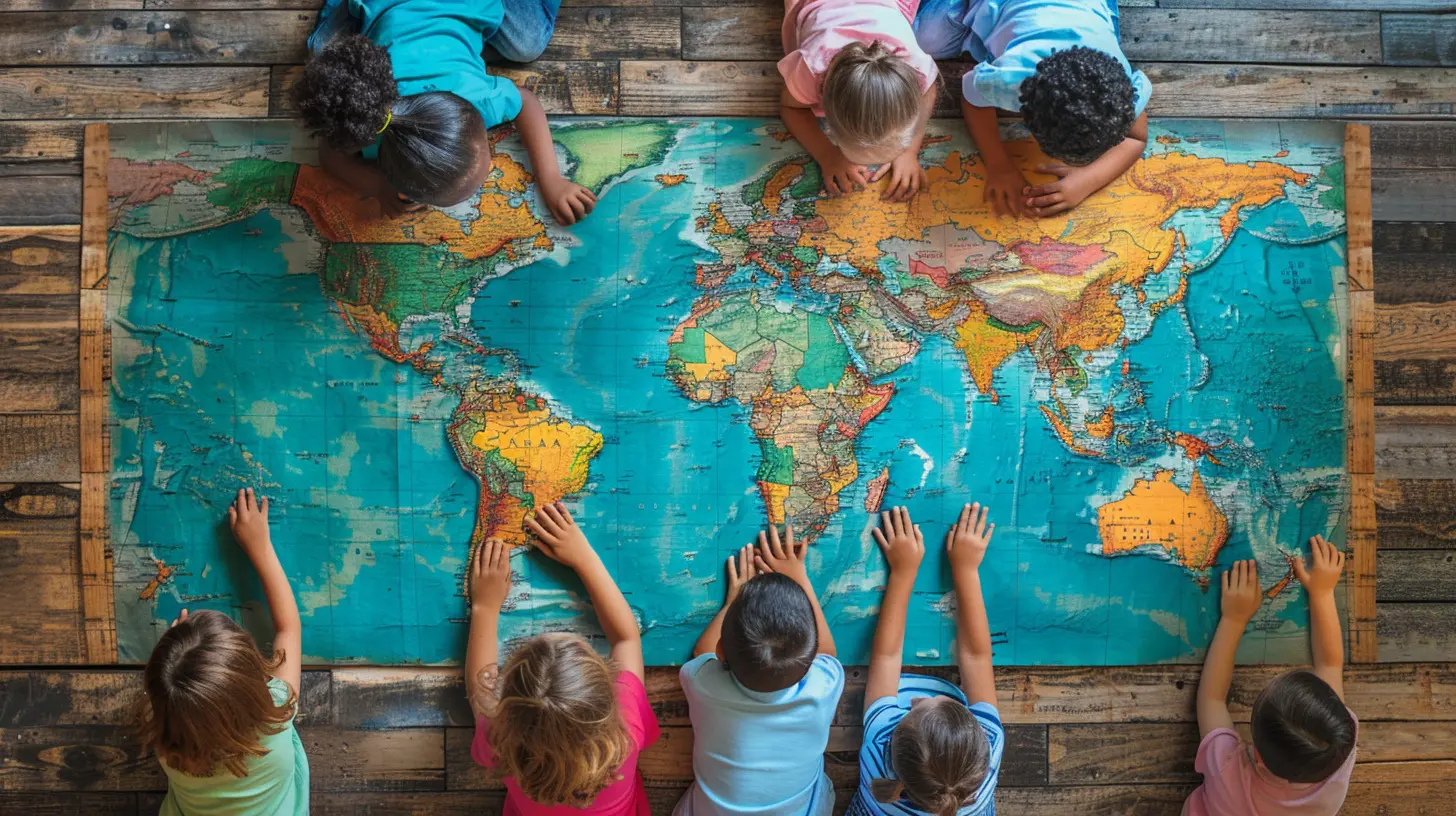
What Is Collaborative Learning, Really?
Before we unpack how it’s transforming global education, let’s get clear on what collaborative learning actually means.At its core, collaborative learning is a teaching method where students work together in small groups to solve problems, complete tasks, or understand new concepts. But that’s just the surface.
In its modern form, collaborative learning includes everything from classroom group projects to international Zoom calls with peers halfway across the world. It thrives on interaction, communication, and—most importantly—mutual respect for diverse perspectives.
And with the internet powering everything these days, collaborative learning is no longer limited by geography.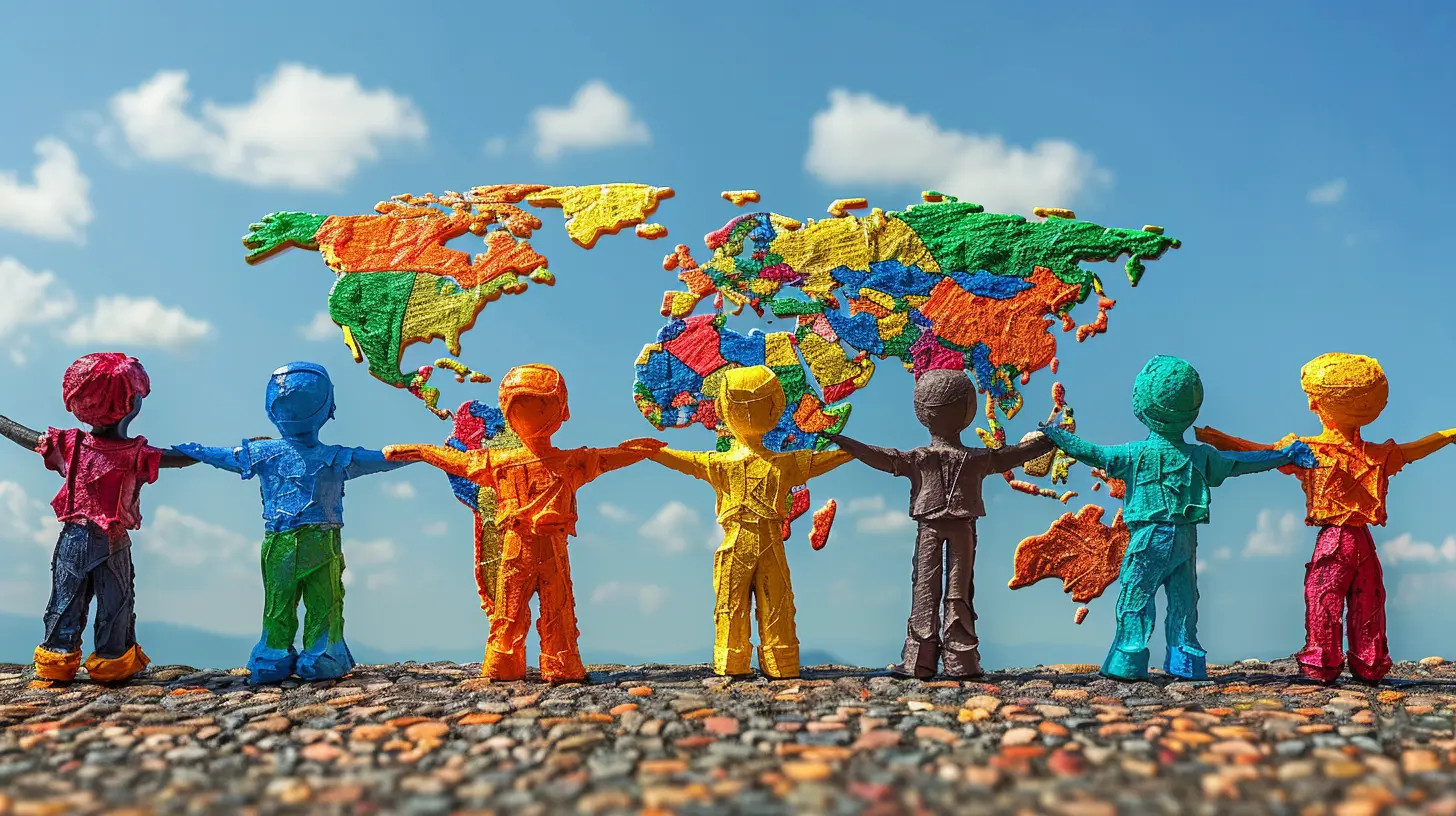
The Digital Age Changed Everything
Imagine this: a student in Kenya working on a science project with a peer in Canada, guided by a mentor in Japan. A decade ago, that would’ve sounded like a futuristic sci-fi scenario. Today? It’s real life.Thanks to online platforms like Google Classroom, Microsoft Teams, Zoom, Slack, and more niche academic spaces like Edmodo or Padlet, students and educators are connecting globally with just a few clicks.
This new digital infrastructure has blown open the gates of traditional education systems. No longer are students confined by local resources or limited by regional perspectives. They can collaborate in real-time with someone from an entirely different educational or cultural background — and that’s something huge.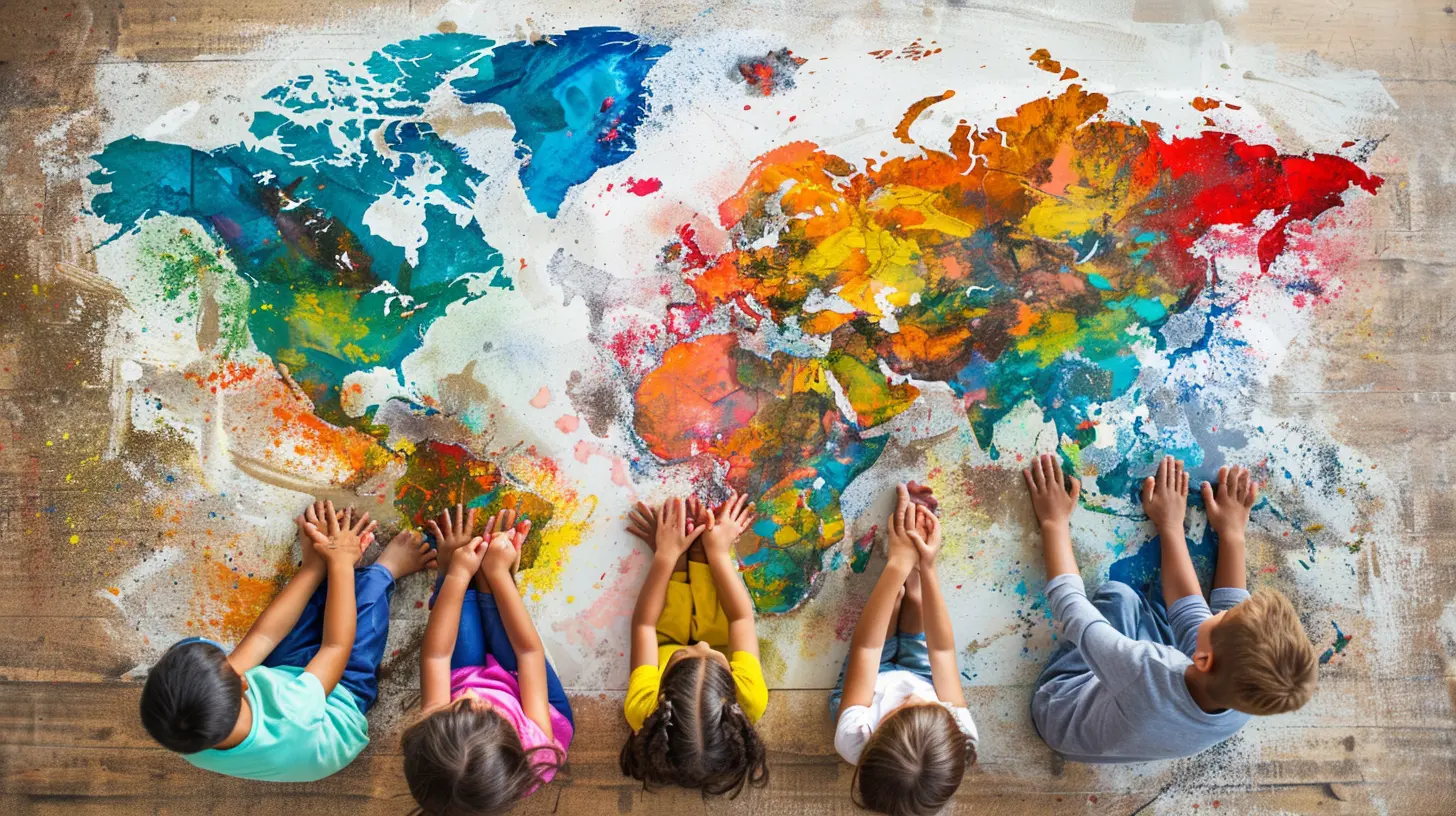
Cultural Exchange in the Classroom (Even if It’s Virtual)
By working together across countries, students naturally absorb cultural nuances, languages, and worldviews. It’s not something they have to study in a textbook—it’s happening as they collaborate.Let’s say you’re in a group project discussing environmental policy. A student in Sweden might bring up how their country handles waste management, while someone from India shares challenges their cities face. That comparison of lived experiences? That’s cultural exchange at its best.
This kind of learning teaches empathy. It builds understanding. It encourages curiosity. And it proves that while our backgrounds might be different, our goals as learners are often the same.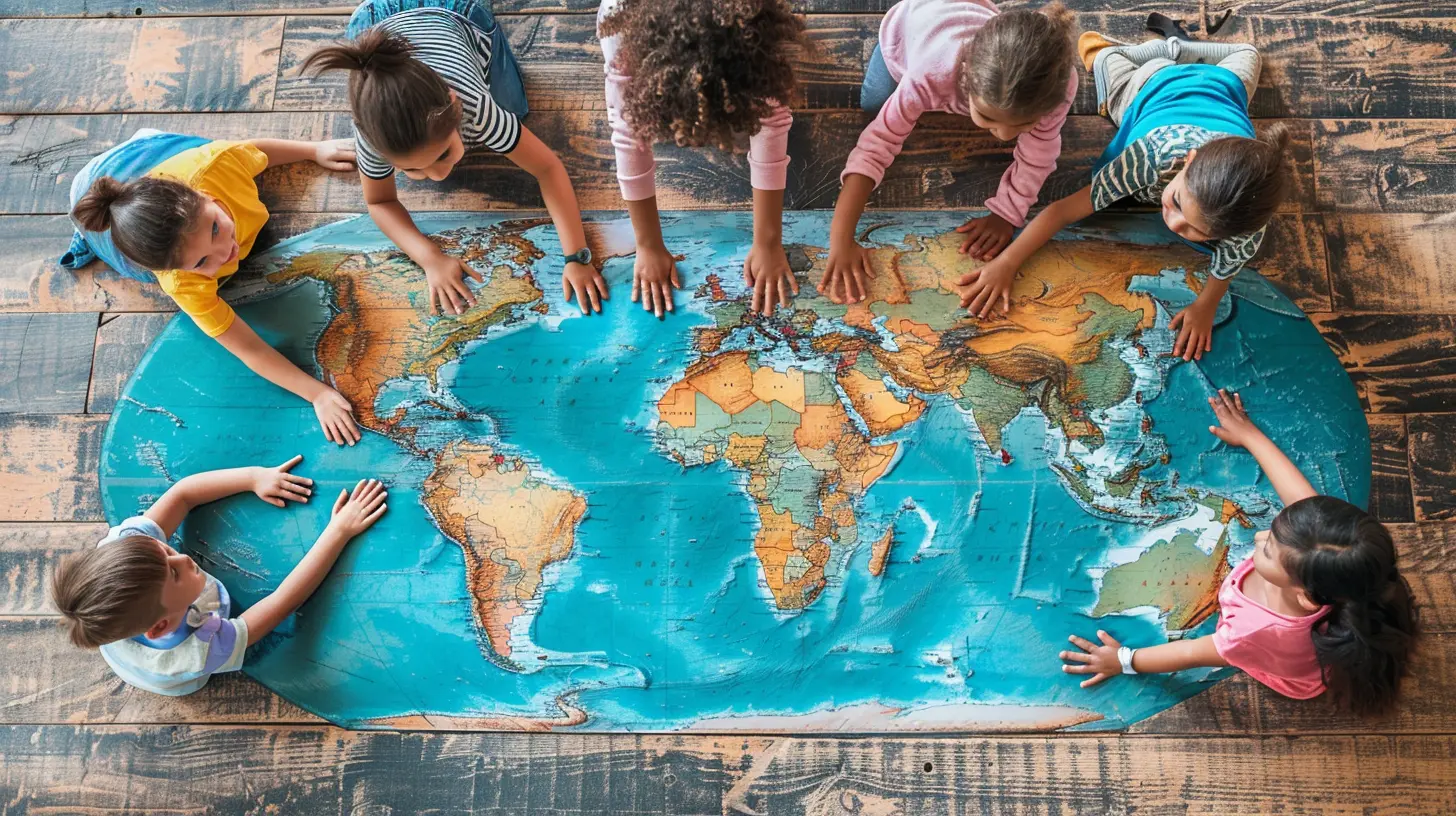
Overcoming Language Barriers
Of course, language can be a hurdle at times. But believe it or not, it’s not as big of a wall as it used to be.Translation tools have gotten really clever. Platforms like Google Translate or Microsoft Translator can help students navigate multilingual conversations in real-time. Some learning platforms even have built-in translation features.
Plus, when students are motivated, they’ll find ways to communicate. They’ll use visuals, emojis, presentations with fewer words and more graphics, or even just rely on basic language skills. The desire to connect often outweighs the difficulty of doing so.
And here’s the kicker: by engaging in these interactions, students end up improving their language skills naturally. It’s like accidental language learning — without the boring flashcards.
Shared Goals, Diverse Minds
The beauty of collaborative learning lies in the diversity of thought it brings. Different learners bring different viewpoints, shaped by their unique cultures, experiences, and education systems.You know that saying, “two heads are better than one?” Try ten heads from ten different countries.
Whether it’s solving world problems, building a business model, or creating an art piece, these collaborations foster creativity and critical thinking. Students stop seeing the world in binary. They start realizing problems are layered, and solutions are rarely one-size-fits-all.
This global brainpower is especially powerful in fields like sustainability, global health, and tech innovation—areas where international cooperation is the only real path forward.
Teachers as Global Connectors
Let’s not forget the facilitators of these experiences: teachers.In this new era, educators aren’t just lecturers anymore. They’re moderators, community builders, and digital connectors. Many teachers are now creating opportunities for their students to work with other classrooms abroad through virtual exchanges, digital pen-pal projects, or cross-cultural research tasks.
It’s a shift, for sure. But one that’s allowing teachers to broaden their reach and impact on a global scale. And let’s be honest, that’s kind of awesome.
Some even collaborate directly with international educators to co-teach subjects, share lesson plans, or even conduct full-blown international classroom sessions. It's like turning every classroom into a global village.
Real-World Collaboration Skills
Here’s the thing—we’re not just talking about school projects here. Collaborative learning teaches skills that matter way beyond the classroom.Think about the workplace. Can you name a job today that doesn’t involve working with a team? Most companies are already globally distributed, and employees have to navigate complex team dynamics, cross-cultural communication, and remote collaboration tools. Sound familiar?
So when students engage in global collaborative learning, they’re not just learning history or math—they’re practicing the everyday skills they’ll need in their careers. They’re learning how to lead, how to listen, how to compromise, and how to manage projects across time zones.
It’s basically future-proofing. And who doesn’t want that?
Case Studies: Global Collabs That Worked
Let’s look at some real-world examples where collaborative learning bridged big gaps:1. ePals Global Community
This platform connected classrooms from around the world—over 180 countries—to work on collaborative projects, from water sanitation to climate change. Thousands of students gained global exposure and insight into real-world issues.
2. The Flat Classroom Project
Started by educators Vicki Davis and Julie Lindsay, this initiative linked students across 20+ countries to work on joint tech and leadership projects. It was like a mini United Nations of learning.
3. Design for Change
An international movement allowing students to come up with solutions to social challenges in their communities and share ideas globally. It’s collaboration with a cause – and it’s making waves in education reform.
These aren’t just one-off ideas. They’re proof that when students connect globally, big things happen.
Challenges We Still Face
Alright, let’s not pretend everything is picture-perfect. Like any movement, collaborative learning across borders isn’t without its hiccups.? Tech access is still uneven. Not every student has reliable internet, a laptop, or even a quiet place to study. Until digital equity becomes a reality, this will always leave some students behind.
? Time zones can be tricky. Coordinating live collaborations between students in LA and New Delhi? Yeah, it’s possible—but not always easy.
? Cultural misunderstandings do pop up. What’s funny or normal in one culture might be offensive or confusing in another. Teaching cultural sensitivity has to be part of the curriculum.
? Teacher training needs a boost. Not every teacher feels equipped to run a global collaborative project, especially if they’re new to tech tools or virtual teaching methods.
But here’s the silver lining: every one of these challenges can be addressed. As awareness grows, so do solutions.
The Road Ahead
So where is all this heading? Will classrooms look like digital think tanks in the future?Maybe. Maybe not.
What’s clear is that collaborative learning has cracked open the doors to a much more inclusive, global, and empathetic education system. It’s not just about getting better grades—it’s about building a better understanding of the world and our place in it.
Imagine a generation of students who’ve already worked with peers from five different countries before graduating high school. Who’ve learned not just from books, but from real human interaction across cultures. Who see themselves not just as citizens of a country, but global citizens.
That’s the power of collaborative learning.
Final Thoughts
Collaborative learning isn’t really a trend—it’s a transformation. It’s about connection. It’s about perspective. And it’s about breaking the old barriers that once made international education feel out of reach for most.So, whether you’re a student, teacher, or just someone who cares deeply about the future of education, this is your sign: the world’s classroom is now open, and there’s a seat at the table for everyone.
And guess what? You don’t even have to pack a suitcase.
all images in this post were generated using AI tools
Category:
Global EducationAuthor:

Eva Barker
Discussion
rate this article
1 comments
Honor Cruz
In the dance of minds across vast seas, ideas flow freely, bridging cultures and sparking innovation. Collaborative learning weaves connections, turning differences into strengths, igniting a vibrant tapestry of understanding and growth.
May 27, 2026 at 11:12 AM
Eva Barker
Your comment beautifully captures the essence of collaborative learning. It truly transforms differences into strengths and fosters a rich exchange of ideas across cultures. Thank you for sharing your insights.