Global Education for Peacebuilding and Conflict Resolution
14 August 2026
Conflict has been a part of human history since the beginning of time. Whether it's disagreements between individuals, communities, or even nations, conflicts can escalate into serious issues if not handled properly. But is there a way to reduce conflicts before they turn destructive? Absolutely! Education plays a critical role in peacebuilding and conflict resolution. When individuals are taught the values of understanding, empathy, and cooperation, we lay the foundation for a more peaceful world.
In this article, we’ll dive deep into global education for peacebuilding, why it matters, and how it can transform societies for the better. 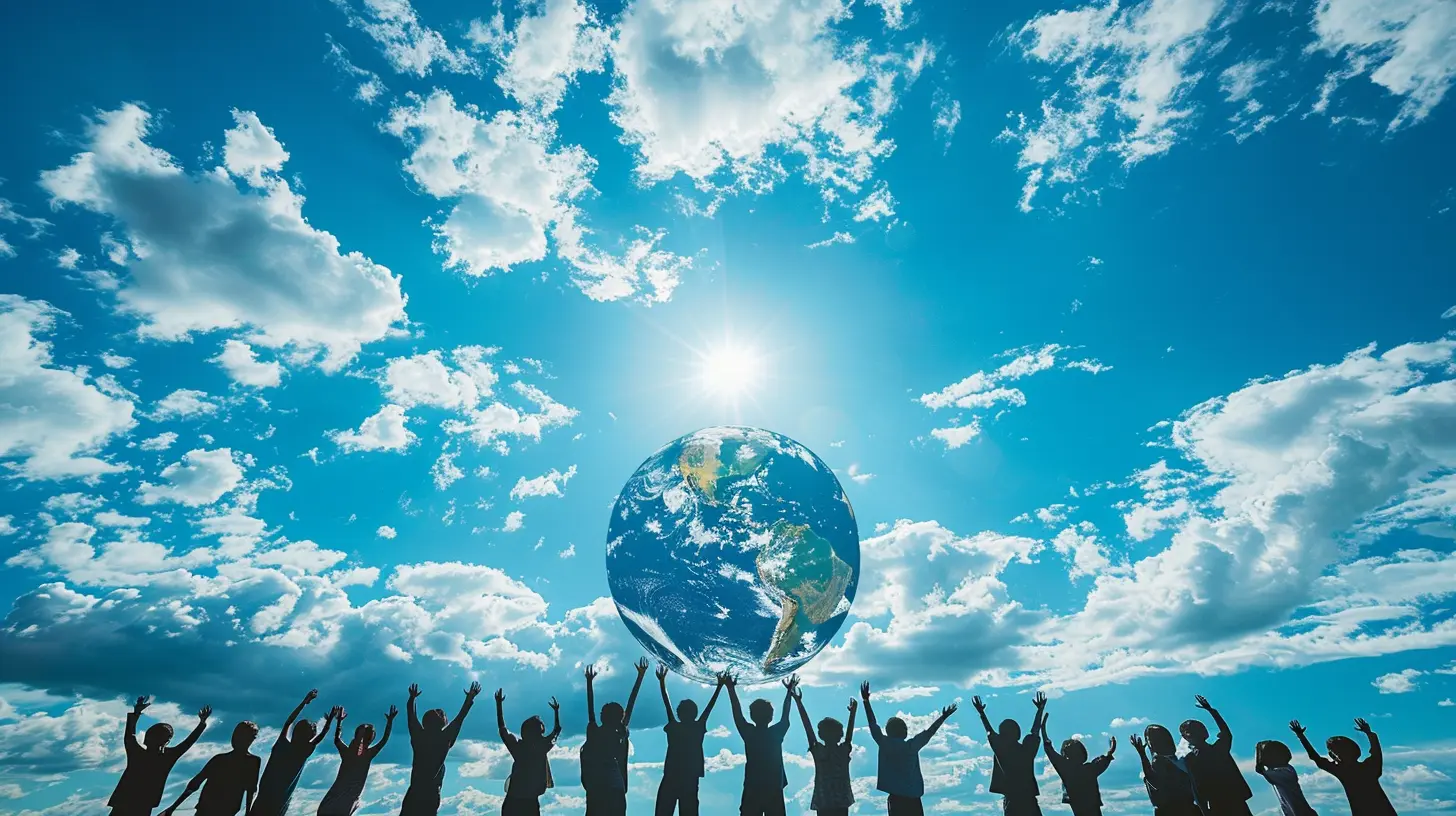
Understanding Peacebuilding and Conflict Resolution
Before we get into the role of education, let's break down two essential terms:Peacebuilding
At its core, peacebuilding is about fostering long-term peace by addressing the root causes of conflict. It’s not just about stopping violence but also about creating conditions where conflicts are less likely to arise in the first place. This includes promoting human rights, ensuring economic equality, and encouraging cultural understanding.Conflict Resolution
Conflict resolution, on the other hand, is the process of managing conflicts in a peaceful and constructive manner. This can range from diplomatic negotiations between countries to simple everyday disagreements between individuals. When people learn how to solve conflicts without resorting to violence, the chances of lasting peace increase significantly.
The Role of Education in Peacebuilding
So, where does education fit into all of this? Education is one of the most powerful tools for promoting peace and reducing conflicts. It's more than just academic learning—it's about shaping individuals into responsible, compassionate, and critical-thinking members of society. Here’s how global education contributes to peacebuilding and conflict resolution:1. Teaching Critical Thinking and Problem-Solving
Conflicts often arise due to misunderstandings and the inability to see other perspectives. Education encourages students to think critically, analyze different viewpoints, and come up with solutions that benefit everyone. When individuals are equipped with problem-solving skills, they can handle conflicts constructively rather than aggressively.2. Promoting Cultural Awareness and Tolerance
One of the biggest drivers of conflict is ignorance about different cultures, religions, and perspectives. Global education exposes students to diverse cultures and traditions, teaching them to appreciate differences rather than fear them. The more people understand each other, the less likely they are to engage in conflicts based on prejudice or stereotypes.3. Encouraging Empathy and Compassion
Empathy—the ability to understand and share the feelings of others—is a crucial skill for peacebuilding. Education, especially programs that promote social-emotional learning, helps students develop empathy from a young age. When people are able to walk in someone else’s shoes, they're more likely to resolve conflicts through dialogue rather than aggression.4. Providing Conflict Resolution Skills
Educational programs that focus on peace education often teach students specific conflict resolution techniques such as negotiation, active listening, and mediation. When individuals understand how to effectively resolve conflicts, they can apply these skills in their personal lives, workplaces, and even in large-scale political settings.5. Addressing Social and Economic Inequality
A lack of access to education is one of the root causes of conflict, especially in underprivileged communities. When people are denied education, they often turn to negative alternatives, including violence and crime. By making quality education accessible to everyone, regardless of background, we reduce the chances of social unrest and provide individuals with opportunities to improve their lives.6. Developing Global Citizenship
Global education fosters a sense of global citizenship—where individuals see themselves as part of a larger, interconnected world. When people recognize that their actions impact others beyond their immediate surroundings, they are more likely to work towards collective peace and harmony.
Real-World Examples of Education for Peacebuilding
The impact of education on peacebuilding is not just theoretical—it’s happening all around the world. Let’s take a look at some real-world examples:1. UNESCO’s Global Citizenship Education (GCED)
UNESCO has been at the forefront of promoting education for peace through its Global Citizenship Education initiative. GCED encourages students to engage in their communities, respect human rights, and participate in conflict resolution efforts.2. Peace Education in Rwanda
After the devastating genocide in 1994, Rwanda has made significant strides in peace education. Schools across the country teach students about reconciliation, forgiveness, and the importance of national unity. This has played a crucial role in healing a divided nation.3. The United Nations’ Sustainable Development Goal (SDG) 4
The UN’s SDG 4 focuses on ensuring inclusive, equitable, and quality education for all. A significant part of this goal includes promoting a culture of peace and non-violence, which is essential for long-term global stability.4. The "Educating for Peace" Program in Colombia
In Colombia, a country that has experienced decades of armed conflict, educational programs have been implemented to teach students about peace, conflict resolution, and coexistence. These initiatives have helped reduce violence in schools and foster a more peaceful society.
Challenges in Implementing Global Peace Education
While the benefits of peace education are clear, implementing it on a global scale comes with its own set of challenges.1. Lack of Resources and Funding
Many developing countries struggle with limited resources for education in general, let alone specialized peace education programs. Without proper funding and support, it can be difficult to introduce and sustain these initiatives.2. Resistance to Change
In some regions, especially those with ongoing conflicts, there may be resistance to peace education due to political, cultural, or historical factors. Changing mindsets takes time, and deeply rooted tensions can make the process more challenging.3. Quality of Education
For peace education to be effective, teachers must be well-trained in conflict resolution, cultural awareness, and emotional intelligence. Unfortunately, in many areas, educators do not receive the necessary training to teach these critical skills.4. Political and Social Instability
War-torn and politically unstable regions often lack the infrastructure to provide consistent education. In such areas, it is particularly difficult to implement peace-focused learning when basic educational needs are not even met.How We Can Promote Global Education for Peacebuilding
Despite these challenges, there are many ways to promote and strengthen global education for peacebuilding.1. Supporting Educational Policies for Peace
Governments and policymakers should integrate peace education into national curriculums. This ensures that future generations are equipped with the skills necessary to promote peace from an early age.2. Encouraging Community Involvement
Building a peaceful society is not just the responsibility of schools—it requires the involvement of families, communities, and organizations. When communities actively participate in peace education, the impact is much greater.3. Expanding Access to Education for All
Ensuring that every child, regardless of socioeconomic background, has access to quality education is one of the most effective ways to prevent future conflicts. Initiatives that provide scholarships, online learning opportunities, and free education resources can make a significant difference.4. Leveraging Technology for Peace Education
Technology offers innovative ways to teach peace education. Online courses, virtual exchange programs, and digital storytelling can help students worldwide develop a deeper understanding of peace and conflict resolution.Final Thoughts
Education is a game-changer when it comes to building a peaceful world. By teaching empathy, critical thinking, and conflict resolution skills, we equip individuals with the tools they need to prevent and resolve conflicts without violence. While challenges remain, the benefits of global education for peacebuilding far outweigh the obstacles.If we truly want a more harmonious world, we need to start in the classroom. After all, peace isn’t just the absence of war—it’s the presence of understanding, cooperation, and respect.
all images in this post were generated using AI tools
Category:
Global EducationAuthor:

Eva Barker
Discussion
rate this article
1 comments
Zinna Morrow
Education truly shapes a brighter, more peaceful future.
August 14, 2026 at 3:23 AM