Global Citizenship Education: Why It Matters Now More Than Ever
10 July 2026
In today's world, borders are becoming increasingly blurred. The internet connects us in ways that were once unimaginable, and global challenges—like climate change, inequality, and political unrest—demand collective action. That’s where Global Citizenship Education (GCE) comes in.
But what is it exactly? And why does it matter now more than ever? Let’s break it down in a way that makes sense.
What Is Global Citizenship Education?
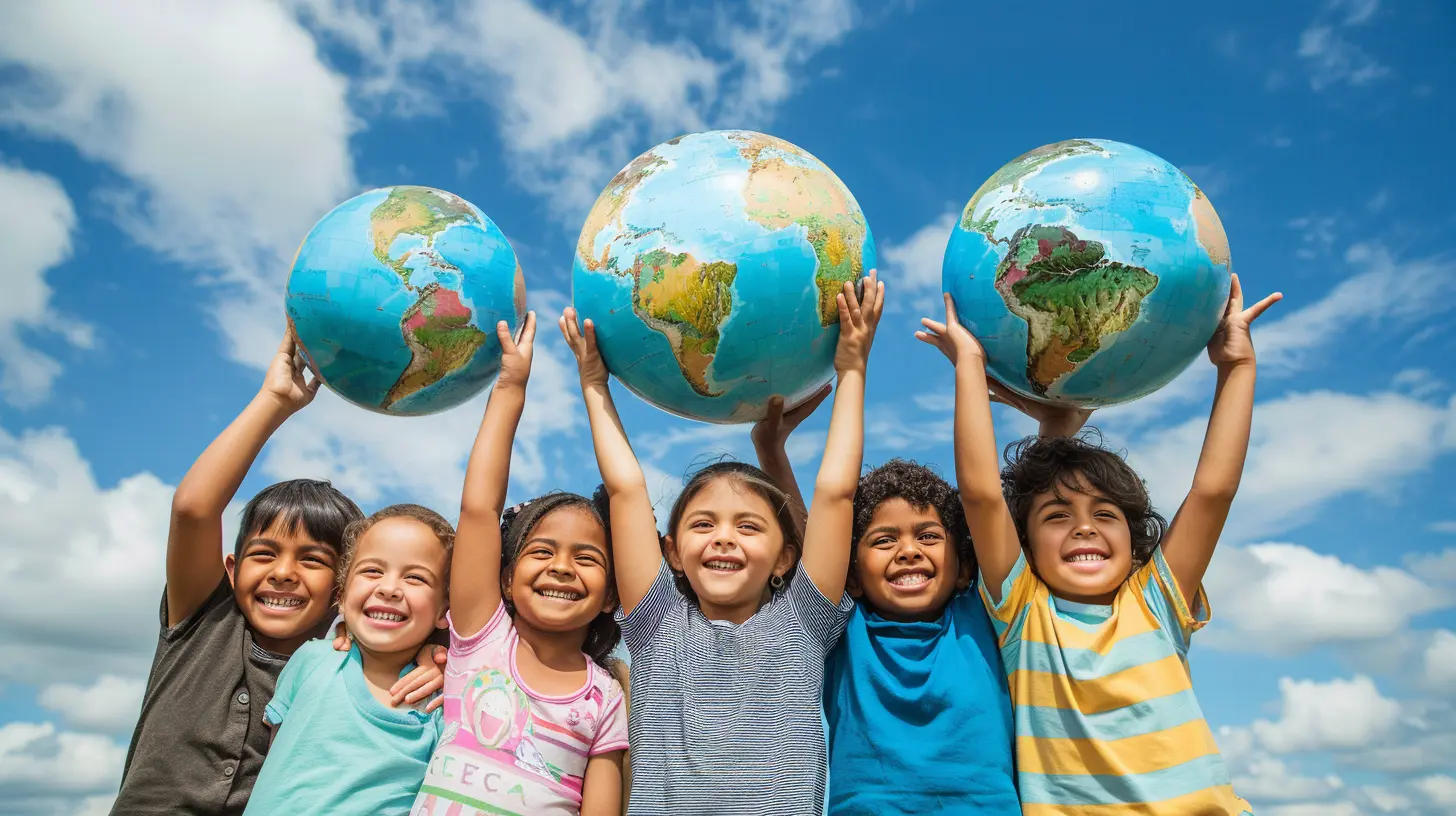
At its core, Global Citizenship Education is about preparing individuals to engage with the world beyond their own immediate communities. It encourages people to think critically about global issues, understand different perspectives, and take meaningful action.Rather than just memorizing facts, GCE pushes for deeper learning—helping students develop skills like empathy, cultural awareness, and critical thinking. It’s about nurturing "world citizens" who are aware of the challenges facing humanity and are motivated to create positive change. 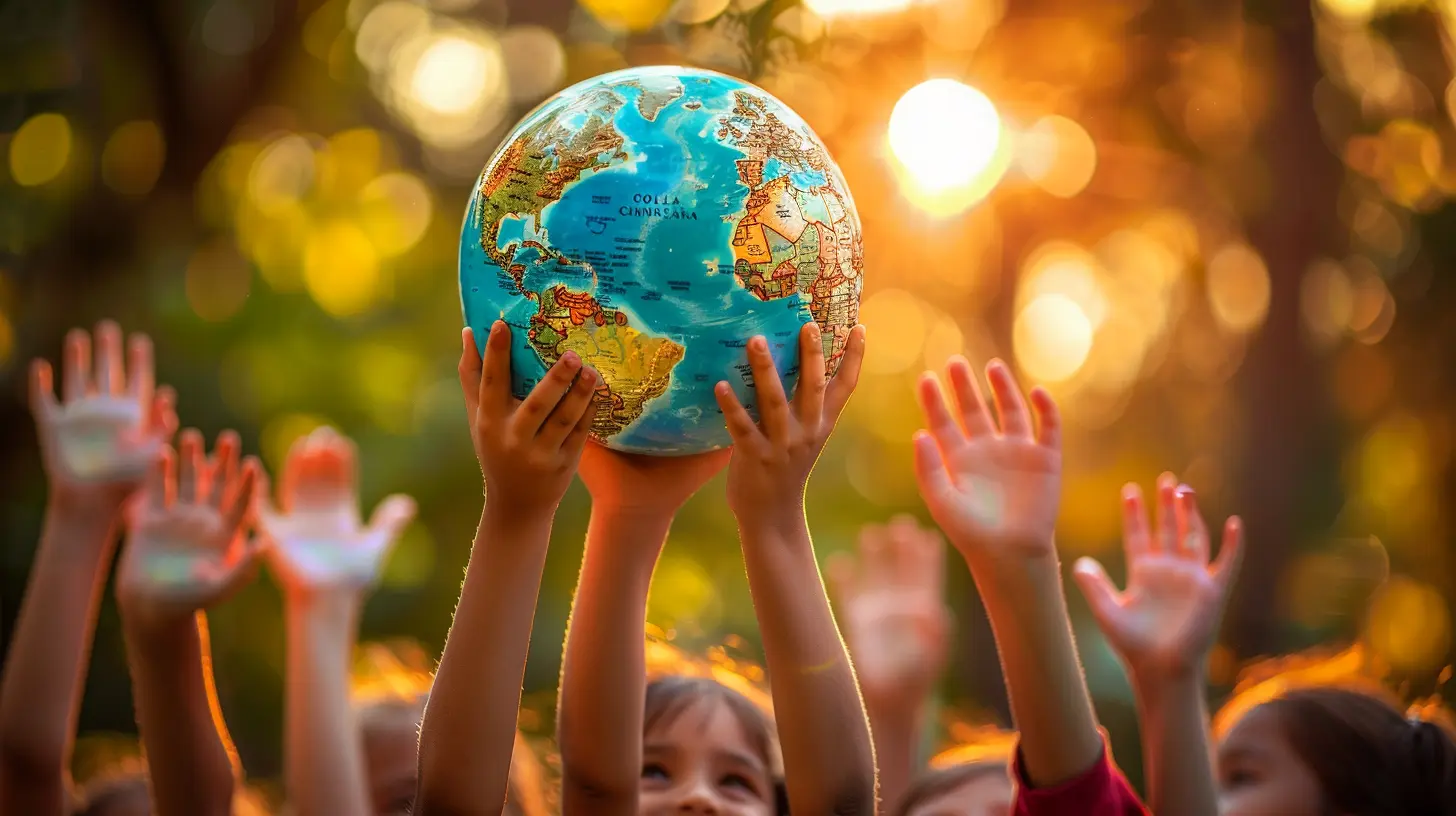
Why Global Citizenship Education Matters Now More Than Ever
The world is changing fast. And let's be honest—many of the changes are overwhelming. But instead of feeling powerless, GCE empowers individuals to take action. Here’s why it’s more important today than ever before:1. The Rise of Global Challenges
Climate change, pandemics, human rights violations, and economic inequality—these aren't problems that one country can solve alone. They require global cooperation and a shared sense of responsibility. GCE teaches students to view these challenges through a lens of interconnectedness rather than isolation.Think of it like a spider web. If you pull one end, the entire web moves. What happens in one country affects the rest of the world. Understanding this connection is the first step toward effective problem-solving.
2. Promoting Peace in an Increasingly Divided World
Let’s be real—our world is more divided than ever. Political tensions, cultural conflicts, and even misinformation widen the gaps between people. This is where GCE plays a huge role.By teaching students to embrace diversity, listen to different perspectives, and challenge their own biases, GCE fosters an environment of peace and mutual respect. When people understand different cultures and viewpoints, they’re less likely to fear them—and fear is a major driver of conflict.
3. Encouraging Critical Thinking Over Blind Acceptance
We live in the age of information overload. Social media is flooded with news, opinions, and—let’s face it—misinformation. With so many sources competing for attention, how do we know what’s true?Global Citizenship Education teaches critical thinking—a skill that is absolutely essential in today’s digital landscape. It helps individuals ask important questions like:
- Who benefits from this information?
- Is this source credible?
- What are other perspectives on this issue?
Instead of blindly accepting what they see online, GCE helps students analyze, question, and understand.
4. Preparing Students for a Global Economy
The job market is evolving. Companies are expanding internationally, remote work is on the rise, and employers value cultural intelligence more than ever.GCE doesn’t just make students better global citizens—it makes them more employable. Skills like adaptability, collaboration, and cross-cultural communication give individuals an edge in the workforce.
Think about it: In today's world, even small businesses interact with international clients and suppliers. Having a workforce that understands different cultures and perspectives is no longer a bonus—it’s a necessity.
5. Empowering Young People to Drive Change
You don’t have to wait until you're older to make an impact. Young people have always been at the forefront of movements for climate action, racial justice, and social equality.Global Citizenship Education equips young people with the tools and confidence to speak up and take action. It encourages them to:
- Advocate for policies they believe in
- Lead community initiatives
- Push for sustainable business practices
Simply put—GCE turns learners into leaders. 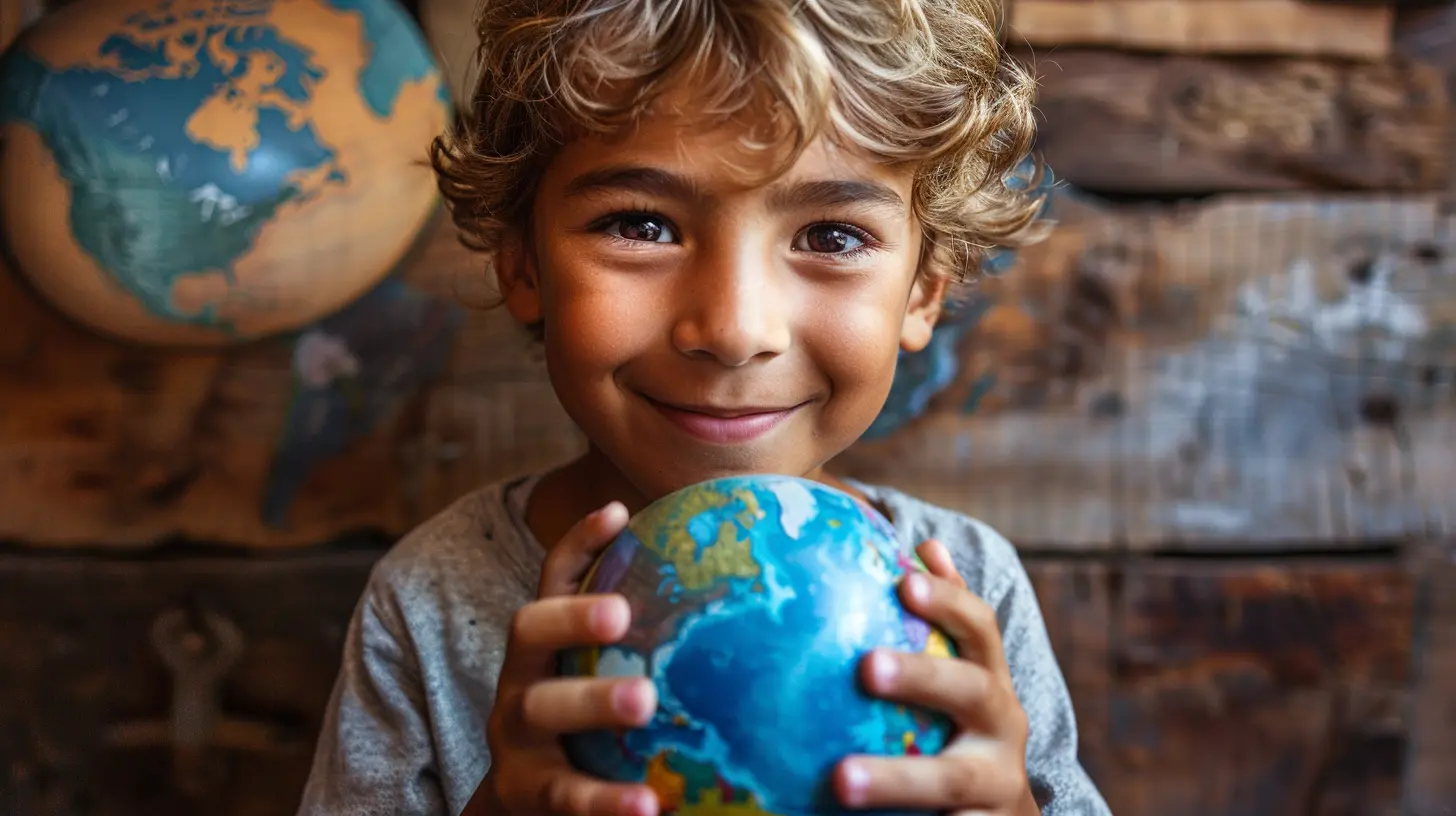
How Can We Integrate Global Citizenship Education?
It sounds great, but how do we actually put it into practice? The good news—it doesn’t require a complete overhaul of the education system. Small, meaningful changes can make a huge difference.1. Incorporate Global Issues into Curriculum
Subjects like history, geography, and science already offer natural opportunities to discuss global issues. Schools can integrate discussions on climate change, international relations, and human rights to make students more aware of real-world challenges.2. Encourage Cultural Exchange Programs
Experiencing different cultures firsthand is one of the best ways to expand perspectives. Exchange programs, multicultural events, and virtual collaborations with schools in other countries can foster deeper understanding.3. Promote Media Literacy
Since most students get their information online, teaching media literacy is crucial. Helping them analyze sources and recognize bias prevents the spread of misinformation and builds critical thinking skills.4. Support Service Learning Projects
Encouraging real-life community involvement—whether it’s volunteering, fundraising, or sustainability projects—allows students to see the direct impact they can have.5. Teach Conflict Resolution and Open Dialogue
In a world where differences often lead to division, learning how to have productive conversations is key. Schools should teach students how to debate respectfully, challenge opinions constructively, and listen with an open mind.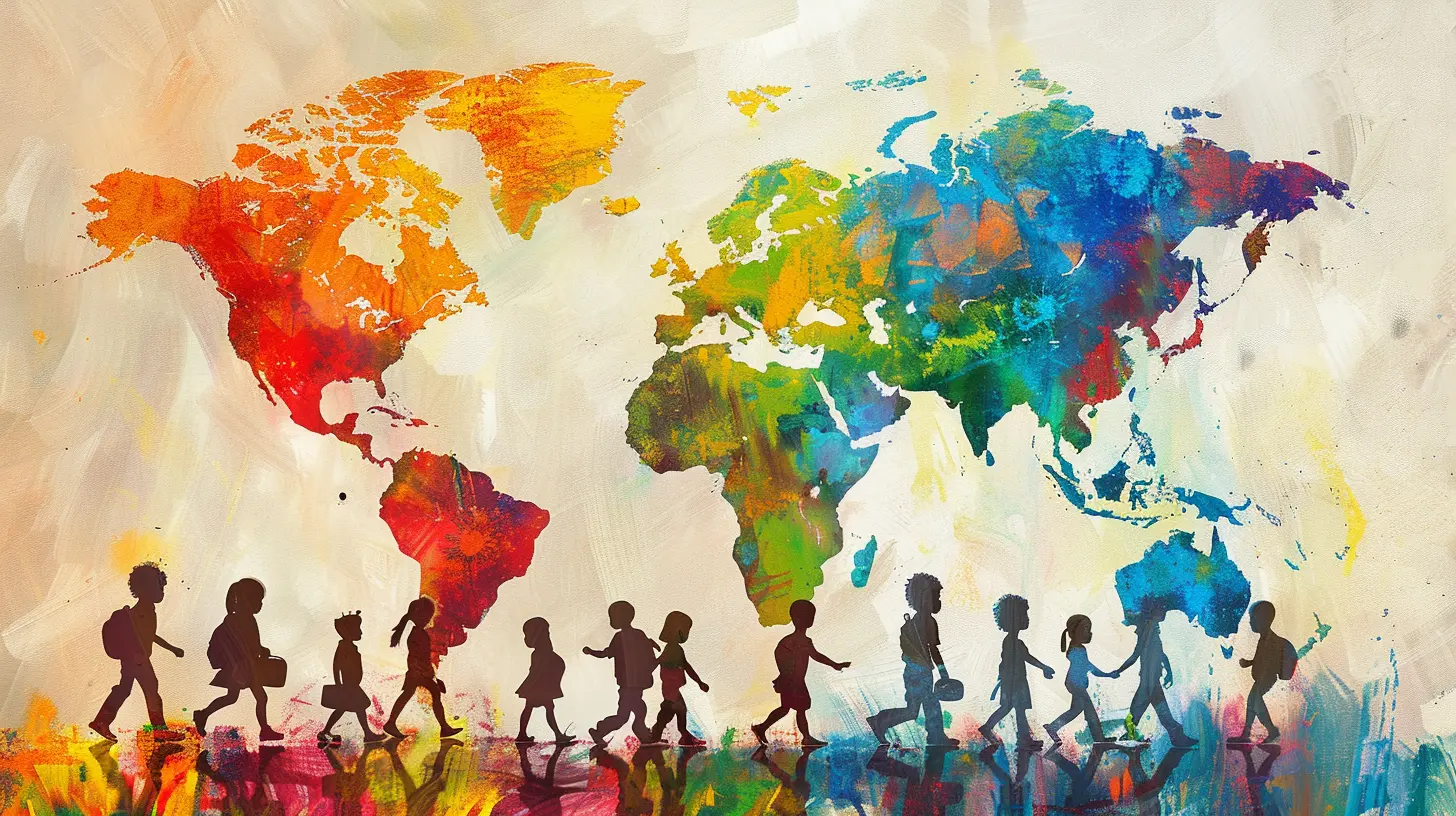
What Happens If We Ignore Global Citizenship Education?
Let’s consider the flipside—what happens if we don’t make GCE a priority?- Misinformation continues to spread, leading to increased division.
- Cultural misunderstandings create more tension and conflict.
- Young people feel powerless in the face of global challenges.
- The next generation lacks the necessary skills to thrive in a global economy.
We don’t have to let that happen. Education is the most powerful tool we have to shape the world, and GCE ensures that people are not just knowledgeable—but also thoughtful, empathetic, and proactive.
Final Thoughts
Global Citizenship Education isn’t just another trend in academia—it’s a necessity. The world is interconnected, and the ability to think globally affects everything from economics to climate policy. If we want a future that is more just, peaceful, and sustainable, we need to start with education.Whether you're a student, a teacher, or just someone who cares about the future, remember this: You have a role to play in shaping a better world—and it starts with awareness, learning, and action.
Are You Ready To Think Like A Global Citizen?
The world is waiting for more people who understand, care about, and take action on global issues. Will you be one of them?all images in this post were generated using AI tools
Category:
Global EducationAuthor:

Eva Barker