Fostering Global Leadership Skills through Education
11 June 2026
Leadership isn't just about taking charge; it's about inspiring others, making tough decisions, and creating a vision that benefits everyone. Now, what if we took this concept to a global level? Imagine a world where young minds are equipped with the skills needed to lead with confidence, navigate cultural complexities, and solve global issues.
That's exactly what education can do—it strengthens and refines a person's ability to lead beyond borders. But how do we foster these global leadership skills through education? This article dives deep into why global leadership matters, how education plays a pivotal role, and what strategies can be implemented to prepare the next generation of leaders.
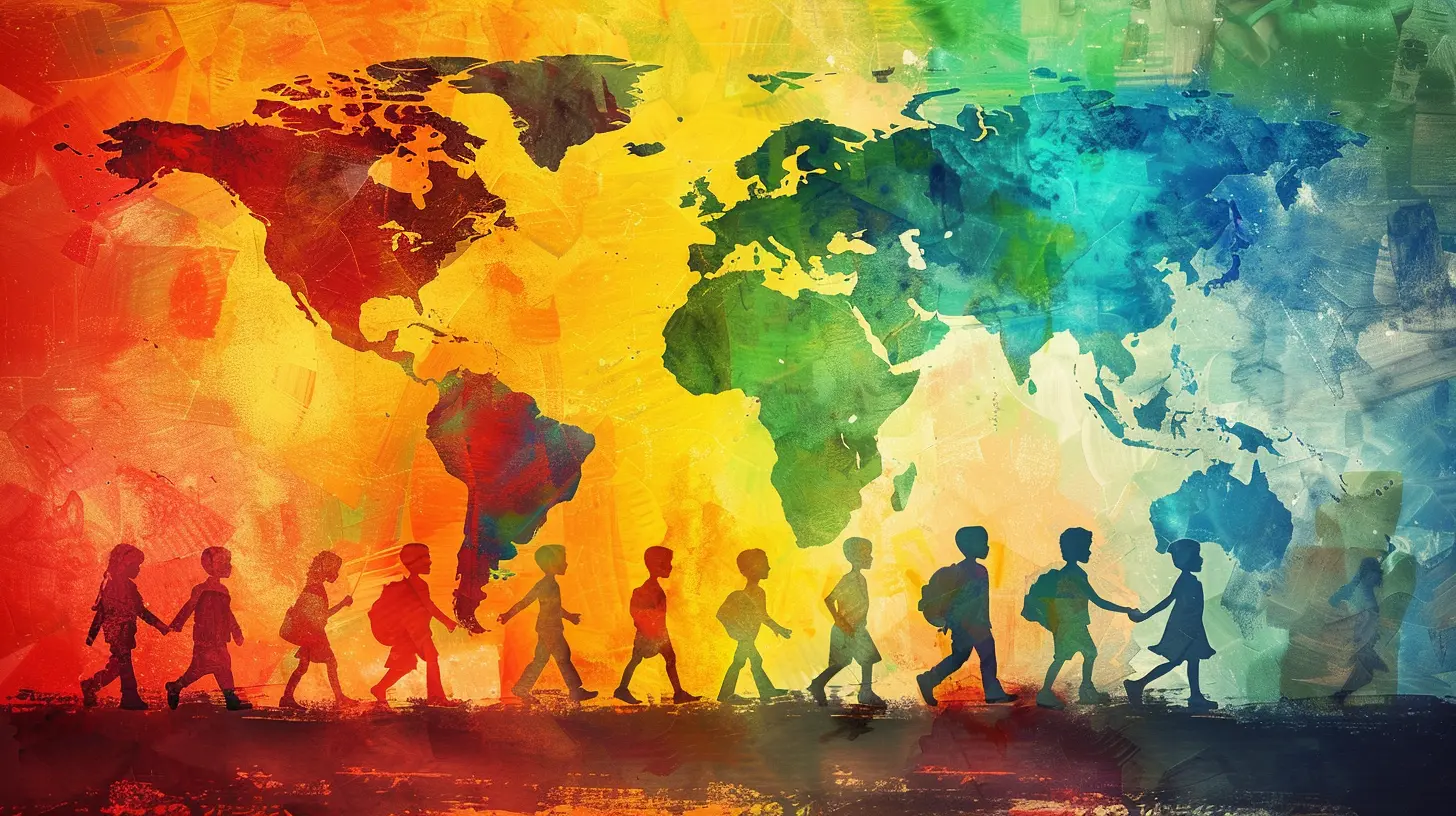
Why Global Leadership Matters
The world is more interconnected than ever before. Thanks to advancements in technology and communication, different cultures, economies, and societies rely on one another. This means that leadership isn't confined within one country or industry anymore—leaders must think globally.Take climate change, for instance. It's not just a local problem; it's a global crisis that requires cooperation across nations. The same goes for economic development, healthcare advancements, cybersecurity, and even social justice. To tackle these complex issues, we need leaders who understand diverse perspectives and can work collaboratively across borders.
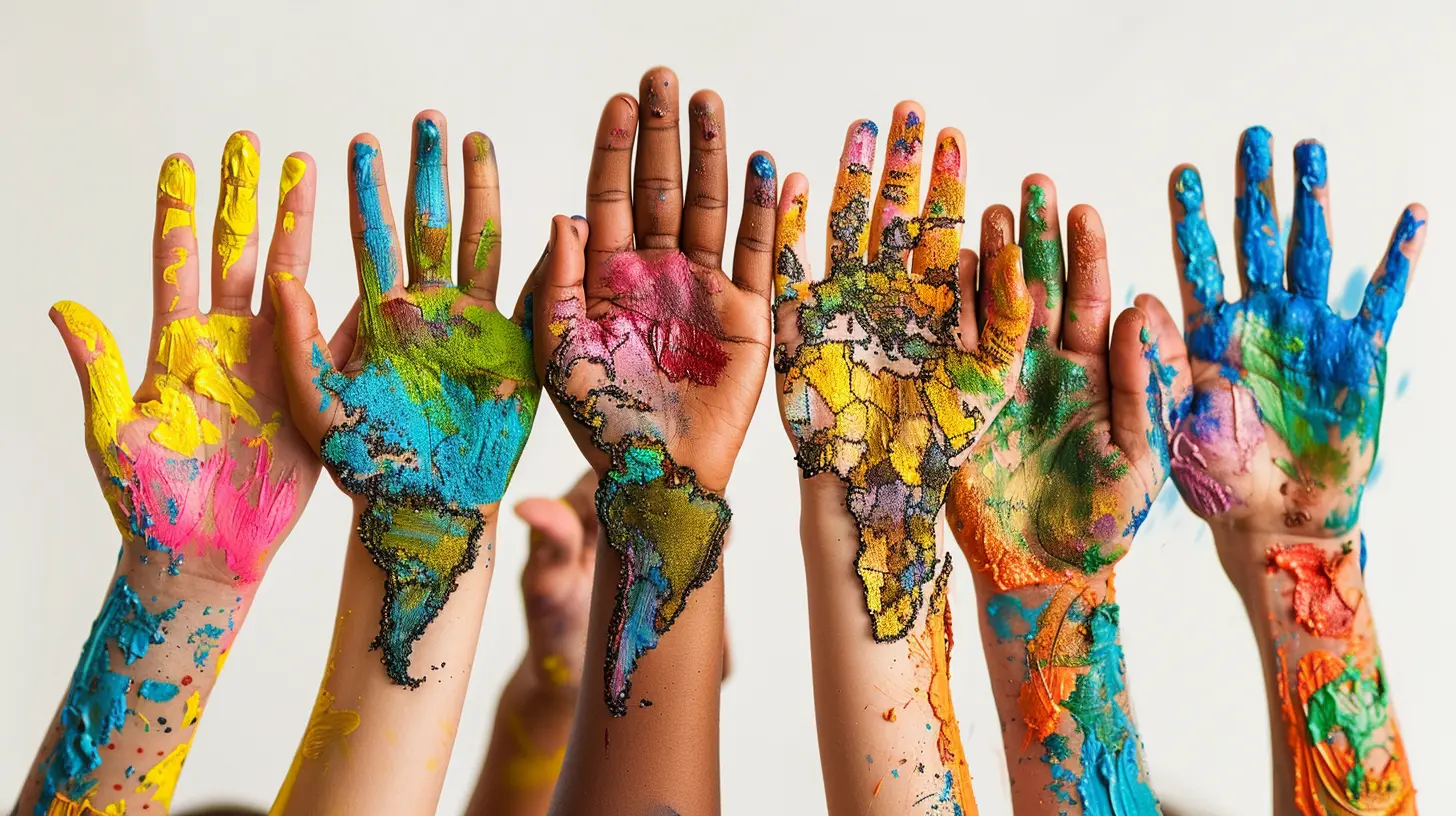
The Role of Education in Shaping Global Leaders
Education is the foundation of leadership. It’s not just about learning facts or passing exams—it’s about developing critical thinking, communication skills, and a sense of responsibility toward society. Through the right educational approaches, students can gain the tools necessary to lead effectively on a global scale.1. Encouraging Critical Thinking and Problem-Solving
Leadership is about making decisions—often in high-pressure situations. A globally-minded leader doesn't just react; they analyze, predict, and make informed choices. Schools and universities can instill these skills through case studies, debates, and project-based learning.For instance, when students engage in discussions on global issues like climate change or economic inequality, they learn to dissect problems, identify potential solutions, and collaborate with peers to find the best course of action.
2. Promoting Cultural Awareness and Sensitivity
A great leader understands that the world is made up of diverse cultures, beliefs, and traditions. Without cultural awareness, leadership can become ineffective—or worse, offensive. Education can bridge this gap by incorporating cultural studies, language courses, and exchange programs.Imagine a classroom where students interact with peers from different countries, share experiences, and learn from each other's perspectives. This exposure helps them appreciate diversity and develop a leadership style that is inclusive and adaptable.
3. Developing Communication and Collaboration Skills
Leadership isn't a solo act—it requires teamwork. The ability to communicate effectively, listen actively, and work with people from various backgrounds is critical. Schools can help by encouraging public speaking, group projects, and leadership roles within student organizations.A simple class project where students collaborate with international peers via online platforms can give them a taste of real-world global teamwork. They learn to navigate time zones, language barriers, and different work ethics—all valuable skills for a future leader.
4. Instilling Ethical Leadership and Social Responsibility
Great leaders lead with integrity. They make decisions that not only benefit their organizations but also society as a whole. Schools must emphasize ethical leadership by teaching the importance of honesty, fairness, and accountability.Service-learning programs, where students participate in community service, offer firsthand experience in ethical leadership. Whether it’s volunteering at a local shelter or organizing environmental initiatives, these experiences shape students into responsible global citizens.
5. Encouraging Innovation and Adaptability
The world is changing fast. With technological advancements and evolving global challenges, leaders must be innovative and adaptable. Education systems must nurture creativity and curiosity by promoting experiential learning, entrepreneurship programs, and hands-on projects.For example, encouraging students to develop start-up ideas that solve global problems not only enhances their creativity but also prepares them for the ever-changing demands of leadership.

Strategies for Schools to Foster Global Leadership
So, how can schools and universities actively cultivate global leadership skills? Here are some effective strategies:1. Integrating Global Issues into the Curriculum
Subjects like history, geography, economics, and even science should incorporate lessons on global challenges and solutions. This helps students see the bigger picture and understand how their actions can impact the world.2. Offering International Exchange Programs
Nothing teaches global leadership better than real-world exposure. Schools can establish exchange programs where students visit different countries, experience different cultures, and understand global dynamics firsthand.3. Encouraging Multilingual Education
Language is a bridge to understanding cultures. Offering multiple language-learning opportunities in schools allows students to communicate effectively with people from different backgrounds.4. Organizing Leadership Workshops and Conferences
Schools should host leadership development programs, bringing in experts who can share insights about leading on a global stage. Students can participate in model United Nations (MUN) conferences, TEDx events, and leadership summits.5. Promoting Online Collaborative Learning
With digital technologies, students can collaborate with peers worldwide through online platforms. Virtual classrooms, global challenges, and international research projects offer immense exposure to global leadership training.6. Encouraging Community Engagement and Social Impact Initiatives
Global leadership starts at the grassroots. Encouraging students to take on community projects, environmental initiatives, and social impact programs helps them develop leadership skills that extend beyond borders.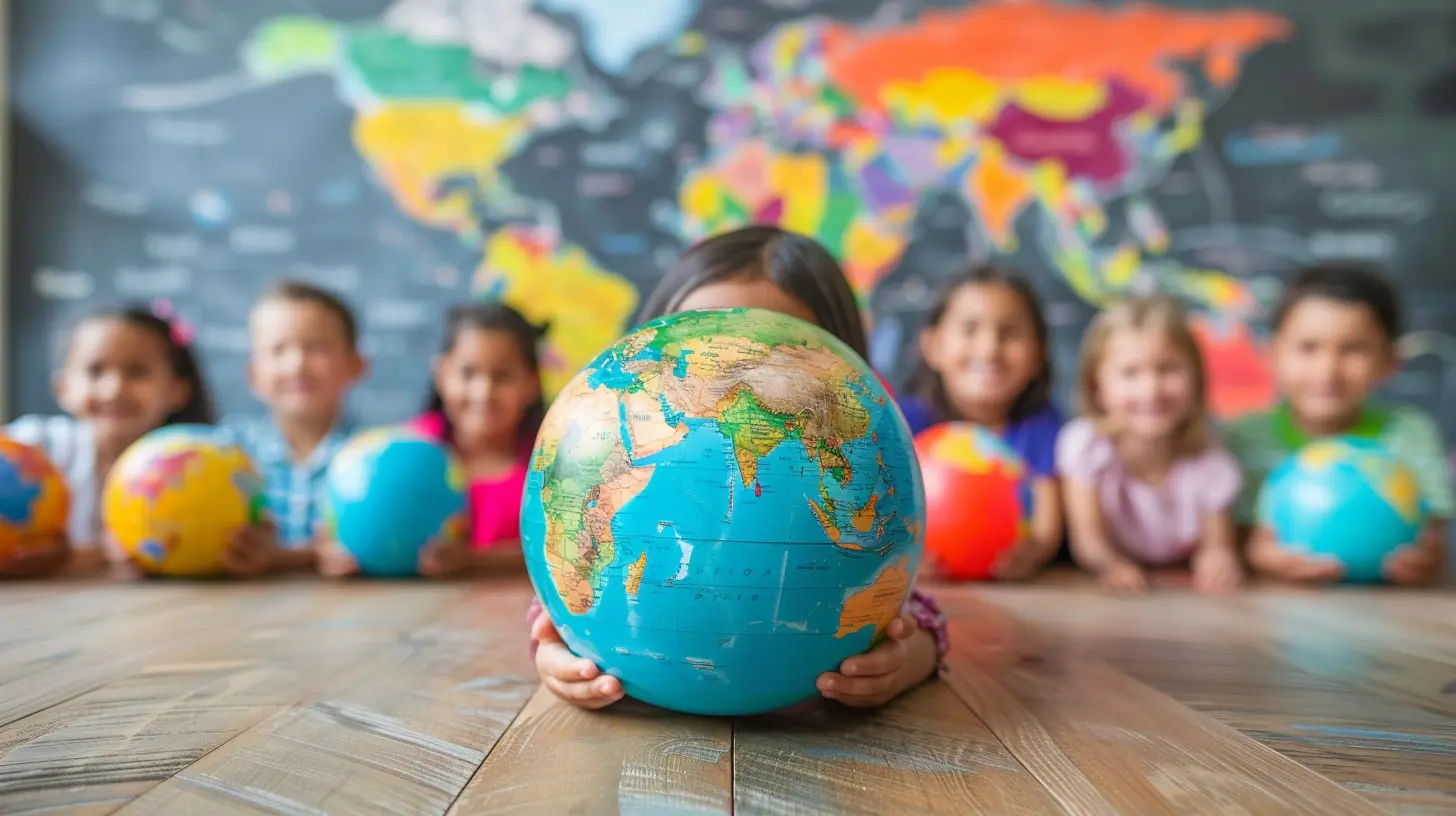
The Future of Global Leadership and Education
As the world continues to evolve, the demand for global leaders will only grow. Schools and universities must recognize their role in shaping the leaders of tomorrow. By focusing on critical thinking, cultural awareness, communication, ethics, and adaptability, education can set the stage for a new generation of leaders who are ready to take on global challenges.It all starts in the classroom—where students don’t just learn, but also lead. When education prioritizes global leadership skills, we pave the way for a more connected, collaborative, and compassionate world.
So, are we ready to shape future global leaders? The answer lies in how we educate today’s youth.
all images in this post were generated using AI tools
Category:
Global EducationAuthor:

Eva Barker
Discussion
rate this article
1 comments
Pamela Harmon
Great insights! Educating future leaders is so important. By focusing on global skills, we can empower students to make a positive impact everywhere.
June 13, 2026 at 12:34 PM