Flipped Classroom Techniques for STEM Education
6 July 2026
Have you ever wondered why some students struggle with STEM subjects while others seem to excel? The answer might not lie in their intelligence but in how the material is taught! Enter the flipped classroom—a revolutionary approach that’s turning traditional education upside down (literally!).
Instead of sitting through long lectures in class and doing homework alone, students watch lessons at home and tackle problems during school hours. Sounds interesting, right? Let’s dive into how flipped classroom techniques can transform STEM education!

? What Is a Flipped Classroom?
A flipped classroom is an instructional model where traditional teaching methods are reversed. Instead of passively listening to lectures in class and completing assignments later, students engage with video lectures, readings, or interactive materials at home. Classroom time, once reserved for lectures, is now used for active learning, discussions, and problem-solving.Think of it like meal prep: Instead of watching a chef cook and then struggling to recreate the dish alone, students get the recipe (lesson) first and then cook together with the chef's guidance (teacher support) in class.
? Why Use Flipped Classrooms for STEM?
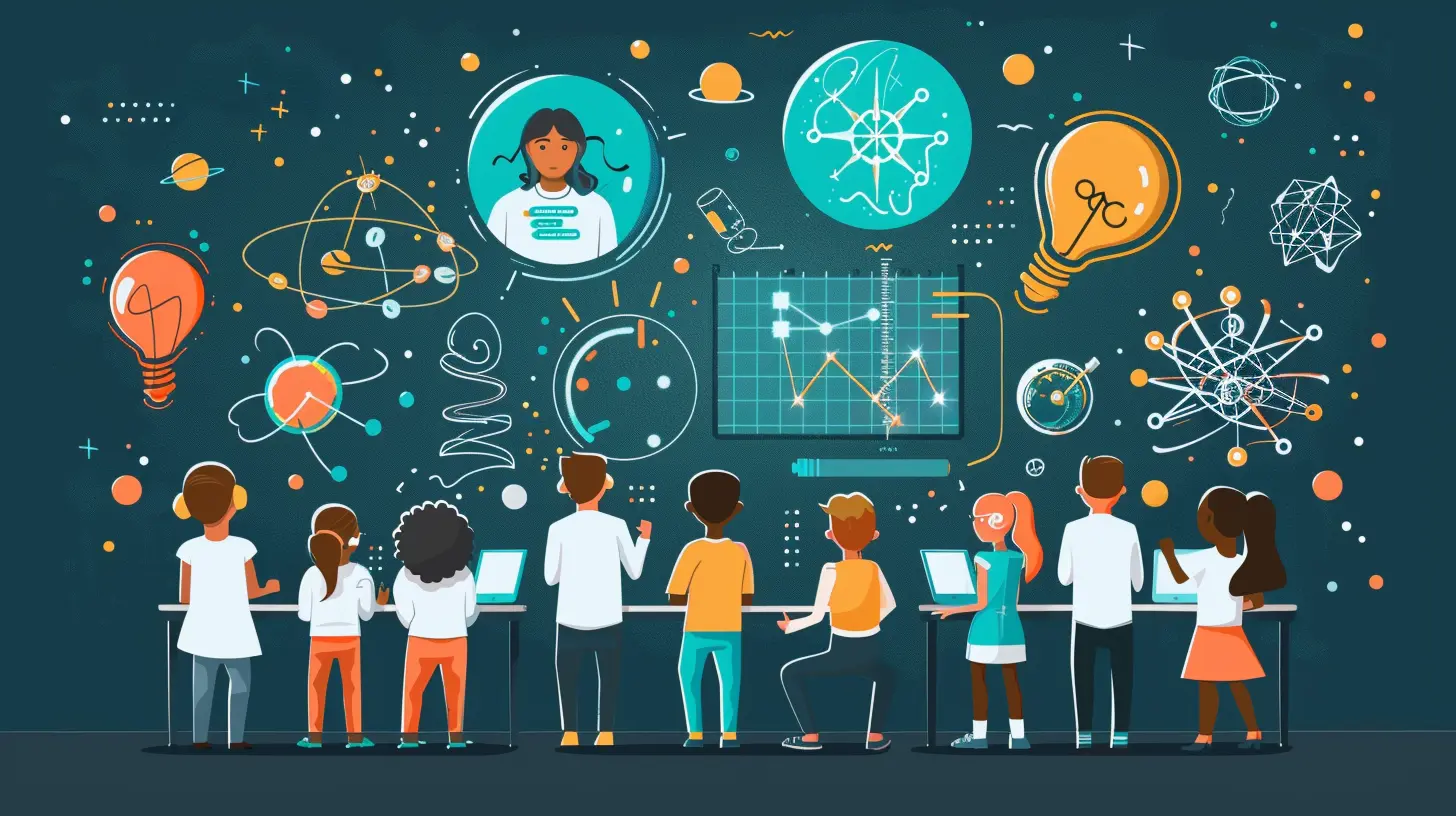
STEM (Science, Technology, Engineering, and Mathematics) subjects often require hands-on problem-solving and critical thinking. The flipped model provides several game-changing benefits for STEM learning:- More Hands-On Learning – Students get more time for experiments, coding, and real-world applications.
- Self-Paced Learning – Students watch and rewatch lectures at their own speed, which is great for complex STEM topics.
- Instant Teacher Support – Instead of wrestling with tricky equations alone at home, students solve them with real-time help.
- Encourages Collaboration – Group projects, brainstorming, and peer discussions become the norm.
Imagine trying to learn how to ride a bike by just watching a video. Sounds tough, right? The flipped model makes sure you get ample practice with an expert (the teacher) guiding you.

?️ Effective Flipped Classroom Techniques for STEM Education
Now that we know why flipped learning is a fantastic fit for STEM subjects, let's explore some tried-and-true techniques to make it successful.1. ? Create Engaging Pre-Class Content
Since students learn new material at home, the quality of those materials is crucial. Consider:- Short, engaging video lectures (5-10 minutes works best).
- Interactive simulations and animations to visualize complex concepts.
- Well-structured lecture notes, PDFs, or online quizzes for extra reinforcement.
- Using platforms like YouTube, Khan Academy, or Edpuzzle for high-quality STEM content.
The key here is to keep it concise and engaging—no one wants to sit through a 45-minute lecture video!
2. ?️ Use Active Learning Strategies in Class
Once students come to class, it’s time to apply what they’ve learned. Here’s where hands-on activities shine:- Problem-Based Learning (PBL): Present students with real-world STEM problems they must solve collaboratively.
- STEM Challenges & Experiments: Hands-on projects like building a simple circuit or coding a basic game.
- Think-Pair-Share: Students discuss concepts in pairs before sharing with the class to reinforce understanding.
- Gamification: Use educational games, quizzes, and coding challenges to make learning fun.
Remember, the goal is to engage students with hands-on problem-solving instead of passive notetaking!
3. ? Encourage Peer Collaboration
STEM fields thrive on teamwork, and a flipped classroom makes collaboration easy. Some ideas:- Group Projects: Assign STEM-based challenges where students must work together.
- Peer Teaching: Have students explain concepts to each other, strengthening their understanding.
- Discussion Boards: Online class forums where students post questions and help each other, mimicking real-world problem-solving.
Teamwork isn't just a classroom skill—it’s preparation for real-life STEM careers!
4. ? Use Formative Assessments to Track Progress
Since students learn at their own pace, teachers need a way to track progress. Use:- Quick Quizzes: Short online quizzes after videos help teachers gauge understanding.
- Exit Tickets: Have students summarize what they've learned before leaving class.
- Polls and Surveys: Tools like Mentimeter or Google Forms for real-time feedback.
- Self-Assessments: Encourage students to reflect on their understanding and request extra help when needed.
Data-driven teaching helps personalize learning, ensuring no student falls behind.
5. ? Provide Flexibility for Different Learning Styles
Not all students learn the same way. Some might love videos, while others prefer reading. Offer multiple options:- Audio Summaries: Podcasts or narrated slides for auditory learners.
- Text-Based Notes: Well-organized readings for those who prefer written material.
- Interactive Labs: Virtual labs and simulations for kinesthetic learners.
The key is to offer choice so students can engage in the way that works best for them.
6. ? Connect STEM Topics to Real-Life Applications
STEM can feel abstract without real-world connections. Bring lessons to life by:- Inviting Guest Speakers: Engineers, scientists, and programmers can share real-world insights.
- Field Trips & Virtual Tours: Museums, science labs, and tech companies can make STEM exciting.
- Current Events & Innovations: Discuss how topics relate to emerging technologies like AI, robotics, or space exploration.
If students see how STEM applies beyond the classroom, they’ll be way more invested.
7. ? Foster a Growth Mindset
STEM can be challenging, and a flipped classroom should promote resilience:- Normalize Mistakes: Reinforce that failing is part of learning (just like in science experiments!).
- Encourage Questioning: Let students ask why and how rather than memorizing facts.
- Celebrate Progress: Small wins matter—acknowledge improvements and effort.
A positive mindset can be the difference between a student pushing through a tough problem or giving up.
? Overcoming Challenges in Flipped STEM Classrooms
While flipped classrooms are fantastic, they’re not without hurdles. Here are some common challenges—and solutions:| Challenge | Solution |
|-----------|----------|
| Students skip pre-class work | Make it engaging; use quizzes for accountability. |
| Resistance to change | Start small with parts of the curriculum before fully flipping. |
| Limited access to technology | Offer offline resources or provide school devices. |
| Time-consuming for teachers | Use existing resources (YouTube, Khan Academy) instead of creating everything from scratch. |
With the right approach, these challenges can be tackled head-on!
? Final Thoughts
The flipped classroom isn’t just a trendy teaching method—it’s a game-changer for STEM education. By moving lectures outside of class and focusing on hands-on problem-solving, students get active learning, teamwork, and real-world applications—all essential for success in STEM fields.So, if you're looking to revamp the way STEM is taught and engage students like never before, it’s time to flip the script—literally!
all images in this post were generated using AI tools
Category:
Flipped ClassroomAuthor:

Eva Barker
Discussion
rate this article
1 comments
Samuel Harmon
I love the concept of flipped classrooms in STEM education. It empowers students to take charge of their learning and fosters deeper understanding. This approach encourages collaboration and critical thinking, making lessons more engaging and effective. Great insights in this article!
July 9, 2026 at 4:51 AM
Eva Barker
Thanks for your thoughts! I'm glad to hear you appreciate the flipped classroom approach and its impact on student engagement and learning.