Flipped Classroom Techniques for Enhanced Problem-Solving Skills
9 March 2026
In today's fast-paced educational landscape, traditional teaching methods often struggle to keep up with students' evolving needs. Enter the flipped classroom—a refreshing approach that flips the script on conventional learning. Instead of passively absorbing information in class and tackling homework at home, students in a flipped classroom engage with new concepts outside of class (through videos, readings, or other materials), leaving class time for deeper discussions, problem-solving, and collaborative activities.
But here's the real kicker: the flipped classroom isn't just about switching what happens when. It's about enhancing problem-solving skills, a crucial ability in both academic and real-world contexts. In this article, we'll dive into how flipping the classroom can sharpen students' problem-solving abilities and make learning more engaging, interactive, and effective.
What Is a Flipped Classroom?
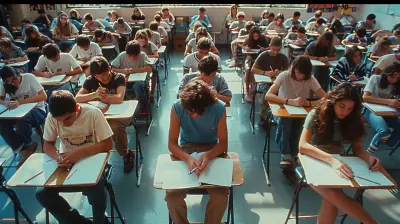
Before we jump into the techniques, let’s clear up what a flipped classroom actually entails. Traditionally, teachers stand at the front of the room, lecturing while students passively listen. Then, students are sent home with assignments where they struggle through problems on their own. In the flipped classroom model, things are, well... flipped!Students first engage with the material on their own—often through videos, podcasts, or readings—before class. This allows them to absorb the foundational concepts at their own pace. Then, when they come to class, they apply what they’ve learned through interactive activities, group work, and problem-solving exercises, all under the guidance of their teacher.
Sounds cool, right? But how exactly does this help students solve problems better?
Why Problem-Solving Matters in Education
Let’s face it: problem-solving is a life skill. It’s more than just crunching numbers or solving equations; it’s about thinking critically, analyzing situations, making decisions, and finding solutions. Whether you’re figuring out a math problem or deciding how to approach a group project, problem-solving is at the core of learning.The traditional classroom model often leaves students isolated when it comes to solving problems. They receive a lecture, take notes, and are then expected to figure things out on their own, often leading to frustration, confusion, and even disengagement.
The flipped classroom changes this dynamic by turning the class into a place where students can collaborate and problem-solve together. They aren’t just listening to information passively, but rather are actively engaging with it, discussing it, and applying it in real-time.
The Benefits of Flipped Classrooms for Problem-Solving
1. Active Learning vs. Passive Learning
In a traditional classroom, students are often passive recipients of information. They sit, listen, and (hopefully) absorb what’s being taught. But when it comes to problem-solving, passive learning just doesn’t cut it. Problem-solving requires active engagement—students need to wrestle with concepts, discuss ideas, and apply their knowledge.The flipped classroom turns passive learning into active learning. Students come to class prepared, having already been exposed to the basic concepts. This frees up class time for hands-on activities that engage students in problem-solving tasks. Whether it’s working through a challenging math problem or discussing a case study in history, students are pushed to think critically and collaboratively.
2. Increased Collaboration
Another key benefit of the flipped classroom is that it fosters collaboration. Rather than working through problems alone at home, students tackle them together during class. This allows them to share different perspectives, learn from one another, and develop better communication skills—all of which are essential for effective problem-solving.Think about it: two heads are better than one, right? In the collaborative environment of a flipped classroom, students can bounce ideas off each other, ask questions, and collectively arrive at solutions. This not only helps them solve problems more efficiently but also deepens their understanding of the material.
3. Immediate Feedback from Teachers
In a traditional classroom, students often have to wait until their homework is graded to know if they’ve solved a problem correctly. By then, the opportunity for real-time learning has passed. In a flipped classroom, teachers are available during class to provide immediate feedback and guidance as students work through problems.This real-time interaction allows teachers to address misconceptions, correct mistakes, and guide students toward better problem-solving strategies. Students don’t have to wait until the next day to figure out where they went wrong—they can fix their mistakes on the spot, which accelerates the learning process.
4. Deeper Understanding through Application
One of the most powerful aspects of the flipped classroom is that it allows students to apply what they’ve learned in a real-world context. When students work on problems in class, they’re not just doing busywork—they’re applying concepts in meaningful ways.For example, instead of just memorizing formulas in a math class, students in a flipped classroom might work in groups to solve complex, real-world problems that require those formulas. This application of knowledge leads to a deeper understanding of the material and helps students develop the critical thinking skills necessary for effective problem-solving.
5. Personalized Learning Experience
The flipped classroom model also allows for a more personalized learning experience. Since students can engage with the material at their own pace before class, they have the opportunity to review concepts as many times as they need. This is particularly helpful for students who may struggle with certain topics.Once they’re in class, teachers can spend more time working with individuals or small groups, providing targeted instruction where it’s needed most. This personalized approach enables students to build their problem-solving skills in a way that suits their unique learning styles.
Techniques for Enhancing Problem-Solving in a Flipped Classroom
Now that we’ve covered the benefits of flipped classrooms for problem-solving, let’s talk about some specific techniques you can use to maximize these benefits.1. Pre-Class Quizzes
One of the simplest ways to ensure that students are prepared for problem-solving in class is to assign a pre-class quiz. These quizzes can be short and focused on the key concepts students need to understand before they can tackle the more complex problems in class.Not only do pre-class quizzes hold students accountable for doing the pre-class work, but they also give teachers insight into which concepts students are struggling with. This allows teachers to tailor the in-class activities to address these areas and provide more focused problem-solving exercises.
2. Problem-Based Learning (PBL)
Problem-Based Learning (PBL) is a student-centered pedagogy that involves students working together to solve complex, real-world problems. In a flipped classroom, PBL can be a powerful tool for developing problem-solving skills.Instead of simply lecturing about a concept, teachers can present students with a problem that requires the application of that concept. For example, in a science class, students might be tasked with designing a solution to reduce carbon emissions in their community. This requires them to apply their knowledge of environmental science in a meaningful way, while also developing their problem-solving and critical thinking skills.
3. Think-Pair-Share
The Think-Pair-Share technique is a simple but effective way to encourage collaboration and problem-solving in a flipped classroom. Here’s how it works:1. Think: Students first work independently on a problem or question related to the pre-class material.
2. Pair: They then pair up with a classmate to discuss their thoughts and solutions.
3. Share: Finally, pairs share their solutions with the larger class, facilitating a group discussion.
This technique allows students to refine their problem-solving skills by first working independently, then collaborating with a peer, and finally engaging in a larger group discussion.
4. Peer Assessment
Another great way to enhance problem-solving skills in the flipped classroom is through peer assessment. After students complete a problem-solving activity, they can exchange their work with a classmate for feedback. This not only helps students learn from each other’s approaches but also encourages them to think critically about their own problem-solving strategies.Peer assessment also fosters a sense of accountability and collaboration, as students are responsible for providing meaningful feedback to their peers.
5. Gamification
Who says problem-solving can’t be fun? Gamification involves incorporating game-like elements into the classroom to make learning more engaging and interactive. In a flipped classroom, teachers can use gamification to create problem-solving challenges that students can work through in teams.For example, students might earn points for solving problems correctly or compete in a problem-solving tournament where the winning team receives a prize. Gamification taps into students’ natural motivation to compete and achieve, making problem-solving a more exciting and rewarding experience.
Overcoming Challenges in Flipped Classrooms
Of course, no educational model is without its challenges, and the flipped classroom is no exception. One of the most common challenges is ensuring that students actually engage with the pre-class material. If students come to class unprepared, it can derail the entire lesson.To overcome this, teachers can use techniques like pre-class quizzes, as mentioned earlier, or assign grades for pre-class work to hold students accountable.
Another challenge is ensuring that all students have equal access to the technology needed to engage with pre-class materials. Teachers should consider providing alternative resources or making materials available offline to ensure that every student can participate.
Final Thoughts: Flipping the Script on Problem-Solving
The flipped classroom is more than just a trendy teaching method—it’s a powerful tool for enhancing students’ problem-solving skills. By giving students the opportunity to engage with material before class and then apply it through collaborative, hands-on activities, the flipped classroom creates an environment where problem-solving thrives.If you're an educator looking to boost your students' critical thinking abilities, why not give the flipped classroom a try? You might just find that flipping the script on how you teach leads to deeper learning, more engaged students, and better problem-solving outcomes.
all images in this post were generated using AI tools
Category:
Flipped ClassroomAuthor:

Eva Barker
Discussion
rate this article
2 comments
Isolde Kirkland
Thank you for this insightful article! The flipped classroom approach offers innovative strategies for enhancing problem-solving skills, fostering deeper engagement and collaboration among students. Great read!
March 15, 2026 at 5:05 AM
Eva Barker
Thank you for your kind words! I’m glad you found the article helpful and insightful.
Runeveil Scott
The article presents an intriguing approach to fostering problem-solving skills through flipped classroom techniques. However, it could benefit from a deeper exploration of potential challenges, such as student engagement and access to technology, which may hinder the effectiveness of this innovative method.
March 11, 2026 at 3:42 AM
Eva Barker
Thank you for your insightful feedback! I appreciate your suggestion and will consider addressing the potential challenges of student engagement and technology access in future revisions.