Flipped Classroom: How to Make the Most of Your Class Time
5 August 2026
Education is evolving, and traditional teaching methods are no longer the only way to engage students. One innovative approach gaining traction is the flipped classroom. Instead of passively listening to lectures in class and doing homework afterward, students learn the material at home and apply it in the classroom. But how can you maximize this approach? Let’s dive into everything you need to know about flipping your classroom effectively. 
? What is a Flipped Classroom?
A flipped classroom turns conventional teaching on its head. Instead of a teacher delivering lectures during class time, students watch instructional videos, read materials, or complete pre-learning tasks at home. Then, when they come to class, they engage in discussions, group work, projects, and problem-solving activities under their teacher’s guidance.? How is it Different from the Traditional Classroom?
In a traditional classroom, teachers spend most of their time lecturing, while students passively absorb the information. Homework is then assigned to reinforce concepts, leaving students to struggle with complex topics on their own.A flipped classroom, however, allows students to learn the basics at their own pace at home. Class time is then used for deepening their understanding through engaging, hands-on activities. This approach shifts the teacher’s role from a lecturer to a facilitator. 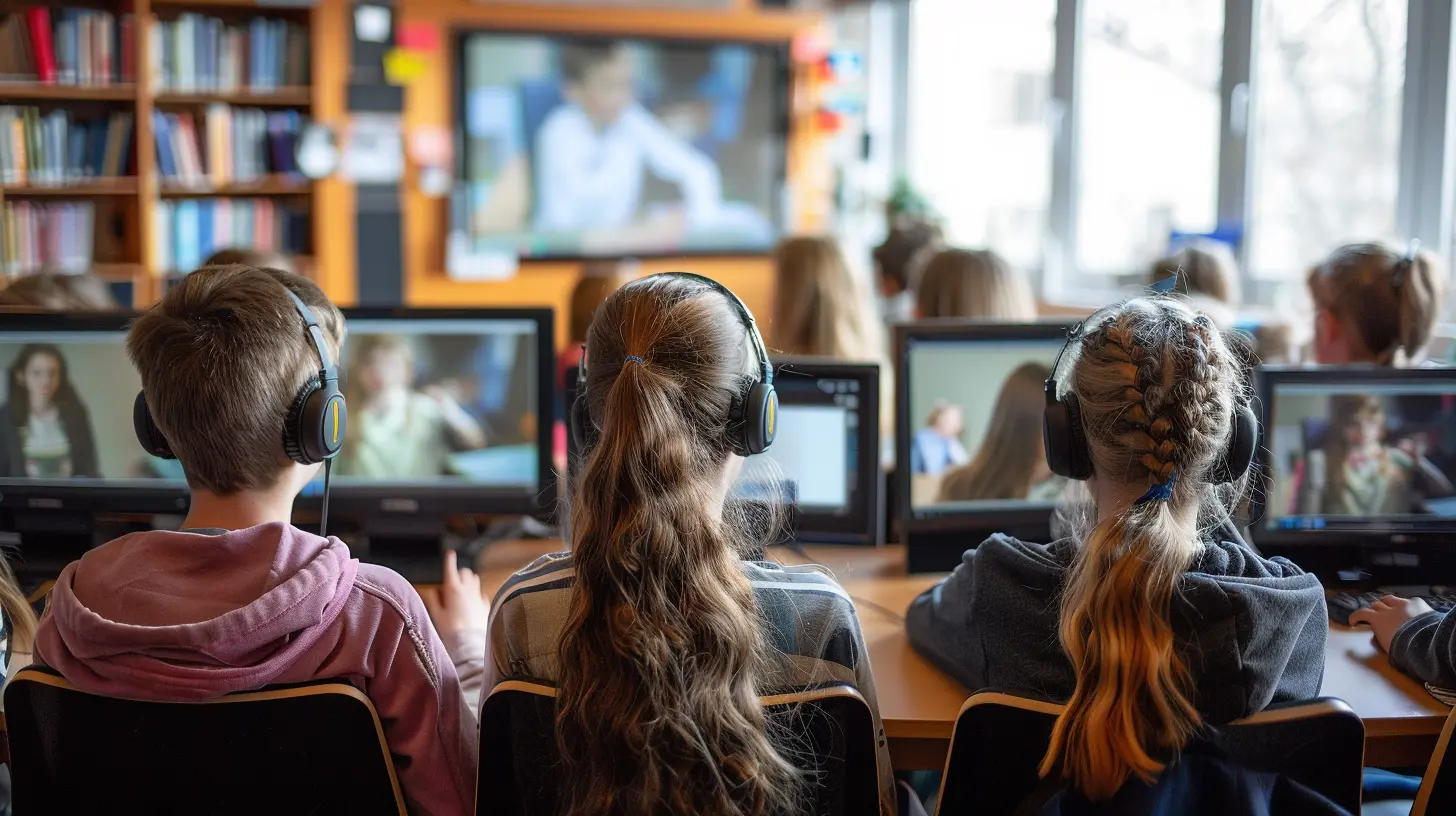
? Benefits of a Flipped Classroom
So, why should educators consider flipping their classrooms? Here are some compelling advantages:1. Encourages Active Learning
Instead of zoning out during long lectures, students actively participate in their learning. By discussing, debating, and collaborating in class, they retain information better.2. Students Learn at Their Own Pace
Not every student grasps concepts at the same speed. With a flipped model, students can pause, rewind, and rewatch lessons as many times as needed. Fast learners can move ahead, while those who need extra time won’t feel left behind.3. Maximizes Class Time for Deeper Learning
Rather than spending valuable class time introducing new topics, teachers can focus on interactive activities, problem-solving, and personalized assistance. This fosters critical thinking and creativity.4. Better Student Engagement
Let’s be real—listening to a one-hour lecture isn’t always exciting. But when students come to class already prepared, they are more interested in discussions and hands-on activities.5. Stronger Teacher-Student Interaction
Teachers spend less time lecturing and more time mentoring. They can identify students' struggles early on and provide one-on-one support rather than waiting for test results.
? How to Implement a Flipped Classroom Successfully
Flipping your classroom isn’t as simple as telling students to watch a video at home. It requires proper planning and execution to be effective. Here’s how you can do it right:1. Choose the Right Content for Pre-Class Learning
Your students need quality content to study before class. You can:- Record your own instructional videos
- Use trusted online resources (Khan Academy, TED-Ed, YouTube, etc.)
- Assign articles, podcasts, or slides
Make sure the content is engaging, concise, and easy to understand—no one wants to watch a 60-minute dry lecture after school!
2. Set Clear Expectations
Students need to understand their responsibilities. Make it clear that:- Pre-class material must be completed before the lesson.
- They should come prepared with questions and reflections.
- In-class activities depend on their prior self-study.
Consider using short quizzes, discussion prompts, or reflection journals to encourage accountability.
3. Make Class Time Interactive
Now that students already have the basics, use class time to apply the knowledge. Some effective methods include:- Group Discussions – Let students debate and explain concepts to each other.
- Problem-Solving Sessions – Work through complex problems together.
- Case Studies & Real-World Applications – Relate lessons to practical scenarios.
- Project-Based Learning – Assign collaborative projects that require creativity and critical thinking.
Engagement is key—keep students hands-on and thinking critically!
4. Leverage Technology for Better Learning
Technology can make flipping your classroom even smoother. Some helpful tools include:- Edpuzzle – Allows you to add interactive questions to videos.
- Google Classroom – Organizes materials and assignments.
- Flipgrid – Encourages video discussions among students.
- Padlet – Creates collaborative boards for student brainstorming.
Technology enhances engagement and makes remote learning components more interactive.
5. Assess and Adjust Your Approach
After implementing a flipped classroom model, don’t just assume it’s working—ask for feedback from students.- Are they finding the at-home materials helpful?
- Do they feel more engaged in class discussions?
- What could be improved?
Be ready to tweak your approach based on their responses. The goal is to make learning more effective and enjoyable for everyone. 
⚠️ Challenges of a Flipped Classroom (and How to Overcome Them)
While flipping a classroom sounds great, it comes with its own challenges. Let’s address some common hurdles and how to tackle them:1. Students May Not Watch Pre-Class Videos
If students skip the pre-class work, they’ll struggle during discussions and activities. Solution?✅ Keep videos short and engaging (5-15 minutes max).
✅ Incorporate accountability measures like quizzes or reflection questions.
✅ Explain the “why”—help them see the value in coming prepared.
2. Not All Students Have Internet Access at Home
Some students may not have reliable devices or internet access. Workarounds?✅ Allow them to download materials in advance.
✅ Provide offline resources such as handouts or USB drives with videos.
✅ Offer school library or classroom time for those who need access.
3. Increased Preparation Time for Teachers
Designing videos, activities, and assessments takes time. Here’s how to manage it:✅ Start small—flip one or two lessons at a time.
✅ Use existing online resources before creating your own.
✅ Collaborate with other teachers to share resources.
4. Students Resistant to Change
Switching to a flipped model can be confusing for students used to traditional teaching.✅ Explain the benefits early on—show them how it will help them learn better.
✅ Gradually introduce the method rather than jumping in 100%.
✅ Provide support and structure to ease the transition.
? Final Thoughts
The flipped classroom is more than just a buzzword—it’s a powerful way to maximize learning, increase engagement, and make the most of class time. Students come to class prepared, allowing teachers to focus on facilitating in-depth discussions, problem-solving, and collaboration.Sure, it takes effort to implement, but the rewards can be incredible. If done right, you'll see more student participation, deeper understanding, and a shift from passive to active learning. So why not give it a try and see the difference for yourself?
all images in this post were generated using AI tools
Category:
Flipped ClassroomAuthor:

Eva Barker