Flipped Classroom: Breaking Away from Traditional Teaching Methods
31 May 2026
Education is evolving faster than ever. The traditional classroom model—where teachers stand and deliver lectures while students passively take notes—is slowly giving way to new, innovative approaches. One of the most effective methods gaining traction is the flipped classroom. But what exactly is it, and why are educators worldwide embracing this shift? Let's break it down.
What Is a Flipped Classroom?
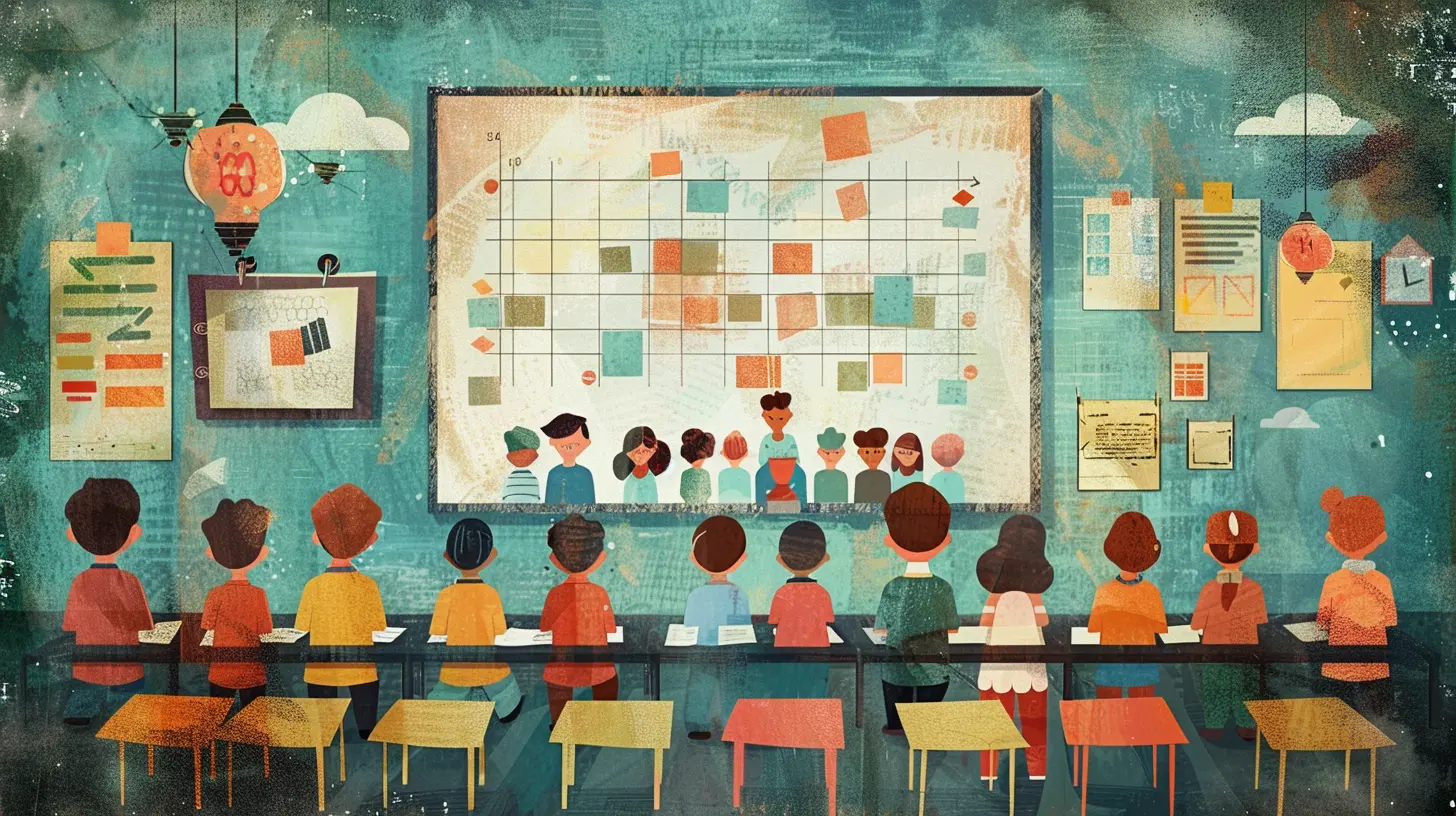
In a nutshell, a flipped classroom reverses the traditional learning model. Instead of introducing new concepts in class and assigning homework for practice, students learn at home through videos, readings, or other digital resources. The classroom then becomes a space for hands-on practice, discussions, and active learning.Think of it like this: In a traditional classroom, a teacher lectures, and students struggle with assignments at home, often without help. In a flipped model, students come to class already exposed to the material, ready to dive into problem-solving, discussions, and collaboration.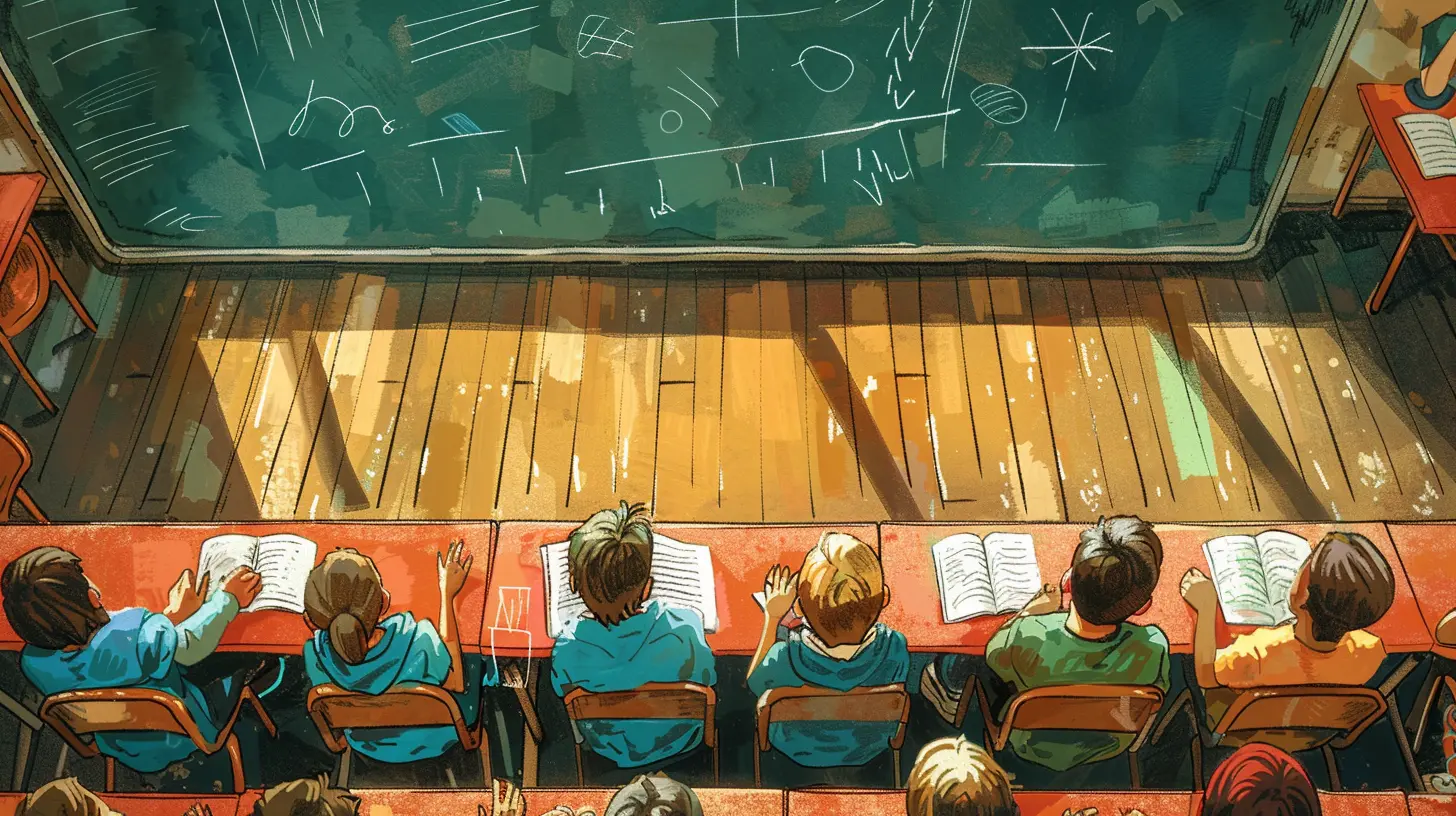
Why Is the Flipped Classroom Gaining Popularity?
Flipping the classroom isn't just some trendy idea—it’s backed by solid reasoning and educational benefits. Here’s why schools and universities are adopting this method:1. Boosts Student Engagement
Lectures can be boring. Let’s be honest—how many students actually stay focused for an entire 60-minute talk? In a flipped classroom, students engage with the material at their own pace before class. This means they’re more prepared and ready to participate in discussions rather than passively listening.2. Encourages Active Learning
Instead of just consuming information, students in a flipped classroom apply what they’ve learned through activities like group projects, problem-solving, and debates. This hands-on approach reinforces learning and helps concepts stick.3. Caters to Different Learning Styles
Not all students learn the same way. Some grasp concepts better through visuals, while others prefer reading or interactive exercises. A flipped classroom provides multiple learning methods, ensuring that every student has a chance to absorb the material in a way that works for them.4. Improves Teacher-Student Interaction
Imagine a classroom where the teacher isn’t just a lecturer but a mentor—guiding students through challenges, answering specific questions, and providing individualized support. In a flipped classroom, teachers spend more time interacting with students rather than talking at them.5. Promotes Self-Paced Learning
Students don’t have to struggle to keep up with a fast-paced lecture. They can pause, rewind, and review instructional materials at home, ensuring they fully understand the topic before coming to class.
How Does a Flipped Classroom Work?
So, how exactly does this method come to life? Let’s break it down into simple steps:Step 1: Pre-Class Learning (Independent Study)
Students receive materials—videos, articles, interactive modules—to go through before coming to class. These resources are designed to introduce the new concepts in a digestible way.Step 2: In-Class Activities (Application & Collaboration)
Instead of lecturing, the teacher facilitates interactive activities, such as:✅ Group discussions
✅ Problem-solving exercises
✅ Peer teaching
✅ Hands-on experiments
This is where real learning happens—students apply knowledge, ask questions, and receive immediate feedback.
Step 3: Post-Class Reflection (Reinforcement)
After class, students may engage in follow-up assignments, quizzes, or discussions to reinforce what they’ve learned. This ensures long-term retention of the concepts.
Overcoming Challenges in a Flipped Classroom
Despite its benefits, transitioning to a flipped classroom model comes with challenges. Here’s how educators can tackle them:1. Ensuring Access to Technology
Not every student has access to a computer or the internet. Schools adopting this model should provide resources like tablets, free Wi-Fi, or alternative materials.2. Encouraging Student Accountability
Some students may skip pre-class learning, which can hinder their classroom experience. One solution is interactive quizzes or discussions before class to keep them engaged.3. Training Teachers for the Shift
Teachers used to traditional methods might find the transition challenging. Proper training and support are crucial to help them embrace this new approach.4. Managing Classroom Time Effectively
With a flipped model, class time must be structured well to maximize engagement. Teachers need to plan activities that keep students actively involved.Flipped Classroom vs. Traditional Teaching: A Quick Comparison
| Aspect | Traditional Classroom | Flipped Classroom ||------------------------|----------------------|-------------------|
| Lecture Style | Teacher-led | Student-led |
| Homework | Practice at home | Learning before class |
| Classroom Time | Passive listening | Hands-on activities |
| Student Engagement | Lower | Higher |
| Learning Approach | Memorization-based | Application-based |
Clearly, a flipped classroom fosters deeper learning by giving students more control over their education.
Is the Flipped Classroom the Future of Education?
With technology advancing at breakneck speed, it's no surprise that classrooms are evolving too. The flipped classroom model aligns perfectly with 21st-century learning—where critical thinking, collaboration, and hands-on experience matter more than rote memorization.While it won’t replace traditional methods entirely, it’s a powerful approach that can enhance learning outcomes significantly. Schools and universities that embrace innovation will undoubtedly set students up for success in a rapidly changing world.
So, is it time to flip the script on education? The results speak for themselves.
Final Thoughts
The flipped classroom isn’t just a buzzword—it’s a proven strategy that enhances learning by making it more interactive, engaging, and effective. By giving students more control over their learning and using classroom time for meaningful interaction, this model breaks away from outdated teaching methods and prepares students for real-world challenges.If you're an educator or student looking to revamp the learning experience, the flipped classroom might just be the game-changer you need. Are you ready to flip the way you learn?
all images in this post were generated using AI tools
Category:
Flipped ClassroomAuthor:

Eva Barker
Discussion
rate this article
1 comments
Amira Adkins
The flipped classroom model encourages active learning and student engagement, allowing learners to explore concepts at their own pace. It's a refreshing shift that promotes deeper understanding and collaboration.
June 6, 2026 at 10:57 AM
Eva Barker
Thanks for your thoughts! I agree that the flipped classroom truly empowers students to take charge of their learning.