Equity and Inclusivity in Global Education: Best Practices
22 May 2026
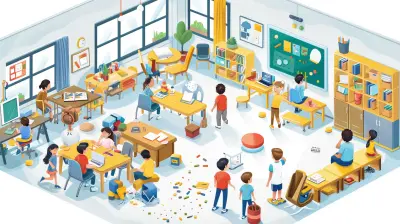
Imagine walking into a classroom where every child, regardless of background, ability, language, or zip code, feels welcomed, supported, and empowered to learn. Sounds like a dream, right? Maybe even a bit utopian? Well, it doesn't have to be. The world of global education is slowly but surely waking up to the magical power of equity and inclusivity—and let me tell you, it’s about time!
Whether you're an educator, policymaker, student, or just a slightly nerdy individual with a soft spot for social justice (no judgment—we’re among friends), this article’s for you. So grab your coffee (or your fifth cup of tea if you're me), kick back, and let’s unpack the best practices that are changing classrooms for the better.
Hold Up… What Does Equity and Inclusivity in Education Even Mean?
Before we dive into the nitty-gritty, let’s get our definitions sorted. People often mix up equity and equality, but they’re not the same beast.- Equality says: “Give everyone the same pair of shoes.”
- Equity says: “Give everyone the shoes that fit them best.”
Now, when we talk about inclusivity, we’re talking about ensuring that everyone—regardless of gender, race, ability, language, or socio-economic status—feels fully part of the learning process, not just sitting in the back of the room wondering if anyone noticed they're there.
Think of it like cooking dinner for a big group. Equity is making sure everyone gets something they can actually eat (no nuts for the allergic folks, please), and inclusivity is making sure everyone’s seat at the table is equally respected—even if they brought the weird vegan casserole.
Why Equity and Inclusivity Matter More Than Ever
We’re not living in 1995 anymore (although, low-key, we still play some Spice Girls). Today’s classrooms are diverse, dynamic, and more interconnected than ever before. And with that comes both immense opportunity and some pretty serious challenges.Here’s why this matters:
- Students from underrepresented backgrounds often face systemic barriers like poverty, discrimination, and language gaps.
- Outdated or one-size-fits-all curricula often exclude the experiences of marginalized communities.
- Inclusive practices boost academic performance, sense of belonging, and self-esteem.
And if none of that convinced you, let me hit you with a stat: Studies show inclusive classrooms produce better outcomes not only for marginalized students but for everyone. It's like a group project where everyone actually pulls their weight (miraculous, I know).
Best Practices for Equity and Inclusivity in Global Education
Alright, now that we’ve set the stage, let’s dive into the juicy part—the best practices. Drumroll, please...1. Start With Teacher Training That Doesn’t Put You to Sleep
Teachers are the heart of any education system. But here’s the thing: even the most passionate educator can unintentionally carry biases or use teaching methods that exclude students.Best Practice: Offer culturally responsive training and ongoing professional development. Show teachers how to spot their blind spots, adapt their content, and handle tricky topics like race, gender, and identity with grace and tact.
Bonus points if the training includes real classroom scenarios and not just three hours of death-by-PowerPoint.
2. Design Curriculum That Reflects the Real World
If your textbook still thinks that one ancient civilization and three European wars are the whole story, it’s time to remix the curriculum.Best Practice: Create a curriculum that:
- Includes voices from different cultures and identities
- Challenges existing power dynamics
- Encourages critical thinking, not just memorization
Think less “dead white guys” and more “global storytellers, scientists, and change-makers.”
3. Language Should Never Be a Barrier (Unless It’s a Spelling Bee)
Over 1.5 billion people are learning English globally—but not everyone walks into class speaking it fluently. In many communities, kids speak a different language at home than they do at school.Best Practice: Support multilingual education. That doesn’t mean teaching in 47 languages at once (although kudos if you can). It might include:
- Using bilingual teaching assistants
- Offering materials in multiple languages
- Embracing students' home languages as assets, not obstacles
Words are powerful. Let’s make sure all kids can wield them.
4. Create Safe Spaces (Physically and Emotionally)
No one learns well when they're stressed, scared, or constantly on edge. And unfortunately, many students—especially LGBTQ+, disabled, or minority students—face environments that are anything but safe.Best Practice: Build psychologically safe classrooms where:
- Students can express themselves without fear of ridicule
- Teachers respond to bullying and discrimination immediately
- Mental health resources are readily available
Think warmth, not walls.
5. Embrace Technology—But Do It Equitably
Ah yes, technology—the double-edged sword of 21st-century education. It can open amazing doors… or slam them shut for those without internet access.Best Practice: Ensure digital equity by:
- Providing devices and Wi-Fi access for underprivileged students
- Training both teachers and students on how to use ed-tech effectively
- Using tools that adapt for students with disabilities (hello, screen readers and voice-to-text)
Because let’s face it—Zoom classes aren’t much good if you’re stuck borrowing your cousin’s 2006 laptop that takes 20 minutes to turn on.
6. Get Families Involved Like They’re Part of the Team (Because They Are)
Education doesn't stop when the bell rings. Families play a crucial role, but they’re often left out of the loop—especially when language barriers or cultural differences are in play.Best Practice: Involve families in meaningful ways by:
- Communicating in their preferred languages
- Respecting cultural traditions and norms
- Hosting inclusive school events where everyone feels welcome (yes, even Aunt Linda with the loud laugh)
If school feels like a fortress, families won’t knock. Make it a community center instead.
7. Make Accessibility Non-Negotiable
Accessibility isn’t just about ramps and elevators. It’s about universal design for learning—a fancy term that means creating lessons that all kinds of learners can access.Best Practice: Embrace teaching strategies that include:
- Visual, auditory, and hands-on resources
- Accessible digital content
- Extended time for assignments and flexible testing options
Let’s ditch the "sink or swim" mentality. Some students just need water wings.
8. Measure What Matters
Sure, grades are important—but they’re not the only yardstick. If we really want to track inclusivity and equity, we need better tools than just standardized tests.Best Practice: Develop inclusive assessment methods that:
- Reflect multiple intelligences (yes, emotional intelligence counts!)
- Allow students to demonstrate knowledge in different ways
- Regularly include feedback from teachers, students, and families
Data doesn’t lie—but it also doesn’t tell the whole story unless we ask the right questions.
9. Adapt to Local Contexts (One Size Never Fits All)
You wouldn’t wear a winter coat to the beach, right? So why would we assume education policies from one country will work the same everywhere else?Best Practice: Respect local cultural, economic, and political realities when implementing equity policies:
- Consult with community leaders and local educators
- Don’t impose “solutions”—collaborate on them
- Stay humble. There’s always something new to learn.
Global education doesn’t mean one way—it means finding the best way for each unique setting.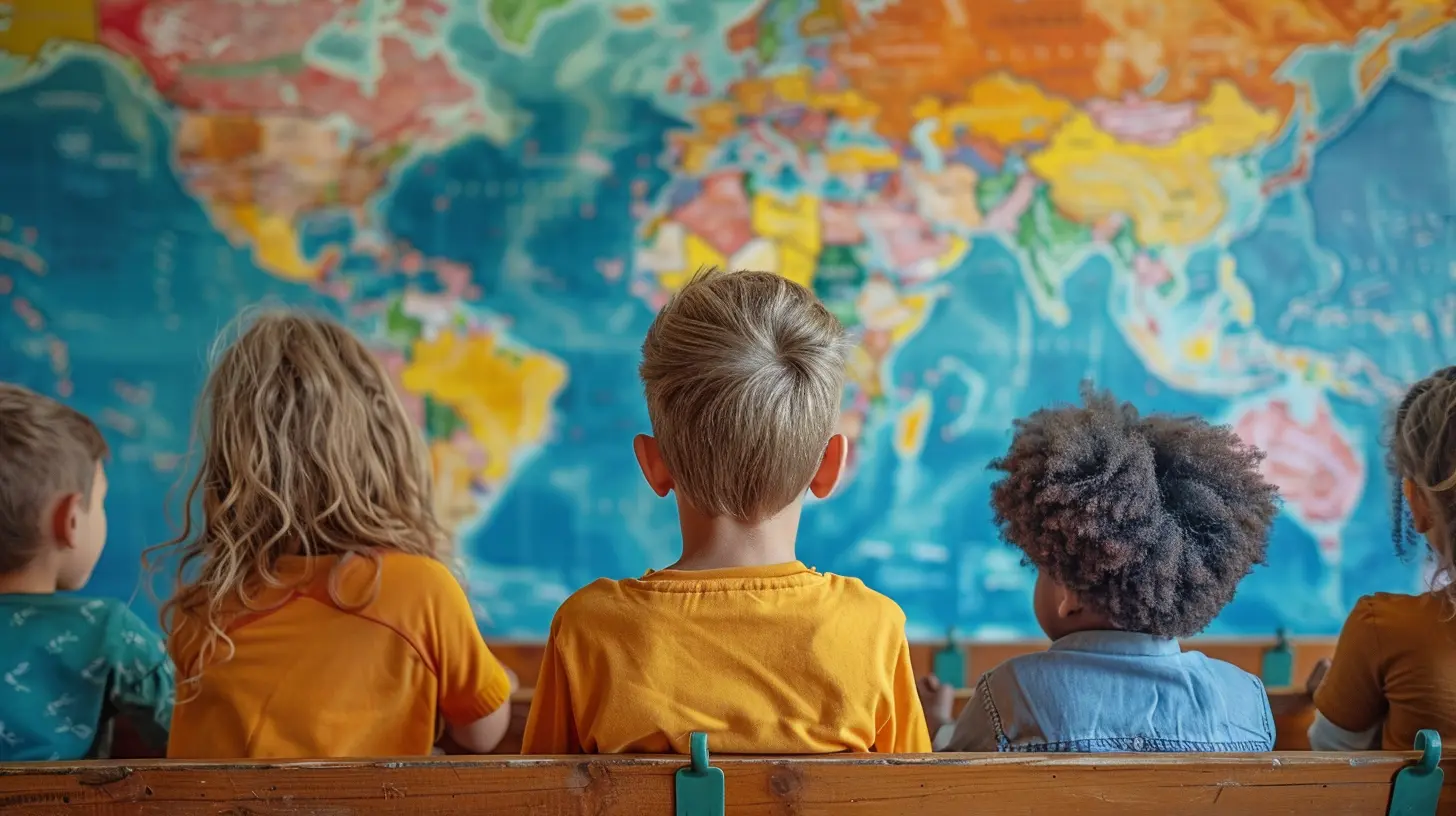
The Bottom Line
Let’s be real: achieving equity and inclusivity in global education isn’t a walk in the park. It’s more like a long, occasionally messy group hike—with lots of detours, but also breathtaking views if you stick with it.But here's the good news: we have the tools, the research, and the heart to make it happen. We can build schools where every student—regardless of background, identity, or ability—feels like they belong, like they matter, and like they can reach their full, glorious potential.
So let’s stop dreaming about it and start doing it. The world’s classrooms are waiting.
Final Thought (And a Tiny Pep Talk)
Every child deserves more than just a seat in the room—they deserve a voice at the table. When we champion equity and inclusivity, we’re not just fixing what's broken. We’re building something entirely new…and infinitely better.And it all starts with you.
Yes, you. Reading this article with your tea getting cold.
all images in this post were generated using AI tools
Category:
Global EducationAuthor:

Eva Barker
Discussion
rate this article
1 comments
Keira Holland
Who knew equity and inclusivity could be such a dynamic duo? They're like peanut butter and jelly but for education! Spread those best practices like creamy goodness on whole grain bread, and watch everyone come together for a delicious learning experience... no crusts allowed!
May 24, 2026 at 12:32 PM
Eva Barker
I love that analogy! Equity and inclusivity truly do create a richer learning environment for everyone. Let's keep spreading those best practices!