Encouraging Lifelong Learning Through Music
27 December 2025
Let’s get real for a second: when was the last time you learned something new just for fun? No pressure. No grades. No deadlines. Just you, maybe your headphones, and that spark of curiosity. Sound too good to be true? Well, hold onto your earbuds, because we're diving into one of the most powerful tools in your lifelong learning toolkit — music.
You see, music isn’t just background noise for your morning coffee run or the thing you awkwardly dance to at weddings. Nope. It’s much more than that. Music is a brain-boosting, memory-charging, creativity-pumping force that can literally change how you learn — and how long you stay curious.
Welcome to the wonderfully wacky, toe-tapping world of lifelong learning through music.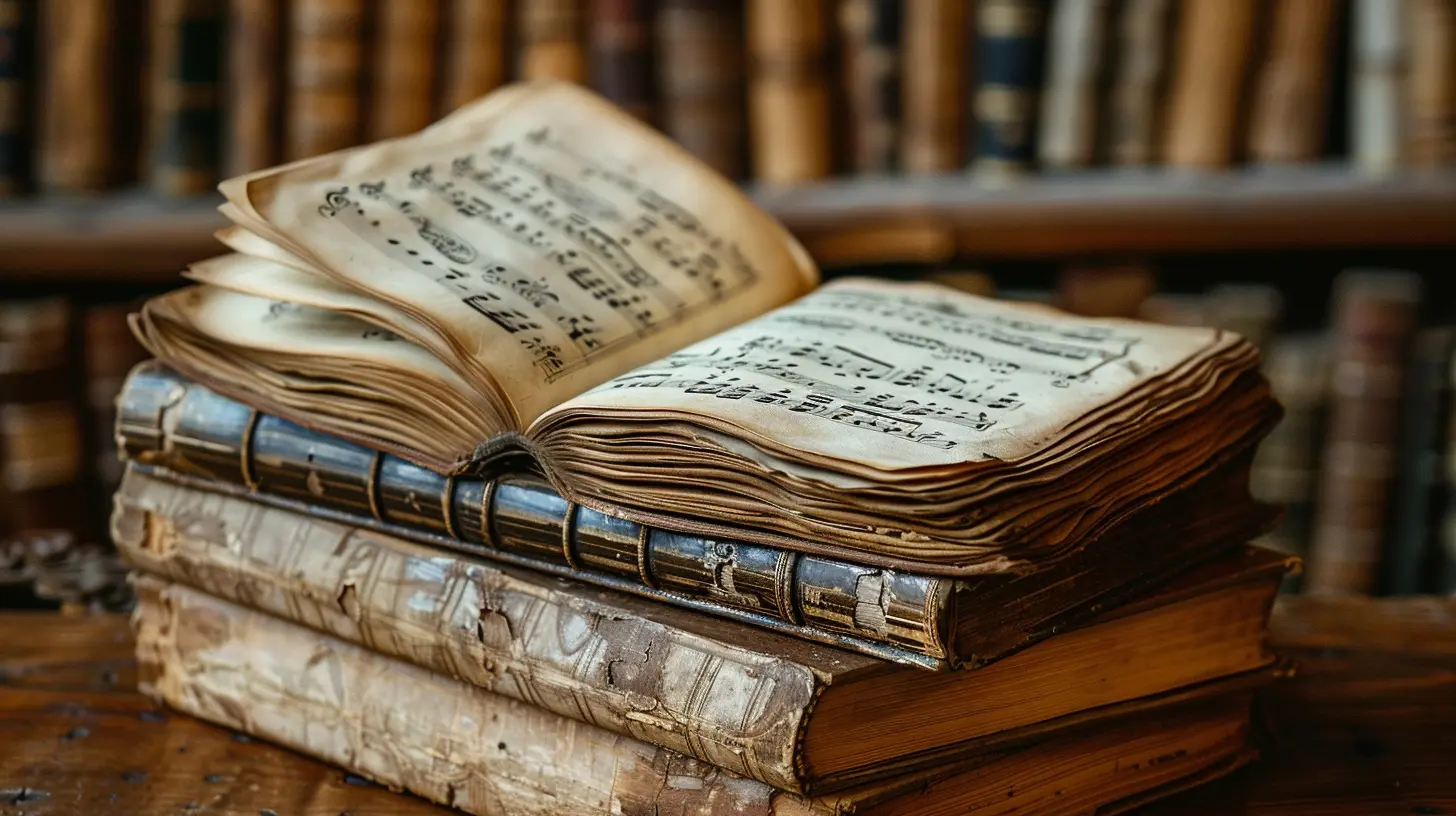
What Is Lifelong Learning, Anyway?
Okay, let’s break it down. Lifelong learning is exactly what it sounds like — learning that doesn’t stop when you toss your graduation cap in the air. It’s about staying mentally active, curious, and engaged no matter how old you are or what stage of life you’re in.Think of your brain like a muscle — if you don’t use it, you lose it. Lifelong learning is like taking your brain to the gym, but instead of doing curls, you're practicing chords or memorizing lyrics.
And here's the wild part — music might be the best personal trainer your brain could ever ask for.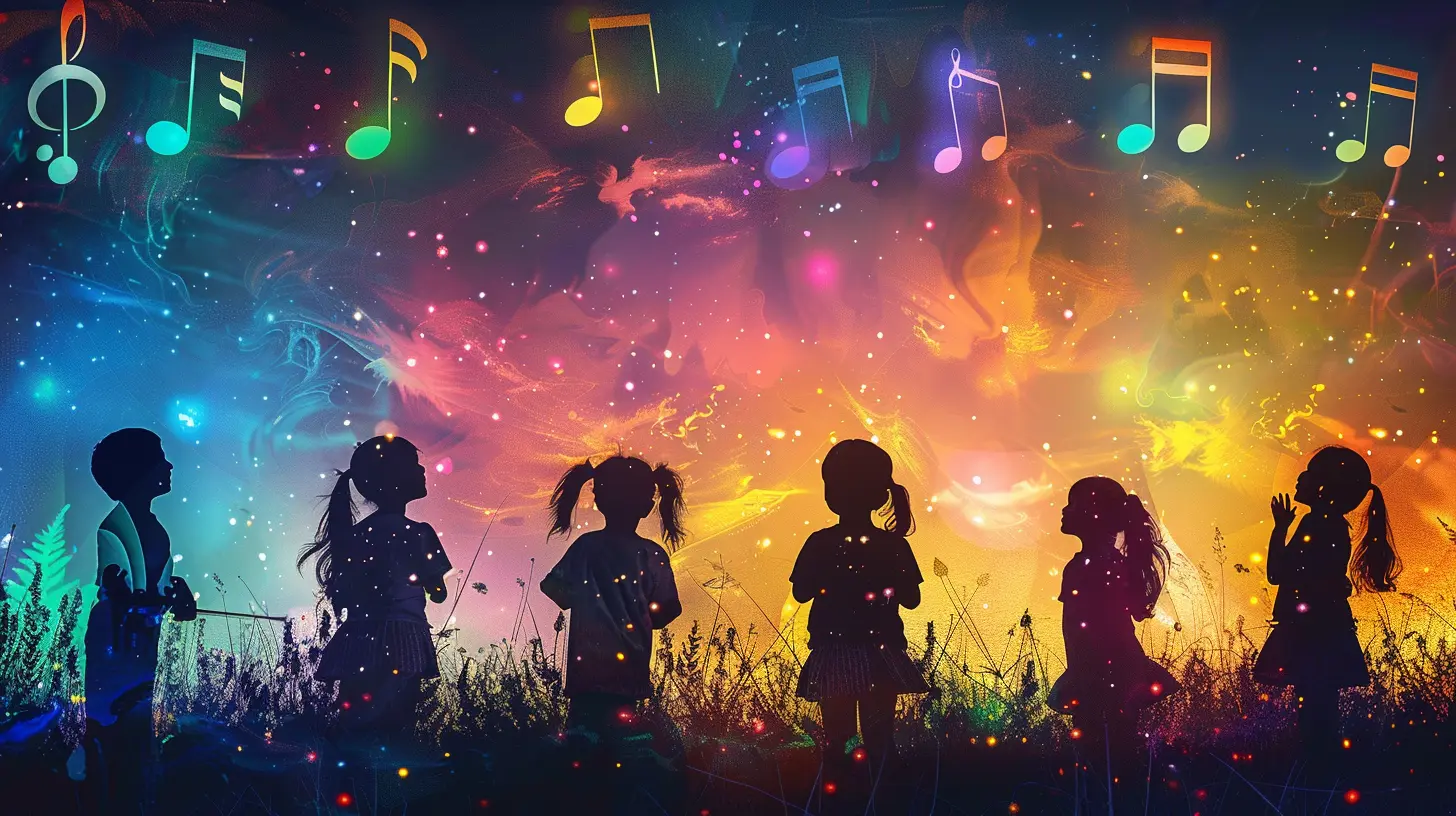
Soundtrack of the Mind: How Music Sparks Learning
1. Music Lights Up the Brain Like Fireworks
Neuroscientists have found that when you listen to or play music, a whole bunch of brain areas light up — like the hippocampus (where memory lives), the amygdala (hello, emotions!), and even the motor cortex (that’s where your foot tapping comes from). In fact, music engages more parts of the brain than almost any other activity.It’s like the Swiss Army knife of learning tools: it hits memory, emotion, coordination, and more… all at once.
2. Rhythm and Recall Go Hand in Hand
Ever wonder why you can remember every single word to that one 90s pop song but can’t recall what you had for lunch yesterday? That’s the magic of rhythm. Our brains are wired to latch onto patterns — and music is FULL of them.This means music can actually help you retain information better. Want to remember the periodic table? There’s a song for that. Struggling with vocabulary? Try setting your flashcards to a beat. When you pair learning with melody, you’re giving your brain a mental sticky note.
3. Emotions Make It Stick
Let’s be honest — raw facts are boring. But attach a melody, a beat, or even a bit of nostalgia, and BAM — suddenly that information has emotional weight. Music taps into your feelings, and feelings make memories stick like glue.So if you want to make learning experiences unforgettable, music’s your best bet.
Music as a Teaching Tool (Even for the Musically-Challenged)
Now, you might be thinking, “But I can’t even carry a tune in a bucket.” Don’t worry, you don’t have to be Beethoven to use music for learning.1. Background Beats for Focused Learning
Here’s a little secret: certain types of music can actually help you concentrate. Studies have shown that instrumental music, especially classical, lo-fi, or ambient electronic tunes, can boost focus and reduce anxiety. No lyrics, no distractions — just brain-boosting background vibes.Perfect for studying, journaling, or even tackling that overflowing inbox.
2. Singing Your Way to Knowledge
There’s a reason preschoolers learn the ABCs through song. Singing helps imprint information into your memory by using rhythm and repetition. Adults can use the same trick for learning languages, medical terminology, math formulas — heck, even historical dates.So go ahead and belt out that biology term. Your shower won’t judge you.
3. Playing an Instrument = Multitasking Masterclass
Learning to play an instrument is like giving your brain a full-body workout. You’re reading music, coordinating both hands, listening for tone, and sometimes even counting or singing — all at once. It’s kind of like rubbing your stomach and patting your head but way more impressive.Playing an instrument improves memory, patience, problem-solving, and even math skills. You don’t need to be a prodigy — even a few chords on a ukulele can do the trick.
Music in Education: Remixing the Classroom
Who says learning has to be dry lectures and dusty textbooks? Not us. And certainly not forward-thinking educators who are turning classrooms into rock stages (metaphorically… mostly).1. Music-Integrated Lessons
Teachers are increasingly weaving music into their lesson plans — think math set to rap beats, history timelines sung to pop melodies, or science concepts embedded in catchy jingles. It’s all about making the stuff that typically goes in one ear and out the other… stick.2. Music as a Collaboration Tool
Group music activities — like writing a class song or building a playlist for a novel — encourage teamwork, creativity, and communication. Plus, they give students a chance to express themselves in ways that a multiple-choice test just can’t.3. Emotional Support and Social Learning
Let’s not forget the emotional side of learning. Music can help students process feelings, bond with peers, and even deal with stress or trauma. It creates a safe space where everyone can express themselves — whether that's through head-bopping, lyric-writing, or silent listening.Lifelong Learning Through Music Outside the Classroom
Here’s the beauty of it: you don’t need a desk, a chalkboard, or a degree to keep learning. Music makes learning accessible anytime, anywhere.1. Podcasts and Playlists for On-the-Go Learning
Ditch the textbook. Want to learn history? There’s a podcast for that. Curious about psychology, tech, cooking, or philosophy? There’s probably a playlist that’ll make you feel smarter without feeling bored.Turn your commute into a mobile classroom — no pencil required.
2. YouTube Tutorials and Online Jam Sessions
Thanks to the internet, you can learn literally ANYTHING. Think of how many keyboard warriors learned how to play guitar from YouTube. Or picked up beatboxing. Or learned to produce music using nothing but a laptop and some free software.Music makes it fun. That’s the secret sauce.
3. Community Choirs and Jam Nights
Don’t underestimate the power of community. Local choirs, ukulele circles, or open mic nights offer not just a way to practice music, but an opportunity to connect with others, share stories, and trade knowledge.And yeah, singing off-key in public is still learning. Trust the process.
Music and the Older Brain: A Cognitive Lifeline
Fun fact: music may actually help slow memory decline in older adults. Playing, listening to, or even dancing to music can improve cognitive performance, mood, and overall brain health.It’s like a time machine for your brain — transporting you to cherished memories, sparking joy, and keeping those mental gears turning.
So, whether you're 17 or 70, learning through music has no expiration date.
Quirky Ways to Add Music to Your Learning Routine
Let’s get weird — in a good way. Here are some offbeat ways to sneak music into your everyday learning life:- 🎧 Musical Morning Ritual: Start your day with a “curiosity playlist” — songs that make you ask questions. Let that curiosity drive your learning goals for the day.
- 🧠 Memory Hook Songs: Create mini-songs for anything you’re trying to memorize — passwords, directions, shopping lists. Your brain will THANK you.
- 📚 Lyrical Book Summaries: After reading a chapter or article, summarize it in a short rhyme or rap. Bonus points if you record it!
- 📀 Create a Study Soundtrack: Pick one genre for each subject. Jazz for math. Lo-fi for science. Pop for history. Let your brain make those associations.
- 💃 Dance Breaks = Brain Breaks: Every 30-minute study sprint deserves a one-song dance party. It boosts dopamine and resets your focus.
Final Thoughts: Keep the Beat Going
Lifelong learning doesn’t have to feel like homework. In fact, it shouldn’t. It should feel like jamming out to your favorite song — fun, immersive, and completely addicting in the best way.Music helps us remember, feel, connect, and grow. It breaks down walls, opens up new parts of the brain, and invites us to explore the world with wide eyes and open ears.
So, dust off that saxophone, crank up that playlist, or sing in the shower like nobody’s listening (except maybe your cat). Whether you’re learning algebra, another language, or just how to be more YOU — music’s got your back.
Now go forth, and make a little noise. Your brain will thank you.
all images in this post were generated using AI tools
Category:
Music EducationAuthor:

Eva Barker
Discussion
rate this article
2 comments
Rocco McCarty
This article beautifully captures the transformative power of music in fostering a passion for lifelong learning. It reminds us that each note and rhythm not only enhances our skills but also enriches our lives. Thank you for inspiring us to embrace learning through the art of music!
December 30, 2025 at 5:47 AM
Eva Barker
Thank you for your thoughtful insights! I'm glad the article resonated with you and highlighted the profound impact of music on lifelong learning.
Thalyn Velez
This article beautifully highlights the transformative power of music in fostering lifelong learning. By integrating musical experiences into education, we can enhance cognitive skills, emotional intelligence, and creativity in learners of all ages, ultimately enriching their personal and professional lives. A must-read for educators!
December 28, 2025 at 2:06 PM
Eva Barker
Thank you for your thoughtful feedback! I'm glad you found the article insightful and appreciate your emphasis on music's role in education.