"Emotional Literacy: The Building Blocks of Emotional Intelligence
19 February 2026
Ever found yourself overwhelmed by emotions but unsure how to express them? Or maybe you've encountered situations where understanding others’ feelings seemed like an impossible task? That’s where emotional literacy comes into play. It’s the foundation of emotional intelligence, helping us navigate feelings—both our own and others’—with clarity and confidence.
In today’s fast-paced world, emotions drive our decisions, relationships, and overall well-being. Yet, many of us aren’t taught how to decode these emotions effectively. In this article, we’ll break down emotional literacy, why it matters, and how you can cultivate it for a more emotionally intelligent and fulfilling life.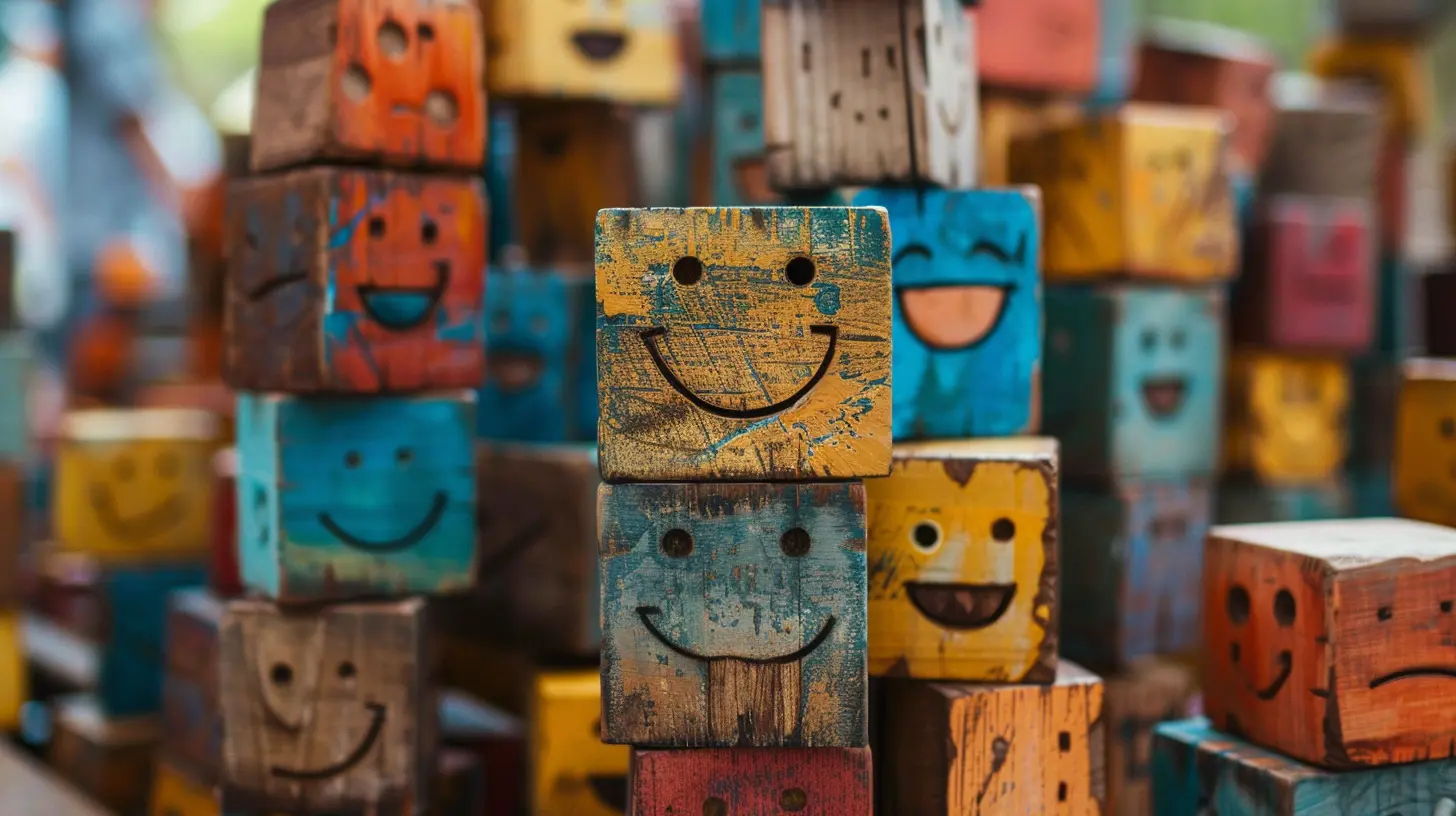
What Is Emotional Literacy?
Emotional literacy is the ability to recognize, understand, label, express, and regulate emotions effectively. Think of it as the language of emotions—it allows us to communicate what we're feeling in a way that others can understand.At its core, emotional literacy isn’t just about identifying emotions; it’s about managing them in a way that enhances relationships, decision-making, and mental well-being. When you have strong emotional literacy, you not only understand your own emotions but also empathize with others, creating deeper connections.
Why Emotional Literacy Matters
Imagine driving a car without ever learning the controls—pretty risky, right? The same goes for emotions. Without emotional literacy, we struggle to communicate effectively, resolve conflicts, and handle stress. Here’s why it’s crucial:1. Improves Communication
People with strong emotional literacy can articulate their feelings clearly, reducing misunderstandings and fostering healthy conversations. Instead of bottling up frustrations or lashing out, they find the right words to express what’s on their mind.2. Enhances Relationships
Whether in friendships, romantic relationships, or professional settings, emotional literacy boosts empathy and understanding. When you can recognize and address emotions in yourself and others, conflicts become easier to navigate, and bonds grow stronger.3. Increases Self-Awareness
Being emotionally literate means recognizing what you're feeling and why. This self-awareness helps in making better decisions, improving self-control, and understanding personal triggers.4. Boosts Mental Well-Being
Unexpressed or misunderstood emotions can lead to stress, anxiety, and even depression. Emotional literacy acts as a mental safety net, allowing us to process emotions in a healthy way, reducing emotional distress.5. Promotes Better Decision-Making
Ever made a decision in the heat of the moment and later regretted it? Emotional literacy helps regulate impulsive reactions, ensuring that emotions don’t cloud judgment.
The 5 Key Components of Emotional Literacy
To build strong emotional literacy, you need to develop these five core skills:1. Recognizing Emotions
Before you can work with emotions, you need to identify them. This involves being aware of physiological cues (like a racing heart when anxious) and recognizing emotions in facial expressions, tone, and behavior.2. Understanding Emotions
Recognizing emotions is one thing, but understanding why they arise is another. Emotional literacy involves connecting feelings to their triggers—whether it's stress due to workload or frustration from unmet expectations.3. Labeling Emotions
Simply saying "I feel bad" isn’t enough. Emotional literacy encourages using precise words like "I feel frustrated," "I feel overwhelmed," or "I feel disappointed." Labeling emotions accurately helps in processing them effectively.4. Expressing Emotions
Bottling up emotions often leads to emotional outbursts or silent suffering. Learning to express feelings in a constructive way—whether through words, journaling, or creative outlets—strengthens emotional intelligence and relationships.5. Regulating Emotions
Once emotions are identified and expressed, the final step is regulation. This doesn’t mean suppressing emotions but managing them in a way that aligns with your values and well-being—like taking deep breaths when angry or seeking support when feeling down.
How to Cultivate Emotional Literacy
Becoming emotionally literate isn’t something that happens overnight. Like any skill, it takes practice and mindfulness. Here are some practical ways to develop emotional literacy in daily life:1. Expand Your Emotional Vocabulary
The more words you have to describe how you feel, the better you’ll be at expressing yourself. Instead of just saying "I feel good" or "I feel bad," challenge yourself to use more specific terms like excited, drained, overwhelmed, or content.2. Practice Mindfulness
Mindfulness helps bring awareness to your thoughts and emotions without judgment. Taking a few minutes each day to reflect on how you're feeling can strengthen your emotional awareness and regulation skills.3. Journaling Your Emotions
Writing down your emotions and the events that triggered them can help you spot patterns. Over time, this practice improves emotional understanding and recognition.4. Engage in Active Listening
Listening isn’t just about hearing words; it’s about tuning into emotions. When someone shares their feelings, acknowledge them rather than offering immediate solutions. Sometimes, a simple "That sounds really tough" can make a difference.5. Pause Before Reacting
Reacting impulsively to emotions can lead to unnecessary conflict. Taking a step back to assess your emotions before responding can improve communication and decision-making.6. Seek Feedback
Sometimes, we’re blind to our own emotional strengths and weaknesses. Asking trusted friends or mentors how they perceive your emotional awareness can provide valuable insights.Emotional Literacy in Education
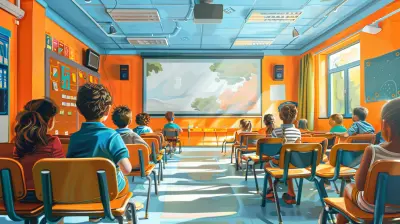
Teaching emotional literacy in schools is just as important as teaching math or science. When children learn to recognize and manage emotions early on, they develop essential life skills that benefit both their academic and personal growth.How Schools Can Promote Emotional Literacy
- Incorporating Emotional Vocabulary – Encouraging students to name their emotions rather than just reacting to them.- Teaching Conflict Resolution – Helping students navigate disagreements in a healthy way.
- Encouraging Empathy – Activities that allow students to step into others’ shoes.
- Mindfulness Practices – Integrating breathing exercises or reflection sessions into the school day.
By making emotional literacy a part of the curriculum, schools can shape emotionally intelligent individuals who are better prepared for life’s challenges.
The Connection Between Emotional Literacy and Emotional Intelligence
Emotional literacy is the foundation of emotional intelligence (EI). Without the ability to recognize, understand, and express emotions, developing empathy, social awareness, and emotional regulation becomes challenging.While emotional literacy provides the tools to process emotions, emotional intelligence puts these tools into action in real-life situations—whether at work, in relationships, or within personal growth. The more emotionally literate you become, the stronger your emotional intelligence becomes.
Final Thoughts
Emotional literacy isn't just about knowing what you're feeling; it's about understanding, expressing, and managing emotions in a way that benefits you and those around you. It’s a skill that, once developed, unlocks deeper relationships, better decision-making, and a healthier mind.By consciously practicing emotional literacy, we take control of our emotional world rather than letting it control us. So, next time you feel a wave of emotions coming on, pause, identify, and express—you’ll be surprised at how powerful this skill can be in transforming your life.
all images in this post were generated using AI tools
Category:
Emotional IntelligenceAuthor:

Eva Barker
Discussion
rate this article
2 comments
Zeke Wallace
Absolutely loved this! Emotional literacy really is the foundation for understanding ourselves and others. It's amazing how much it can transform our relationships and overall well-being!
March 1, 2026 at 8:56 PM
Eva Barker
Thank you! I'm thrilled to hear you found it impactful. Emotional literacy truly is crucial for building strong relationships and enhancing our well-being.
Callisto Dorsey
This article beautifully highlights how emotional literacy shapes our understanding of ourselves and others. It's a reminder that fostering these skills in our daily lives can lead to deeper connections and meaningful relationships. Great read!
February 19, 2026 at 5:36 AM
Eva Barker
Thank you for your thoughtful comment! I'm glad you found the article resonant and impactful. Fostering emotional literacy is indeed vital for deeper connections.