Decoding the Industrial Revolution: Its Causes and Effects
12 February 2026
The Industrial Revolution was a game-changer, transforming societies from sleepy agrarian economies into bustling industrial giants. It reshaped how we work, live, and even think about the world. But what really sparked this massive shift? And how did it shape the modern world as we know it today? Buckle up—we're diving deep into the causes and effects of the Industrial Revolution! 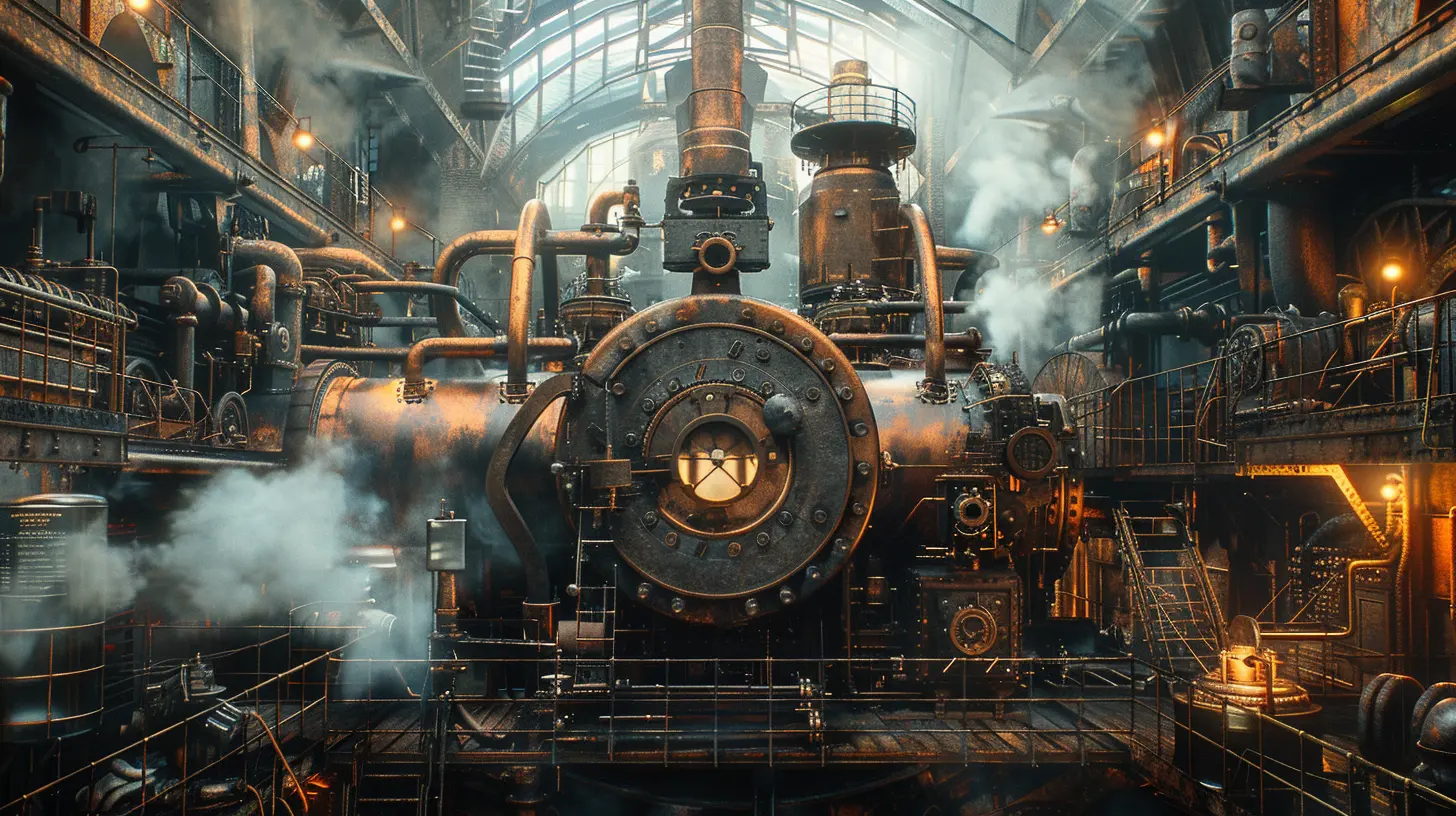
🔥 What Was the Industrial Revolution?
Before we jump into the nuts and bolts, let's get one thing straight—the Industrial Revolution wasn’t just a single event. It was a series of profound changes that swept across the world, starting in Britain around the late 18th century and spreading like wildfire.At its core, it was about mechanization—machines replacing manual labor, factories taking over cottage industries, and steam engines revolutionizing transportation. Suddenly, mass production became the name of the game, and life was never the same again. 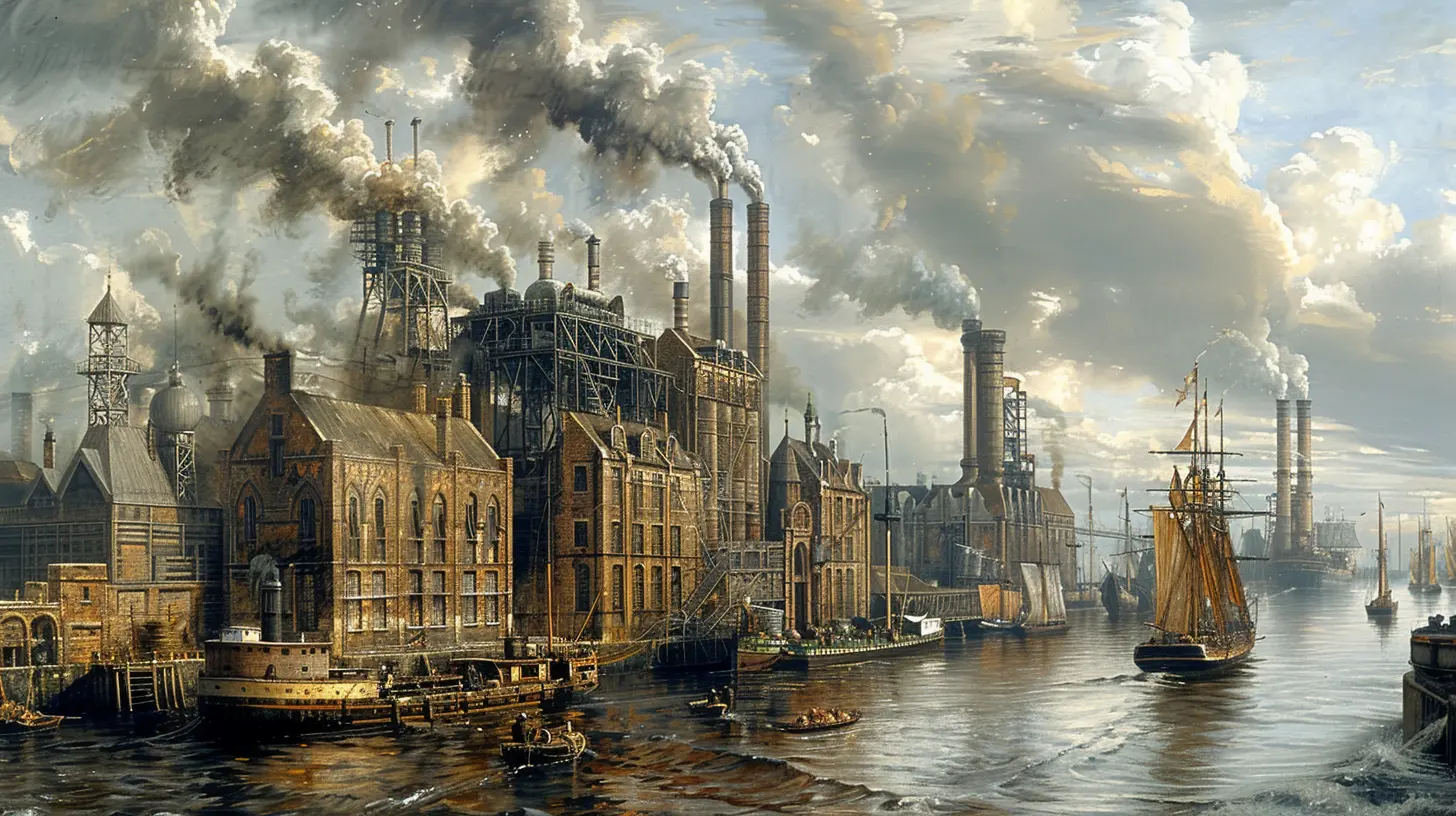
🚀 Causes of the Industrial Revolution
So, what lit the fuse that set this revolution ablaze? A perfect storm of factors came together, pushing humanity into a new era.1. Agricultural Revolution: The Silent Catalyst
Before factories and machines took over, changes in farming set the stage. Thanks to innovations like the seed drill (shoutout to Jethro Tull!) and crop rotation, farmers could produce more food with less effort. The result? A booming population with extra hands needing work—perfect for fueling industry.2. A Population Boom: More Hands on Deck
With improved agricultural techniques came better food supply, leading to fewer famines and higher survival rates. More people meant more workers and consumers, setting the stage for industrial expansion.3. Abundant Natural Resources: The Treasure Chest
Britain, the birthplace of the Industrial Revolution, had an ace up its sleeve—plentiful coal and iron. Coal powered the steam engines, while iron was essential for building machines, railways, and structures. Without these, the revolution might have never taken off.4. Innovation and Technology: The Big Brains Behind It All
The Industrial Revolution was fueled by inventors and scientists constantly pushing boundaries. Game-changing inventions like James Watt’s steam engine, John Kay’s flying shuttle, and Richard Arkwright’s water frame revolutionized production, making work faster and more efficient.5. The Rise of Capitalism: Show Me the Money!
With new inventions and industries booming, investors weren’t far behind. Capitalism encouraged people to take risks, invest in factories, and create businesses. In turn, this moved the economy away from traditional feudalism and pushed it toward a market-driven system.6. Political Stability and Strong Banking Systems
Unlike some of its neighbors, Britain had political stability and a well-established banking system. This provided entrepreneurs with access to credit and loans, which fueled industrial growth. Without this financial backbone, industrial expansion would have been far slower.7. Improved Transportation Networks
You can’t build industries without effective transportation. The development of canals, roads, and eventually, steam-powered trains helped raw materials reach factories quickly and finished goods reach markets faster. It was the logistical magic that kept the Industrial Revolution running smoothly.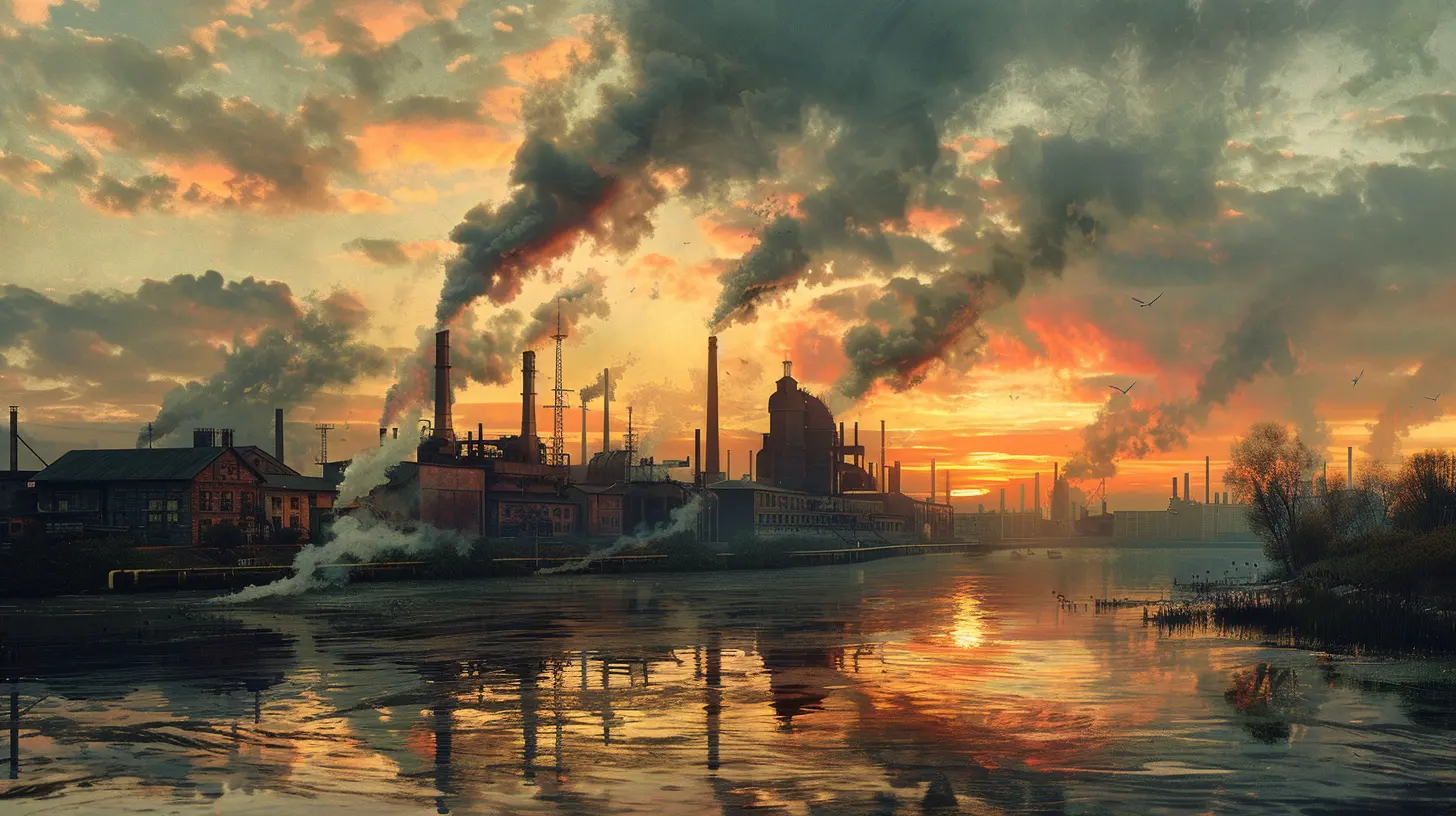
🔄 Effects of the Industrial Revolution
Alright, so now that we know why it started, let's talk about the impact. Spoiler alert: It changed everything! Some effects were positive, some were negative, but all of them were significant.✅ Positive Effects
1. Urbanization: The Birth of Modern Cities
People flocked from rural farms to cities in search of work in factories. This shift gave rise to modern urban centers like Manchester and Birmingham. Skyscrapers, bustling streets, and public transport? Yep, all thanks to industrialization.2. Better Transportation: The World Got Smaller
The invention of the steam engine led to faster trains and ships, making trade easier and more efficient. Suddenly, what once took months to transport could now be done in days. Talk about a game-changer!3. Improved Standard of Living
While the early phases of industrialization were harsh, wages eventually improved, goods became cheaper, and access to healthcare and education increased. Over time, this led to a better quality of life for many.4. Mass Production: The Shopping Spree Begins
Factories meant goods could be produced at scale. Clothes, tools, and household essentials that were once expensive and handmade became affordable and accessible to more people. The age of consumerism had begun!5. Scientific and Medical Advancements
Industrial progress didn’t just stop at manufacturing. The 19th and 20th centuries saw groundbreaking discoveries in medicine, sanitation, and public health, boosting life expectancy worldwide.❌ Negative Effects
1. Harsh Working Conditions: Factories Were No Paradise
Long hours, low pay, and dangerous conditions—factory work wasn’t exactly a dream job. Child labor was rampant, and worker exploitation was common before labor laws were put in place.2. Overcrowded Cities and Poor Living Conditions
As people flooded cities, housing couldn’t keep up. Slums popped up, sanitation was terrible, and diseases spread like wildfire. For many, urban life was anything but glamorous.3. Environmental Destruction: The Price of Progress
Smoking chimneys, pollution-clogged rivers, and deforestation—industrialization took a massive toll on the environment, laying the groundwork for today's climate crisis.4. Rise of Economic Inequality
While industrial tycoons raked in profits, factory workers struggled to make ends meet. The gap between the rich and poor widened, sparking labor movements and the birth of socialism.5. Displacement of Traditional Industries
Cottage industries, where craftsmen made goods by hand, couldn’t compete with factory-made products. Entire professions vanished as machines took over, forcing skilled workers to adapt or lose their livelihoods.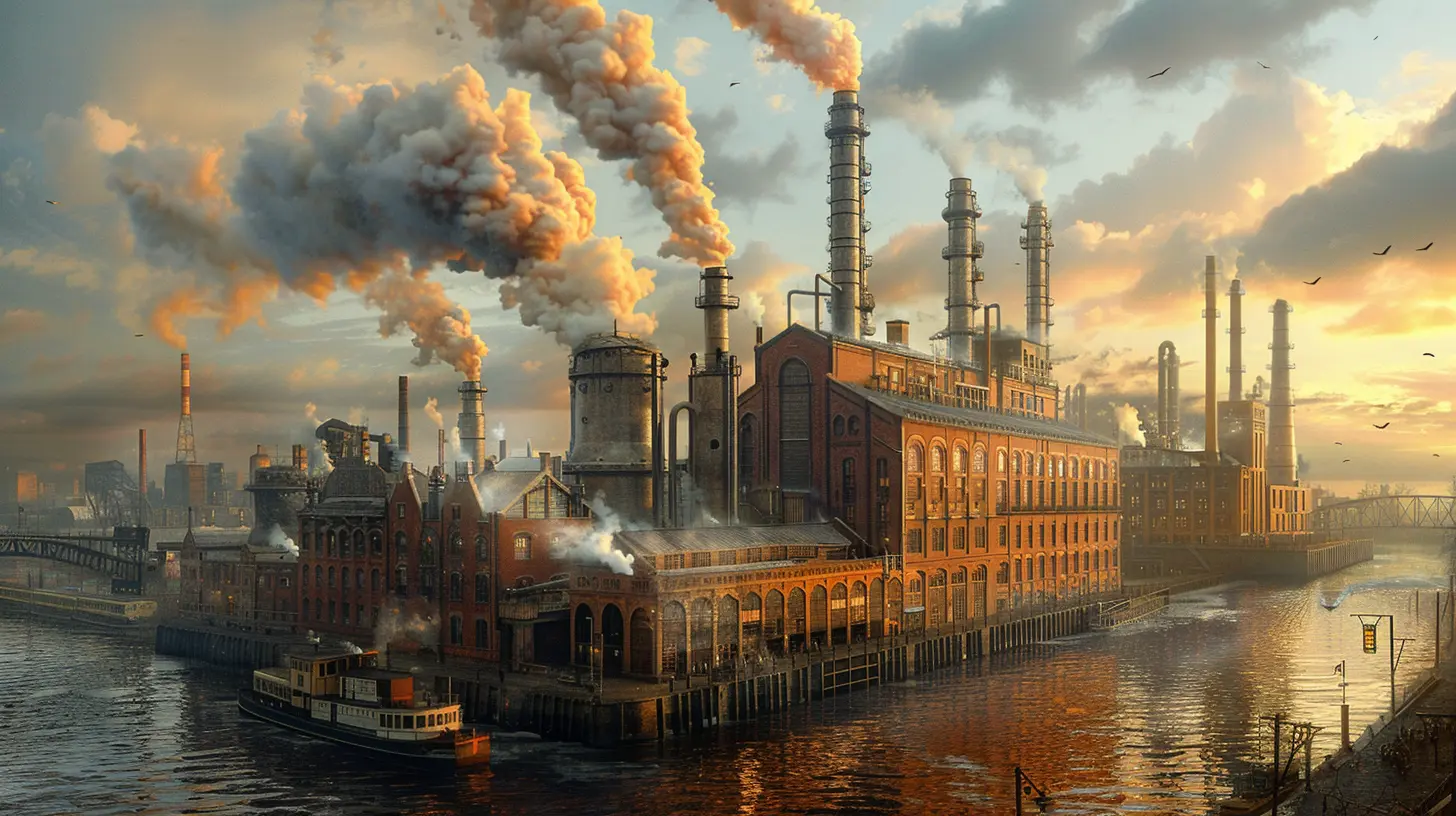
😲 The Industrial Revolution and Today
Even though the Industrial Revolution ended over a century ago, its effects still ripple through our world. Our modern tech-driven society—smartphones, automation, AI—all stems from that initial leap into industry.However, the same challenges remain. Workers still fight for fair wages and working conditions, environmental concerns are greater than ever, and economic inequalities persist. In many ways, we’re still dealing with the consequences of that transformative era.
So next time you use a mass-produced gadget, hop on a train, or enjoy a product made in a faraway factory, remember—you’re living in the world the Industrial Revolution built.
🔮 Final Thoughts
The Industrial Revolution was one of the most defining moments in human history. It catapulted us into the modern world, bringing incredible advancements while also creating new challenges. Its legacy is all around us, shaping everything from how we work to how we live.It's a fascinating chapter of history that reminds us of the power of innovation—and the importance of balancing progress with responsibility.
What do you think? Did the Industrial Revolution do more harm than good? Drop your thoughts in the comments!
all images in this post were generated using AI tools
Category:
Social StudiesAuthor:

Eva Barker
Discussion
rate this article
2 comments
Zanthe Larsen
In steam and spark, our world transformed; Progress ignited, dreams reborn. A dance of innovation, change unfurled— Echoes still shape our modern world.
March 1, 2026 at 11:43 AM
Eva Barker
Thank you for capturing the essence of the Industrial Revolution! Your poetic reflection beautifully highlights its transformative impact on society and the enduring legacy of innovation.
Thane Adams
Great overview of the Industrial Revolution! It’s fascinating to see its lasting impact on society.
February 12, 2026 at 5:58 AM
Eva Barker
Thank you! I'm glad you found it fascinating and insightful. The Industrial Revolution truly shaped our modern world!