Cultivating a Growth Mindset Classroom in 2027
6 May 2026
Let me be real with you for a second. If you walked into a classroom in 2027 expecting to see rows of quiet kids filling out worksheets, you are in for a shock. The world has changed, and the kids sitting in those desks have changed with it. They are digital natives who grew up with AI tutors, climate anxiety, and the constant hum of social media. The old "you're either smart or you're not" mentality? It died somewhere around 2023, and we need to make sure it stays buried.
I have been in education long enough to see trends come and go. But the growth mindset? That is not a trend. It is the bedrock of everything we do. In 2027, it is not just about praising effort over outcome. It is about rewiring how students see failure, feedback, and their own potential in a world that moves faster than ever. So, how do you actually build a growth mindset classroom that works for today's kids? Let's break it down.
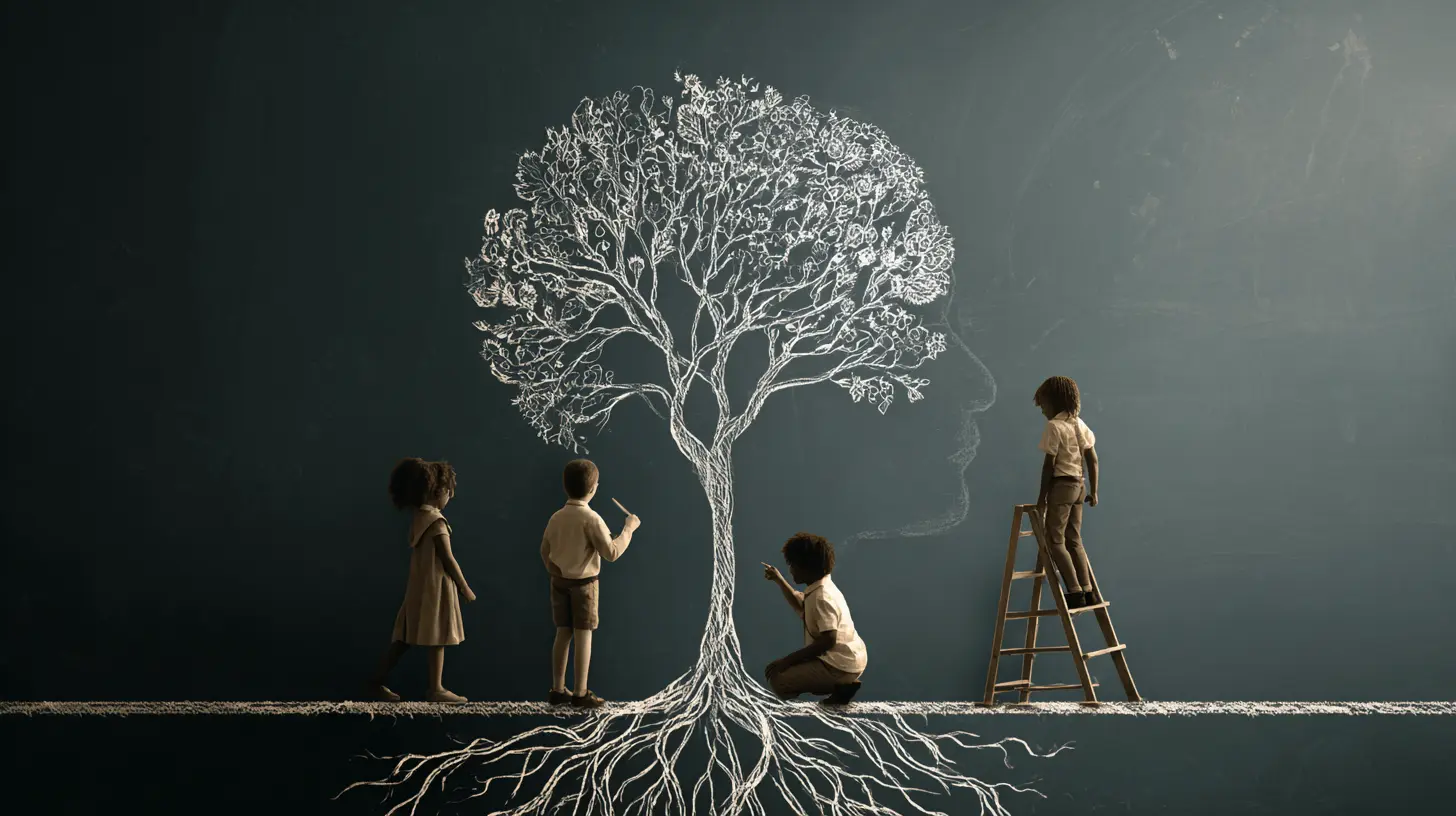
Why 2027 Demands a Different Approach
Think about what a 12-year-old in 2027 has already experienced. They have seen deepfake videos, used generative AI to write essays, and probably had a virtual reality lesson in history class. Their brains are wired for instant information and rapid feedback. This is both a blessing and a curse.The blessing is that they understand that learning is not linear. They know you can rewatch a video, ask an AI for a different explanation, or collaborate with a friend across the globe. The curse is that they have also been conditioned to expect quick wins. If something does not click in five minutes, they might label themselves as "bad at it."
In 2027, the growth mindset classroom has to address this paradox. You cannot just tell a kid, "You can do it if you try harder." They have heard that a hundred times. Instead, you need to show them the process of getting better. You need to make the struggle visible and normal. Because let's face it, the old model of "fail a test, learn your lesson" is dead. Kids today need to see that failure is not a dead end. It is a data point.

The Core Shift: From Fixed Labels to Flexible Identities
Here is a question for you. When a student says, "I am not a math person," what do you do? Most teachers I know try to argue with them. "Yes, you are!" But that never works. Why? Because the student has built a whole identity around that label. Telling them they are wrong just makes them defensive.In 2027, we need to replace the label with a verb. Instead of "I am not a math person," help them say, "I have not mastered this yet." That tiny word "yet" is a game changer. It opens the door to possibility. It says, "Right now, this is hard. But right now is not forever."
I have seen this work in real time. A kid who insists they cannot write a paragraph. You ask them, "What part of writing is the hardest for you right now?" Not "Why can't you write?" But "What is the obstacle?" That simple shift in language moves the conversation from identity to problem-solving. And that is where growth happens.

Practical Strategies That Work in 2027
Alright, enough theory. Let's talk about what this actually looks like on a Tuesday morning in October. Here are five strategies that are not just buzzwords. They are tested, messy, and effective.1. Normalize the "Struggle Zone"
Remember the concept of the zone of proximal development? That sweet spot where learning is hard but not impossible? In 2027, we call it the "struggle zone." And we need to make it visible.I put a poster on my wall that says, "If you are comfortable, you are not growing." Sounds harsh? Maybe. But kids get it. They know that the best video games are the ones that challenge you just enough. They know that leveling up takes effort. So why should school be any different?
Every week, I ask my students to identify one thing they struggled with. Not to complain, but to celebrate. We call it "Struggle of the Week." They write it down, and we share them out loud. The kid who tried a new strategy in math. The kid who asked for help for the first time. The kid who revised their essay three times. We clap for the struggle, not the easy win. It sounds cheesy, but it works. It tells the brain, "Struggle is part of the process, not a sign of failure."
2. Redefine "Smart" in Real Time
Here is a secret. Kids use the word "smart" like a weapon. "She is so smart." "I am not smart enough." It is a fixed mindset trap. In 2027, we need to ban the word "smart" as a noun and turn it into a verb.Instead of saying, "You are so smart," say, "You used a smart strategy there." Or "That was a smart way to approach the problem." See the difference? The first one labels the person. The second one labels the action. The action can be repeated. The action can be taught. The action is something you can control.
I also use a simple tool called "The Smart List." At the end of a unit, students write down three things they did that made them feel smart. Not "I got an A," but "I asked a good question," "I helped a classmate," "I tried a new method." It shifts the focus from outcome to process. And it builds a collection of evidence that they are capable.
3. Teach the Brain Science (Without the Jargon)
Kids are curious. They love knowing how their own brains work. In 2027, we have even more research on neuroplasticity. You do not need to get into the weeds, but you do need to give them the core idea: Your brain is like a muscle. It gets stronger when you work it.I show a simple animation of neurons connecting. I say, "Every time you push through a hard problem, your brain grows a little connection. That connection makes the next hard problem easier." It is not magic. It is biology.
Then I give them a challenge. "Next time you feel stuck, imagine your brain doing a tiny push-up." It sounds silly, but it gives them a mental image. And that image is powerful. It turns frustration into a workout. And who does not love a good workout metaphor?
4. Use Feedback as a Gift, Not a Judgment
In 2027, feedback is everywhere. Kids get feedback from apps, from games, from their friends. But school feedback often feels like a final verdict. "B minus. See me after class." That is not feedback. That is a tombstone.Real feedback is specific, actionable, and forward-looking. Instead of "Your essay needs more detail," say, "Your introduction hooks the reader. Now, try adding one example in the second paragraph that shows what you mean." The first sentence makes them feel like they failed. The second sentence gives them a path forward.
I also use "two stars and a wish." Two things they did well, and one thing they can improve. It is not original, but it works because it balances praise with growth. And I always follow up. "Did you try the wish?" If they did, I celebrate that effort. If they did not, we talk about why. Feedback is a conversation, not a monologue.
5. Model Your Own Growth Mindset
Here is the hardest one. You have to walk the walk. Kids can smell a fake from a mile away. If you tell them to embrace struggle but you get frustrated when the Wi-Fi goes down, they notice. If you say mistakes are okay but you never admit your own, they notice.I make it a habit to say out loud, "I made a mistake today. Let me show you how I fixed it." Or "I do not know the answer to that question. Let us find out together." It is vulnerable. It is uncomfortable. But it is the most powerful lesson you can teach. You are not the expert. You are the lead learner.
In 2027, with AI answering every question instantly, the teacher's role is not to know everything. It is to model curiosity, resilience, and humility. That is the growth mindset in action.

The Role of Technology in a Growth Mindset Classroom
Let's talk about the elephant in the room. Technology. In 2027, every student has a device. Some schools are fully AI-integrated. Others are pushing back. But regardless of your stance, technology is here. The question is, how do you use it to support a growth mindset, not undermine it?First, stop using tech as a crutch. If a student uses AI to write an entire essay, they are not growing. But if they use AI to brainstorm ideas, check grammar, or get feedback on a draft, that is a tool for growth. Teach them the difference. Show them that tech is a partner, not a replacement.
Second, use adaptive learning platforms that give immediate, non-judgmental feedback. Programs like Khan Academy or Duolingo are built on the growth mindset model. They let students fail, try again, and see progress. That is gold. But do not let the screen become a babysitter. The best tech is the one that sparks a conversation, not the one that silences a room.
Third, teach digital resilience. In 2027, kids face online failure too. A bad comment. A low score on a game. A post that gets no likes. Those are growth mindset moments. Talk about them. "What did you learn from that?" "What will you do differently?" The skills transfer from the classroom to the screen.
Dealing with the Fixed Mindset Holdouts
I am not going to lie to you. Not every kid will buy into this overnight. Some are so used to being praised for being "smart" that they resist effort. They would rather not try than risk failing. That is the fixed mindset defense mechanism.What do you do with those kids? You do not argue. You do not push. You invite. You say, "I see that this is hard for you. I am not going to make you do it alone. Let us figure out the first step together." You lower the stakes. You make the first attempt count for something. You celebrate the micro-wins.
And sometimes, you just wait. Growth mindset is not a switch you flip. It is a seed you water. Some seeds take longer to sprout. But when they do, it is worth the wait.
I had a student once who refused to revise any essay. He said, "It is good enough." I did not fight him. I just asked, "What would happen if you made one small change?" He shrugged. I said, "Just try one. If it does not work, you can change it back." He tried one. Then another. By the end of the year, he was asking for feedback. That is growth. It is slow. It is messy. But it is real.
Measuring Growth in a Growth Mindset Classroom
How do you know it is working? You cannot give a test on mindset. You look for the signs. Kids who used to give up now ask for help. Kids who used to say "I can't" now say "I am working on it." Kids who used to hide mistakes now share them.I keep a simple journal. Once a month, I write down one example of a student showing a growth mindset. Not a perfect example. Just a real one. "Maria tried a new strategy in math and got it wrong, but she asked to try again." "Jamal helped a friend with a problem instead of just giving the answer." Over time, the list grows. That is my evidence.
You can also use surveys. Ask students, "When you make a mistake, do you feel like you learned something?" "Do you believe you can get better at things you are not good at?" Track the answers over the year. If they shift from "no" to "yes," you are winning.
The Long Game: Why This Matters More Than Ever
Here is the truth. In 2027, the job market is volatile. AI is replacing some roles and creating new ones. The kids in your classroom will have careers that do not exist yet. They will need to adapt, unlearn, and relearn constantly. A fixed mindset will hold them back. A growth mindset will set them free.We are not just teaching math or writing. We are teaching them that they are not finished. That their potential is not a ceiling. That failure is not a verdict. That effort is not a punishment. That learning is a lifelong adventure.
It sounds big. It is big. But it starts small. It starts with the words you use, the questions you ask, and the way you react when things go wrong. It starts with you.
So, go ahead. Try something new tomorrow. Admit you do not know something. Celebrate a mistake. Ask a student, "What did you struggle with today?" And see what happens. I promise you, the growth will surprise you.
all images in this post were generated using AI tools
Category:
Teaching StrategiesAuthor:

Eva Barker
Discussion
rate this article
2 comments
Vienna Curry
This article effectively highlights the importance of fostering a growth mindset in classrooms. By emphasizing collaboration, resilience, and adaptability, educators can empower students to embrace challenges and learn from failures. As we approach 2027, integrating technology and personalized learning will further enhance this mindset, preparing students for an evolving future.
May 21, 2026 at 4:23 AM
Roxanne McKeever
Great insights on fostering a growth mindset in the classroom! Embracing challenges and encouraging resilience will surely prepare students for the future. Can't wait to see how this evolves!
May 10, 2026 at 2:49 AM
Eva Barker
Thank you! I'm excited about the journey ahead and how we can shape a positive learning environment together. Your support means a lot!