Classroom Management Tips for New Teachers
13 May 2026
Stepping into your very first classroom as a teacher? Excited? Nervous? Maybe a bit of both? That’s totally normal. Classroom management might seem like a mysterious code that only experienced teachers can crack, but the truth is—it’s all about developing routines, building relationships, and staying consistent. And guess what? You’ve totally got this.
In this guide, we’ll walk through classroom management tips for new teachers that’ll help you maintain your sanity, earn student respect, and create a space where learning can actually happen. Ready? Let’s dive in.
Why Classroom Management Matters—Big Time
You can have the best lesson plans in the world, but if your students are climbing the walls or zoning out, it won’t matter. Think of classroom management as the foundation of a house. Without it, everything else crumbles. It’s not just about controlling behavior—it’s about setting the stage for learning, for connection, and let’s be real… for your survival as a teacher.Classroom management is the heartbeat of effective teaching. And for new teachers, this can be both the most intimidating and the most important skill to develop early on.
Tip #1: Set Clear Expectations from Day One
Imagine walking into a room with no rules. Chaos, right?Kids—whether they admit it or not—crave structure. From day one, outline your expectations. That doesn’t mean yelling out a list of rules like a drill sergeant. Instead, have a conversation. Discuss what respect looks like, what participation means, and how everyone can help make the classroom a great place.
Make a poster of classroom norms with student input. When they help create the rules, they’re more likely to follow them. And remember: consistency is king. If a rule exists on paper but doesn’t exist in practice, students will notice.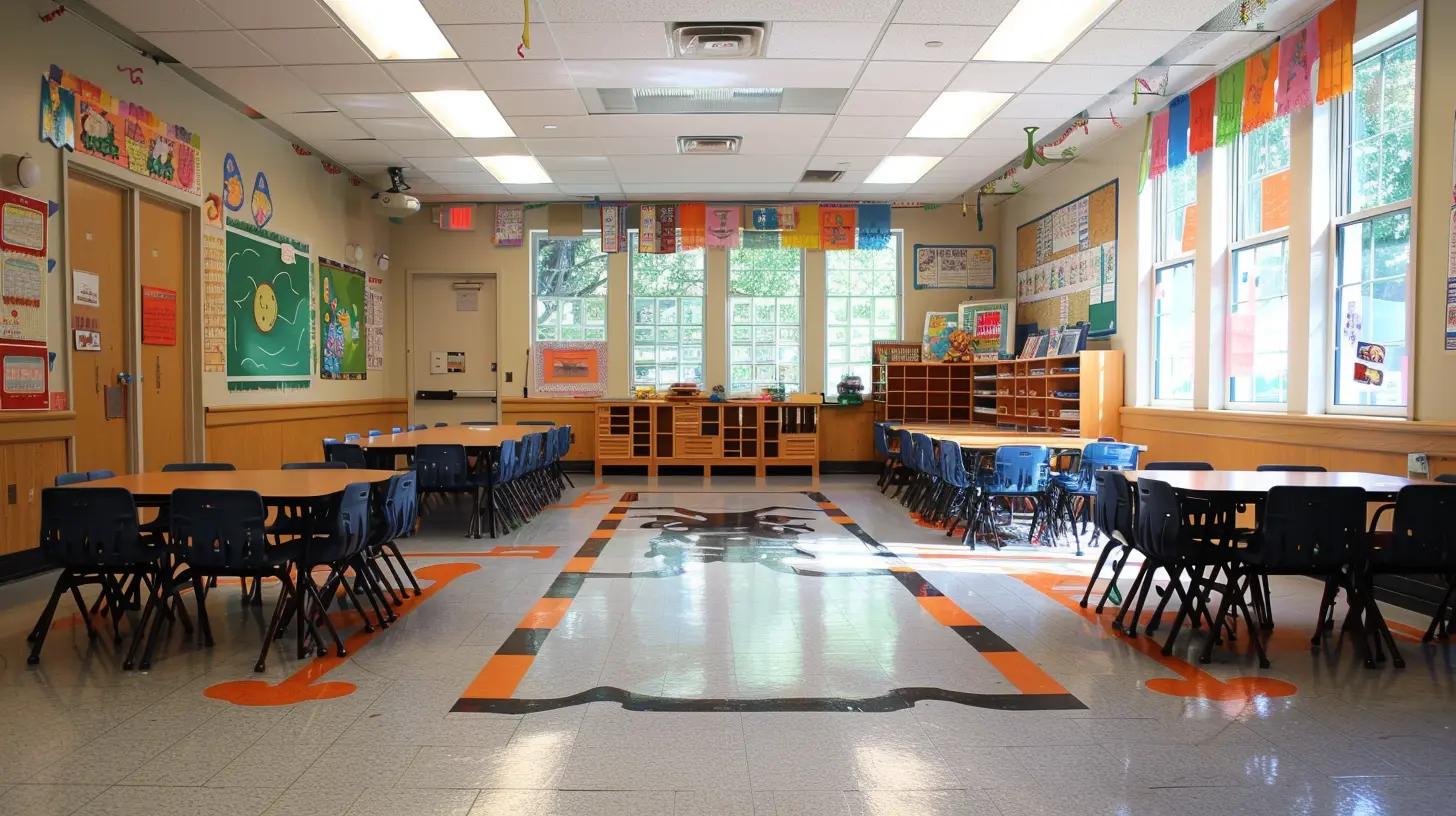
Tip #2: Build Real Relationships with Students
Ever heard the saying, “Students don’t care how much you know until they know how much you care”? It’s true. Relationships are the golden ticket to classroom management.Make an effort to get to know your students as individuals. Greet them by name. Ask about their weekend. Notice when they get a haircut or wear new shoes. These small moments build trust.
When students feel seen and respected, they are far more likely to respect you back—and that means fewer behavior issues.
Tip #3: Create Consistent Routines and Procedures
Confession: I used to think routines were boring. But in a classroom? Routines are magical.Want to keep students from asking "What are we doing today?" 20 times a day? Have a visual agenda. Want to avoid chaos during bathroom breaks? Set a procedure. The more you automate, the less you micromanage.
Practice routines like you would practice a sport. Model them. Do them together. And keep practicing until they become second nature—for both you and your students.
Routines reduce friction. Less friction, more learning. Simple as that.
Tip #4: Use Positive Reinforcement More Than Punishment
Let’s be real: nobody likes being constantly told what they’re doing wrong.Instead of focusing only on negative behaviors, spotlight the positive. “I love how Ava is ready with her materials!” or “Thanks, James, for helping a classmate without being asked.”
Positive reinforcement isn’t about bribing students with candy or prizes (although hey, stickers do wonders). It’s about building a culture that celebrates doing the right thing.
Over time, students start to model that positivity themselves. And that's when the real magic happens.
Tip #5: Establish the “Teacher Look” and Presence
You know the look. The one that says, “I see you, and you better sit down before I even say a word.”It’s not about being scary—it’s about being calm, confident, and in control.
Developing your teacher presence means using your voice, body language, and energy to command the room (without actually yelling). Practice standing tall, using pauses effectively, and making intentional eye contact.
You’re not just teaching content—you’re leading a space. Own it.
Tip #6: Don’t Take Misbehavior Personally
Here’s a harsh truth: kids will test boundaries. It’s not personal. It’s developmental.As a new teacher, it’s easy to take it to heart when a student talks back or refuses to follow directions. But behavior is communication. Usually, it’s saying, “I’m frustrated,” or “I need help,” or even “I’m scared.”
Breathe. Stay calm. Address the behavior, not the student as a person. The goal isn’t to win a power struggle—it’s to guide and redirect.
Remember: your role is to be the thermostat, not the thermometer. You set the tone.
Tip #7: Keep Lessons Engaging (Yes, That Helps!)
If students are engaged, they’re way less likely to act out. Think about it—when you’re bored in a meeting, don’t you start doodling or checking your phone?Planning active, interactive lessons with movement, discussion, and student choice helps keep attention up and behaviors down.
You don’t have to reinvent the wheel—just make sure your students are involved. Let them talk, move, create, collaborate. Bored kids act out. Busy, engaged kids are too into the activity to misbehave.
Tip #8: Use Proximity and Nonverbal Cues
Good teachers don’t just teach from the front of the room. They move. They hover. They circulate. They quietly place a hand on a desk or point to a direction without saying a word.Proximity works like magic. Walking toward a student who’s getting off-task without even saying anything? Nine times out of ten, they self-correct.
Nonverbal cues—like a raised eyebrow or a hand signal—can redirect without disrupting the flow. You don’t need to be loud. You just need to be present.
Tip #9: Have a Plan for Transitions
Transitions are the Bermuda Triangle of teaching. That no-man’s land between activities where all control can be lost.Plan transitions like you plan a lesson. Give a 5-minute warning. Use timers. Challenge students to beat the clock. Have clear expectations—what do you want them to be doing while switching tasks?
The smoother the transitions, the more instructional time you save—and the less chance for behavior issues to creep in.
Tip #10: Reflect and Adjust (You’re Growing Too)
Newsflash: No teacher nails classroom management perfectly from day one. And that’s okay.What works for one class may not work for another. You’ll make mistakes. You’ll have rough days. That doesn’t mean you’re failing—it means you’re learning.
Take time to reflect. What routines felt clunky? Which students are still struggling? What’s one thing you can tweak tomorrow?
Teaching is a journey, not a destination. Give yourself the same grace you give your students.
Bonus Tip: Find Your Teacher Tribe
You don’t have to figure it all out alone. Find your people—whether it’s the teacher next door, an online community, or your mentor.Swap stories. Share strategies. Ask questions. Vent when you need to.
Teaching can feel isolating if you try to do it all solo. But with a support system, it's a whole lot more manageable—and a lot more fun.
Wrapping It Up
Classroom management isn’t about having an iron fist or a whistle around your neck. It’s about relationships, structure, and consistency. It’s about knowing your students, respecting them, and expecting respect in return.As a new teacher, remember that it’s okay to stumble. Keep learning, keep tweaking, and keep showing up. With time, you’ll find your rhythm. And when you do? That classroom will feel like home.
Whether you’re wrangling a room full of energetic kindergarteners or decoding teenage sarcasm in high school hallways, the heart of classroom management remains the same: connect, guide, and lead with intention.
You’ve got this.
all images in this post were generated using AI tools
Category:
Classroom ManagementAuthor:

Eva Barker
Discussion
rate this article
2 comments
Megan Clark
This article offers valuable insights for new teachers navigating classroom management. The emphasis on building relationships with students is crucial; it creates a positive environment conducive to learning. the practical strategies provided, such as setting clear expectations and routines, equip teachers to foster discipline while maintaining engagement.
May 25, 2026 at 8:56 PM
Eva Barker
Thank you for your feedback! I'm glad you found the insights on relationship-building and practical strategies helpful for new teachers. It's all about creating that supportive environment for effective learning.
Ramona Wade
Great tips for new teachers! Establishing clear expectations and building relationships with students are key. Remember, consistency is crucial in classroom management. Small adjustments can make a big difference, so stay flexible and open to new strategies as you grow.
May 19, 2026 at 4:13 AM
Eva Barker
Thanks for sharing your thoughts! I completely agree that consistency and flexibility are essential for effective classroom management. Every small adjustment can create a positive impact.