Building Critical Communication Skills in a Flipped Classroom Environment
31 July 2026
In recent years, the flipped classroom model has gained considerable popularity in the educational landscape. It's a revolutionary approach that flips the traditional teaching method on its head. Instead of teachers delivering lectures during class time and assigning homework afterward, the flipped classroom encourages students to engage with learning materials outside of class (think videos, readings, etc.), leaving in-class time for more interactive, hands-on activities.
One of the key benefits of this approach is that it creates an ideal environment for developing critical communication skills. But, let’s face it—communication is one of those things that sounds simple, but can be incredibly difficult to master. In a flipped classroom, students are given ample opportunities to communicate, collaborate, and engage with both their peers and instructors in ways that traditional classrooms don’t always encourage. So how exactly does this flipped model help build these communication superpowers? Let’s take a deep dive into it.
What Is a Flipped Classroom?
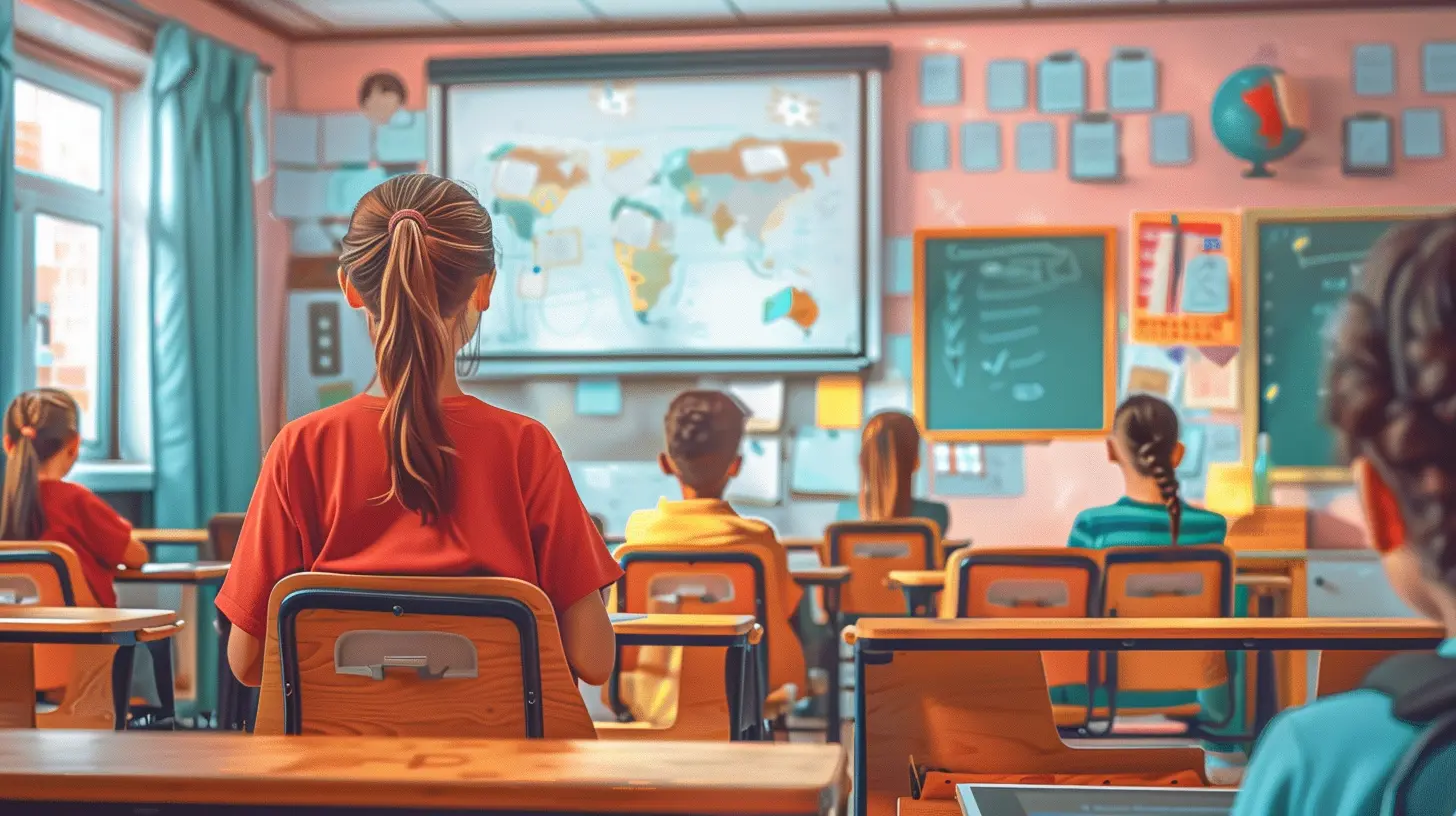
Before we jump into the nitty-gritty of communication skills, let's clarify what a flipped classroom actually is. In a traditional classroom, the teacher is the “sage on the stage,” delivering lectures while students passively absorb (or at least try to absorb) the material. Homework is usually an afterthought—something to be done at home without much guidance.In a flipped classroom, this model is reversed. Students engage with instructional content—whether through videos, readings, or podcasts—on their own, outside of class. Then, during class time, they work on problem-solving, group projects, and discussions, all guided by the teacher who is now more of a “guide on the side.”
This shift in responsibility allows students to take ownership of their learning and provides more room for interactive, communicative activities in class. But it’s not just about throwing students into group work and hoping for the best. There’s a method to the madness, and a significant part of it revolves around communication.
Why Communication Skills Are Important in Education
Let’s be real—communication skills are essential in every aspect of life, not just in education. Whether it's giving a presentation, articulating your ideas in a group discussion, or simply sending a well-structured email, strong communication is key to success.But in an educational setting, communication takes on an even more vital role. It's not just about talking; it's about listening, understanding, and responding thoughtfully. Students need to be able to articulate their thoughts clearly, ask questions when they’re stuck, and provide constructive feedback to their peers. And guess what? The flipped classroom is an ideal setting for students to practice these skills.
Active Learning Fosters Better Communication
In a flipped classroom, students are not just passive recipients of information. Instead, they engage in active learning, which means they are directly involved in the learning process. This encourages them to ask questions, discuss their understanding with peers, and communicate their ideas more frequently.Compare this to a traditional lecture-based approach where students are often too shy to raise their hands or too confused to ask a good question. In a flipped classroom, every student is expected to participate, which naturally leads to more opportunities for communication.
Building Communication Skills Through Collaboration
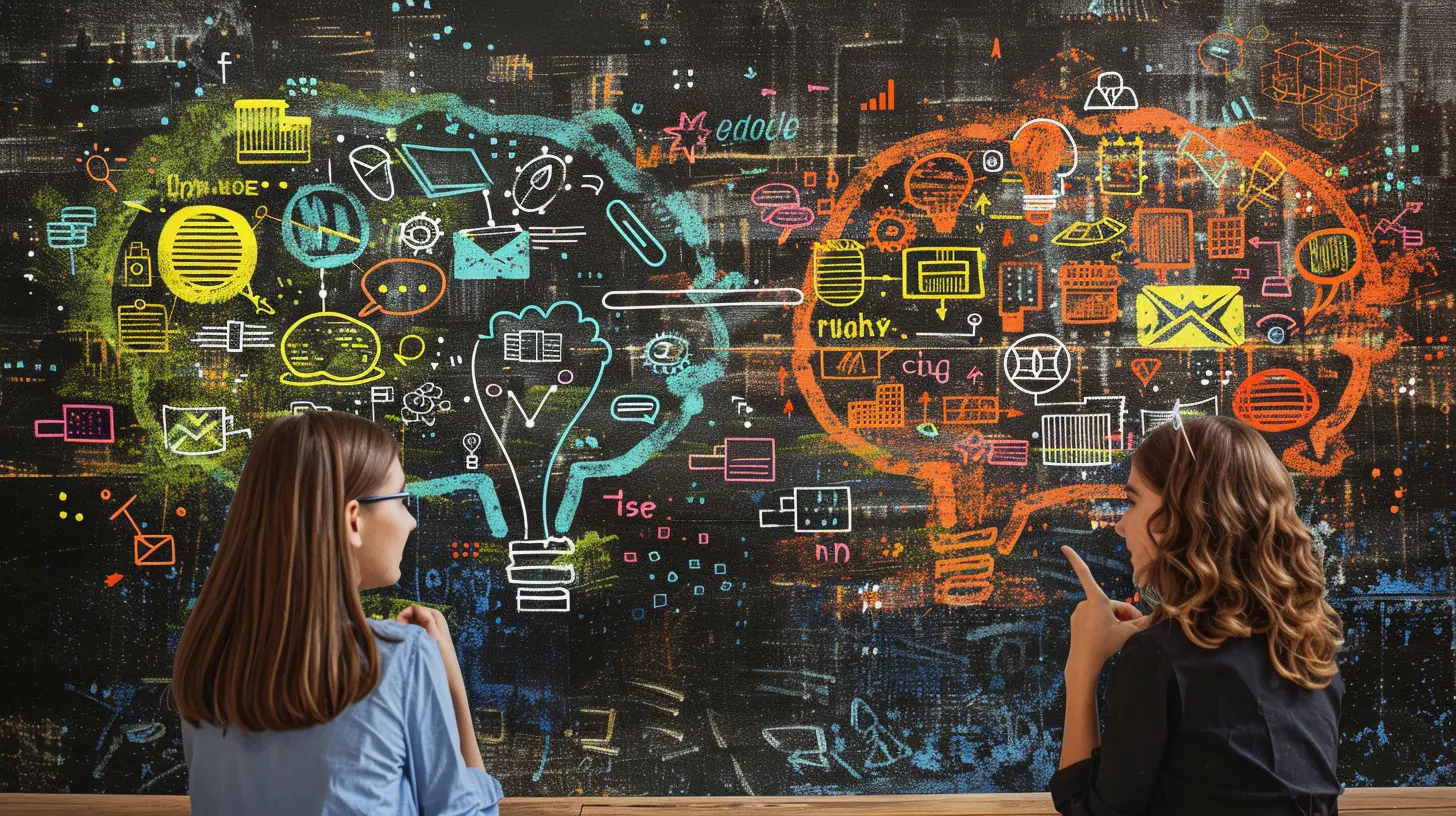
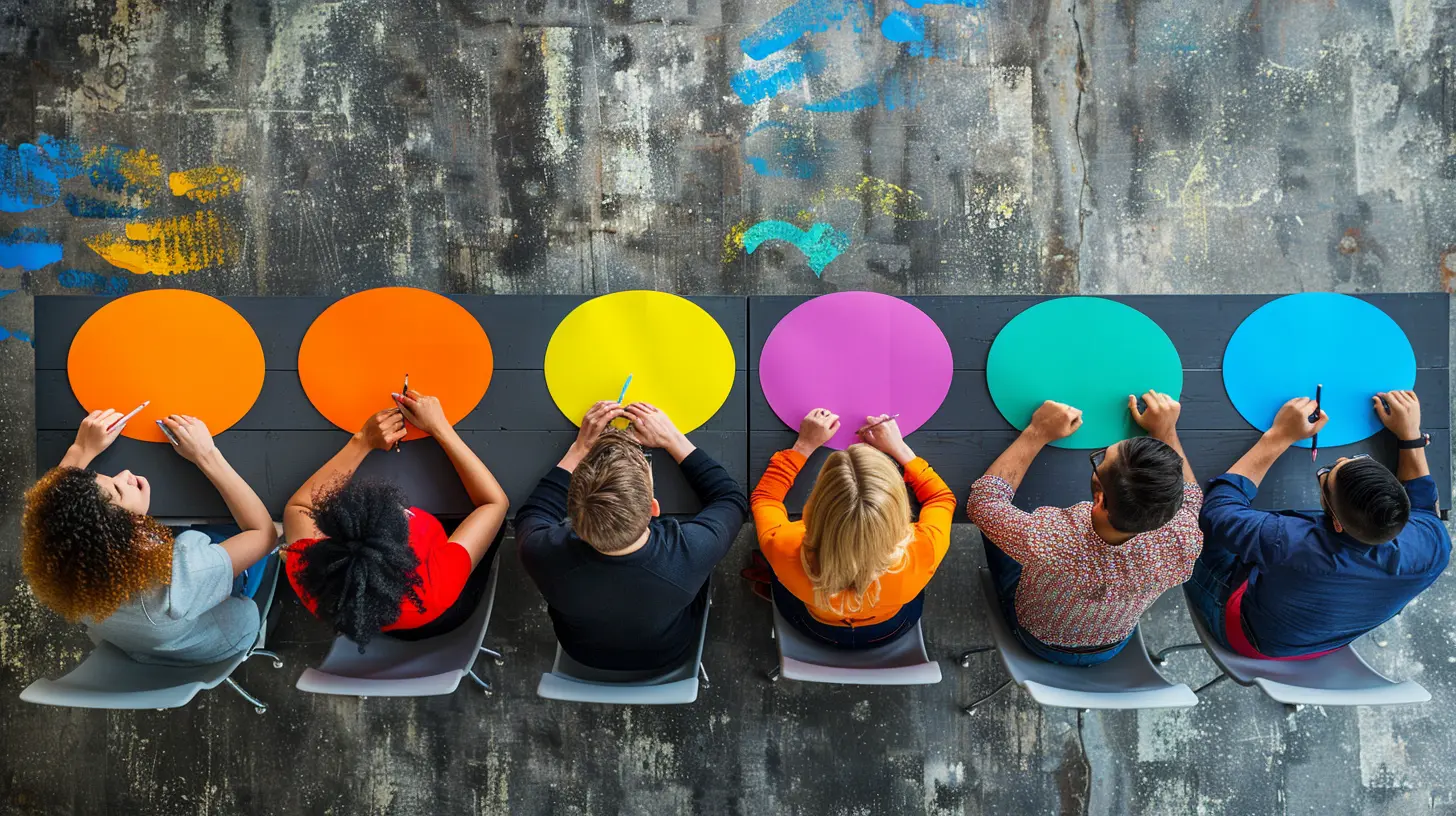
One of the cornerstones of the flipped classroom model is collaborative learning. Group work, peer discussions, and team projects are common features in this setup. This is where communication skills really come to the forefront.Working in groups requires students to:
- Express their ideas clearly: Whether they are explaining a concept or presenting a solution, students must communicate their thoughts in a way that others can understand.
- Listen actively: Communication isn't just about talking—it's also about listening. Students need to pay attention to their peers' ideas and build on them.
- Negotiate and compromise: In any group setting, there are likely to be differing opinions. Students must learn how to express their views while also being open to compromise.
- Give and receive feedback: Constructive feedback is crucial in any learning environment. In a flipped classroom, students are often encouraged to review each other's work, which helps them learn how to provide valuable input while also accepting criticism.
In this environment, students are not just learning content—they are learning how to communicate effectively with others, which is a skill that will benefit them far beyond the classroom.
Encouraging Openness and Dialogue
In a flipped classroom, the teacher's role shifts from a lecturer to a facilitator. This change creates a more open and interactive atmosphere where students feel more comfortable asking questions, sharing opinions, and engaging in discussions.Because students are expected to come to class prepared (having already reviewed the learning material), they are naturally more invested in discussions. Teachers can then use class time to dive deeper into topics, encouraging students to ask questions and debate ideas. This back-and-forth dialogue helps students practice the art of critical thinking and effective communication.
Prompts for Meaningful Discussions
One way teachers can facilitate communication in flipped classrooms is by using discussion prompts. These can be questions or scenarios related to the learning material that encourage students to think critically and express their thoughts.For example, after watching a video lecture on a particular topic, students might be asked to discuss how the concepts apply to real-world situations. These kinds of prompts encourage students to go beyond surface-level understanding and engage in more meaningful conversations.
The Role of Technology in Enhancing Communication
With the flipped classroom model often relying on technology to deliver instructional content, it’s no surprise that tech also plays a role in building communication skills. Platforms like discussion boards, online forums, and collaborative tools (think Google Docs, Slack, etc.) allow students to communicate not just face-to-face but also digitally.Digital communication is a different beast, but it’s just as important as in-person interaction—especially in today’s increasingly remote world. Flipped classrooms often incorporate these digital tools, giving students the chance to develop skills like:
- Writing clear, concise online messages: Whether it’s participating in a forum discussion or writing a peer review, students need to learn how to communicate effectively in writing.
- Collaborating asynchronously: In a flipped classroom, students may work together on projects outside of class, often using digital collaboration tools. Learning how to communicate and coordinate in these environments is essential.
- Giving feedback on digital platforms: Just like in face-to-face discussions, students must learn how to provide constructive feedback online.
By incorporating technology into the learning process, the flipped classroom helps students develop a wide range of communication skills that are transferable to the real world.
Overcoming Communication Barriers in a Flipped Classroom
Like any educational model, the flipped classroom isn’t without its challenges. One potential issue is that some students may feel overwhelmed by the shift in responsibility or may struggle to communicate effectively in group settings. Not everyone is a natural-born communicator, after all.That’s where teachers come in. In a flipped classroom, instructors need to be attuned to the communication dynamics in the room. They can help students overcome communication barriers by:
- Providing clear guidelines: Students need to know what’s expected of them in terms of communication. Setting clear guidelines for group work, discussions, and feedback can help students feel more confident.
- Modeling good communication: Teachers can set the tone by modeling effective communication themselves. Whether it’s how they give feedback or how they facilitate discussions, students will learn by example.
- Offering tools and strategies: Some students might need extra support when it comes to communication. Teachers can offer strategies for active listening, conflict resolution, and giving constructive feedback.
Assessing Communication Skills in a Flipped Classroom
So, how do we know if students are actually improving their communication skills in a flipped classroom environment? Well, assessment plays a crucial role here. While traditional assessments like exams and quizzes are still useful, the flipped classroom opens up opportunities for more formative assessments focused on communication.For example, teachers can assess communication skills through:
- Peer reviews: Students can be asked to assess the communication skills of their peers during group projects or discussions.
- Self-assessments: Encourage students to reflect on their own communication strengths and weaknesses. This could be done through journals or reflection papers.
- Group presentations: These are a great way to assess both individual and group communication skills. How well do students articulate their ideas? How effectively do they work together?
By focusing on these kinds of assessments, teachers can get a better sense of how students are developing their communication abilities over time.
Conclusion: Communication is Key in a Flipped Classroom
At the end of the day, the flipped classroom is about more than just flipping the lecture and homework. It’s about creating a learning environment where students are actively engaged, taking ownership of their education, and developing critical life skills—especially communication.By fostering collaboration, encouraging open dialogue, and leveraging technology, the flipped classroom provides students with ample opportunities to practice and refine their communication skills. And let’s be honest—whether you’re talking about school, work, or life in general, communication is a skill that everyone needs to master.
So, if you’re an educator thinking about flipping your classroom, know that you’re not just teaching content. You’re helping students build the communication superpowers they’ll use for the rest of their lives.
all images in this post were generated using AI tools
Category:
Flipped ClassroomAuthor:

Eva Barker