"Boosting Student Engagement Through Emotional Intelligence
2 December 2025
Let’s be real—student engagement isn’t just about flashy PowerPoints or handing out participation trophies. It goes deeper. If we want students to be genuinely engaged, we’ve got to connect with them on an emotional level. That’s where Emotional Intelligence (EI) steps in like a superhero. It’s not just a buzzword; it’s a game-changer in the classroom.
So buckle up, because we're diving into how boosting student engagement through emotional intelligence can radically transform your teaching, your classroom atmosphere, and—most importantly—your students.
What Is Emotional Intelligence Anyway?
Emotional Intelligence, or EI, is your ability to recognize, understand, and manage your own emotions while also being aware of and influencing the emotions of others. Think of it as the secret sauce that makes good communication, empathy, and relationships happen—inside and outside of school.In an educational setting, EI isn’t just a soft skill—it’s the glue that holds together meaningful learning. Why? Because when students feel emotionally understood and empowered, they show up differently. They’re all in.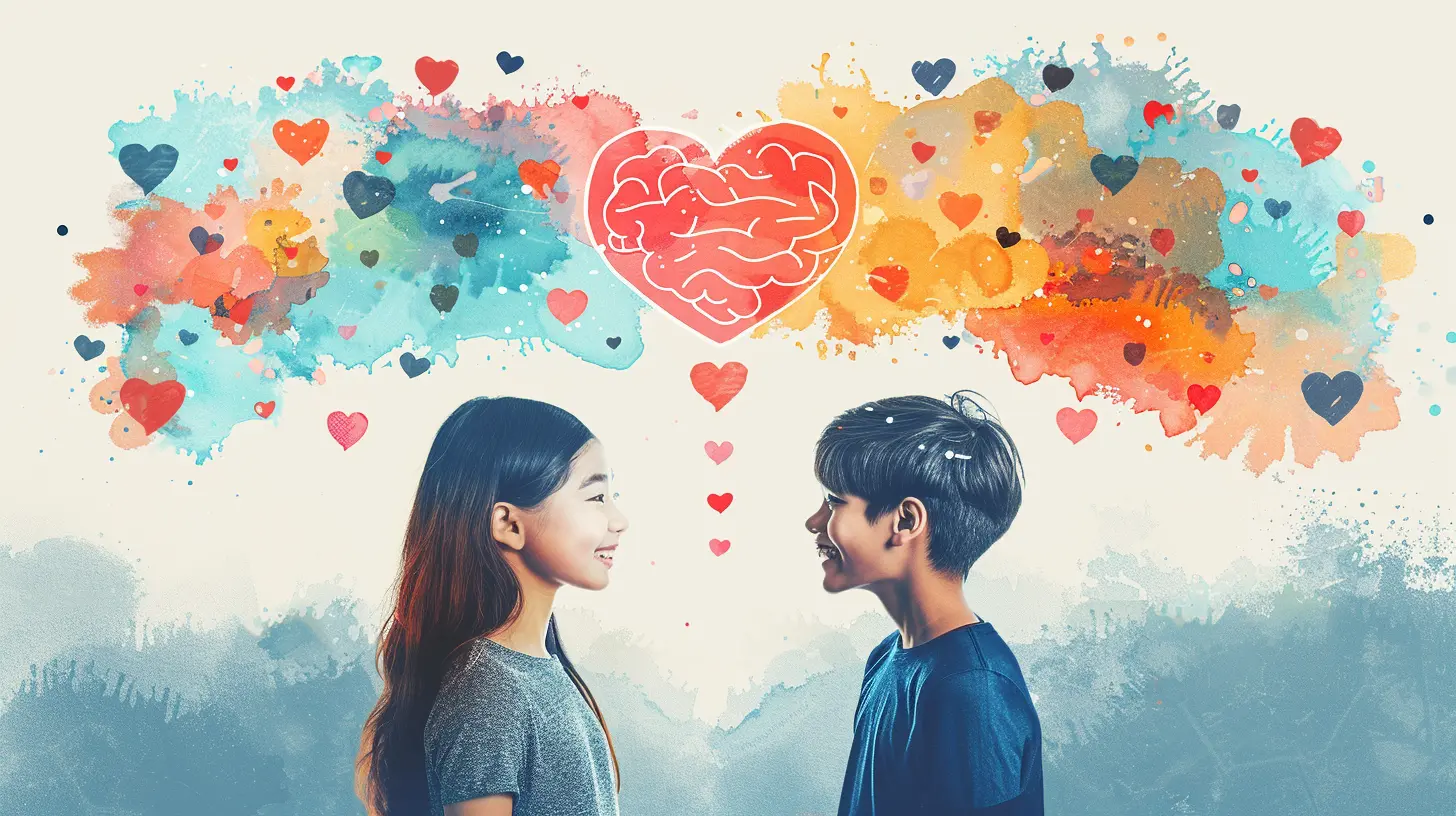
The Untold Truth: Engagement Isn't Just About Attention
Let’s get something straight. Engagement isn’t about forcing students to sit still or making sure their eyes are glued to the whiteboard. Nope. Real engagement is emotional.It’s the feeling students get when:
- They feel safe to take risks
- They’re seen and heard by their teacher
- They actually care about what they’re learning
That emotional "buy-in"? That’s gold. And EI is the key that unlocks it.
Why Should You Care About Emotional Intelligence in Education?
Simple: Students don’t learn from people they don’t trust. Period.If you’ve got kids zoning out in your class, it doesn’t mean they’re lazy. It might mean they’re emotionally checked out. And this isn’t just speculation—research backs it up. Studies show that students with higher emotional intelligence are more motivated, more collaborative, and have better academic outcomes. In short, they’re more engaged.
So if you’re a teacher, administrator, or even a parent wondering, “How do I get these kids to care?”—EI is your answer.
5 Core Pillars of Emotional Intelligence Teachers Need to Master
To use EI as a tool for engagement, you first need to understand its core components. These five pillars (based on Daniel Goleman's model) are your new best friends:1. Self-Awareness
Know your own emotional triggers. If you’re walking into class already frustrated, guess what? Your students will pick up on it. Awareness is the first step to controlling the vibe of the room.2. Self-Regulation
Can you manage stress, stay calm, and not lash out when a student tests your patience? Emotional regulation keeps the learning environment stable.3. Motivation
Intrinsic motivation (doing something because it matters to you) is contagious. Students can feel when you’re passionate—and they’re more likely to match your energy.4. Empathy
This one’s huge. Being able to put yourself in your students’ shoes helps you respond in ways that validate their experiences. And guess what? When students feel understood, engagement shoots through the roof.5. Social Skills
The ability to build connections, resolve conflict, and foster collaboration—that’s the magic that turns a classroom into a community.Real Talk: How Emotional Intelligence Boosts Engagement
Still not convinced? Let’s break down exactly how EI can light a fire under student engagement.💡 Emotional Safety = Risk-Taking = Learning
Think about it—would you raise your hand in a room where people judge you? Probably not. But in an emotionally intelligent classroom, students feel safe. Safe to be wrong. Safe to be vulnerable. And that safety opens the door to real participation.🔄 Better Relationships = Higher Participation
When students feel seen—not just as learners, but as humans—they try harder. Simple as that. By using empathy, active listening, and kindness, you're building bridges, not walls.🧠 Emotion Fuels Memory
This one's backed by science. Emotional experiences are tied to stronger memory. So when you connect lessons to emotions, students remember more. It’s not just what they learn; it’s how they feel while learning that sticks.🎯 Motivation Stops Being a Chore
Students engaged through emotional intelligence don’t show up just because they have to. They show up because they want to. You’re not dragging them along—they're walking beside you.Practical Ways to Bring Emotional Intelligence into the Classroom
Alright, so how do we do this without turning into therapists or motivational speakers? It’s easier than you think.1. Model It Yourself
Be the walking, talking example of emotional intelligence. Show vulnerability. Apologize when you mess up. Celebrate effort, not just results.2. Build Relationships First
Don’t dive into content on day one. Spend time getting to know your students. Ask about their interests. Learn their names. Give them your attention. It pays off.3. Use Reflective Activities
Journals, exit tickets, or simple “How are you feeling today?” check-ins help students pause and process their emotions.4. Teach the Language of Emotions
Help students name what they’re feeling—“frustrated,” “overwhelmed,” “excited,” “proud.” Naming emotions gives them power over them.5. Create a Culture of Respect
Zero tolerance for bullying. Celebrate differences. Make kindness the norm. When students feel like they belong, they engage more.6. Use Collaborative Learning
Group work isn’t just about sharing answers—it teaches empathy, communication, and patience. All EI goldmines.7. Incorporate SEL Tools
Social and Emotional Learning (SEL) programs can supercharge EI development. Use apps, games, or even meditation minutes to help students unlock their emotional awareness.The Role of Technology in EI-Driven Engagement
Let’s not forget—we live in a digital world, and your students are growing up with screens in their hands. Instead of fighting it, why not use tech to support emotional intelligence?- Mood-tracking apps like Mood Meter or Reflectly help students recognize and evaluate their emotions.
- Virtual forums like Padlet or Flipgrid create safe spaces to share feelings.
- Gamified SEL platforms engage students and teach real emotional skills simultaneously.
Tech isn’t the enemy—it’s a powerful ally if used with purpose, compassion, and intelligence.
Addressing Challenges: When EI Feels Like Too Much
Here’s the thing—this work isn’t always glamorous. It's messy. Emotional conversations can get heavy. Not every student will open up. Not every lesson will be breakthrough.But keep going.
Why? Because it’s worth it. Emotional intelligence might not be tested on a standardized exam, but it’s the foundation of every real learning moment. And over time, the impact is tremendous.
If you're ever overwhelmed, remember this: You’re not expected to solve every emotional problem. You’re here to guide, support, and light the path. Even small steps in emotional awareness can create massive ripple effects.
Final Thoughts: The Heart of Student Engagement
Here’s the bottom line—if we want our students to show up, lean in, and actually care about learning, then we need to meet them where they are emotionally. Boosting student engagement through emotional intelligence might sound soft, but it's anything but. It's fierce. It's powerful. And it works.You’ve got the tools. You’ve got the heart. Now, apply emotional intelligence in your classroom and watch your students go from passive observers to passionate participants.
Because when hearts are in it, minds follow.
all images in this post were generated using AI tools
Category:
Emotional IntelligenceAuthor:

Eva Barker
Discussion
rate this article
2 comments
Reese McGonagle
Because who knew feelings could actually help with math homework? Shocking!
December 12, 2025 at 12:40 PM
Eva Barker
Indeed! Emotions can enhance understanding and retention, making math more relatable and engaging for students.
Nala Moses
Empower minds, inspire connections!
December 8, 2025 at 2:05 PM
Eva Barker
Thank you! Empowering minds and inspiring connections are indeed key to enhancing student engagement through emotional intelligence.